

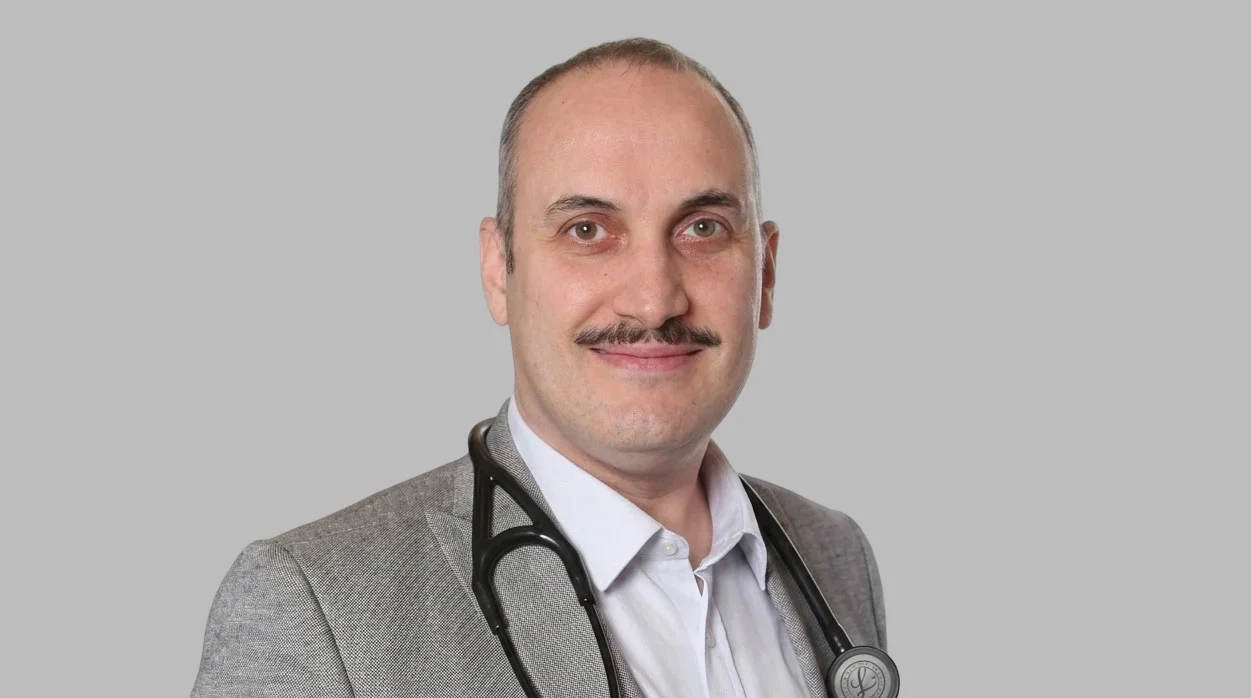
Muhammet Özbilen: Is the IV Iron Given to Hospitalized Patients Sufficient?
Muhammet Özbilen, Associate Professor Doctor at Ordu University, shared a post on LinkedIn about a recent article by Joséphine A. Cool et al. published in AJH, adding:
“Is the IV iron given to hospitalized patients sufficient?
A paper published last month in the American Journal of Hematology paints a vivid picture.
The investigation was carried out at Harvard Medical School’s training hospital.
- More than 200,000 hospital admissions from 5 years were studied.
- Only 31.5% of anemic individuals had their iron levels checked.
- Only half (54%) of patients with iron deficiency anemia (IDA) were given iron supplements.
- The calculated median iron deficiency in patients receiving IV iron was 1,847 mg, while the median amount provided was only 500 mg.
So ‘Mind the Gap’ expresses just this: there is a 1,364 mg difference in the IV iron dose provided.
The cause for this big disparity can be described as follows:
- Iron measurements are commonly neglected when anemia is not the main reason for admission.
- The majority of DEA patients in this investigation were normocytic (median MCV: 86), contrary to expectations of microcytosis.
- Ferric gluconate is the most often used IV iron formulation with a low daily maximum dose. However, it is insufficient for non-dialysis patients and requires numerous doses.
- The present hospital treatment approach prioritizes acute stabilization over chronic disease management.
However, appropriate iron therapy has been shown to normalize hemoglobin levels within 8 weeks, reducing the need for outpatient IV iron.
Conclusion: DEA is underdiagnosed and undertreated in the inpatient context. To address this, physician education and system-level interventions are required.”
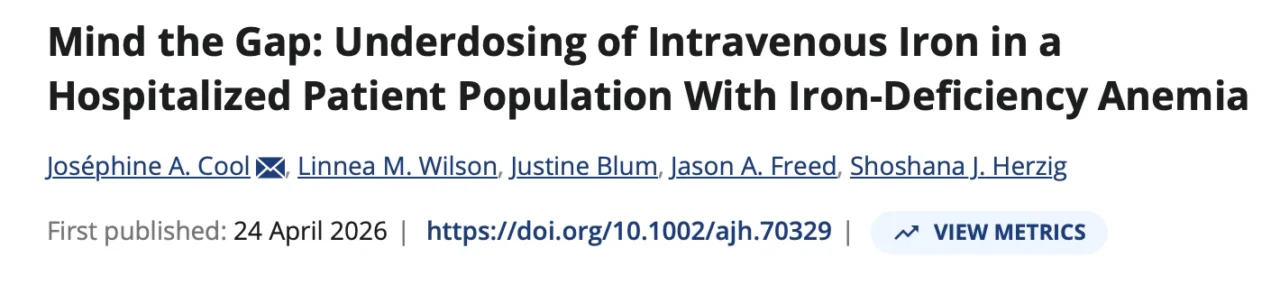
Title: Mind the Gap: Underdosing of Intravenous Iron in a Hospitalized Patient Population With Iron-Deficiency Anemia
Authors: Joséphine A. Cool, Linnea M. Wilson, Justine Blum, Jason A. Freed, Shoshana J. Herzig
Stay updated on all scientific advances with Hemostasis Today.
-
Sep 25, 2026, 13:32Gevorg Yaghjyan: Low Drug Levels, Higher Cardiovascular Risk in Lupus
-
Sep 25, 2026, 12:53Bastu Odoka: What Happened to Blood Donation?
-
Sep 25, 2026, 12:43Thomas Dayspring: Reshaping the Biology of Atherosclerotic Plaques with New Therapies
-
Sep 25, 2026, 12:14Garima Sharma: Community Clinical Linkages for Better Postpartum Cardiovascular Care
-
Sep 25, 2026, 10:49Shefina S: From Presenting to Hosting at TRANSCON 2026
-
Sep 25, 2026, 10:37Michelle Leona Cecil: Hemophilia Advocacy and the Power of Community
-
Sep 25, 2026, 10:13Michael Baria: Platelet Concentration and PRP Outcomes in Partial Rotator Cuff Tears
-
Sep 25, 2026, 09:49Haley Coleman: Volunteering to Support Hemophilia Awareness
-
Sep 25, 2026, 08:55Hitarth Mehta: BHMS Students Gain Practical Exposure to Haemophilia Diagnosis