

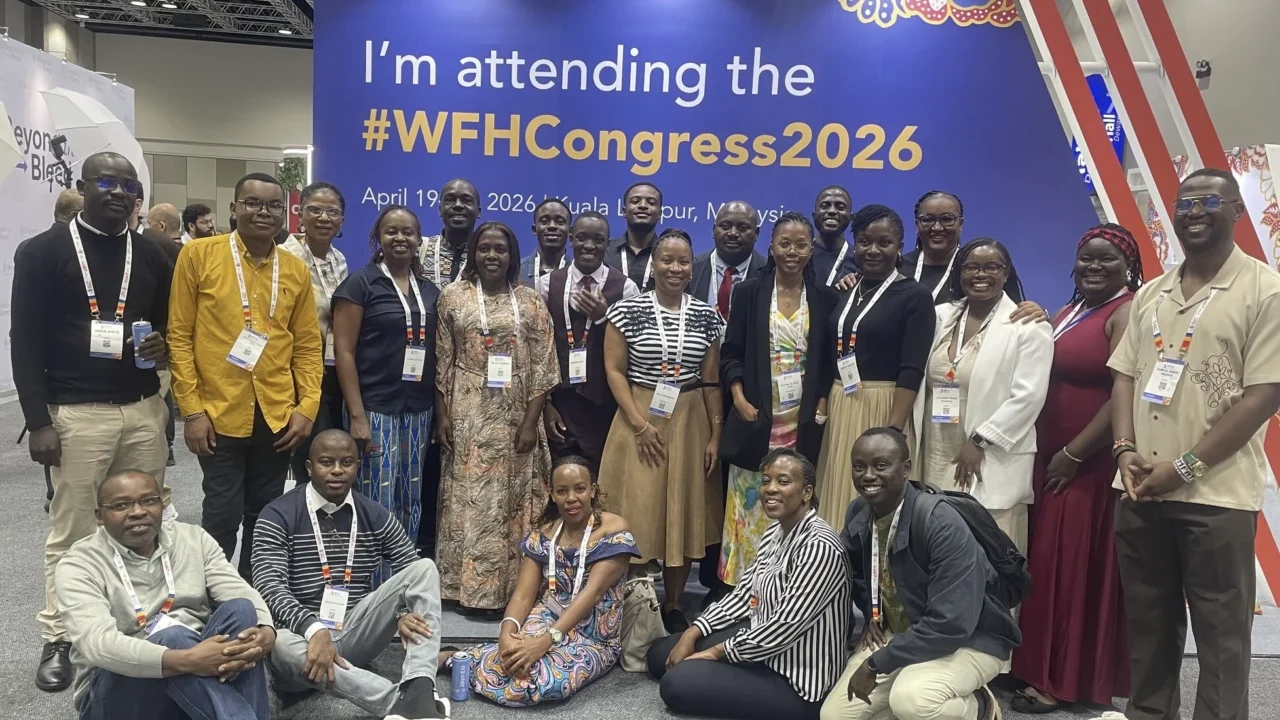
Mbunya. S. Misiani: From the WFH Congress to Meaningful Change for Patients with Bleeding Disorders Worldwide
Mbunya. S. Misiani, Principal Consultant at Dr Mbunya Health and Leadership Consultancy, shared on LinkedIn:
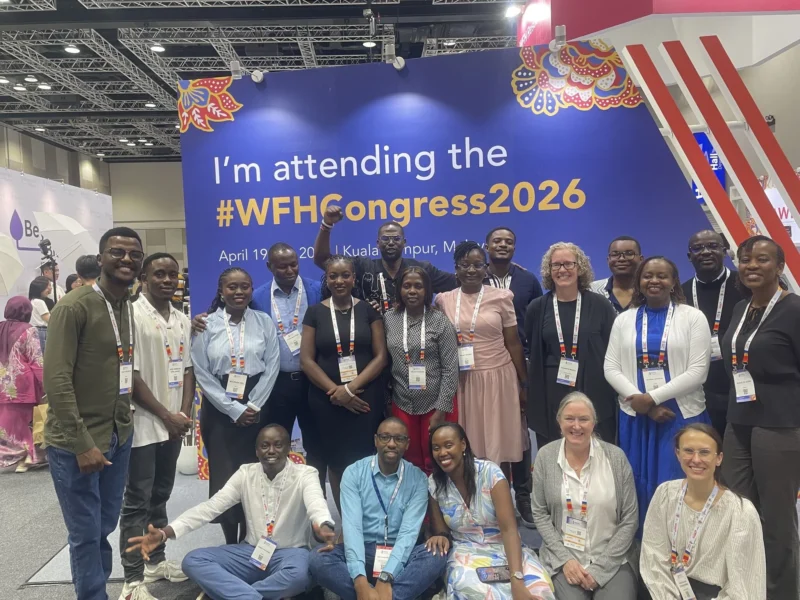
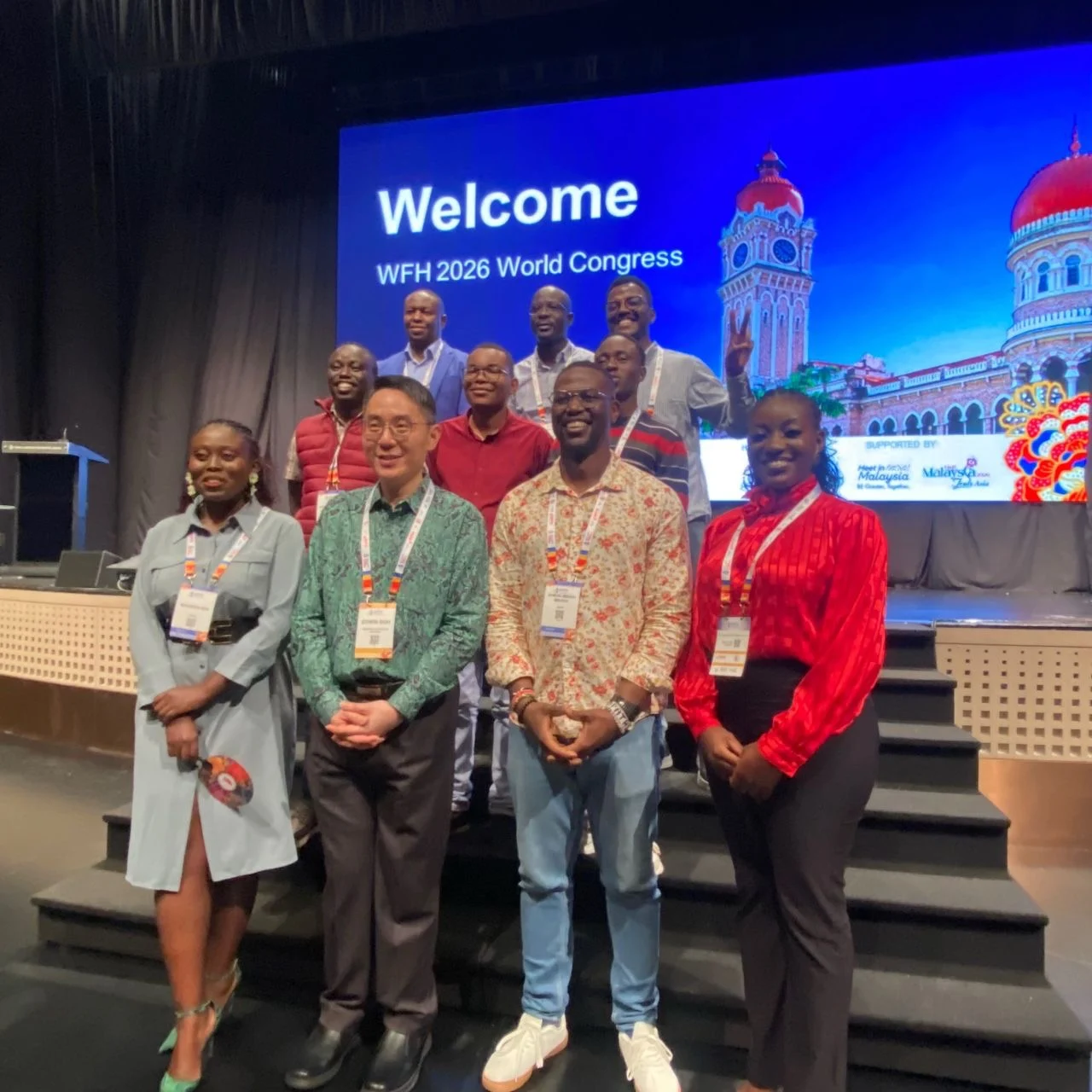
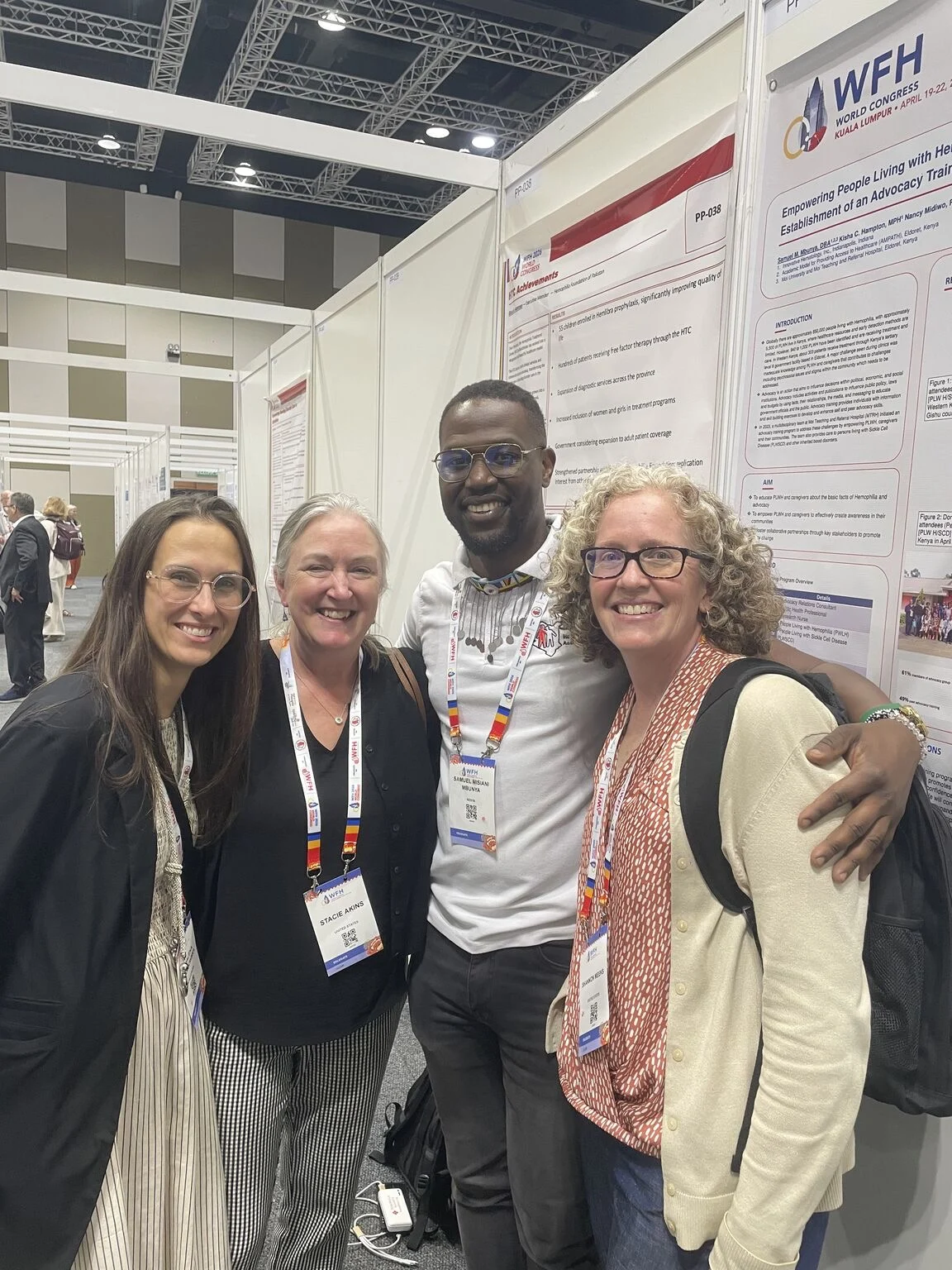
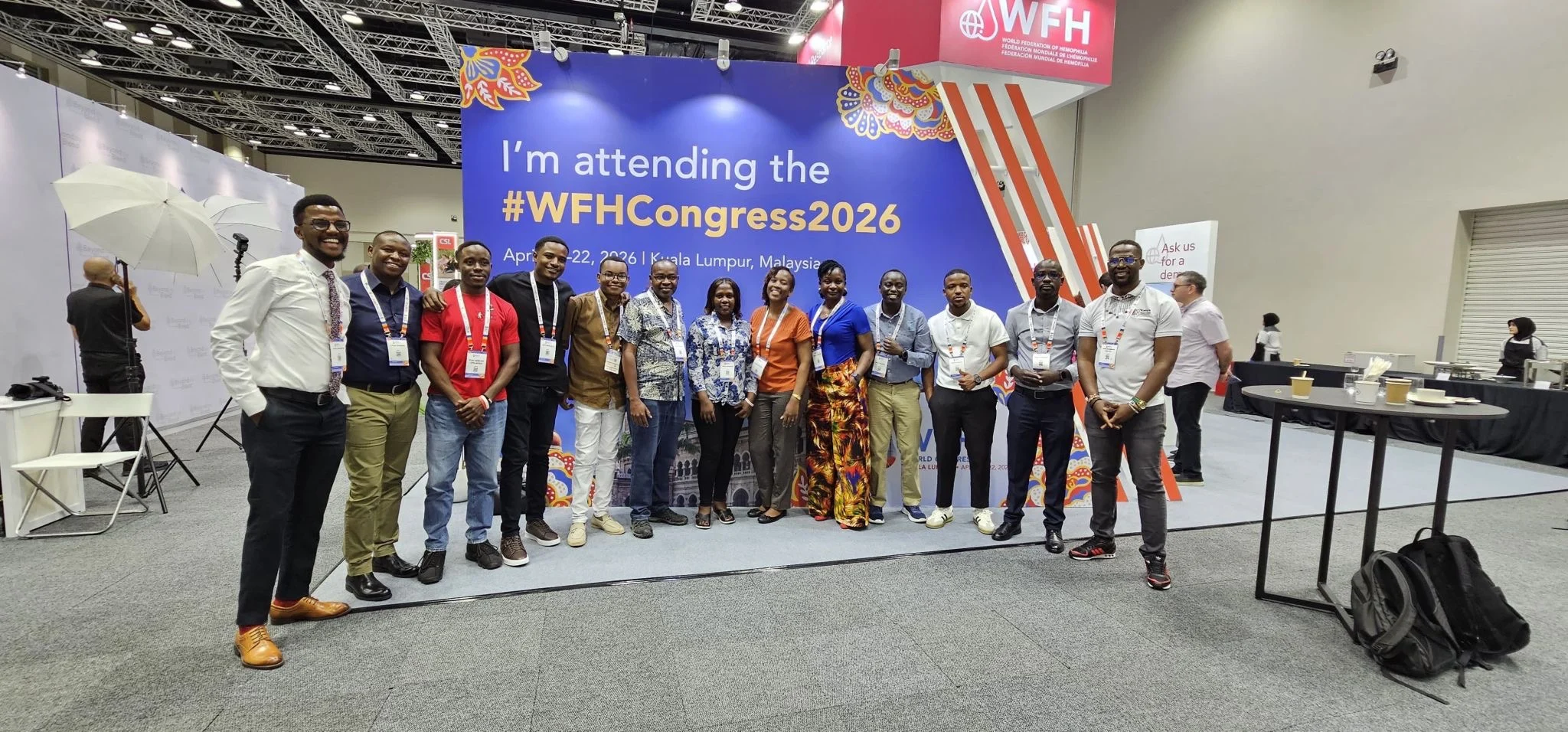
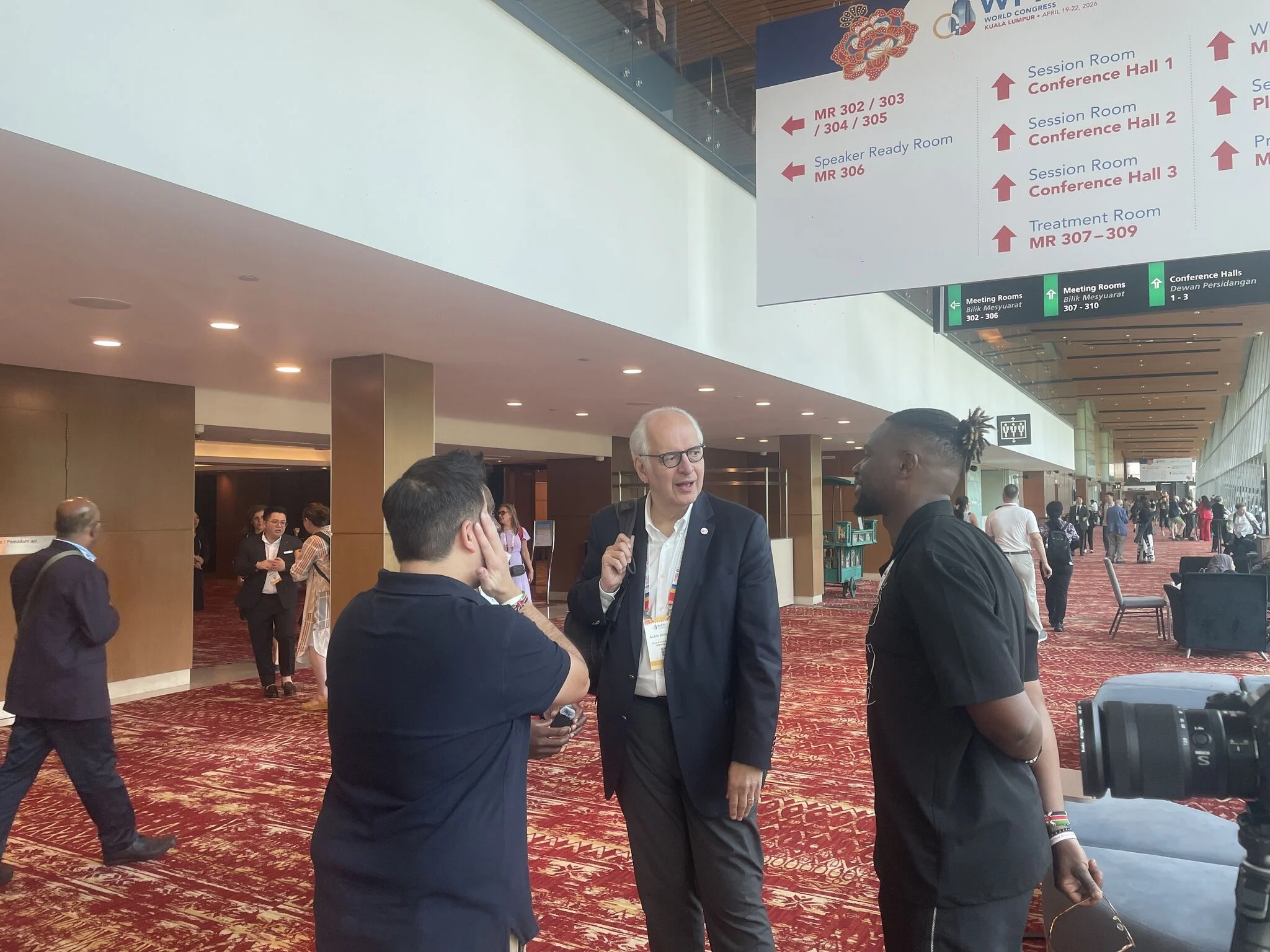
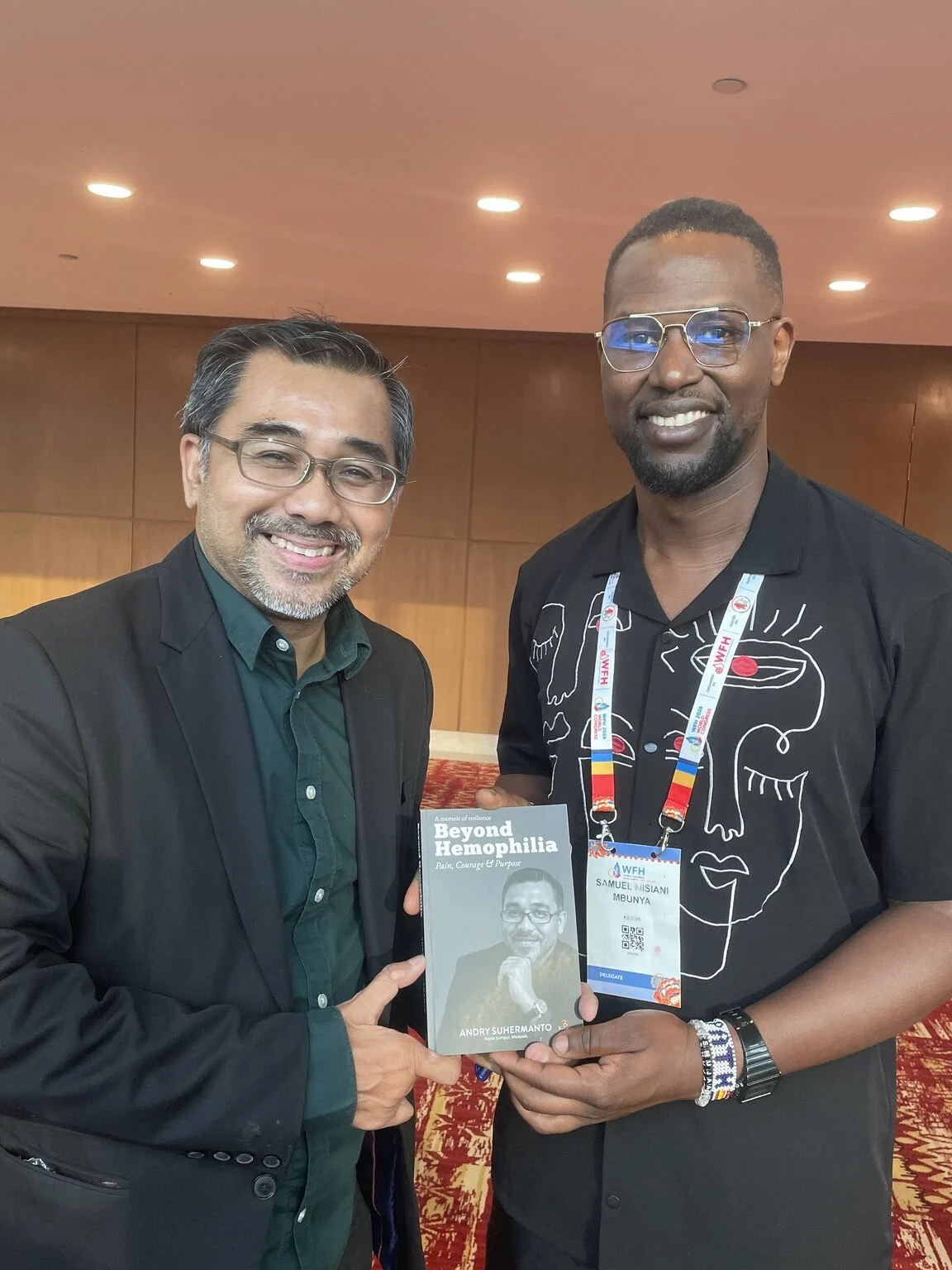
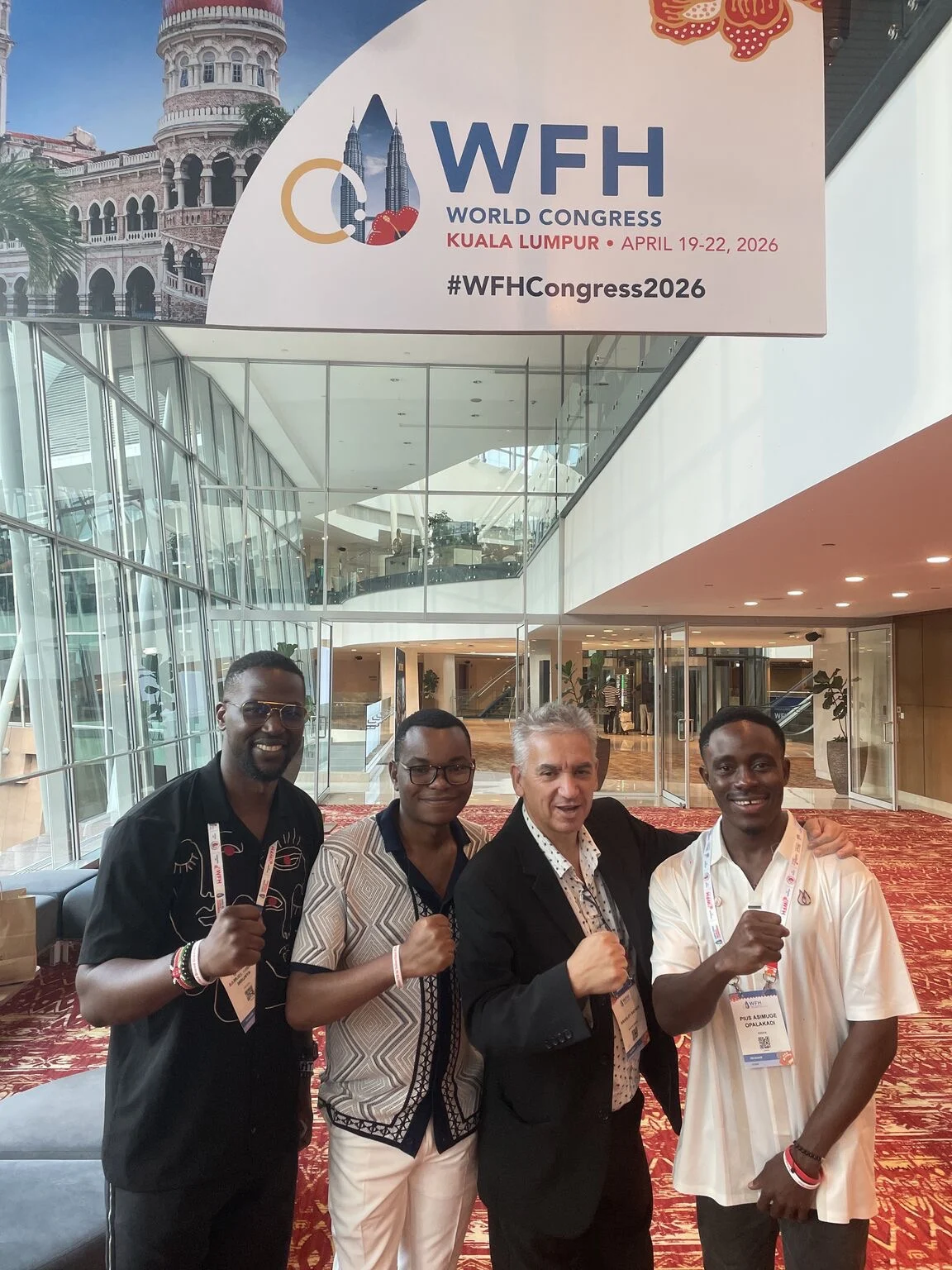
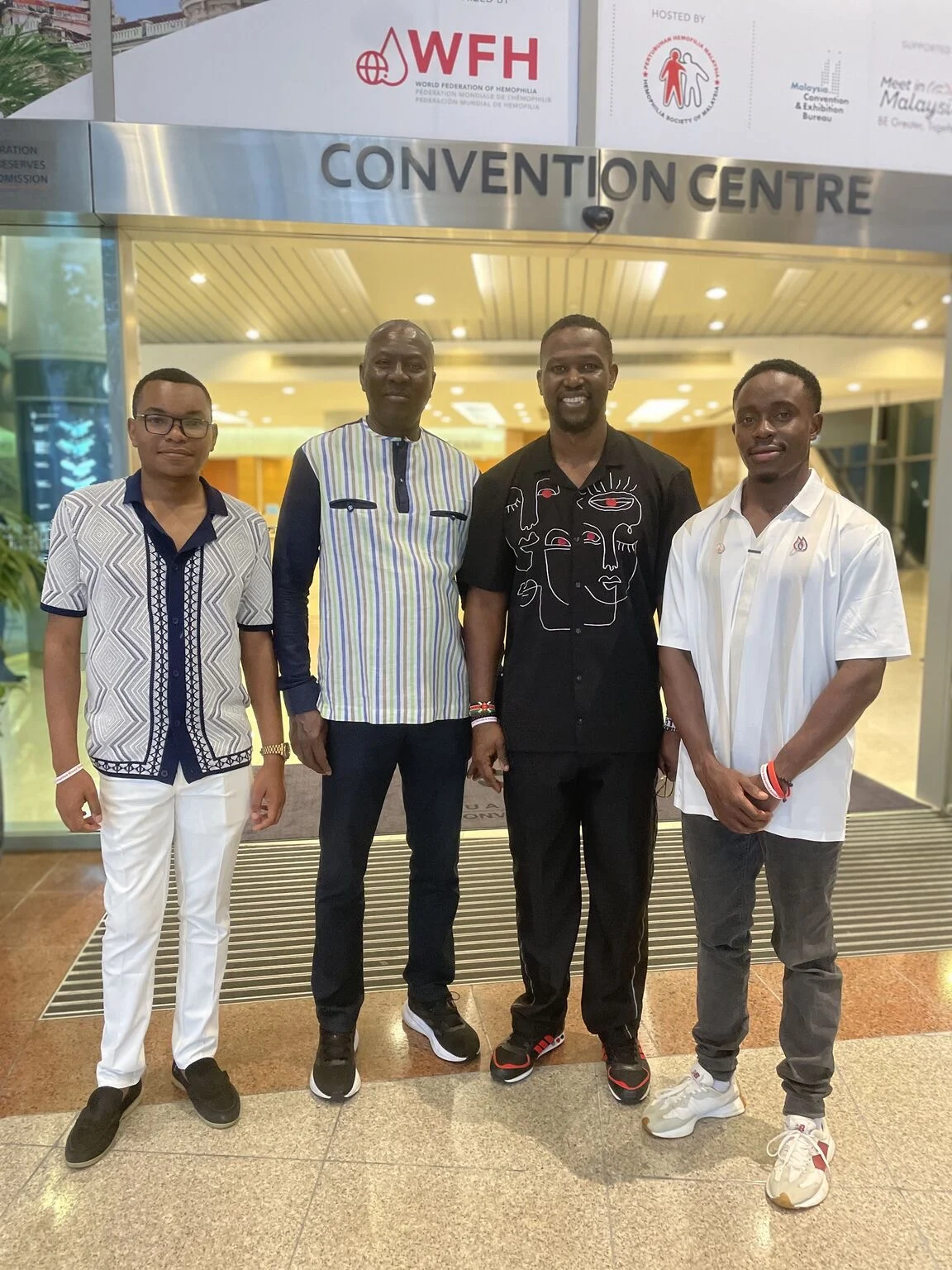
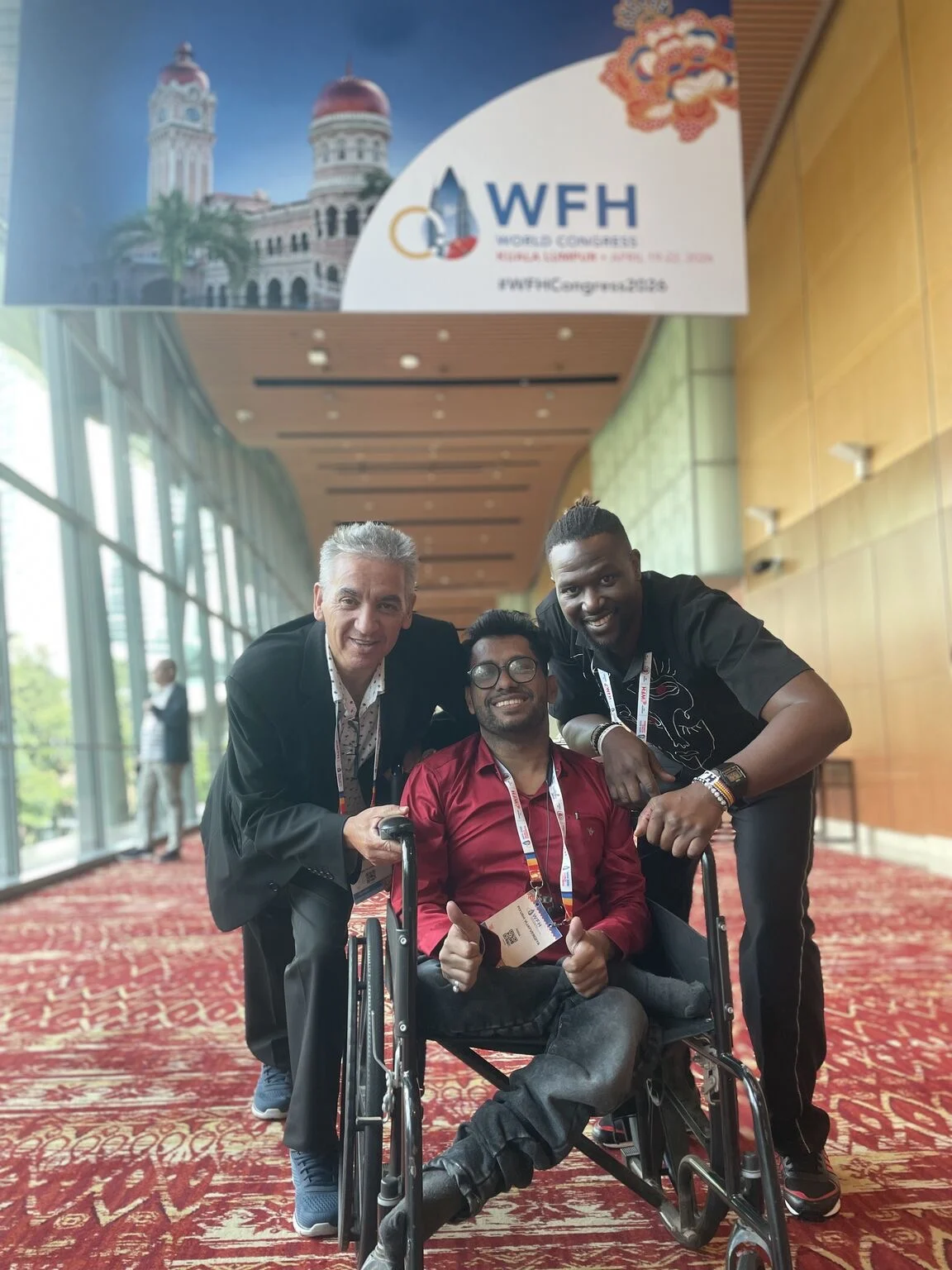
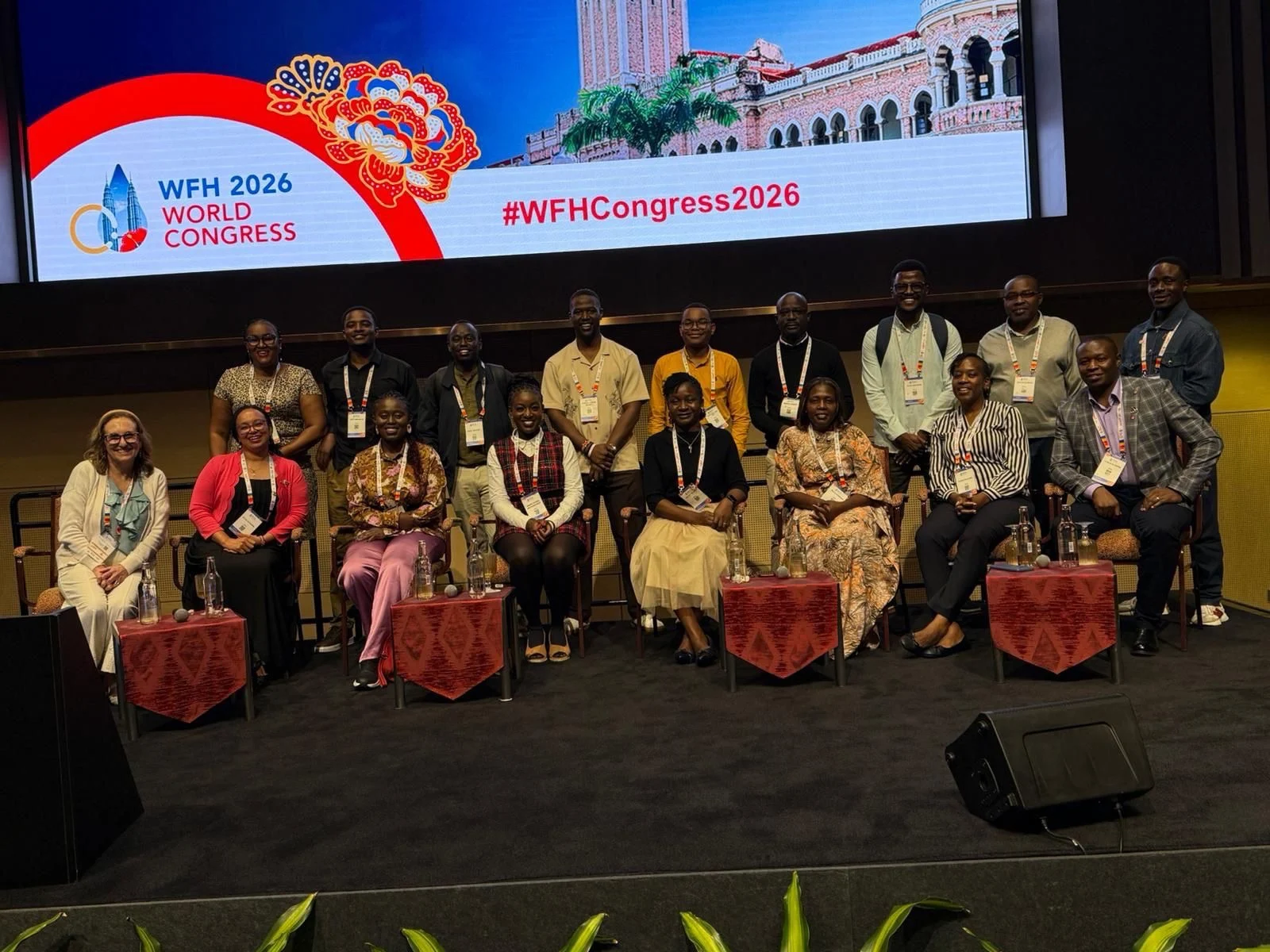
”A bit of a late post: Honored and privileged to have attended my 3rd Congress of the World Federation of Hemophilia (WFH),an extraordinary global gathering that brought together patients, healthcare professionals, researchers, policymakers, industry partners, and advocates committed to improving the lives of people living with bleeding disorders.
The congress provided a unique platform to engage with the latest advancements in hemophilia care, gene therapies, diagnostics, comprehensive care models, data systems, and patient-centered approaches that are transforming outcomes across the world.
It was also a valuable opportunity to contribute to scientific discourse through abstract presentations and knowledge exchange with colleagues from different regions.
One of the most impactful experiences was walking alongside patients, families, and advocates from around the globe.
These moments served as a powerful reminder that behind every scientific breakthrough and policy discussion are individuals and families whose lives are directly affected by bleeding disorders.
Their stories of resilience, courage, and hope continue to inspire our collective efforts.
As an African healthcare professional and advocate, I left the congress with a strong conviction that Africa must be an active participant and beneficiary of the remarkable progress being made globally.
While significant advances have been achieved in diagnosis, treatment, and comprehensive care, many individuals across Africa still face challenges related to delayed diagnosis, limited access to treatment, inadequate laboratory services, and shortages of specialized healthcare personnel.
The future of bleeding disorder care must include equitable access to innovations, strengthened healthcare systems, investment in local capacity building, improved laboratory infrastructure, expanded screening programs, robust patient registries, and sustainable partnerships that address the unique needs of African communities.
We must work collectively to ensure that no patient is left behind simply because of where they were born.
The knowledge, partnerships, and experiences gained from this congress will undoubtedly contribute to ongoing efforts to improve patient care, strengthen advocacy initiatives, support research, and expand educational opportunities across Africa.
By working together, we can build a future where every person living with a bleeding disorder has access to timely diagnosis, quality care, and the opportunity to live a full and productive life.
My sincere gratitude to the World Federation of Hemophilia, fellow delegates, patients, colleagues, and partners who continue to champion this important mission.
The conversations did not end with the congress—they must translate into action, collaboration, and measurable impact for patients worldwide, especially in underserved regions.”
Stay updated with Hemostasis Today.
-
Oct 26, 2026, 16:40Elena Torre: Rethinking Iron Management in Polycythemia Vera
-
Oct 26, 2026, 16:31Tara King: Building Connections in Transfusion Medicine at AABB
-
Oct 26, 2026, 16:16Wendy Jean Schell: How Genetics and Supplements May Influence Bleeding Risk
-
Oct 26, 2026, 15:37Sally Mandour: Lupus Anticoagulant-The Tree Key Diagnostic Criteria
-
Oct 26, 2026, 15:37Aryabhatta Sadhu: Intrauterine Red-Cell and Platelet Transfusion in Fetal Medicine
-
Oct 26, 2026, 15:25Christine Tunkl: Telestroke – Expanding Access to Evidence-Based Stroke Care
-
Oct 26, 2026, 15:13Heghine Khachatryan: Approaching Thrombocytopenia Through Mechanism and Clinical Context
-
Oct 26, 2026, 15:03Quentin Eichbaum։ AABB 2026 Annual Meeting Personal Highlights
-
Oct 26, 2026, 14:57A Father’s Marathon Journey Inspired by His Son – National Bleeding Disorders Foundation