

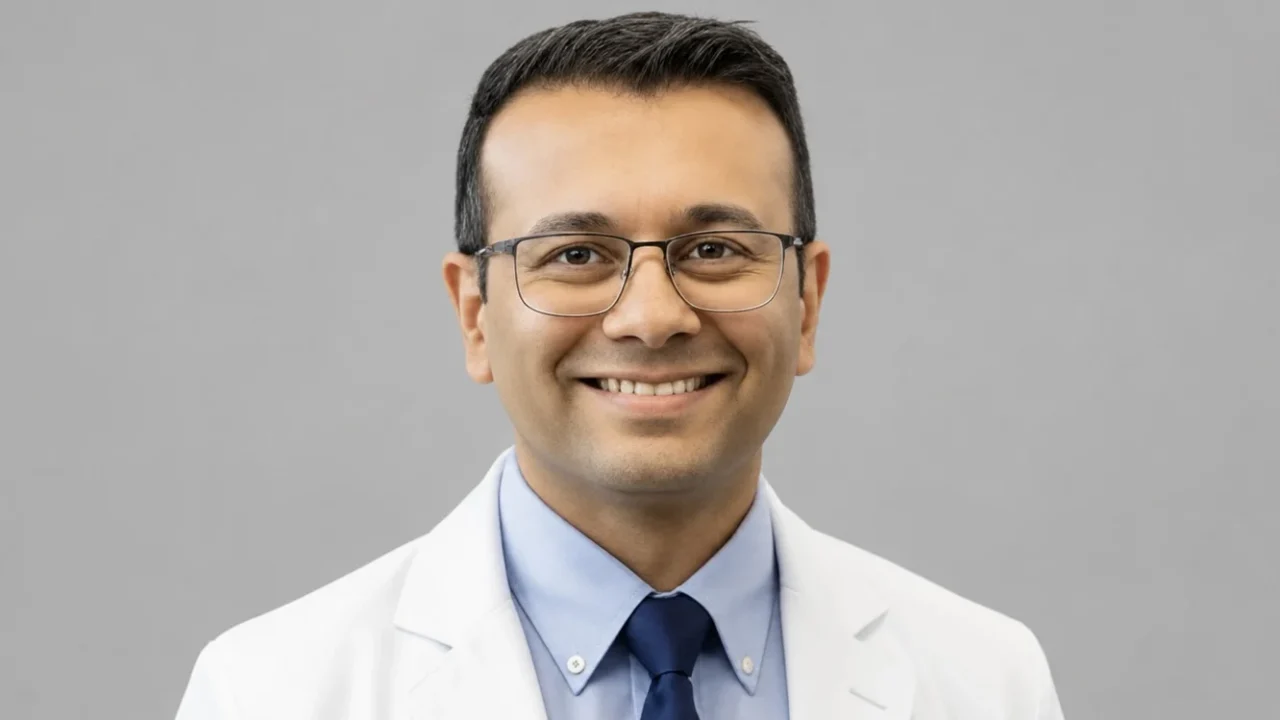
Mohit Koladia: The Pharmacist’s Role in Stroke Prevention for Atrial Fibrillation
Mohit Koladia, Clinical Pharmacist (Additional Prescribing Authority) at Costco Wholesale Canada, shared a post on LinkedIn:
“‘My heart was going fast and irregular. They diagnosed me with AFib and want to put me on a blood thinner. Is that really necessary?’
Yes – and this is one of the most important conversations a pharmacist can have with a patient.
Stroke prevention in atrial fibrillation is one area in medicine where we have incredibly strong evidence, yet it’s still underused.
A good chat at the pharmacy counter can make a huge difference in whether patients actually stick with therapy long-term.
Here’s the practical framework I use:
Why anticoagulation matters in AFib
- AFib increases stroke risk about 5-fold.
- Those strokes tend to be more severe, more often fatal, or leave people with major disability.
- Anticoagulation cuts that stroke risk by roughly 64% — one of the most effective preventive treatments we have in cardiology.
Stroke risk – Use CHA₂DS₂-VASc
- Congestive heart failure (1)
- Hypertension (1)
- Age ≥75 (2)
- Diabetes (1)
- Prior Stroke and TIA (2)
- Vascular disease (1)
- Age 65–74 (1)
- Female sex (1)
Canadian guidelines:
- Men with a score of at least 2 or women with a score of at least 3: anticoagulation is strongly recommended.
- Lower scores: have an individualized conversation.
- Zero or very low: usually no need.
DOACs vs Warfarin
In non-valvular AFib, DOACs (apixaban, rivaroxaban, dabigatran, edoxaban) are now preferred over warfarin for most patients – easier, no routine INR monitoring, and generally safer.
Warfarin is still required for mechanical heart valves or significant mitral stenosis.
Quick practical picks:
- Apixaban – often my go-to for elderly, low-weight, or high bleeding-risk patients (lowest GI bleed risk among DOACs).
- Rivaroxaban – once daily with food (convenience win).
- Dabigatran – only one with a specific reversal agent.
- Edoxaban – once daily, but watch very high kidney function.
Bleeding risk (HAS-BLED)
We always assess this, but a high score doesn’t automatically mean ‘no anticoagulation.’ It means fix what you can – control blood pressure, avoid unnecessary NSAIDs and antiplatelets, cut back on heavy drinking, etc.
What I tell patients
‘This medication is here to protect you from the specific kind of bad stroke that AFib can cause. The bleeding risk is real but usually much lower than the stroke risk we’re preventing. We can manage it.’
Also cover: hold times before procedures, importance of kidney function checks, and that we don’t need monthly blood tests like with warfarin.
Clinical pearl:
Most patients who push back on blood thinners are scared of bleeding. Our job is to reframe it – an AFib-related stroke isn’t a vague ‘maybe,’ it’s a five-times higher chance of something devastating. The DOAC risk is real but manageable. That conversation at the pharmacy can change everything.
Have you had patients hesitant about starting anticoagulation for AFib?
What approaches have worked for you?”
Stay updated with Hemostasis Today.
-
Oct 6, 2026, 16:43Beth Shirley: Xylitol Consumption Increases Platelet Reactivity and Cardiovascular Risk
-
Oct 6, 2026, 16:37Jared Rice: What Sets the Transfusion Threshold in Anemia of Prematurity?
-
Oct 6, 2026, 16:30Thirunavukkarasu Angappan: Immunoglobulin Decides How Much Plasma Gets Collected
-
Oct 6, 2026, 16:18Gemma Davies: New CMML Research Selected for Presentation at the 68th ASH Annual Meeting
-
Oct 6, 2026, 16:03Professor Csongor Kiss Receives the Kálmán Laki Prize – Hungarian Society of Thrombosis and Haemostasis
-
Oct 6, 2026, 15:52Mark Kheifets: A Massive Stent Thrombosis Requiring Aspiration Thrombectomy
-
Oct 6, 2026, 15:40Joseph Aslan։ Targeting Mitochondrial Permeability Transition To Reduce Platelet Thrombogenicity
-
Oct 6, 2026, 15:36Nominations Open for ISTH Outstanding Mentor Awards – ISTH
-
Oct 6, 2026, 15:17Walaa Obaid: How Warfarin Went From Poison To Medicine