

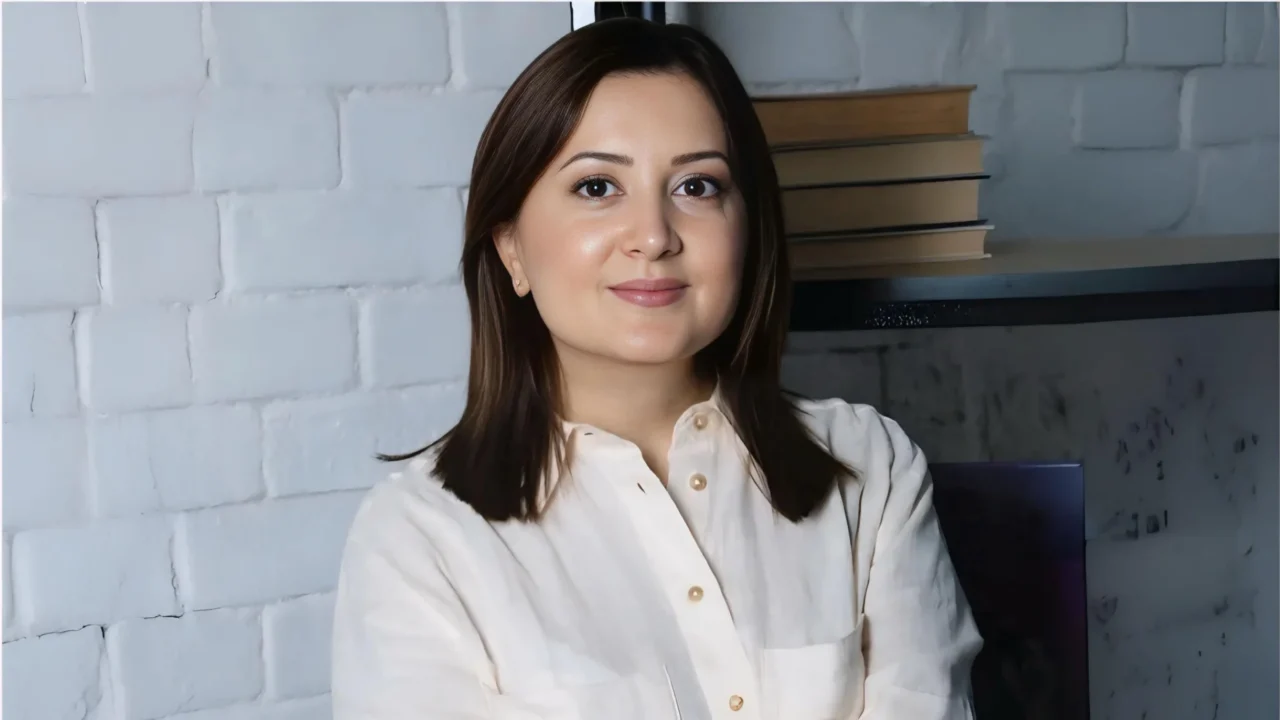
Heghine Khachatryan: Clinical Context at the Core of Thrombosis and Thrombophilia Management
Heghine Khachatryan, Editor-in-Chief of Hemostasis Today, Head of Hemophilia and Thrombosis Center at Yeolyan Hematology and Oncology Center, shared a post on LinkedIn:
“A scientifically enriching day in Yerevan.
Today, the second Scientific Day dedicated to innovation in hematology brought together Armenian specialists for an evidence-based discussion on thrombosis, thrombophilia, antiphospholipid syndrome (APS), and the interpretation of coagulation testing.
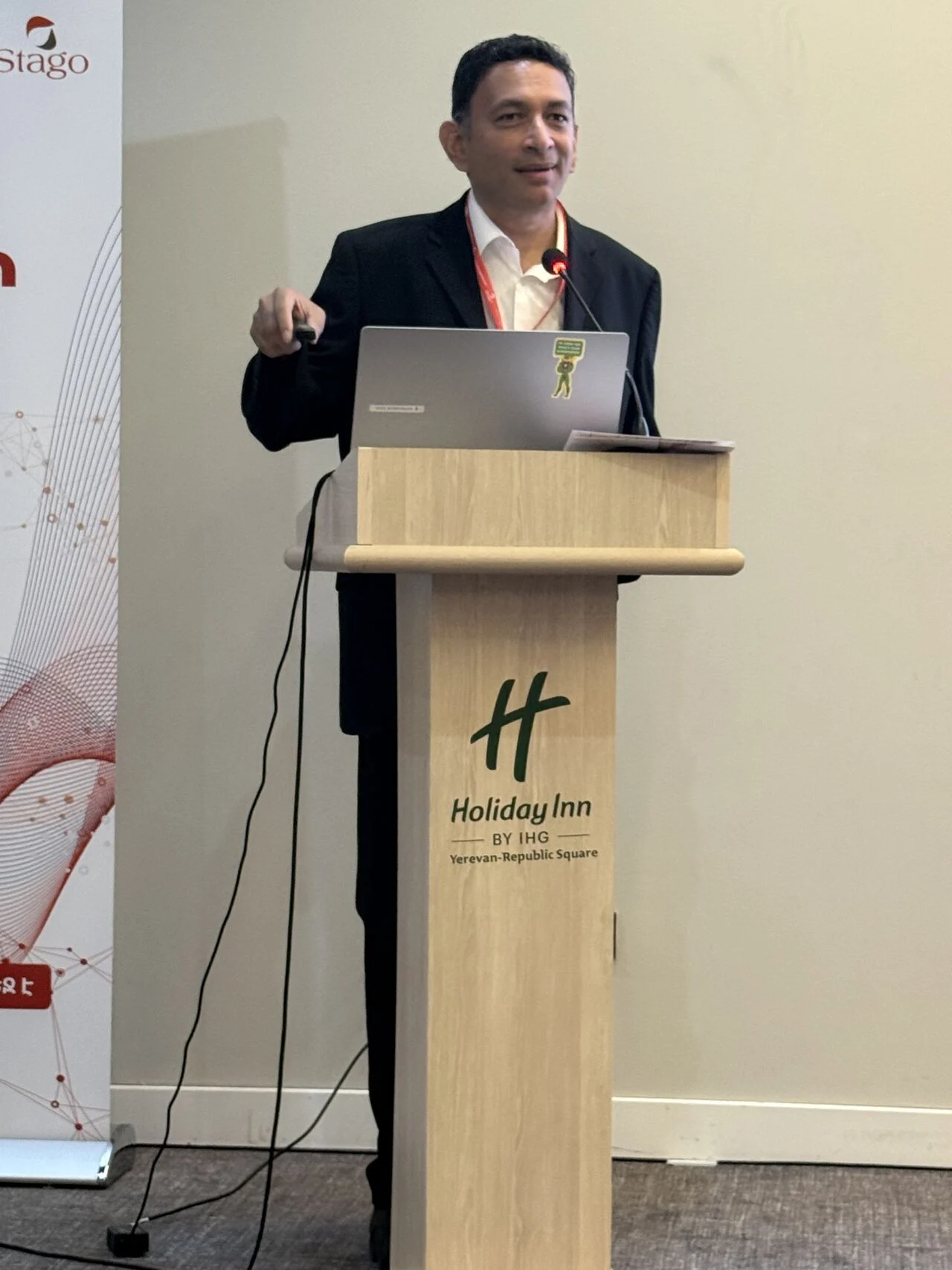
It was a special honour to welcome Professor Jecko Thachil to Yerevan.
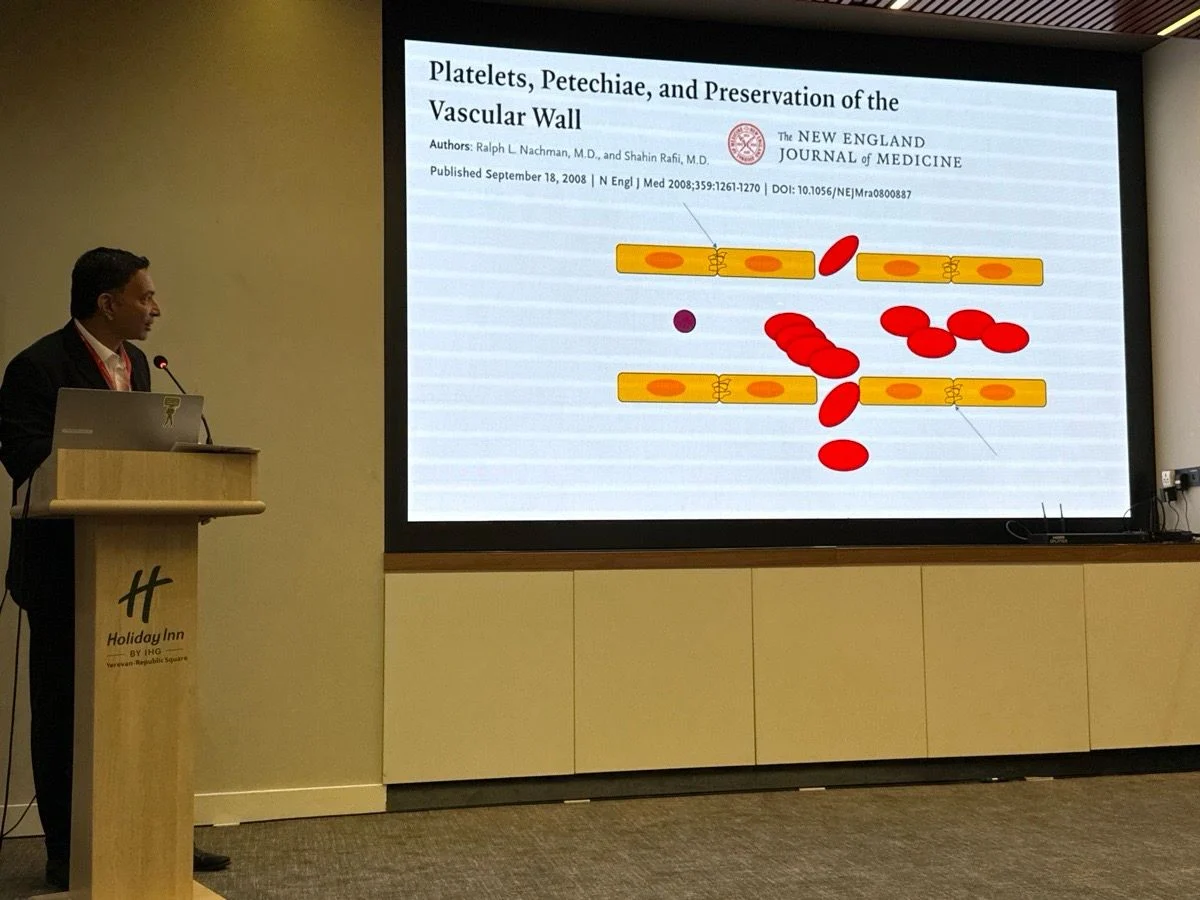
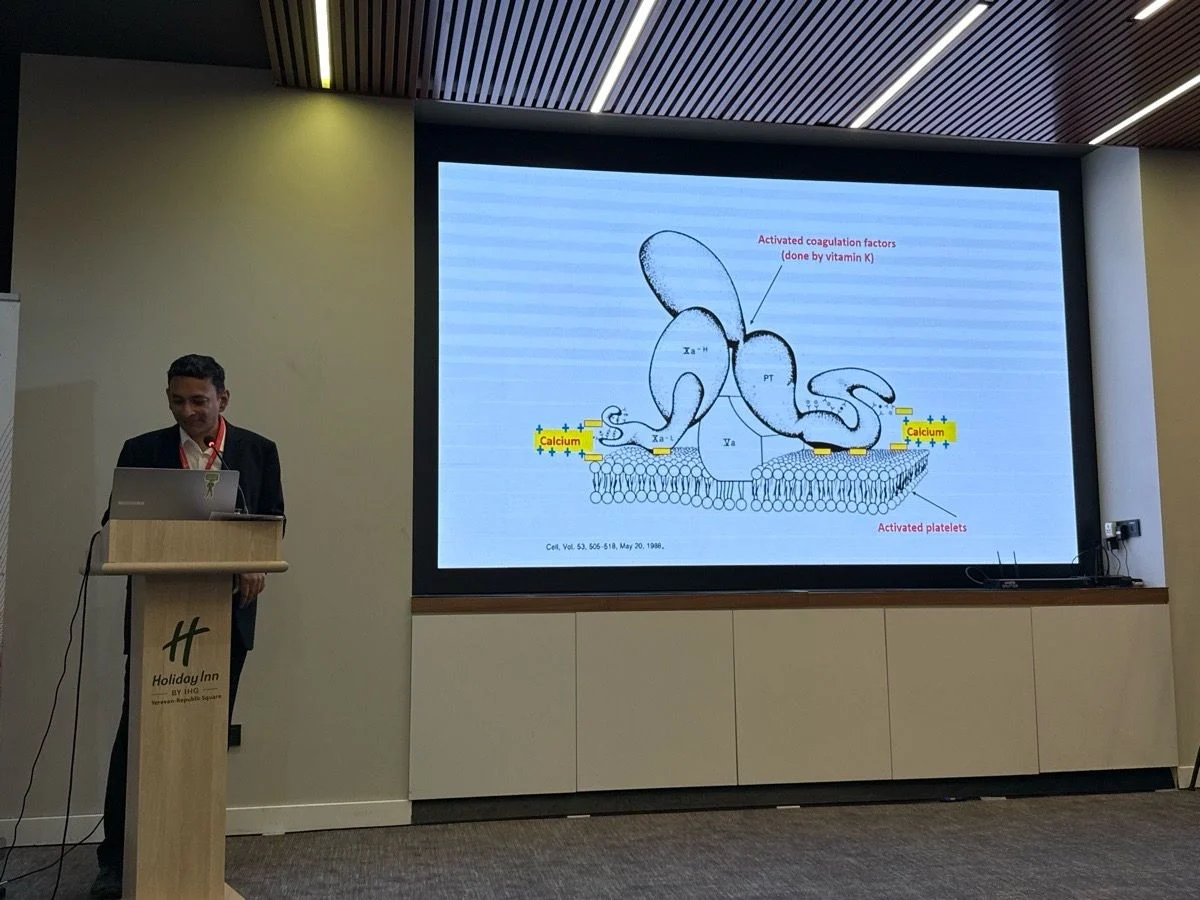
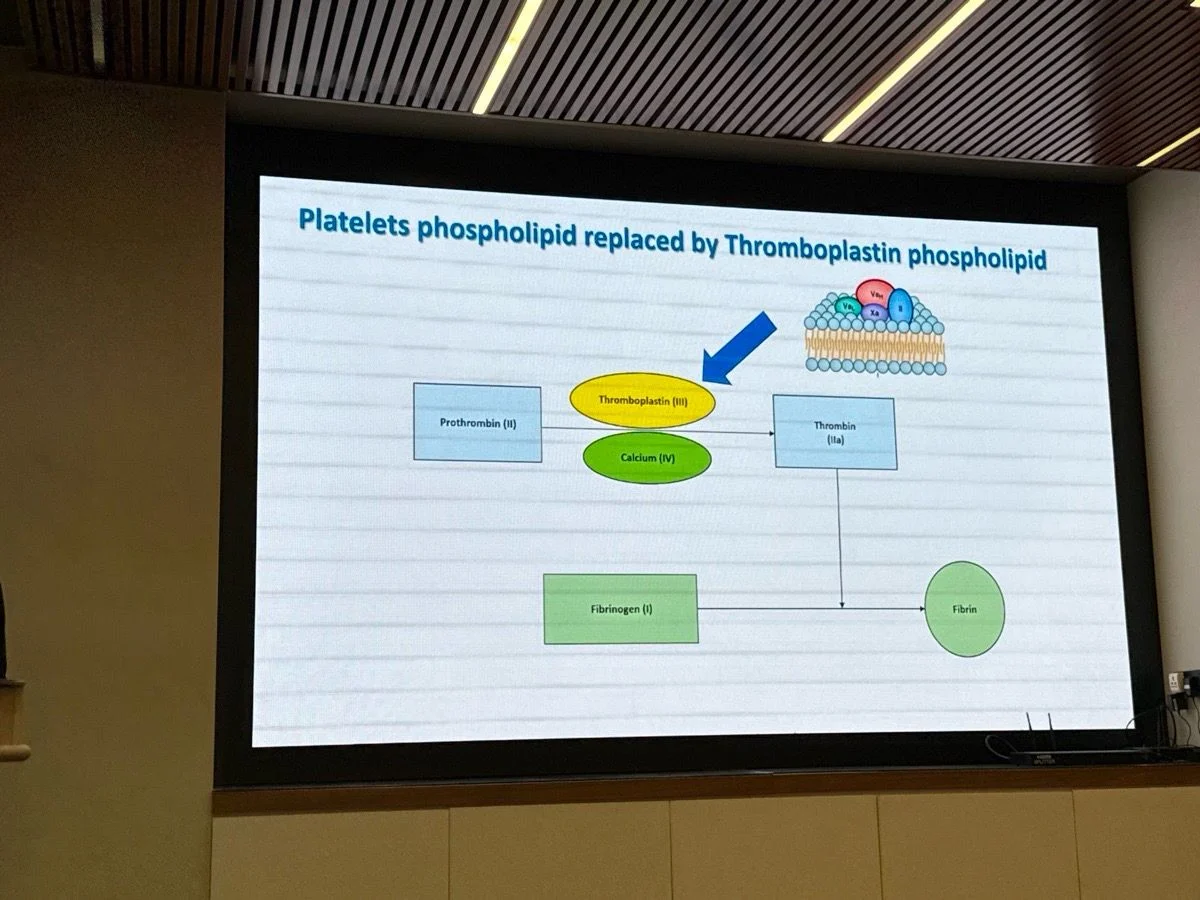
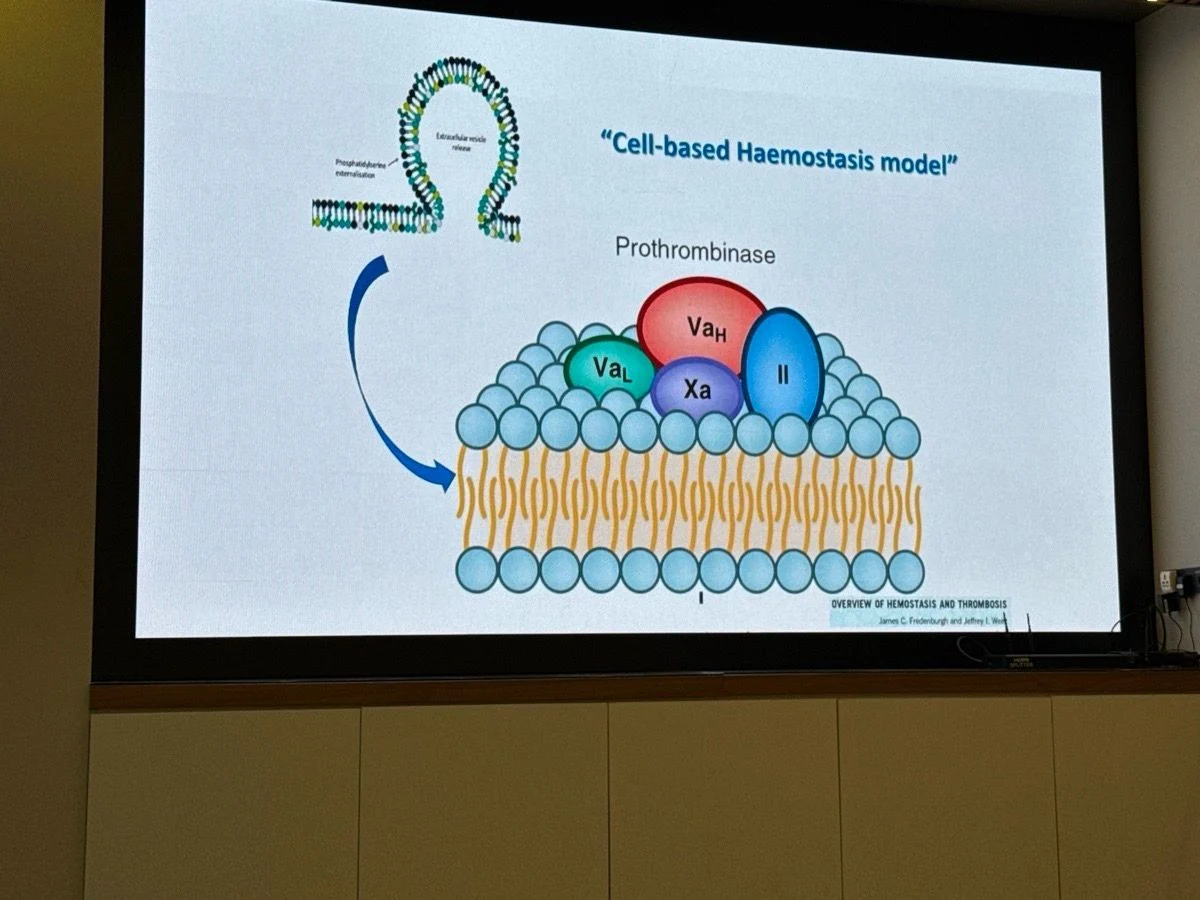
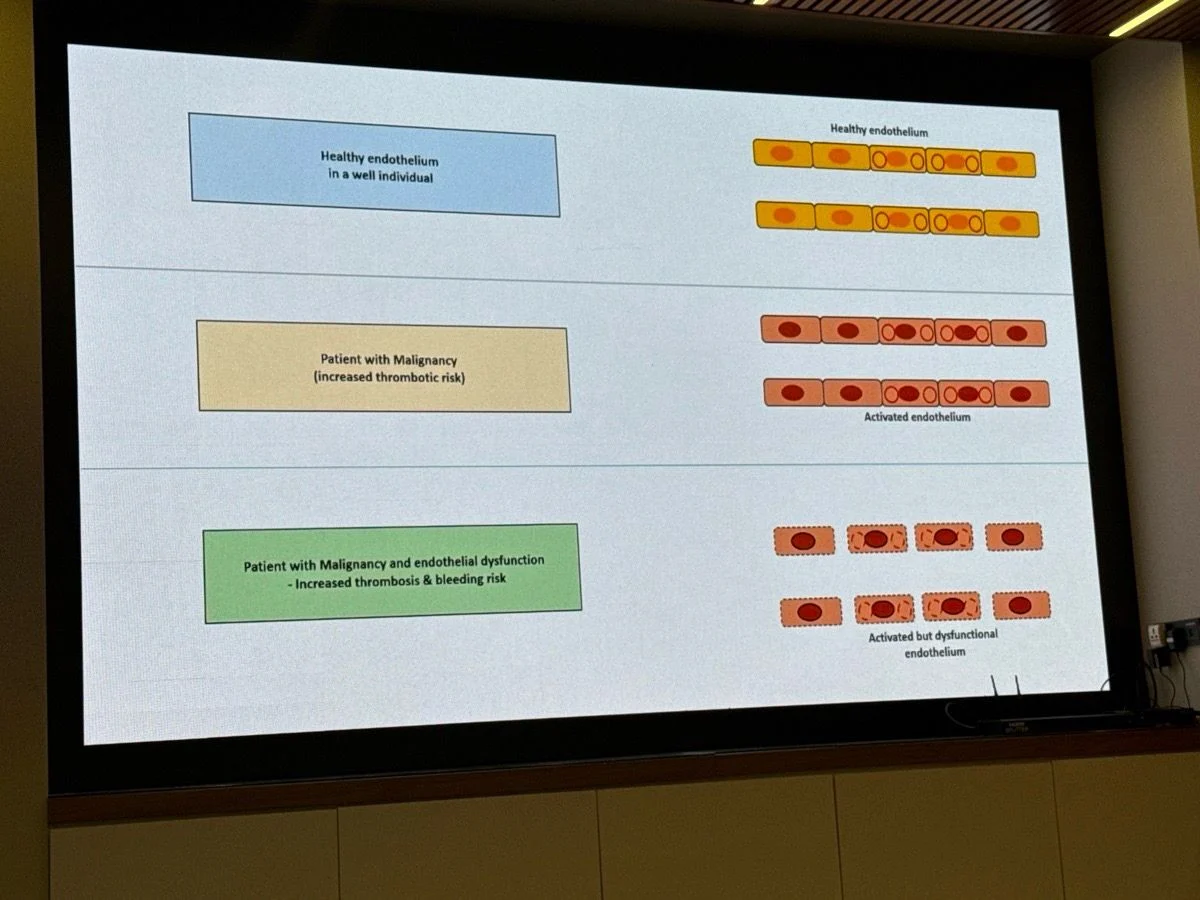
His lecture offered a comprehensive journey from the biological mechanisms of coagulation and natural anticoagulant pathways to some of the most challenging decisions encountered in everyday clinical practice.
A central message was that thrombophilia testing should be selective, appropriately timed, and guided by the clinical context.
More testing does not necessarily mean better care: indiscriminate screening may generate misleading results, unnecessary anxiety, and inappropriate therapeutic decisions.
The real value lies in identifying the patients in whom testing could meaningfully influence the duration of anticoagulation, family counselling, reproductive planning, or the management of thrombosis at unusual sites.
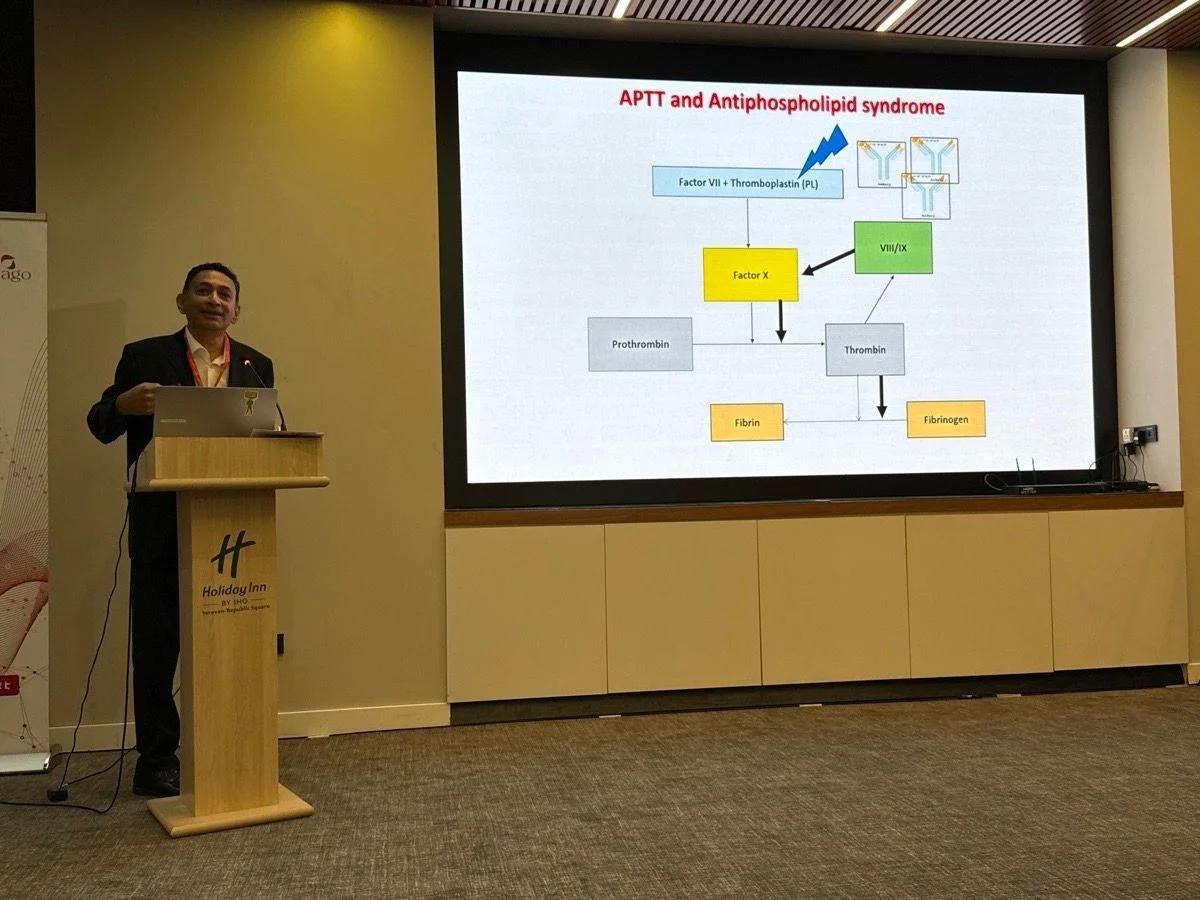
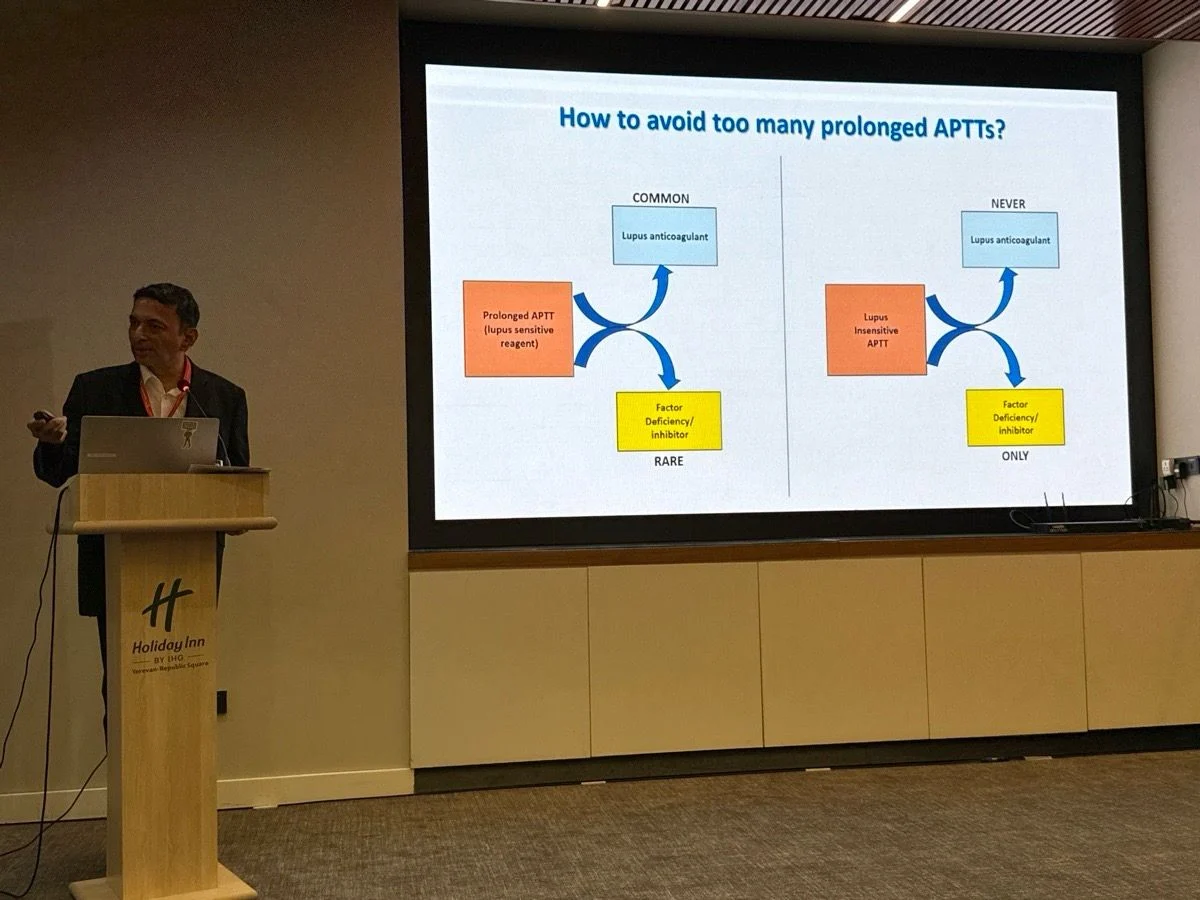
The discussion of APS highlighted another essential principle: laboratory results cannot be interpreted in isolation.
The diagnosis requires careful correlation between the clinical event, the antiphospholipid antibody profile, persistence of positivity, and the potential interference of anticoagulant therapy with laboratory assays.
The lecture also addressed several highly relevant issues in women’s health:
- thrombotic risk associated with combined hormonal contraception;
- why routine thrombophilia screening before prescribing oral contraceptives is generally not recommended;
- when targeted testing may be appropriate in the presence of a strong personal or family history;
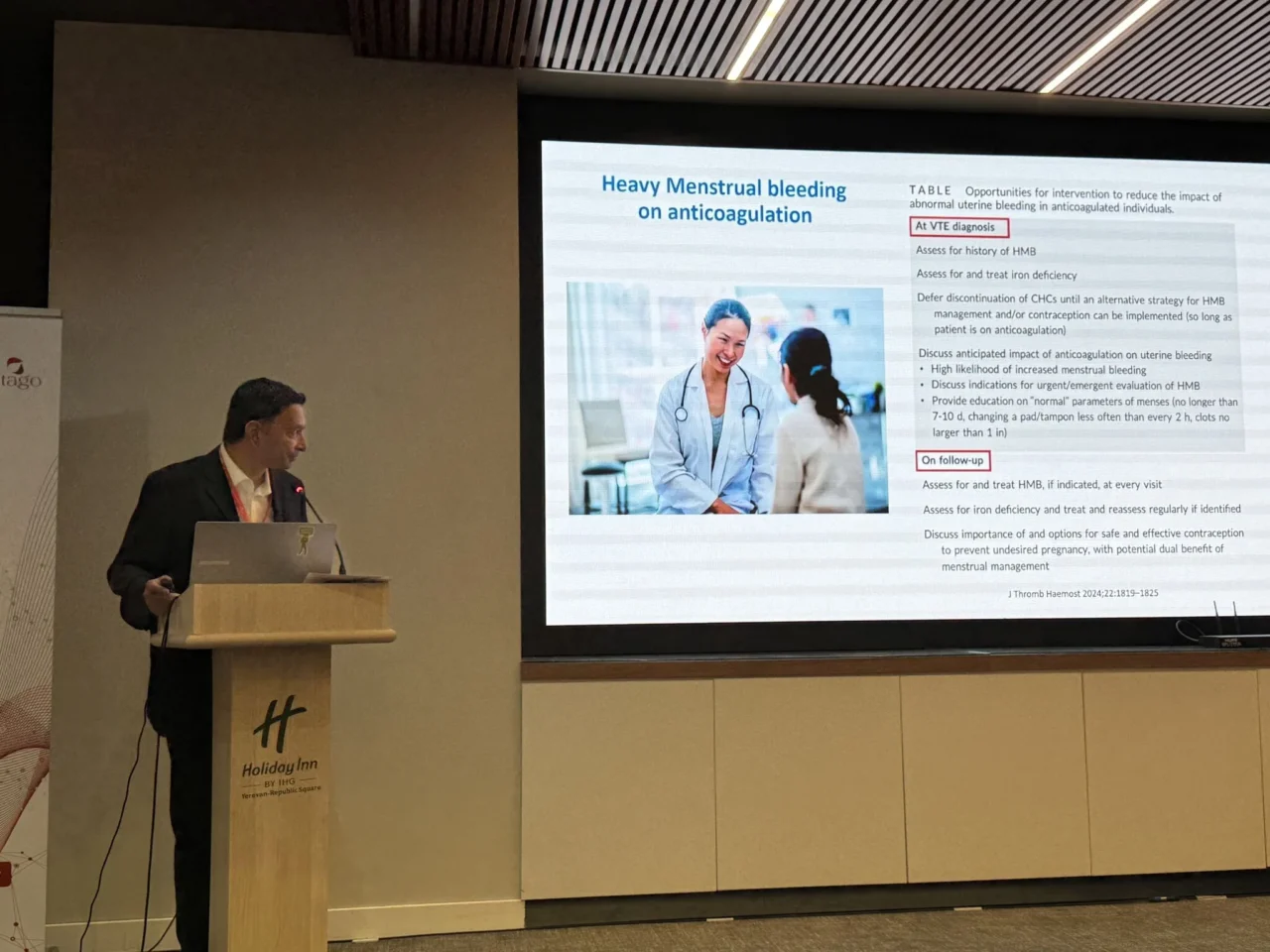
- and the proactive assessment and management of heavy menstrual bleeding and iron deficiency in women receiving anticoagulants.
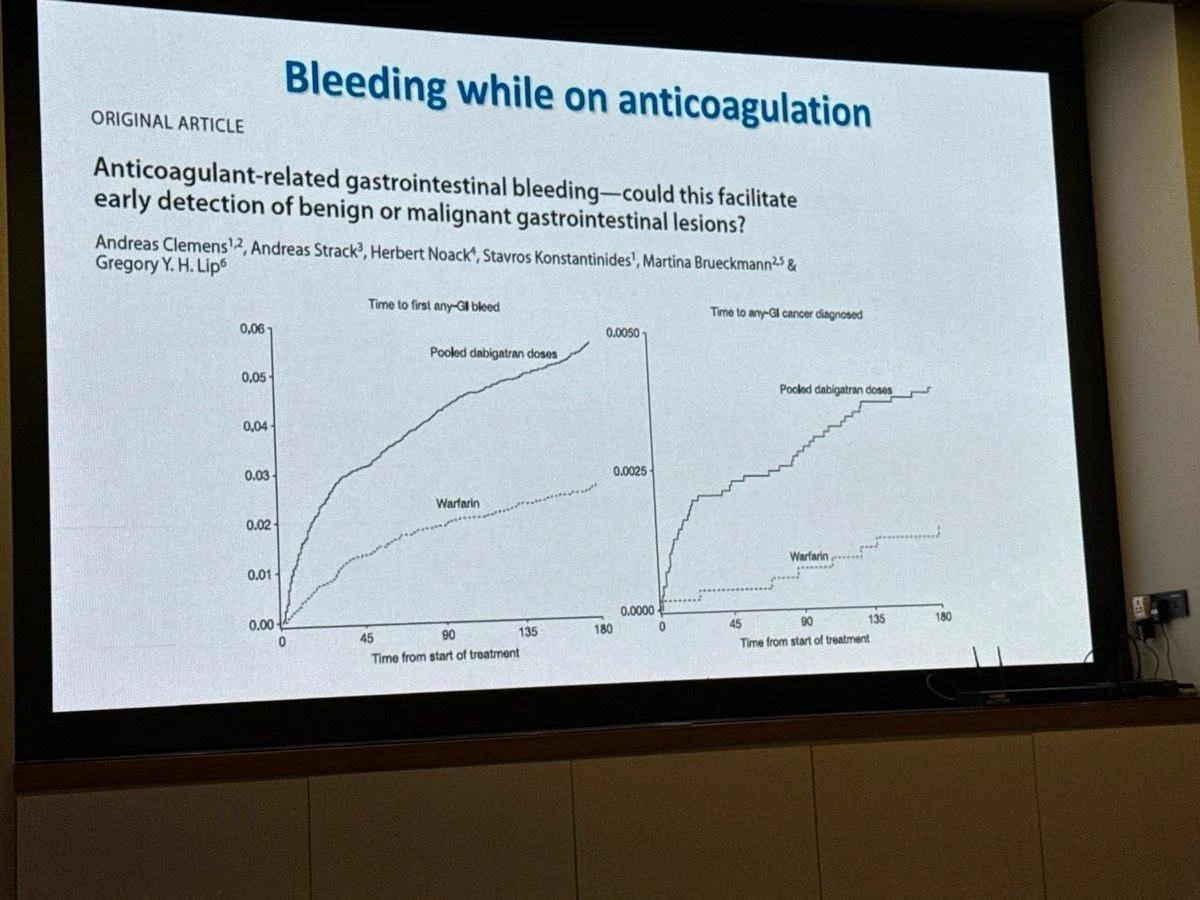
An especially important clinical point was that bleeding during anticoagulant treatment should not automatically be attributed solely to the medication.
In some patients, it may reveal an underlying gynaecological, gastrointestinal, or other pathology that requires further evaluation.
I particularly appreciated Professor Thachil’s ability to connect physiology, laboratory medicine, current evidence, and real-world clinical cases.
The lecture was scientifically rigorous, highly practical, and stimulated a truly valuable exchange of views among colleagues.
Such meetings strengthen clinical reasoning, encourage more rational use of laboratory testing, and help translate scientific evidence into safer, more individualized patient care.
My sincere thanks to Professor Jecko Thachil, the organizers, and all participating colleagues for this memorable scientific meeting in Armenia.”
Other posts featuring Heghine Khachatryan on Hemostasis Today.
-
Sep 17, 2026, 16:30Daria Camilli: Empowering Bleeding Disorder Advocacy Through Health Economics
-
Sep 17, 2026, 16:17Mehran Ghasemzadeh: Platelet NK Cell Crosstalk in Advanced Coronary Artery Disease
-
Sep 17, 2026, 16:16Barbara Adams Krolak: Do GLP-1s Affect Blood Clot Risk?
-
Sep 17, 2026, 15:33Alexandros Makis: When Microcytic Anemia Has an Inherited Cause
-
Sep 17, 2026, 15:22α2-Antiplasmin Inhibition and the Future of Thrombolysis
-
Sep 17, 2026, 15:20Fatma M. Attia: Expanding the Evidence Base for Therapeutic Plasma Exchange Across Multiple Indications
-
Sep 17, 2026, 15:19Conan McIlwrath: The Haemophilia Society Engages With IBCA
-
Sep 17, 2026, 15:06Eleftheria Hatzimichael: A Contemporary Diagnostic Approach to Inherited Microcytic Anemias
-
Sep 17, 2026, 14:51Konstantin Yenkoyan: Emicizumab and the Power of Translational Science