


Heghine Khachatryan: The discussion of Thrombophilia, APS and Coagulation Testing
Heghine Khachatryan, Co-Founder. Chef-in-Editor, Hemostasis Today at Hemostasis Today, shared a post on LinkedIn:
“Thrombophilia, APS and coagulation testing.
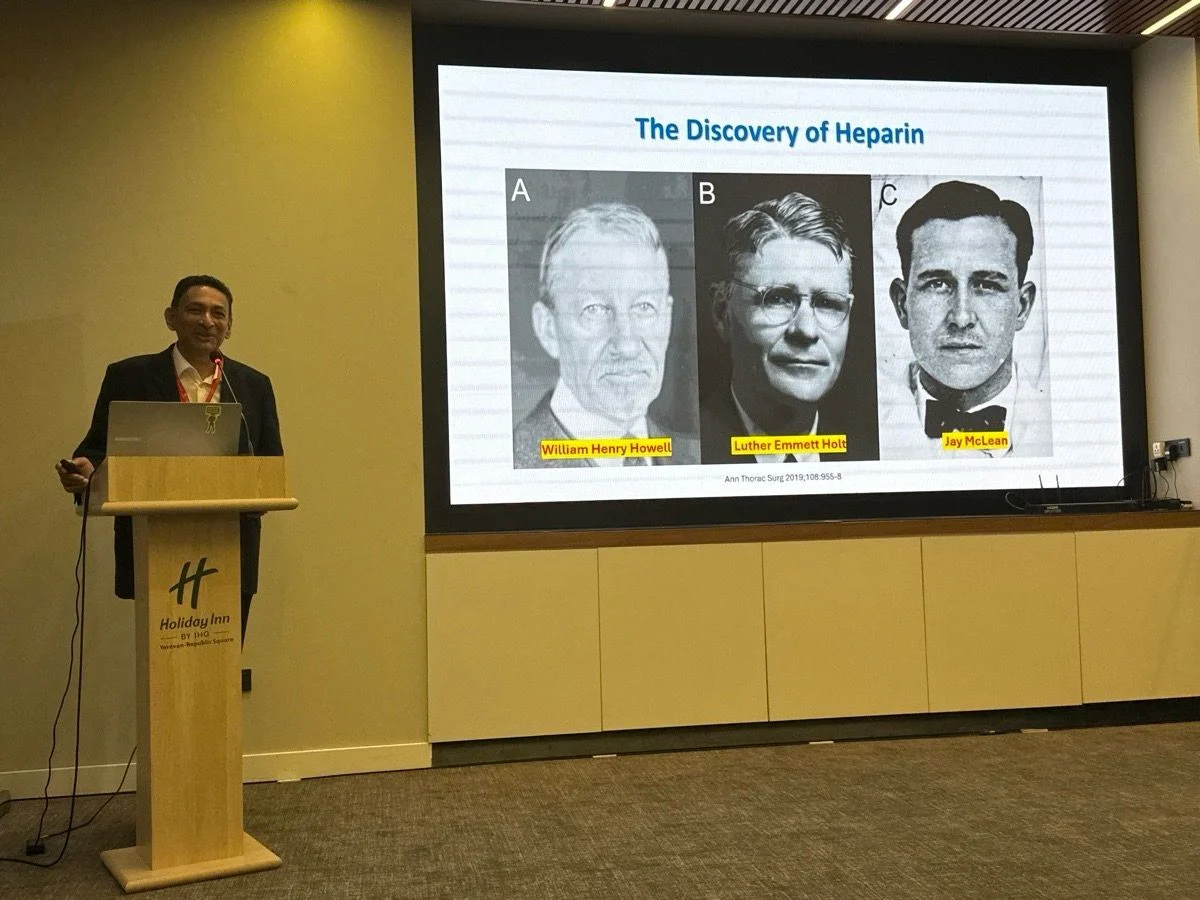
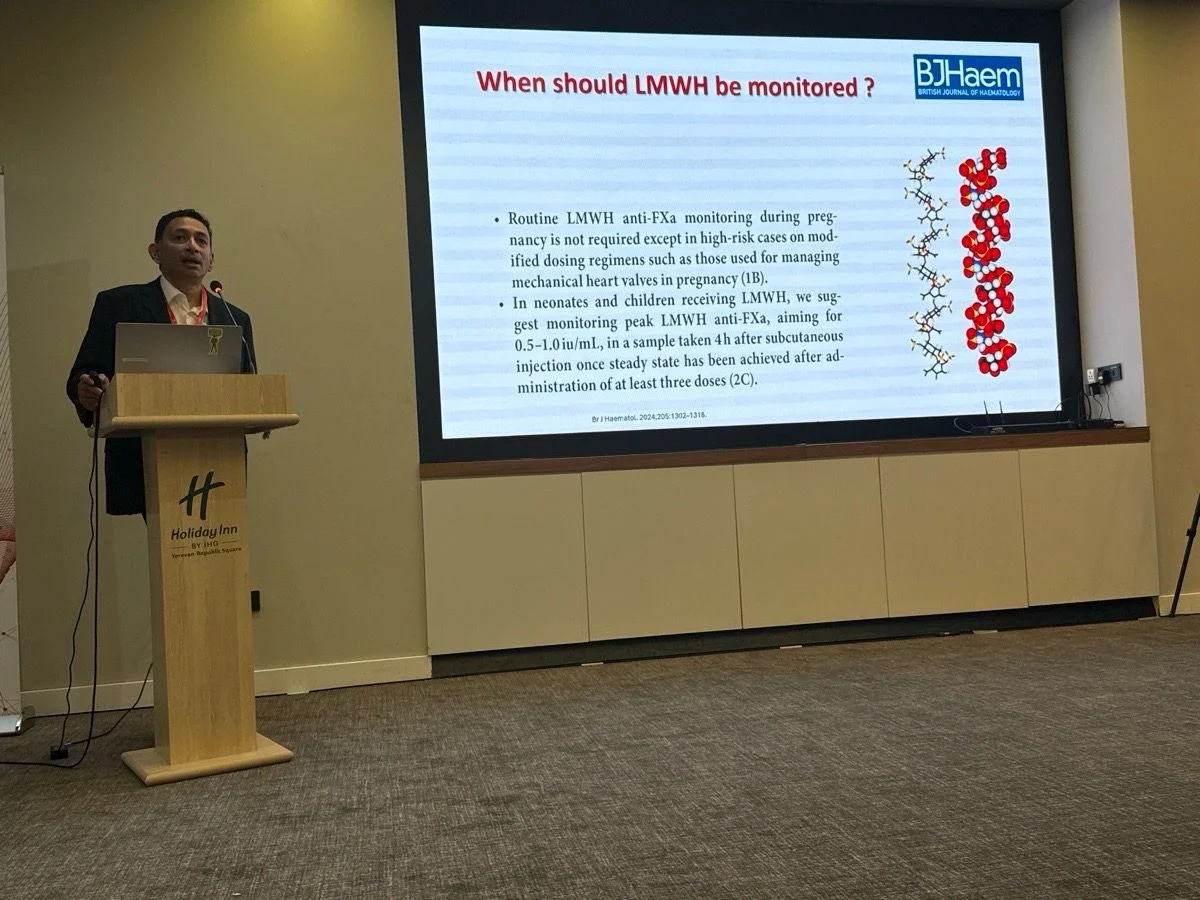
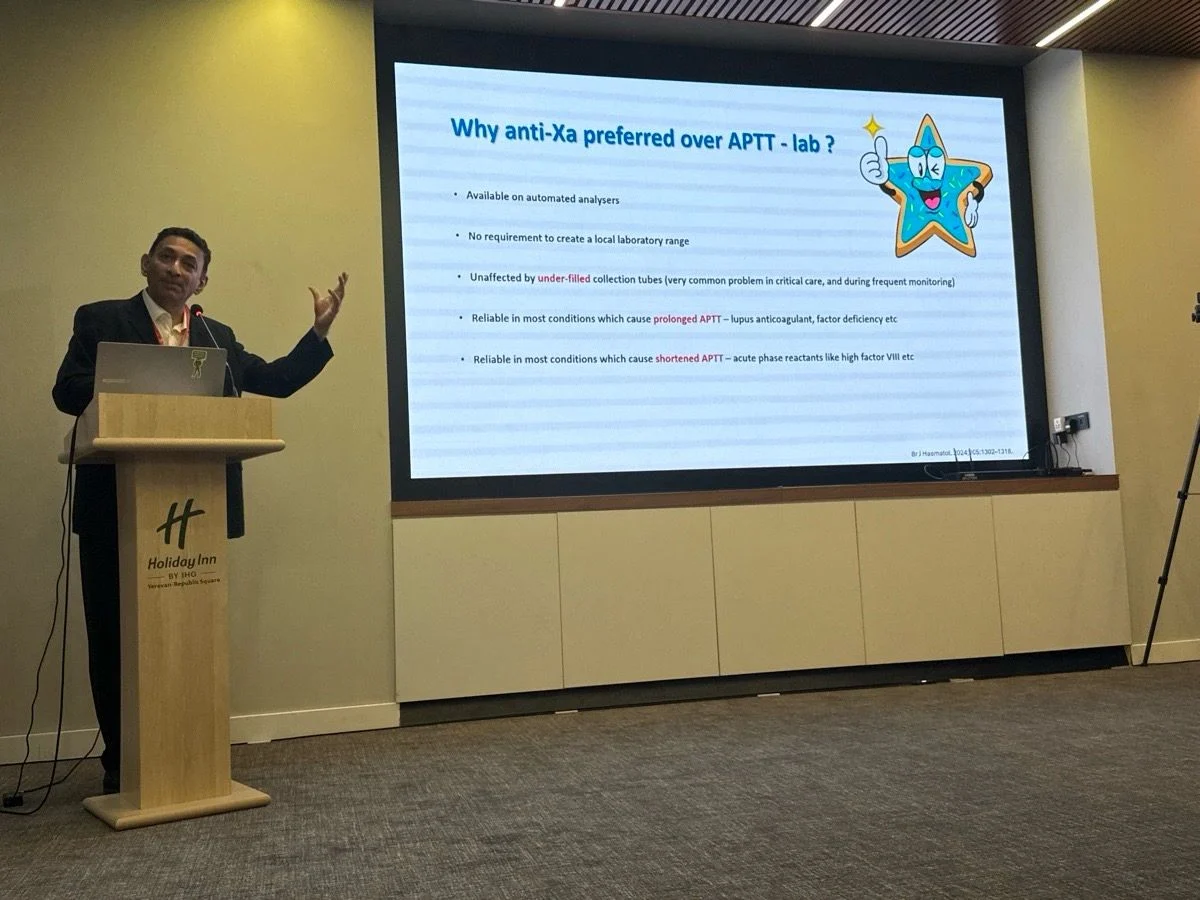
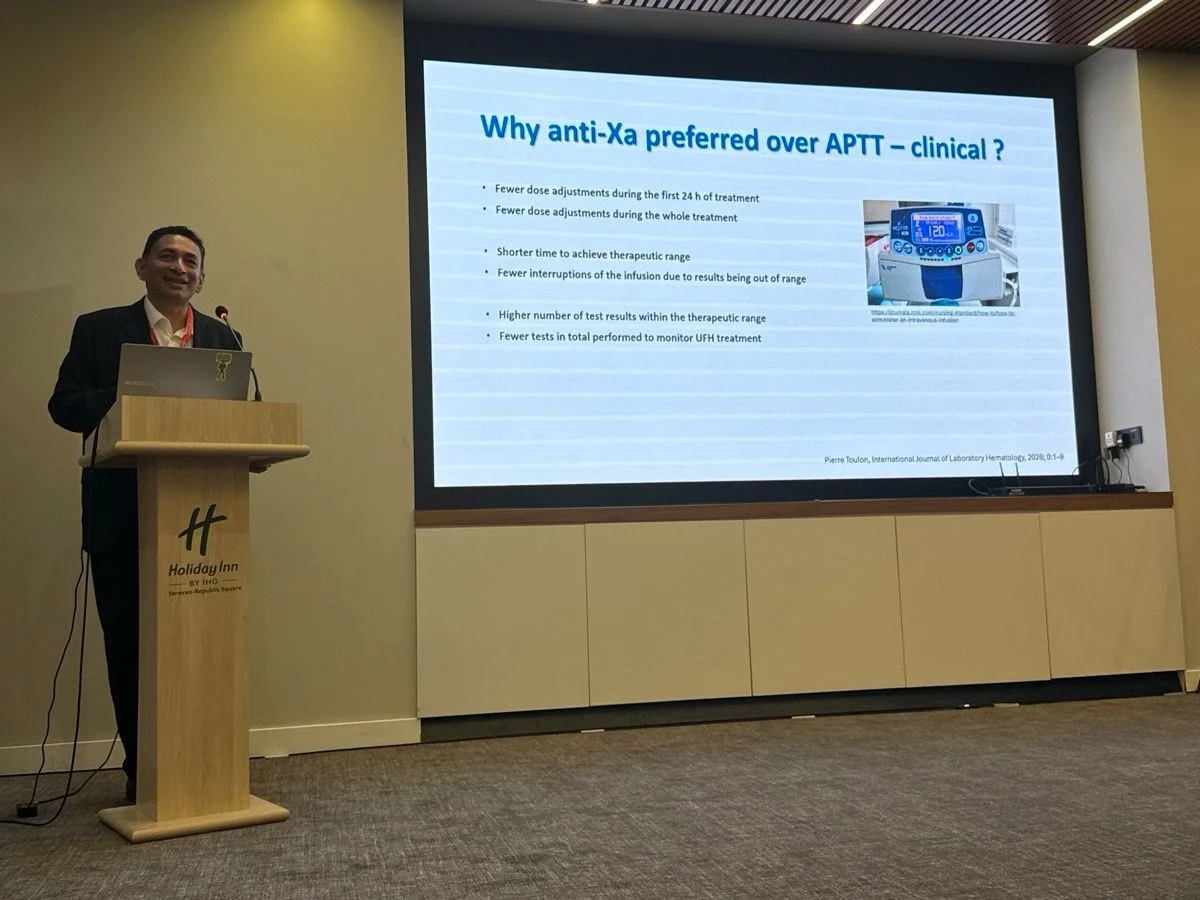
The second part of Professor Jeko Thachil’s lecture offered a focused analysis of thrombophilia, antiphospholipid syndrome and coagulation testing. Its central message was that laboratory investigations have value only when they answer a defined clinical question and are interpreted in context.
The lecture began with the regulation of thrombin. When thrombin binds thrombomodulin, it activates protein C; activated protein C, together with protein S, limits coagulation by inactivating factors Va and VIIIa. Deficiencies of protein C, protein S or antithrombin increase thrombotic susceptibility, but thrombosis usually results from interaction with acquired triggers such as surgery, immobility, pregnancy, inflammation, malignancy or hormonal therapy.
Factor V Leiden, the prothrombin G20210A variant and deficiencies of natural anticoagulants do not carry equal clinical significance. Their identification should not automatically determine indefinite anticoagulation. Management must also consider whether the event was provoked, its location, recurrence risk and bleeding risk.
Particular attention was given to patient selection and timing. Functional measurements of protein C, protein S and antithrombin may be distorted by acute thrombosis or anticoagulant therapy; testing at the wrong time can therefore create false diagnoses. MTHFR testing should not be included in routine thrombophilia panels because it provides no clinically useful information about venous thromboembolic risk.
Thrombosis at unusual sites, including cerebral or splanchnic veins, requires broader assessment for APS, JAK2-associated myeloproliferative neoplasms, paroxysmal nocturnal haemoglobinuria, malignancy and local factors.
The discussion of APS was especially relevant. It should be considered in younger patients with unexplained venous or arterial thrombosis, ischemic stroke, pregnancy morbidity or autoimmune disease. One positive antibody result is insufficient: diagnosis requires an appropriate clinical event and persistent laboratory positivity. Correct recognition may change treatment; in high-risk APS, particularly after arterial thrombosis, vitamin K antagonists remain the established therapy.
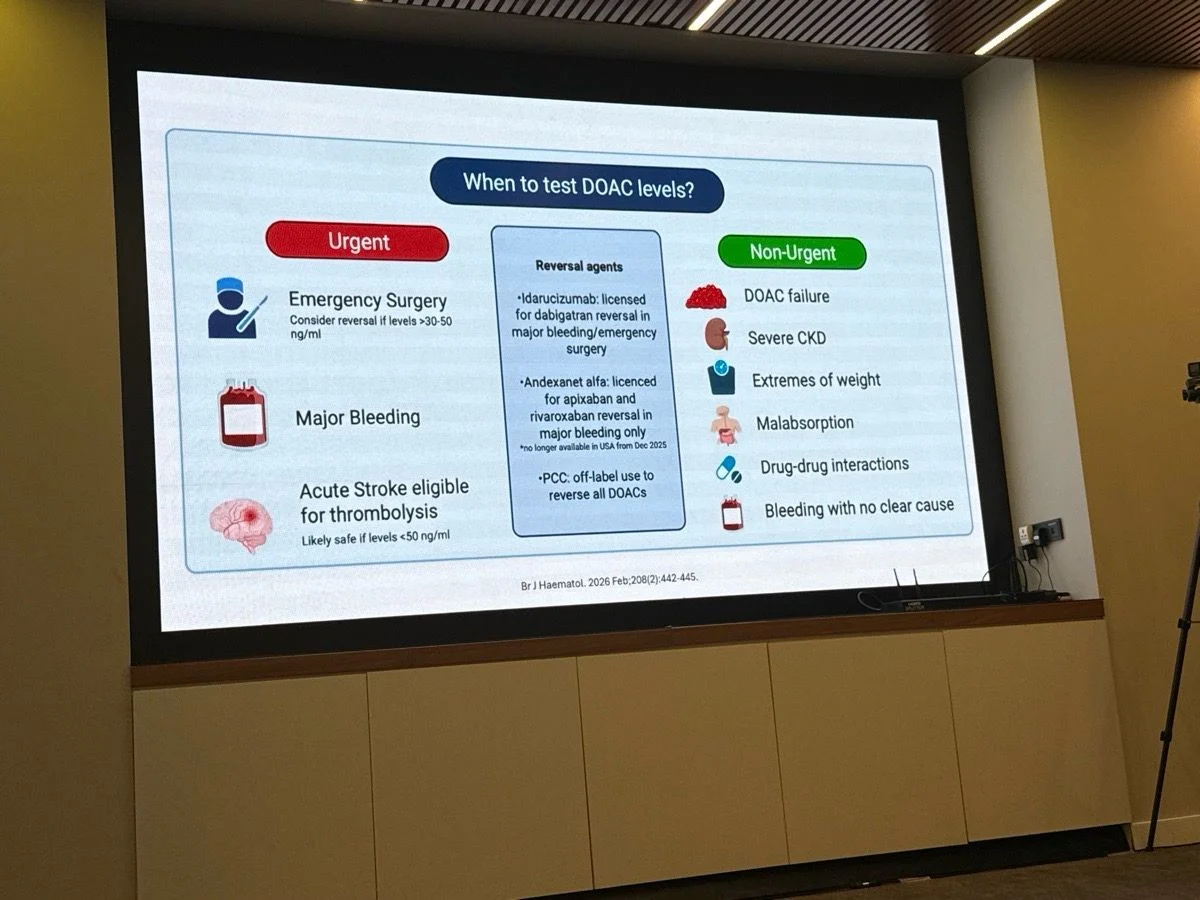
Finally, bleeding during anticoagulation should not be attributed only to the drug. Treatment may reveal a silent lesion, including malignancy; the bleeding source must therefore always be investigated.
Thank you, Professor Jeko Thachil, for connecting complex haemostatic mechanisms with practical clinical reasoning.”
Stay updated with Hemostasis Today.
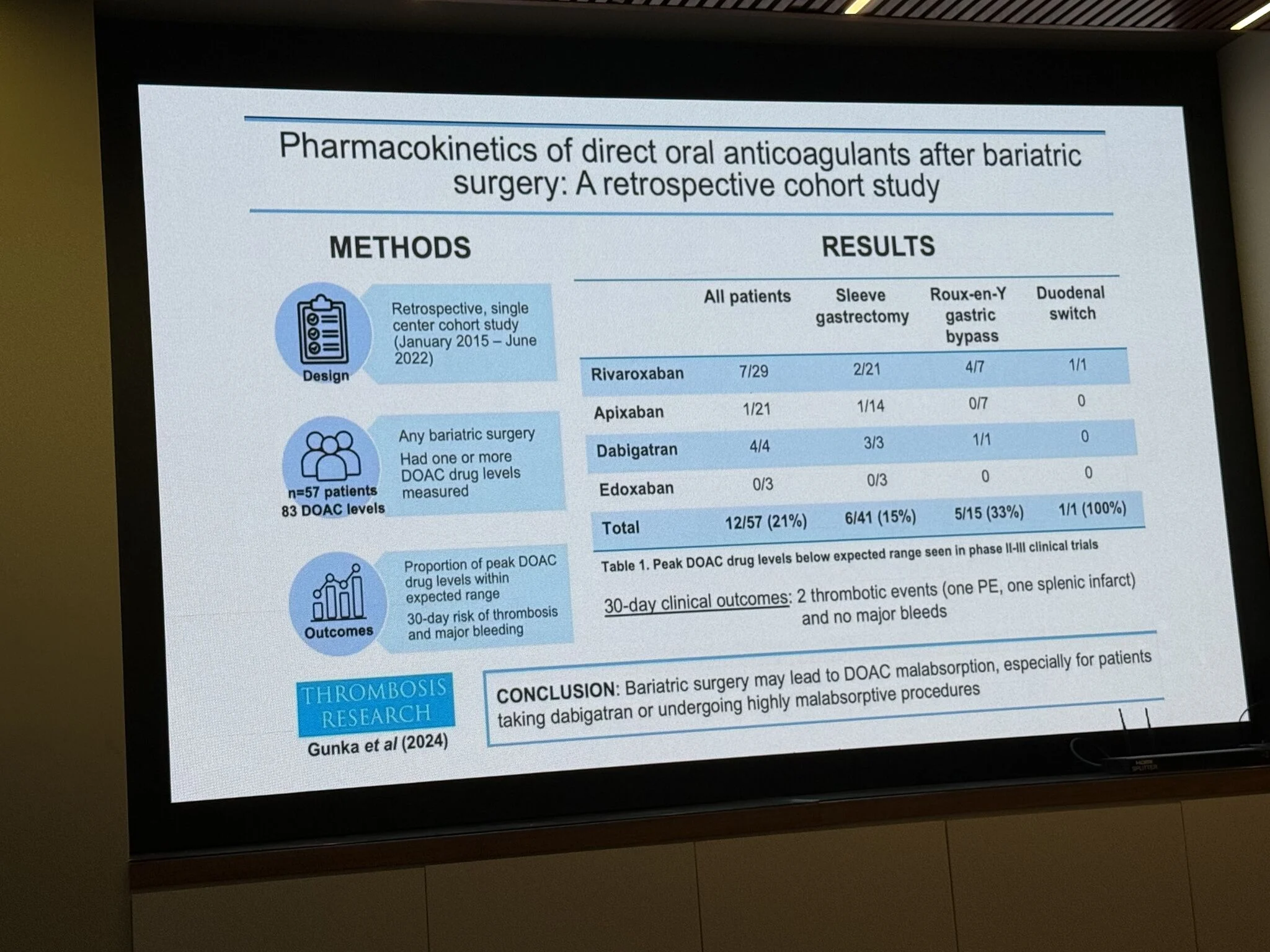
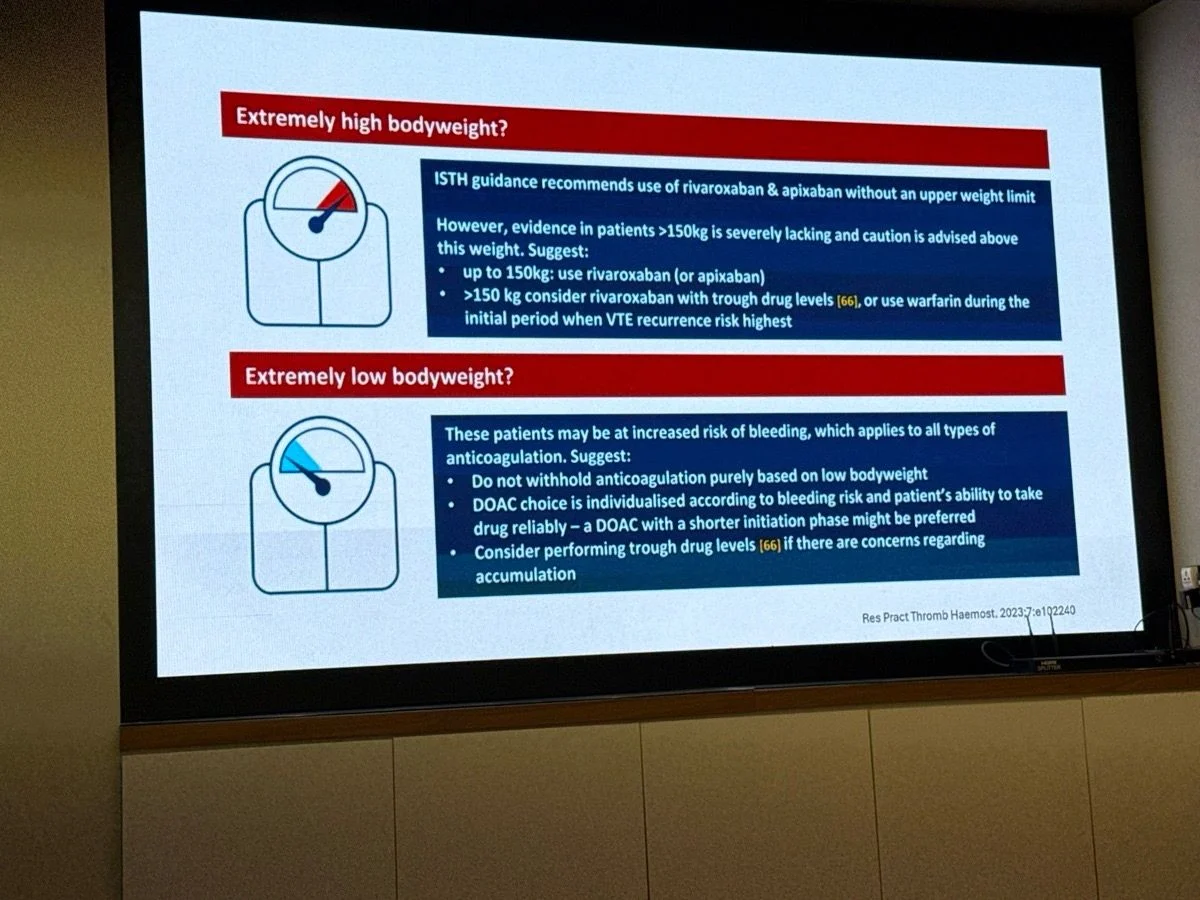
-
Sep 18, 2026, 16:19CRISPR and Hemophilia: The Next Frontier of In Vivo Gene Editing
-
Sep 18, 2026, 16:13Christian Irsara: PF4 Immunothrombosis Following Natural Adenovirus Infection
-
Sep 18, 2026, 16:10Leo Nicolai։ The Spleen Emerges as a Key Regulator of Thromboinflammation
-
Sep 18, 2026, 16:05Targeting Factor XI to Reduce Thrombosis Without Compromising Hemostasis – ISTH
-
Sep 18, 2026, 15:54Swapnil Pawar: Why Aren’t We Using Cryopreserved Platelets Everywhere Yet?
-
Sep 18, 2026, 15:37Abdul Mannan: Evaluating Longitudinal Platelet Trends Beyond Standard Reference Intervals
-
Sep 18, 2026, 15:30Peter A. Everts։ Platelet Phenotype May Hold the Key to More Consistent PRP Therapy
-
Sep 18, 2026, 15:25Brandon Temple: Turning Personal Experience Into Advocacy for wAIHA Research
-
Sep 18, 2026, 15:01A. M. Thirugnanam: Antiplatelet Discontinuation and the Risk of Stent Thrombosis