

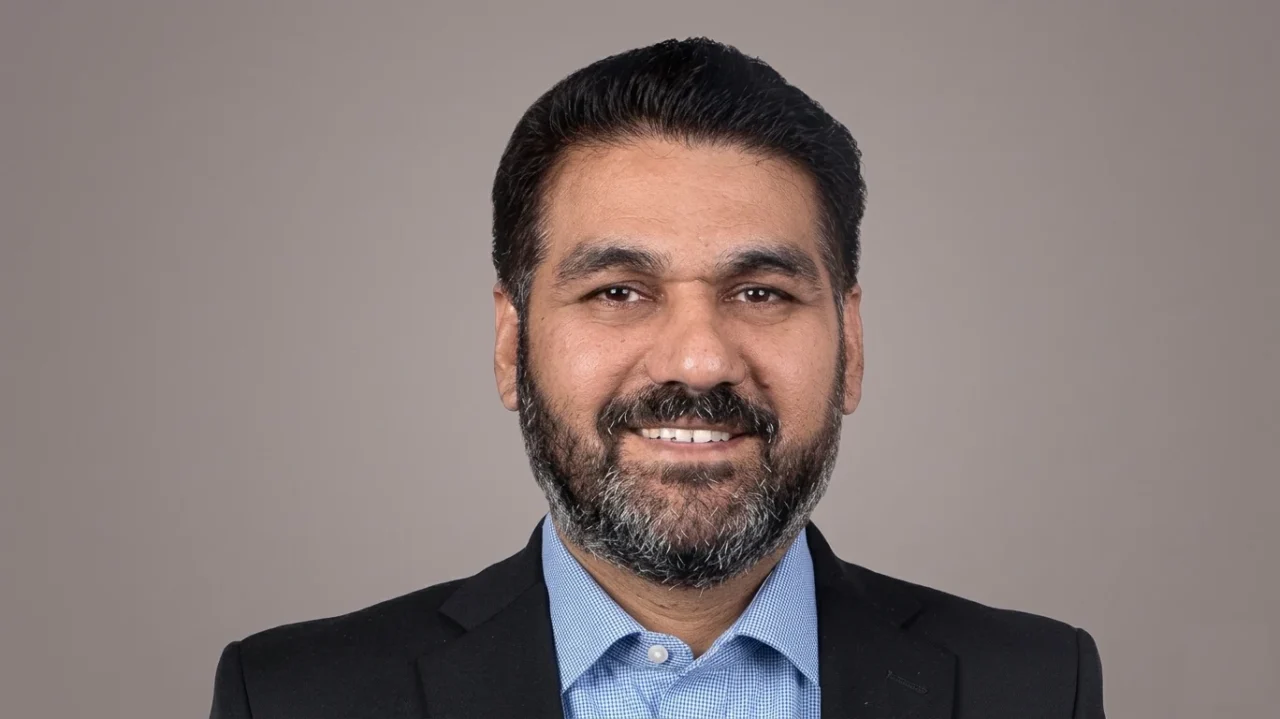
Ankit Panthari: Can Haemophilia Serve as A Health System Model for Other Rare Diseases in India?
Ankit Panthari, Former Business Unit Head, Plasma Derived Therapies at Takeda, shared on LinkedIn:
”Had the opportunity to participate in a thought provoking panel discussion at the National Hemophilia Conclave 2026 on an important question: Can haemophilia serve as a health system model for other rare diseases in India?
Haemophilia, despite its continuing challenges and gaps is perhaps one of India’s most evolved examples of how patient advocacy, physician leadership, policy evolution, diagnostics, procurement systems and comprehensive care models can come together to create meaningful progress in rare diseases.
Over the years, Indian haemophilia care has evolved from transfusion based support to plasma derived factors, recombinant therapies, and now non- factor treatments.
Treatment centres have expanded from a few dozen to nearly 400 nationwide.
Diagnosis rates have steadily improved and are now estimated at approximately 18–20%, while prophylaxis adoption is gradually increasing and estimated at around approximately 10%.
What makes the broader rare disease landscape far more challenging is its heterogeneity and complexity.
With more than 10,000 recognized rare diseases globally, conditions differ widely in symptoms, diagnostics, treatment availability, access pathways, and long term outcomes.
Scientifically approved therapies exist for only a minority of diseases.
Even India’s ICMR registry (NRROID), with approximately 16,000 registered patients likely represents only a fraction of the true burden, highlighting the continuing challenges of diagnosis, data capture, registries, and genomic access.
Haemophilia is not a ‘cut copy paste’ model, but a strong operational reference point from which tailored and scalable rare disease ecosystems can evolve.
It was a privilege to exchange perspectives with fellow distinguished panelists and experts from across the rare disease ecosystem.
A special thanks to Dr Naresh Gupta and the Hemophilia Health Collective of North (HHCN) team for curating such a meaningful and forward looking discussion.”
Stay updated with Hemostasis Today.
-
Oct 16, 2026, 13:59Aya Akmal Amin: Antiphospholipid Syndrome Management and Risk Stratification
-
Oct 16, 2026, 13:10Emanuel Sueldo: CAHT 2026 Celebrates Scientific Progress and Team Achievements
-
Oct 16, 2026, 13:05Maha Othman: Queen’s Health Sciences Advances CAT Risk Models and Pediatric ISTH-BAT Cut-Offs
-
Oct 16, 2026, 13:03Thrombosis Awareness Must Lead to Timely Action – Roche
-
Oct 16, 2026, 12:49Wolfgang Miesbach: 5-Year CBDR Data Confirms Emicizumab Safety and Efficacy in Hemophilia A
-
Oct 16, 2026, 12:40Edward Lee Carter: How Factor XI Inhibition Could Transform Anticoagulation Therapy
-
Oct 16, 2026, 12:40Marc Carrier: Looking Ahead to ISTH 2027 in Vancouver
-
Oct 16, 2026, 12:30Bob Lempke: How One Blood Donation Can Save Up to Three Lives
-
Oct 16, 2026, 12:30Why VWF Therapies Belong on the EU Critical Medicines List – EHC