


Ashok Yadav/LinkedIn
Feb 26, 2026, 15:39
Ashok Yadav: Placental Glycogen as a Vital Energy Reserve for Fetal and Placental Health
Ashok Yadav, Biology Educator of Biology Faculty at Apex Academy, shared a post on LinkedIn:
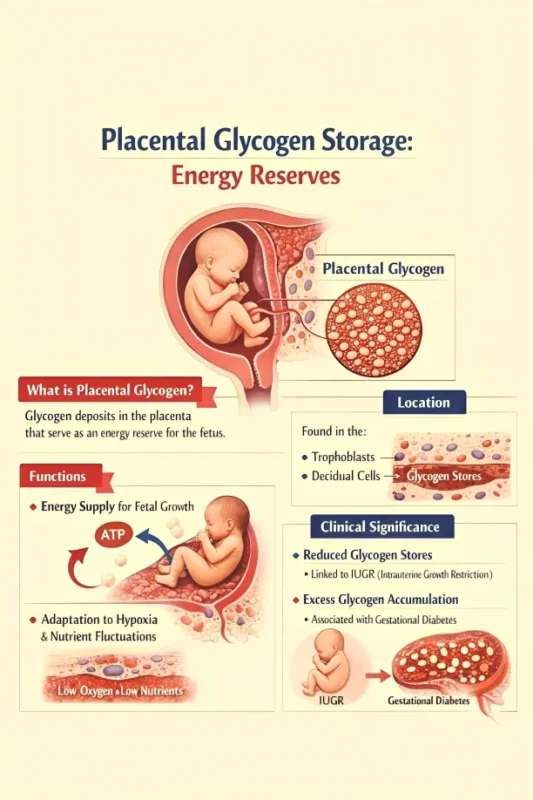
”Placental glycogen storage serves as a vital energy reserve, primarily thought to support fetal growth and maintain glucose levels when maternal supply fluctuates. While its exact function in humans is still debated, animal models provide significant evidence for its role in both fetal development and placental health.
Functions of Placental Glycogen
- Fetal Energy Support: It is widely hypothesized that placental glycogen acts as a ‘buffer,’releasing glucose during periods of high fetal demand, particularly in late gestation.
- Local Placental Fuel: The placenta is a highly metabolic organ; glycogen stores may provide direct energy for its own functions, such as hormone production and maintaining vasomotor activity in placental blood vessels.
- Pathological Protection: In cases of maternal diabetes, the placenta may store excess glucose as glycogen to protect the fetus from hyperglycemia.
Dynamics and Storage Locations
- Temporal Peaks: In humans, glycogen accumulation peaks in the first trimester and declines toward term. In mice, it peaks around embryonic day 15.5.
- Cellular Storage:
- Mice: Specialized glycogen trophoblast cells in the junctional zone are the primary storage site.
- Humans: Storage occurs in extravillous trophoblasts (EVTs) located in the basal plate.
Clinical Significance
- Growth Complications: Both abnormally high and low placental glycogen levels are linked to Intrauterine Growth Restriction (IUGR) and pre-eclampsia.
- Diabetes: Maternal diabetes often leads to aberrant glycogen storage, which can disrupt normal metabolic communication between mother and fetus.
- Genetic Disorders: Rare conditions like Glycogen Storage Disease Type IV can show specific placental involvement, potentially allowing for prenatal diagnosis via biopsy.”
Stay updated with Hemostasis Today.
-
Oct 19, 2026, 19:44Where You Live Should not Determine Whether You Receive Care – World Federation of Hemophilia
-
Oct 19, 2026, 19:42Belen Bianco: Prevention, Early Suspicion and an Interdisciplinary Approach Save Lives
-
Oct 19, 2026, 19:40Christina Chrysohoou: Catheter-Based LAAC vs OAC for Stroke Prevention in Atrial Fibrillation
-
Oct 19, 2026, 19:38Matthew Flick: A Two-Day Research Meeting on Fibrinogen, Hemostasis and Thrombosis
-
Oct 19, 2026, 19:37Hayat Saeed: Excited to Share Our Publication on the FGL1–Hepcidin Axis in Iron Homeostasis and Disease
-
Oct 19, 2026, 19:08IPAW 2026 Comes to a Close, but the Work Continues – PPTA
-
Oct 19, 2026, 17:44Paul Riley: Moderating a Webinar on Anticoagulation Monitoring
-
Oct 19, 2026, 16:36Christopher Pittman: Blood Clot Prevention Cannot End at Hospital Discharge
-
Oct 19, 2026, 16:13Javier M. Floren: When Immune Cells Move With Their Environment