

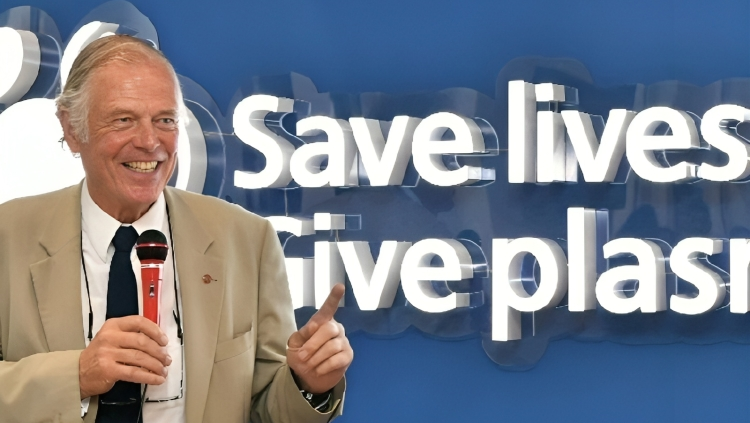
David McIntosh Echoes Denis Oduor: Four Times More Blood Needed to Save Lives
David McIntosh, Founder and Chair of United Plasma Action, shared a post by DENIS ODUOR on LinkedIn:
”UNNECESSARY DEATHS CRISIS
This post from Denis Oduor is well worth reposting and reposting –
UNTIL HEALTH AUTHORITIES, GLOBALLY, HAVE ACTED ON THE MESSAGE.
Denis, quite rightly, focuses on the sad situation in Kenya. There’s certainly much still to be done there.
However, the message is the same across 90% of countries worldwide.
Blood shortages are causing hundreds of thousands of unnecessary deaths every year.
Many hard-working, well-intentioned people and organisations are doing sterling work to try to correct the situation – but they can’t do it alone.
National Governments’ health Authorities, and International bodies, like the WHO, have a duty to redouble their efforts.
The World doesn’t just need a little more blood to keep people alive. We need about four times as much as is currently available –
FOUR TIMES AS MUCH. PLEASE.”
Quoting DENIS ODUOR’s post:
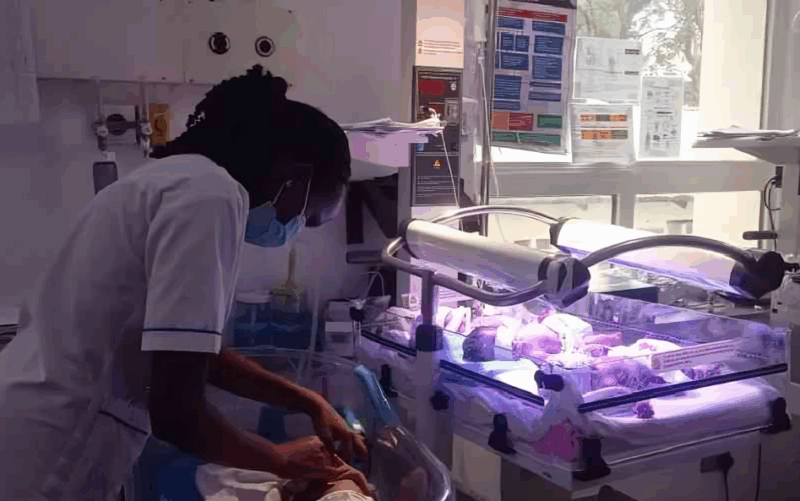
”The Standard’s Newspaper Article on Health & Science spotlight lays bare a painful truth: postpartum haemorrhage (PPH) remains one of the deadliest threats to mothers in Kenya.
A moment meant for celebration too often turns into an emergency where clinicians must fight to keep a mother alive.
In Kenya, over 6,000 women lose their lives every year due to complications linked to excessive bleeding after childbirth. Behind every statistic is a family forever changed, a newborn who may never feel a mother’s embrace, and a community carrying the weight of preventable loss.
This story is a powerful reminder of why we must continue strengthening maternal health systems, expanding access to emergency obstetric care, and investing in innovation, training, and community awareness.
But there is another silent crisis we must address: blood shortages, especially during holidays when donation rates drop sharply.
At the very time when hospitals experience increased emergencies — including PPH — our blood banks run dangerously low. A mother facing severe bleeding cannot wait; without readily available blood, even the best-trained clinicians are left helpless.
No mother should face death at the moment she brings life into the world — not because the system failed her, and certainly not because there was no blood available.
Read the full article here.”
Stay updated with Hemostasis Today.
-
Oct 5, 2026, 11:03Vitalina Dzutseva: Could mRNA Encoded TCEs Transform B Cell Depletion?
-
Oct 5, 2026, 10:50Ligia Carolina Facin: Investigating a Novel Therapeutic Strategy for ATTR-CM
-
Oct 5, 2026, 10:45Mohammed Ayaz Ali։ HIT – When an Anticoagulant Causes Thrombosis
-
Oct 5, 2026, 10:24Vishnu Priya Pulipati: The Endocrinologist’s Role in Lp(a) and Cardiovascular Risk Reduction
-
Oct 5, 2026, 09:59William McKeown – A Busy Week with the European Haemophilia Consortium
-
Oct 5, 2026, 09:46Megan Buchholz – Celebrating Apheresis Awareness Day 2026 at St. Michael’s Hospital
-
Oct 5, 2026, 09:34ITP Myth vs. Fact – A Common Misconception – ITP Support Association
-
Oct 5, 2026, 09:20Jan Sloves: Medial Thigh Venous Perforators – Why Diameter Isn’t the Whole Story
-
Oct 5, 2026, 09:16Emmanuele Kouvousis: ASH Sets New Standards for Diagnosing Iron Deficiency