

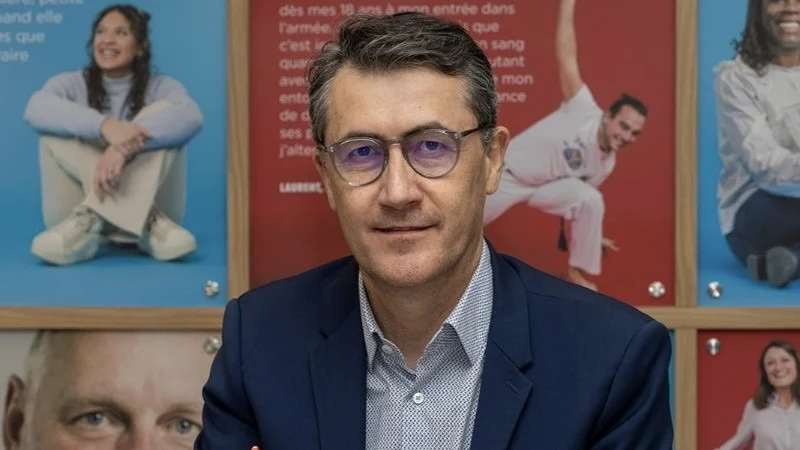
Fabrice Cognasse: Platelets May Play a Much Broader Role in Regulating Inflammation
Fabrice Cognasse, Director of Research – Scientific Director at The EFS in Auvergne-Rhône-Alpes and INSERM, shared a post on LinkedIn:
”Platelets are not just involved in hemostasis
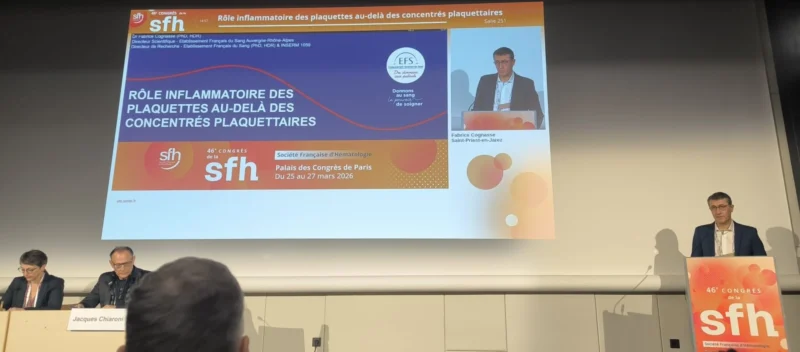
We are very pleased to have had the opportunity to present our work to the French Society of Hematology (SFH), conducted within the scientific department of EFS AuRA and the Health, Engineering, Biology Saint-Étienne (SAINBIOSE) unit (INSERM 1059).
Our results suggest that platelets, whether derived from platelet concentrates, granulocyte concentrates, or even whole blood (LTOWB), may play a much broader role in regulating inflammation.
A big thank you to Catherine Leon and Jacques Chiaroni for this stimulating and high-quality session.
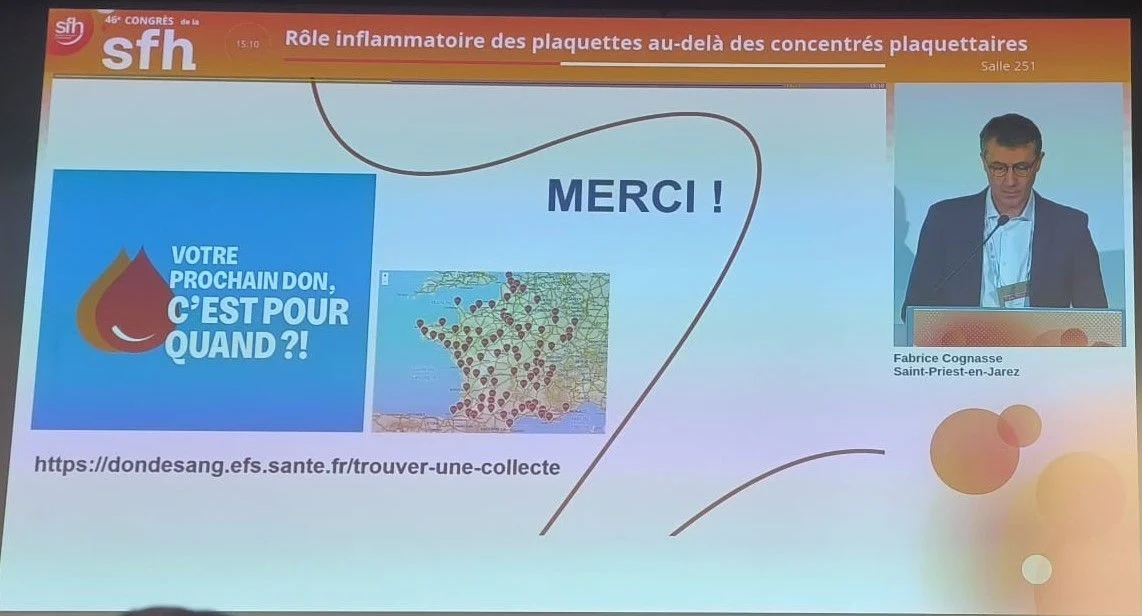
Research is an essential component of the blood supply chain—and my presentation was a wonderful opportunity to highlight the importance of blood and plasma donation.
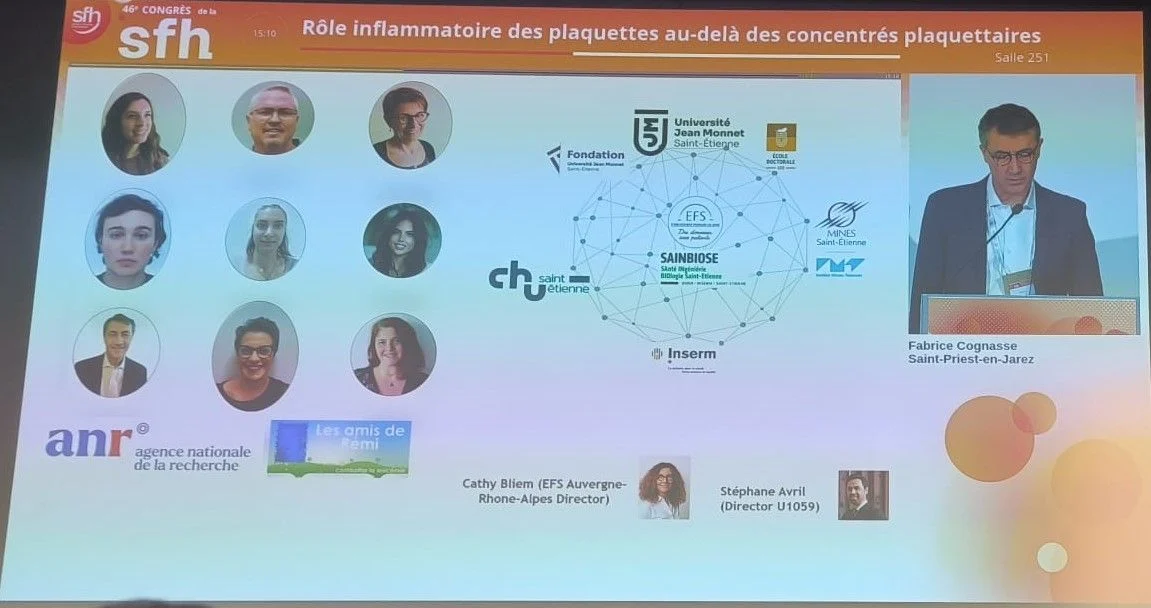
Finally, a huge thank you to my extraordinary team in Saint-Étienne for their daily dedication, as well as to the EFS, a partner in this research.”
Stay updated with Hemostasis Today.
-
Sep 30, 2026, 01:52Javed Anees: DADA2 – When a Young Stroke Is More Than a Stroke
-
Sep 30, 2026, 01:51How a Venous Thrombus Becomes Revascularized – ISTH
-
Sep 29, 2026, 22:45Victor Agunyego: Paracetamol – The Most Common Drug We Underestimate
-
Sep 29, 2026, 22:42Nova Sinclair: Advancing the Future of Hematology – Meet Our 2027 Organizing Committee
-
Sep 29, 2026, 22:41Lorenz Räber: Intracoronary Imaging in PCI – Why, When, How, and Which Modality?
-
Sep 29, 2026, 22:31Selma Turkovic: Pleased to Deliver the Opening Presentation at Kingston Hospital
-
Sep 29, 2026, 22:31Miguel Teran: Ultrasound and Simulation in Arterial Blood Sampling
-
Sep 29, 2026, 22:28Mohammad Refaei: Navigating Your Career in Hematology From Training to Practice
-
Sep 29, 2026, 22:27Matteo Foschi: 10 Clinical Pearls for Antithrombotic Therapy in Secondary Stroke Prevention