

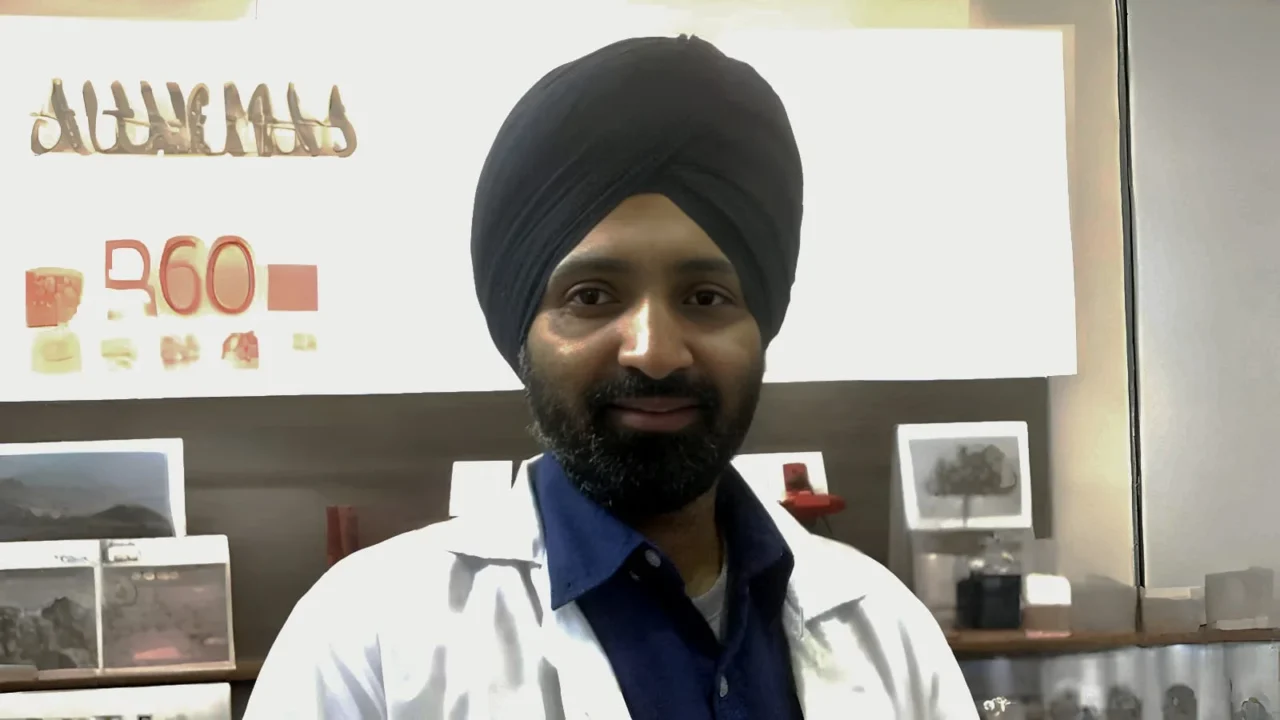
Harprit Singh: Future – Ready Hospitals Will Have Apheresis Hubs, Not Just Dialysis Units
Harprit Singh, Associate Director at Transfusion Technologies, Therapies, Solutions and Consultant in Transfusion Medicine at Alchemist Hospital, shared a post on LinkedIn:
“Future – Ready Hospitals Will Have Apheresis Hubs – Not Just Dialysis Units
Most hospitals don’t have an apheresis problem.
They have a utilization problem.
In multiple institutions I’ve worked with, the pattern is consistent:
- Apheresis machines exist.
- Clinical expertise exists.
- But activation pathways don’t.
The result?
- Delayed therapeutic plasma exchange (TPE)
- Underutilized apheresis services
- Missed integration with solid organ and bone marrow transplant (BMT) and oncology
- Higher ICU burden and avoidable costs
This is where strategy changes everything.
Hospitals that build Clinical Apheresis Hubs – not fragmented services – unlock the following:
- Faster intervention in critical care
- Seamless transplant and cellular therapy workflows
- Reduced ICU dependency
High-value, predictable clinical revenue
Because an Apheresis Hub is not equipment.
It is a clinical plus operational plus financial system.
Protocols define speed
Ownership defines utilisation.
The question is no longer:
‘Do we have apheresis?’
It is:
‘Is it integrated into how we deliver care?’
For COs and administrators, this is where transfusion medicine becomes strategy – not support.
A practical starting point:
Map 3 things
Who triggers apheresis?
How fast can it be activated?
How often is iused?
An open question:
What is the single biggest barrier to apheresis utilisation in your institution today?”
Stay updated with Hemostasis Today.
-
Oct 4, 2026, 10:45Join the Bleeding Disorders Advocacy Network! – HFA
-
Oct 4, 2026, 06:12David McIntosh: 900 Plasma Donations One Patient One Lifeline
-
Oct 4, 2026, 06:00Aadil Sheikh: Menopausal Hormone Therapy and Thrombosis Rethinking Route Dose and Risk
-
Oct 4, 2026, 05:27Nirali Thakkar: Influenza and Myocardial Infarction An Unexpected Cardiovascular Connection
-
Oct 4, 2026, 05:03Hisham Fahmi: Thromboprophylaxis in Children With ALL A Risk Adapted Approach
-
Oct 4, 2026, 05:00Mary Cushman: Erin Michos Highlights Rising Heart Disease Mortality Among Younger Women in the US
-
Oct 4, 2026, 04:48Liv Tybjærg Nordestgaard: Is Fasting Necessary Before Blood Sampling?
-
Oct 4, 2026, 04:31Sonal Sonu: Gen Z doesn’t just set trends – Gen Z saves lives
-
Oct 4, 2026, 04:22Registration Opens for 2027 Highlights of ASH – American Society of Hematology