

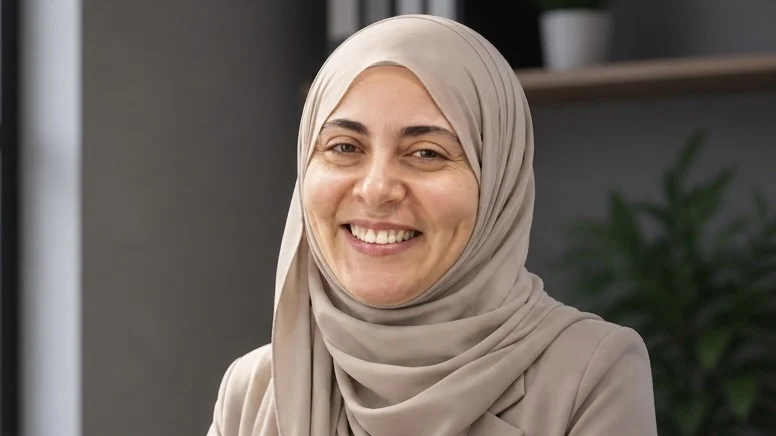
Heba Youssef: Anticoagulation Bridging – A Clinical Summary Every Practitioner Should Know
Heba Youssef, Clinical Nutrition Pharmacist at Helwan General Hospital, shared a post on LinkedIn:
“Anticoagulation Bridging:
A Clinical Summary Every Practitioner Should Know
Navigating perioperative anticoagulation decisions can be complex — but getting it right is critical for patient safety.
Here are the key clinical pearls from the latest evidence and CHEST 2022 Guidelines:
Why Bridging Therapy Exists?
When initiating warfarin, Protein C drops rapidly while Prothrombin (Factor II) persists for 42–72 hours — creating a transient ‘hypercoagulable‘ window.
Overlapping with UFH or LMWH for a minimum of 5 days bridges this gap safely.
The 5-Day Rule
Stop heparin/LMWH ‘only’ when BOTH conditions are met:
- INR ≥ 2.0
- INR therapeutic for ≥ 24 hours (or two consecutive therapeutic readings)
Routine Perioperative Bridging? Not Recommended.
CHEST 2022 states routine heparin bridging is generally Not recommended for most patients — increased bleeding risk with little to no reduction in thromboembolism.
Reserve it for selected high-risk cases: mechanical heart valves, recent VTE < 3 months, or recent arterial thromboembolism.
DOACs: No Bridging Needed.
Their short half-life and rapid onset make perioperative bridging unnecessary.
Always Watch for HIT.
Platelet drop > 50%, typically 5–10 days post-exposure? Suspect Heparin-Induced Thrombocytopenia.
Stop all heparin immediately and switch to a non-heparin anticoagulant (Argatroban, Fondaparinux, or Bivalirudin).
Reversal When It Matters.
- UFH reversal with Protamine Sulfate
- Life-threatening warfarin bleeding reversal with 4-Factor PCC and IV Vitamin K (faster and more sustained than FFP)
Sound anticoagulation management is where pharmacology, clinical judgment, and patient safety converge.
These principles save lives when applied correctly.
What aspect of anticoagulation bridging do you find most challenging in clinical practice? ”

Stay updated with Hemostasis Today.
-
Sep 20, 2026, 11:27Edward Lee Carter: Prasugrel Dosing Matters in P2Y12 Inhibitor Comparisons After PCI
-
Sep 20, 2026, 09:51Ceasovschih Alexandr: A Closer Look at Lipid Disorders in CKM Syndrome
-
Sep 20, 2026, 09:05World Stroke Academy: Can Adjunct IAT Improve Tissue Reperfusion?
-
Sep 20, 2026, 06:46Neeraj Songara: From Donated Blood to Engineered Therapeutics
-
Sep 20, 2026, 06:24Louise St. Germain Bannon: Improving Awareness and Care for Women Across the Lifespan
-
Sep 20, 2026, 05:17Maxime Dely: When ABO Compatibility Isn’t Enough for Safe Transfusion
-
Sep 20, 2026, 04:54William Aird: What Does a Complete History and Physical Really Mean?
-
Sep 20, 2026, 04:34Hons Saurabh Kaushik: Why Uncontrolled LDL Can Be Harmful
-
Sep 20, 2026, 03:58Salih Ehsan: The Complexities of HbF and HbA2