


Limiaa Babikir: What Is Polyspecific DAT?
Limiaa Babikir, Medical Laboratory Technologist at King Abdulaziz Hospital for National Guard, shared a post on LinkedIn:
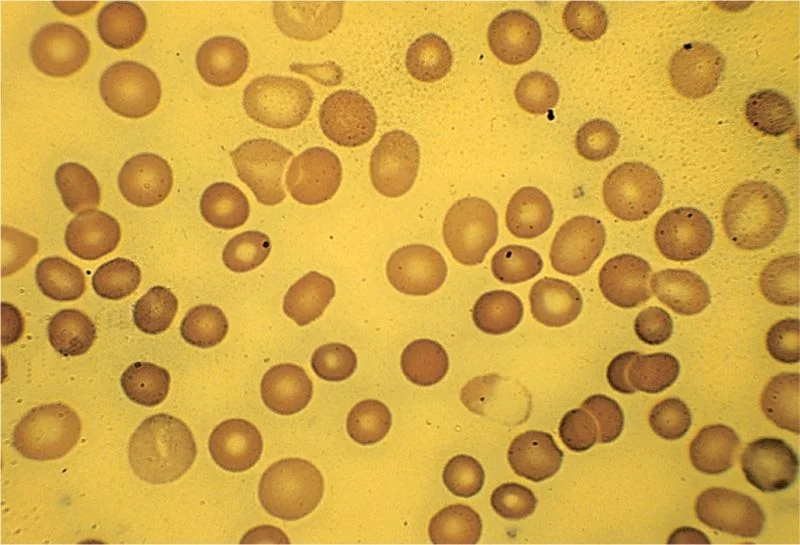
“Autoimmune hemolytic anemia (peripheral blood).
Spherocytes are commonly seen on the peripheral blood smear when extravascular immune hemolysis has occurred.
Serum Bilirubin (primarily indirect) and LD are usually elevated, and Urobilinogen may be increased in urine and stool specimens.
The DAT is usually positive.
The DAT (also called the direct antiglobulin test, and previously called the direct Coombs’ test) detects antibody and/or complement coating patient’s red cells.
In the DAT, patient red cells are washed to remove adherent proteins and then reacted with a reagent containing high-titer, polyspecific antibodies against both IgG (all subclasses) and complement, then examined for resulting red cell agglutination.
This is called the polyspecific DAT.”
Stay updated with Hemostasis Today.
-
Sep 22, 2026, 04:43Michael Cahillane: Highlights From BBTS2026 in Glasgow
-
Sep 22, 2026, 04:15Wolfgang Miesbach: First AAV Gene Therapy Data in Adolescents With Haemophilia B
-
Sep 22, 2026, 04:03Emmanuel J Favaloro: 100 Years of VWD – A Special Virtual Issue
-
Sep 22, 2026, 03:31Mostafa Elshazly: How Is Humidification Used During Non Invasive Ventilation?
-
Sep 22, 2026, 03:05Sumyea Kabir: Jehovah’s Witnesses Update Their Position on Blood Components
-
Sep 22, 2026, 02:33Gerardo Moscatelli: The Spike Protein Cascade – From Endothelial Binding to Vascular Collapse
-
Sep 21, 2026, 20:56George Touma: ApoB Should Be Central to All Lipid Guidlines
-
Sep 21, 2026, 20:55Christopher Robinson: Obstetric Risks Are Seen at the Extremes of Birthweight
-
Sep 21, 2026, 20:54Emicizumab for Refractory GI Bleeding in Myeloma-Associated Acquired VWD – JTH