

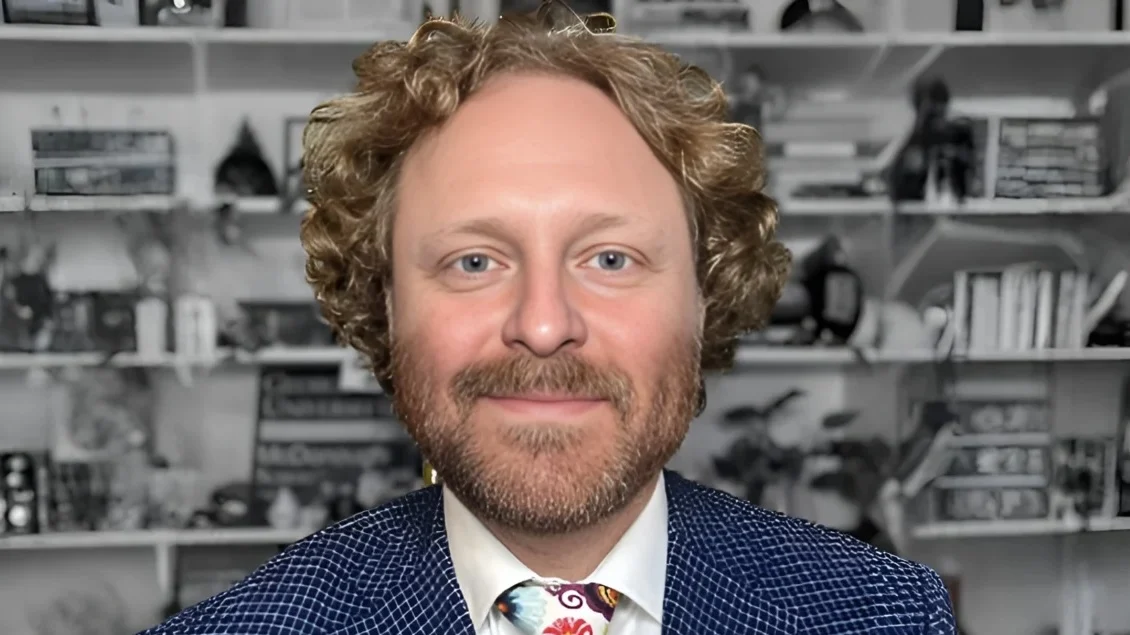
Peter Jaworski: The Shift in Plasma Center Locations Is About Demand, Not Economics
Peter Jaworski, Teaching Professor at Georgetown University, shared a post on LinkedIn:
“On Friday, the New York Times discussed the shift towards more middle class neighbourhoods for plasma centres. They relied on the data I presented in my Substack, and I spent several weeks speaking with the reporter and hunting down additional data points (like the export value of plasma this and last year by month).
The shift is real, as evidenced by the locations of new plasma centres in the U.S.
But one thing I find unusual is the way people interpret this data. Many commentators in the comments of this article, on twitter, and elsewhere, see this as saying something significant about the economy.
It really doesn’t, though. Instead, it’s informative about the high demand for the medicines made from plasma, especially immunoglobulin.
Plasma centers don’t open because there are people who really want to donate plasma. They open because there are patients who desperately need more medicine.
The shift to more middle class neighbourhoods might just reflect the fact that there are so many centres in the U.S. (1,247) already that the better neighbourhoods with the right population density are now in wealthier places.
It might also signal (this is what I really hope) that stigma surrounding paid donation is decreasing, and that wealthier people no longer think that this is a hit to their social status.
But it doesn’t tell us much about the economy.
Open a plasma centre almost anywhere in the U.S. and people will donate. It’s an hour you can spend reading a book, doing your homework, or watching YouTube. If you’re scared of needles, okay, but it’s hard to think of anything else that will give you that much money ($50) to do so little, with the added benefit that the plasma you give is saving lives all over the world.
Name something else you can do that is so rewarding?
Uber doesn’t save lives, and being a nurse takes an enormous amount of effort and education.
Sure, some people will look down their noses at you, but doesn’t that just say more about them than you? They’re the jerks, not the people doing the thing that actually saves lives.”

Stay updated with Hemostasis Today.
-
Sep 24, 2026, 08:55Andres Gudino: Clot Characterization Through Hounsfield Units in Ischemic Stroke
-
Sep 24, 2026, 06:52Gina Sado: Screening-Detected Atrial Fibrillation Carries High Risk of Heart Failure
-
Sep 24, 2026, 06:33Benjamin Vipler: Optimal Oral Anticoagulation Choice in Atrial Fibrillation and Advanced CKD
-
Sep 24, 2026, 06:08Christopher Salerno: AI-Powered At-Home Anemia Screening Advances Telehealth Access
-
Sep 24, 2026, 05:38Aya Qattan: When a Normal CBC Does Not Mean Normal Iron Status
-
Sep 24, 2026, 05:11Mastering Warm Autoimmune Hemolytic Anemia Diagnosis and Practice – ASH Education
-
Sep 23, 2026, 16:04Monia Ezzalfani: Advancing Patient-Centered Care in Hemophilia A and B
-
Sep 23, 2026, 15:49Bilge Başak: How Activated PRP Modulates Osteoarthritic Chondrocyte Function
-
Sep 23, 2026, 14:50Mbonjo Bitsie Dora: Strengthening Sickle Cell Care Through Education, Awareness and Innovation