


Purusotham Chippala: Demystifying the Research Process in Physiotherapy after Stroke
Purusotham Chippala, Professor at Nitte Institute of Physiotherapy, shared a post on LinkedIn:
”Demystifying the Research Process in Physiotherapy!
Are you a physiotherapy student or clinician struggling to convert clinical doubts into meaningful research?
Let’s simplify it.
Research is not a rigid, step-by-step ritual – it’s a dynamic clinical thinking process.
Here’s how you can approach it using a real-world example: ‘Task-Oriented Approach (TOA) for Upper Limb Recovery in Acute Stroke’
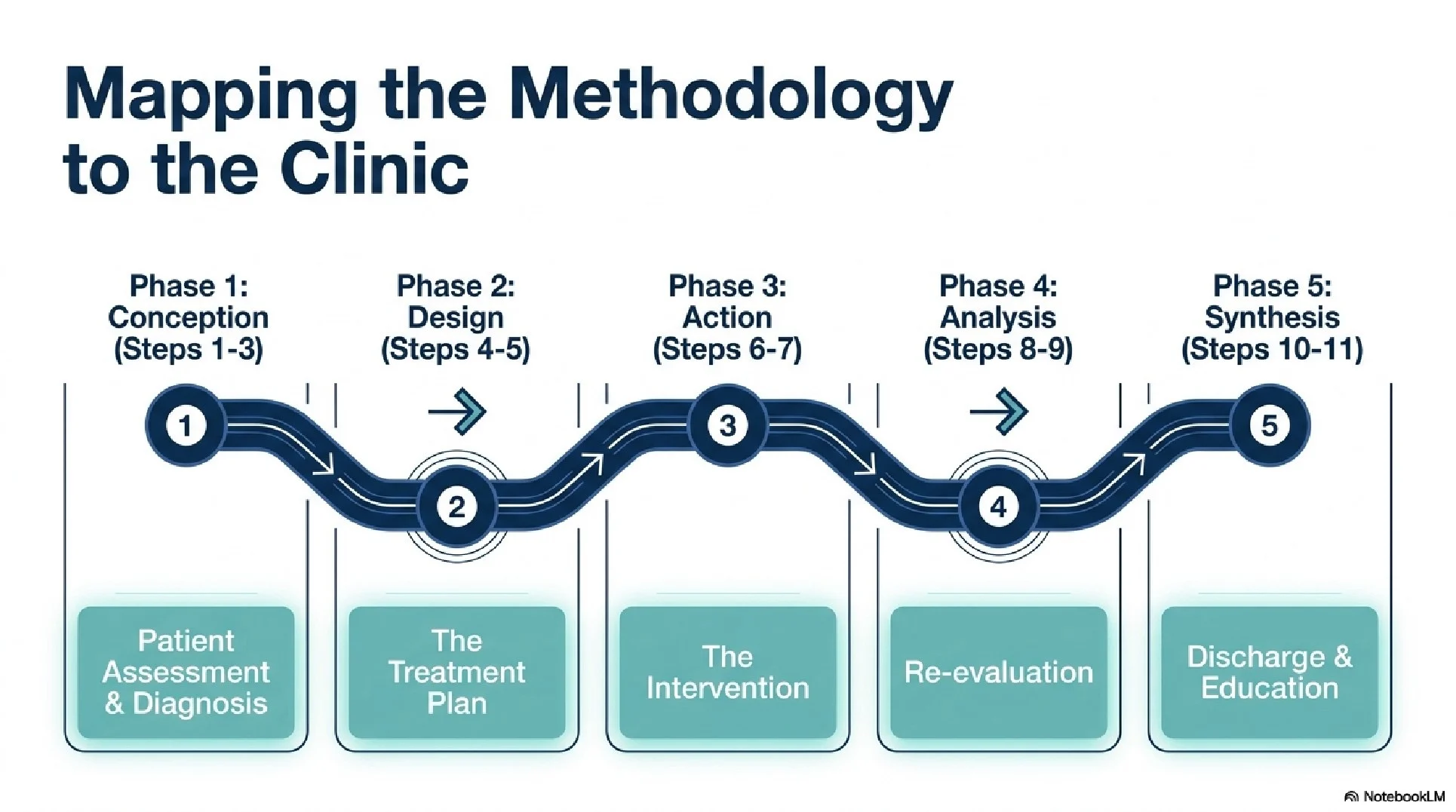
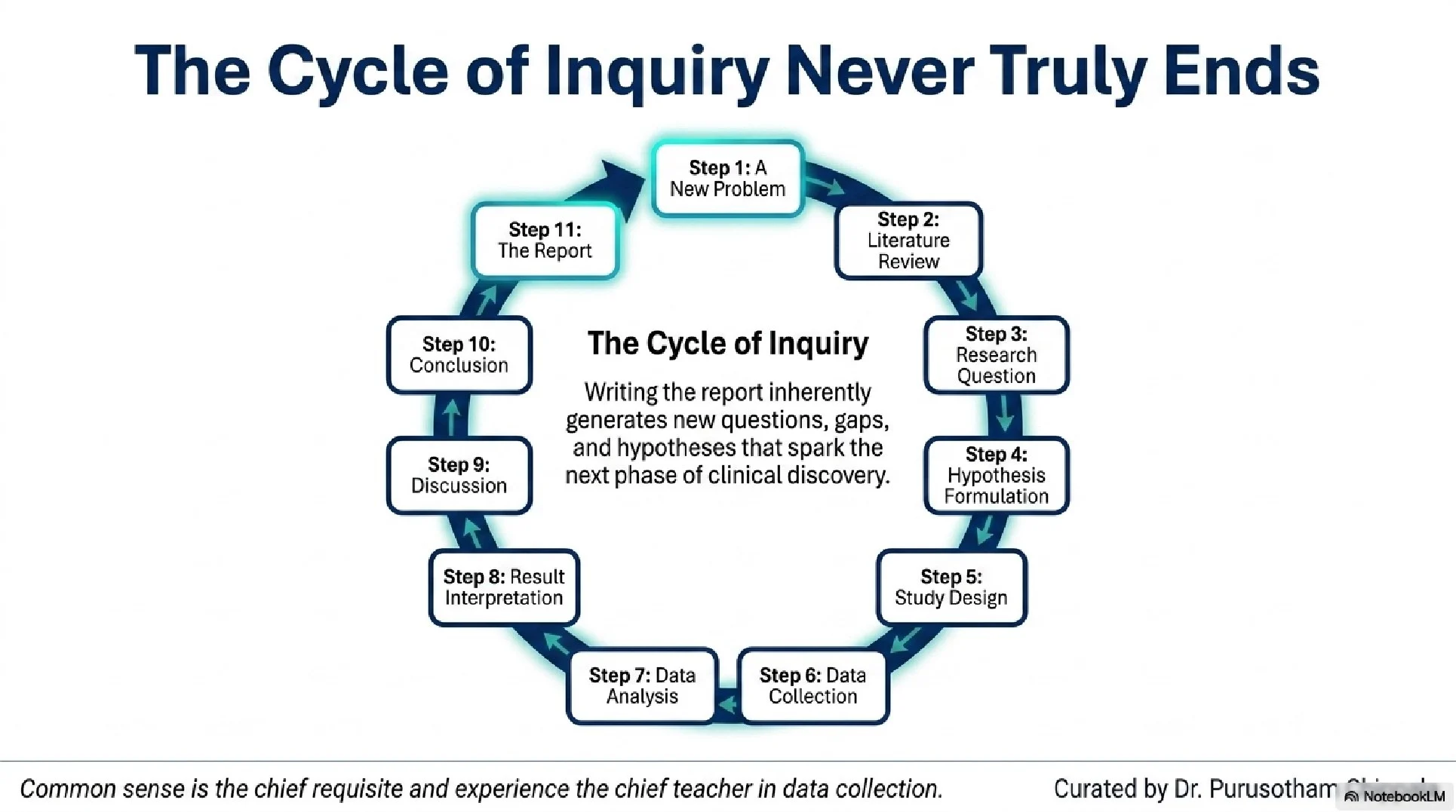
The 11 Essential Steps (Clinically Simplified)
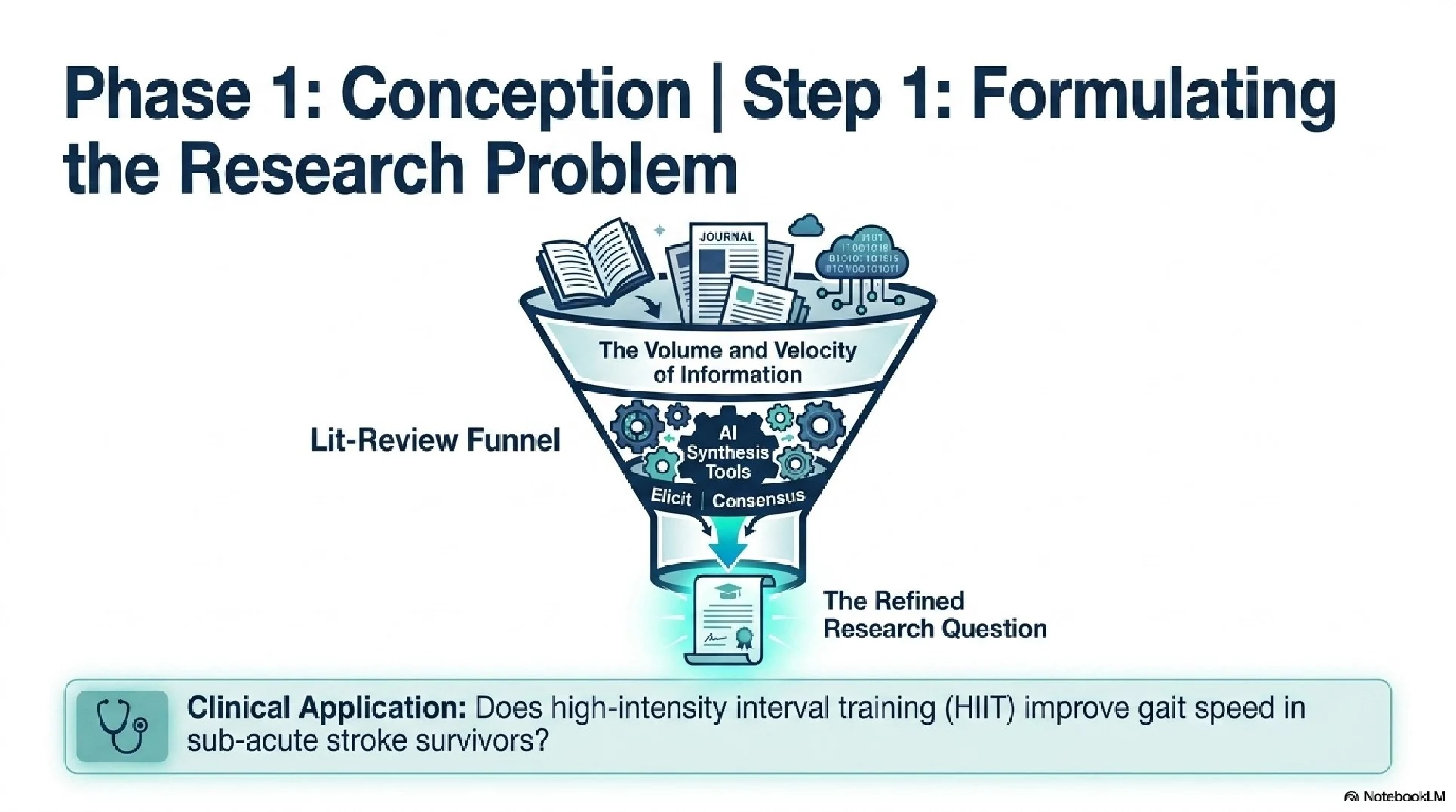
1.Research Problem
Turn curiosity into a focused question: Does TOA improve upper limb recovery more than conventional therapy?
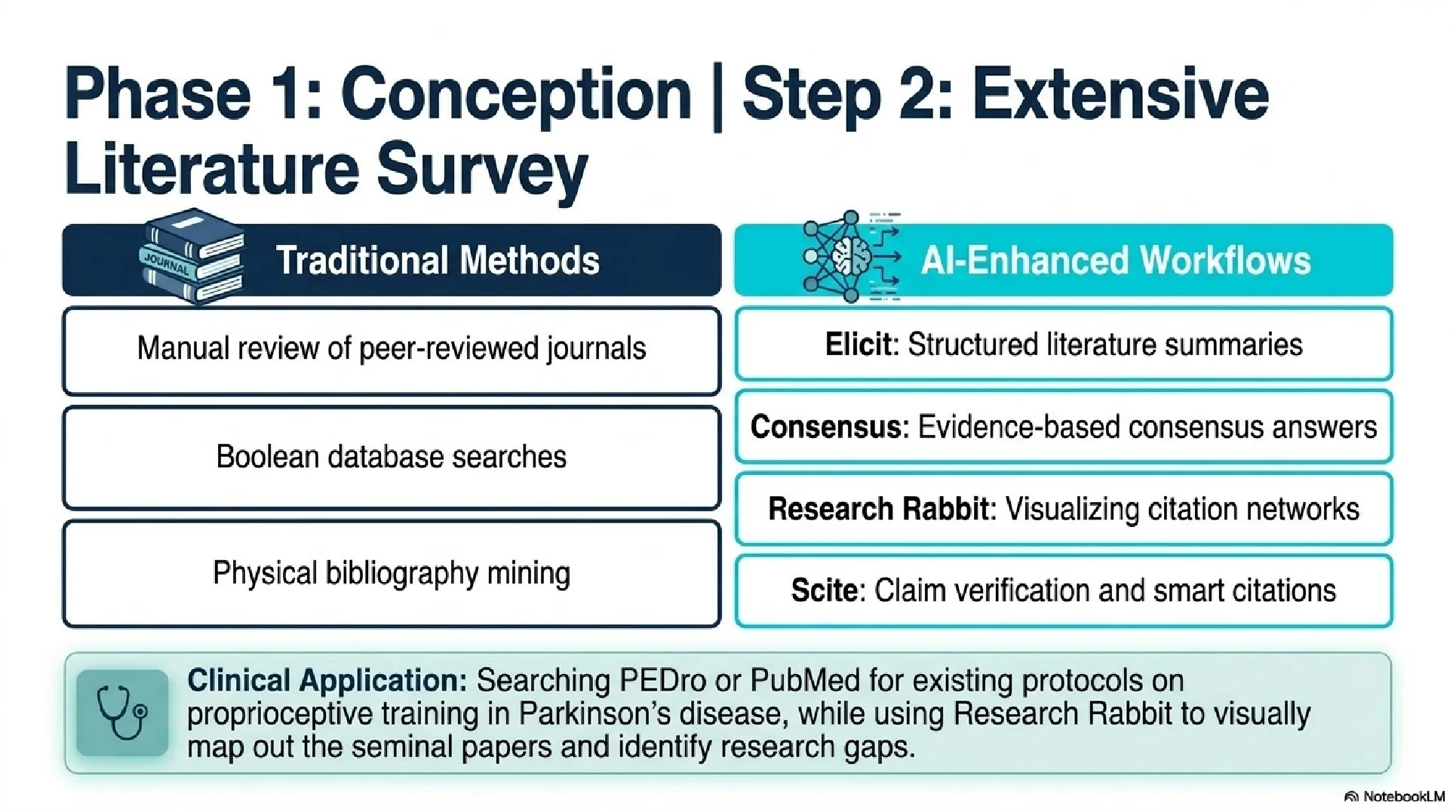
2. Literature Review
Search PEDro, PubMed – don’t guess, verify.
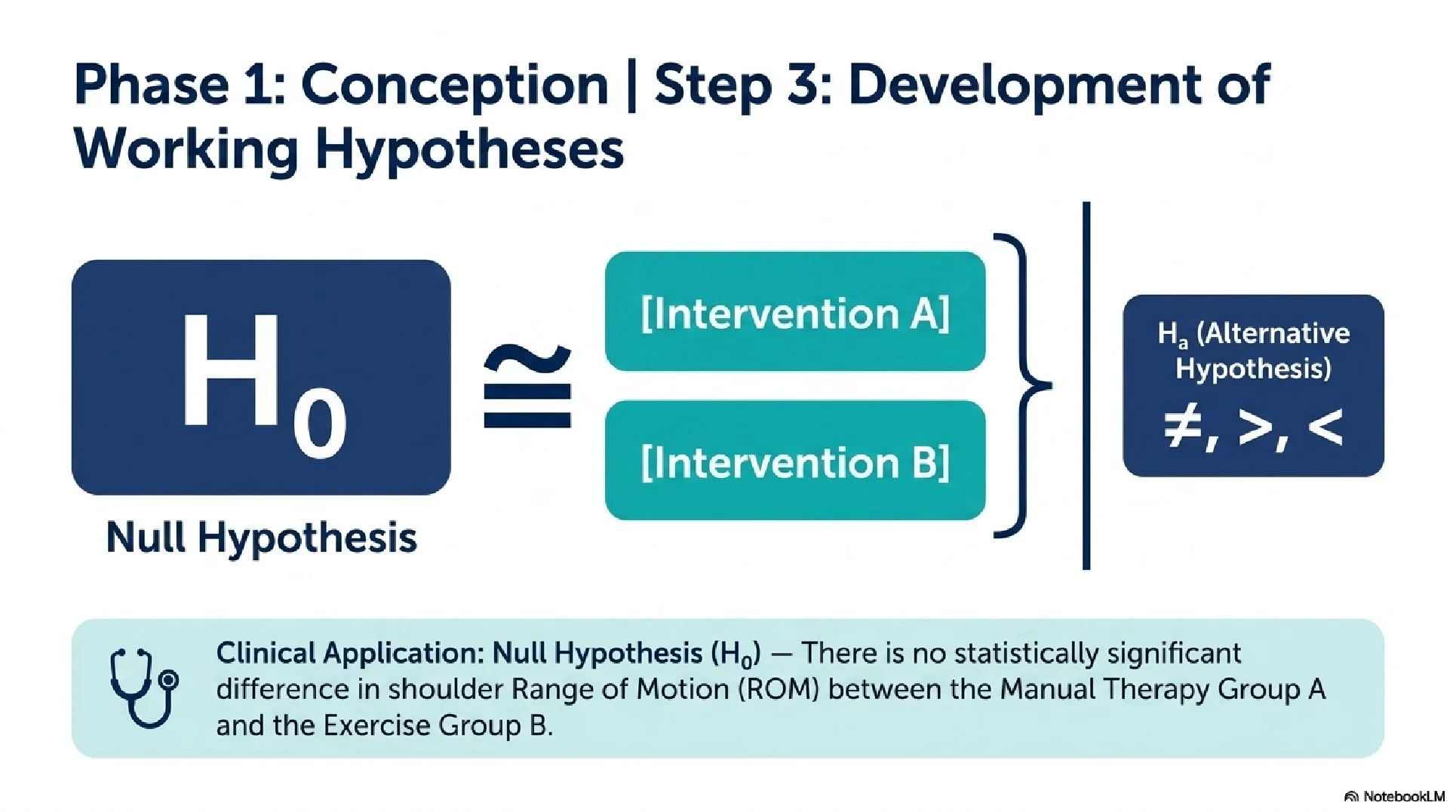
3. Hypothesis
No difference between TOA and conventional therapy (H0)
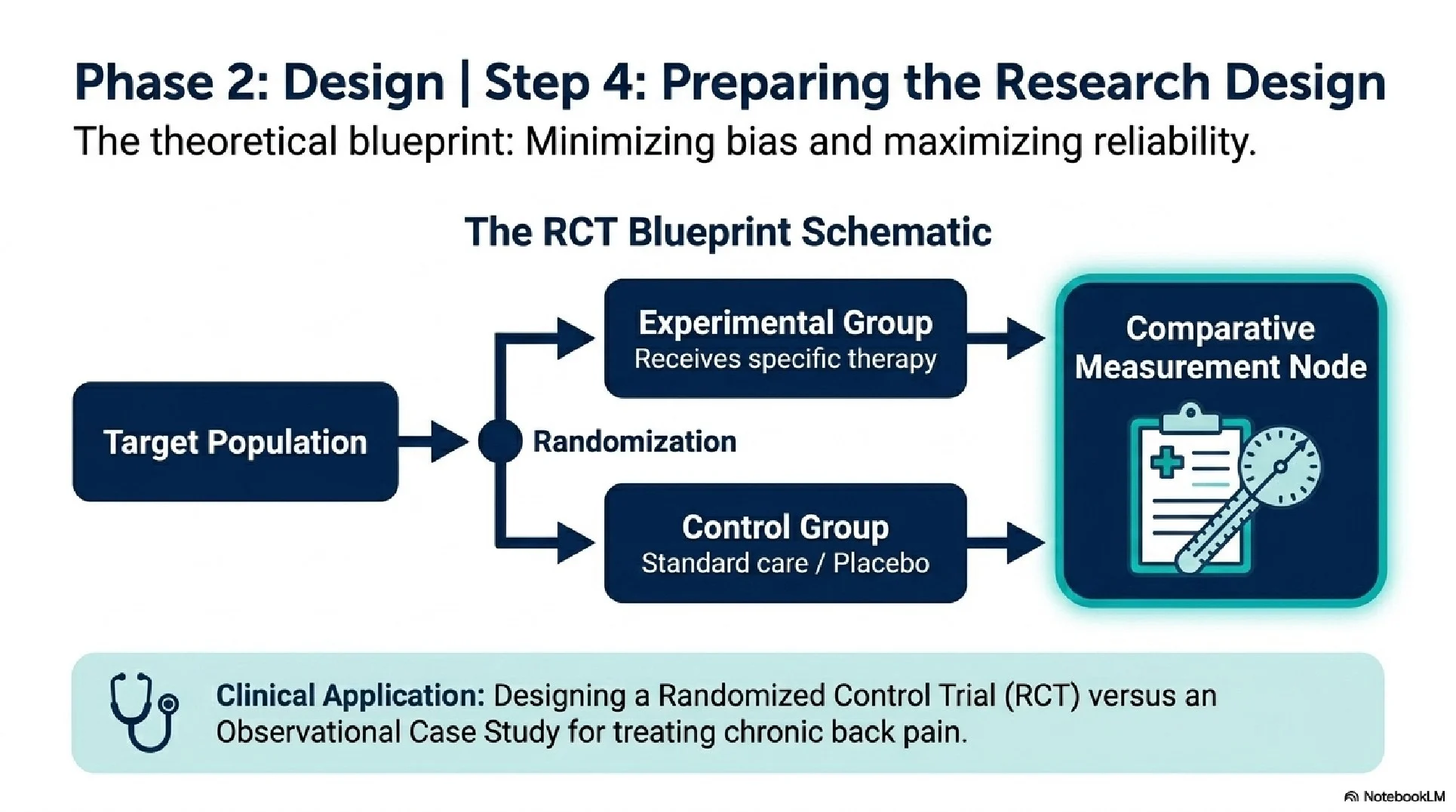
4. Research Design
Choose a strong design – Randomized Controlled Trial (RCT)
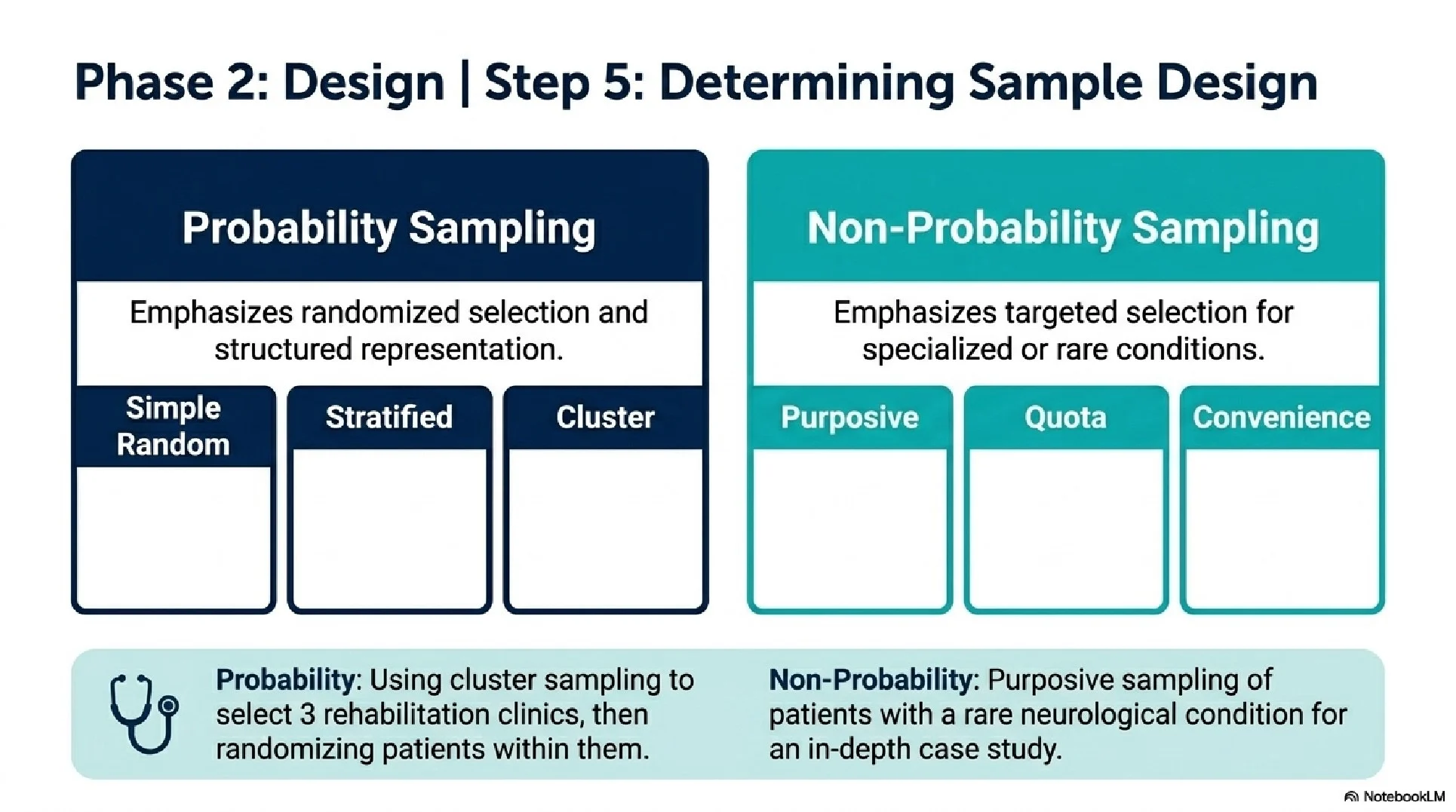
5. Sample Design
Select and randomize acute stroke patients
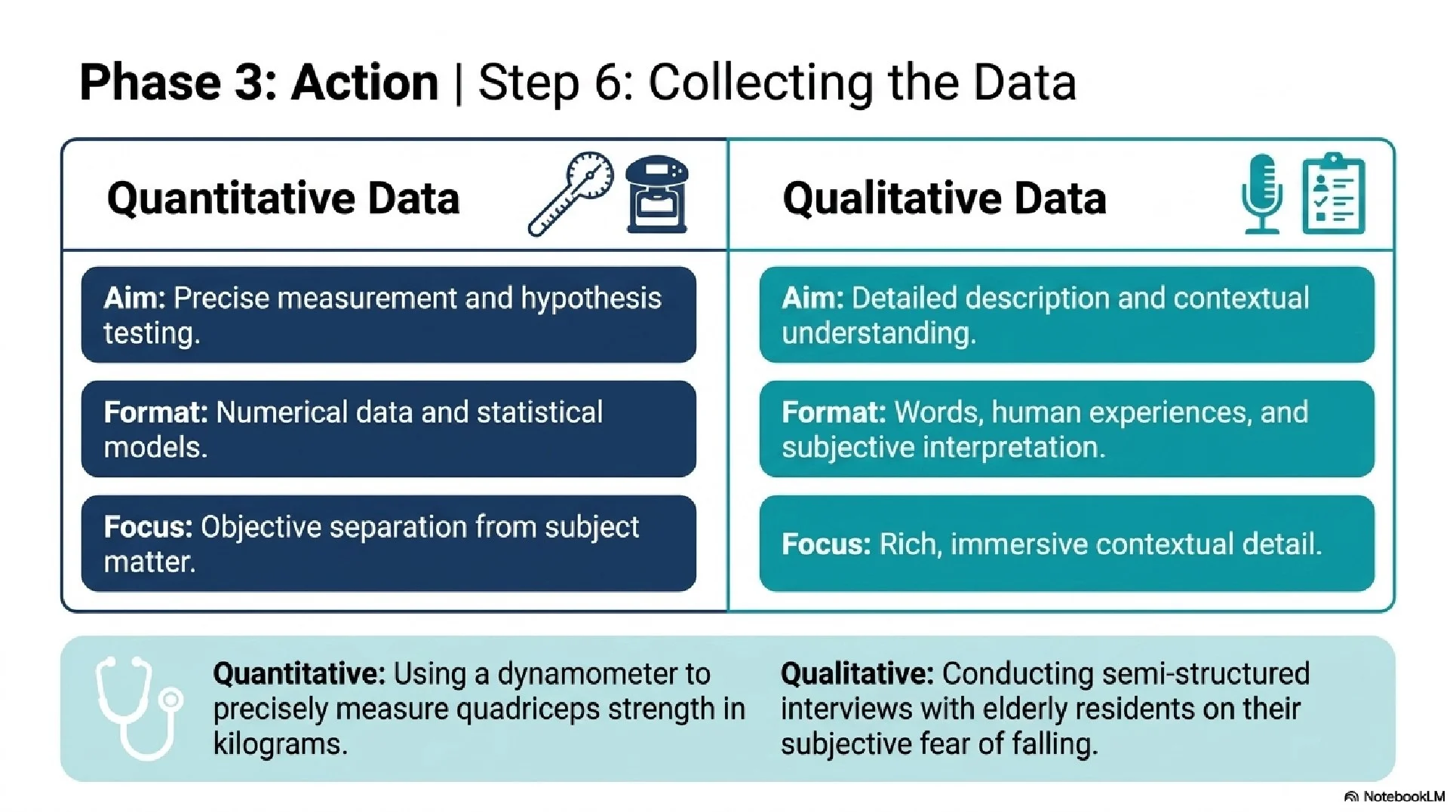
6. Data Collection
Use validated tools – FMA-UE (not subjective opinions)
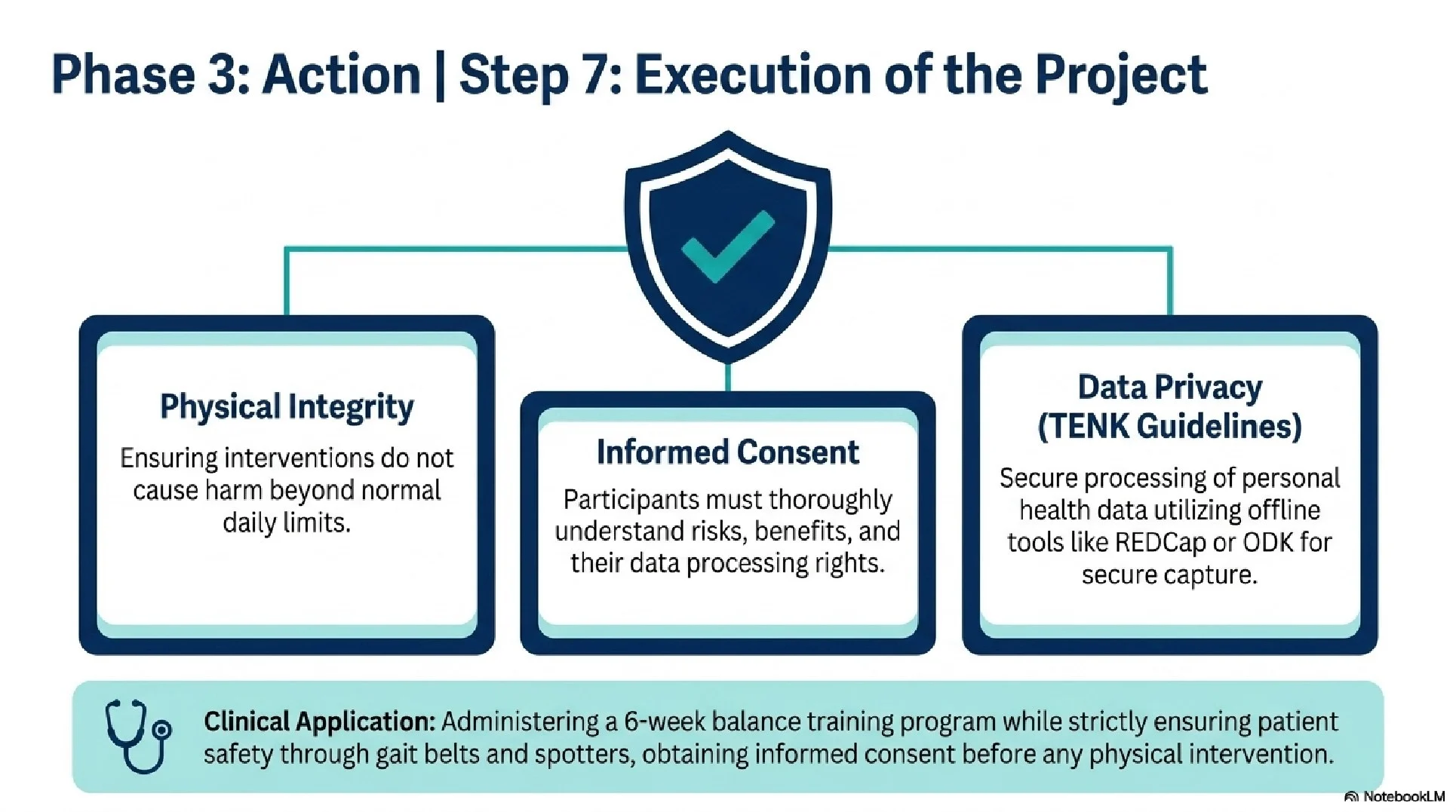
7. Execution
Deliver structured TOA (task-based reaching, grasping, function)
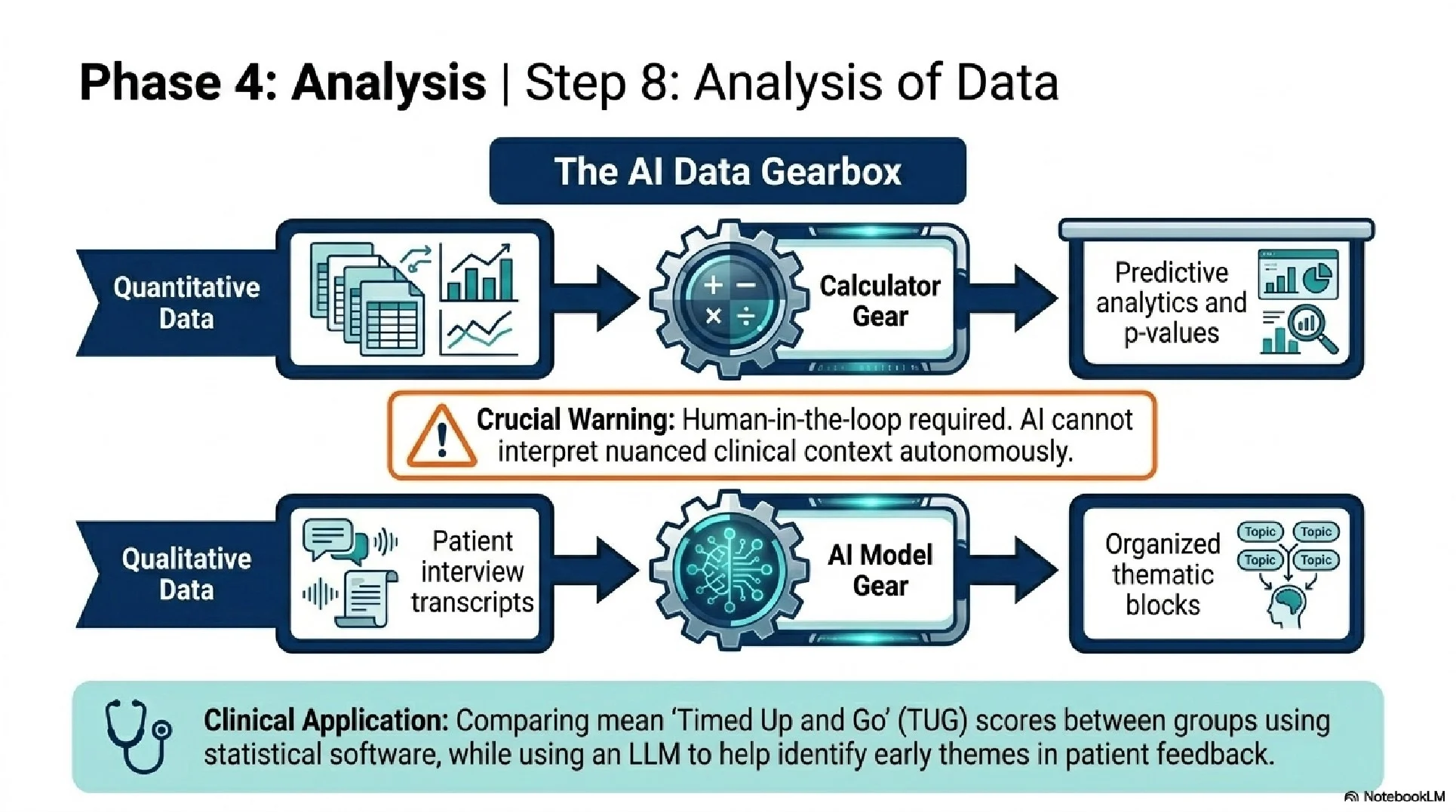
8. Data Analysis
Compare pre–post scores between groups
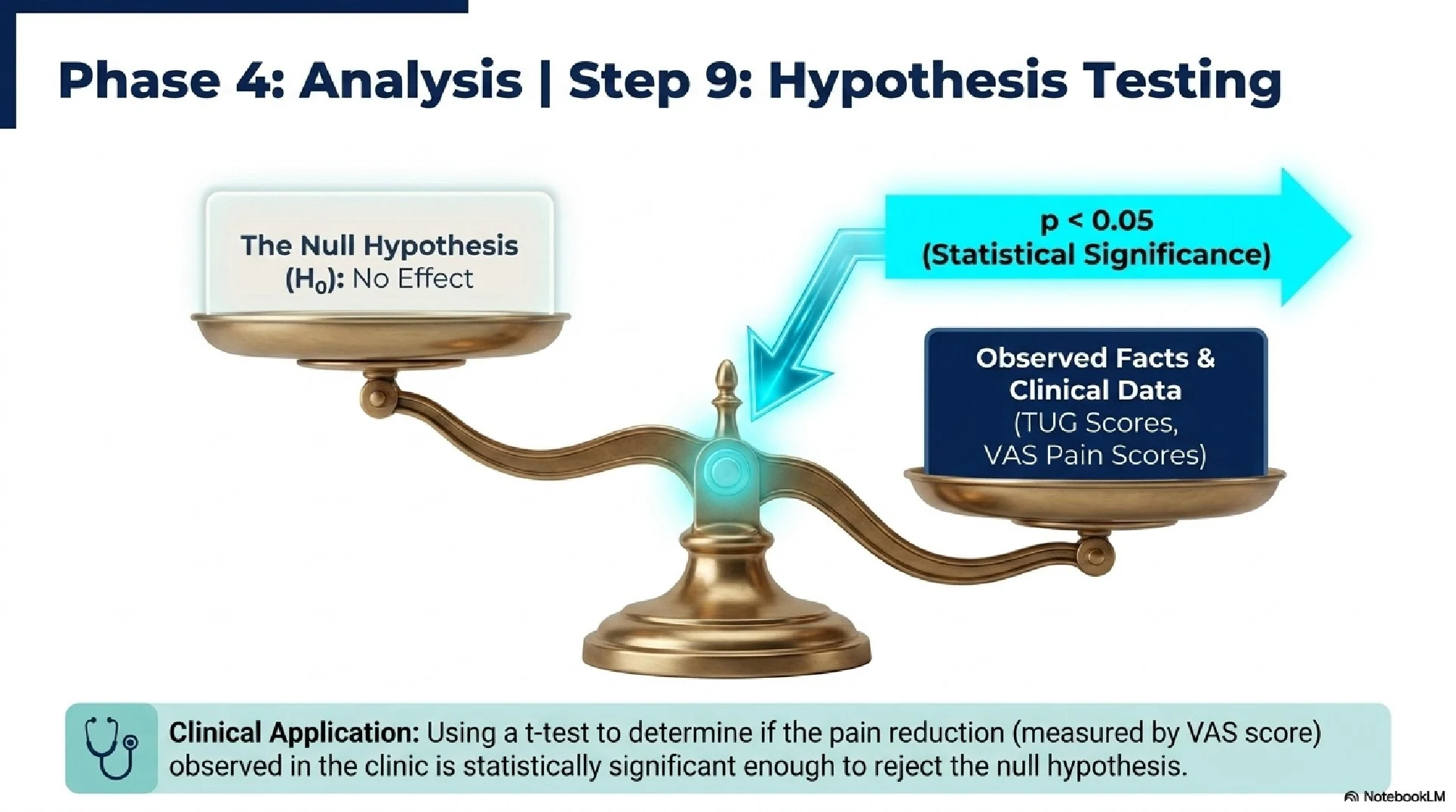
9. Hypothesis Testing
Is improvement significant? (p < 0.05)
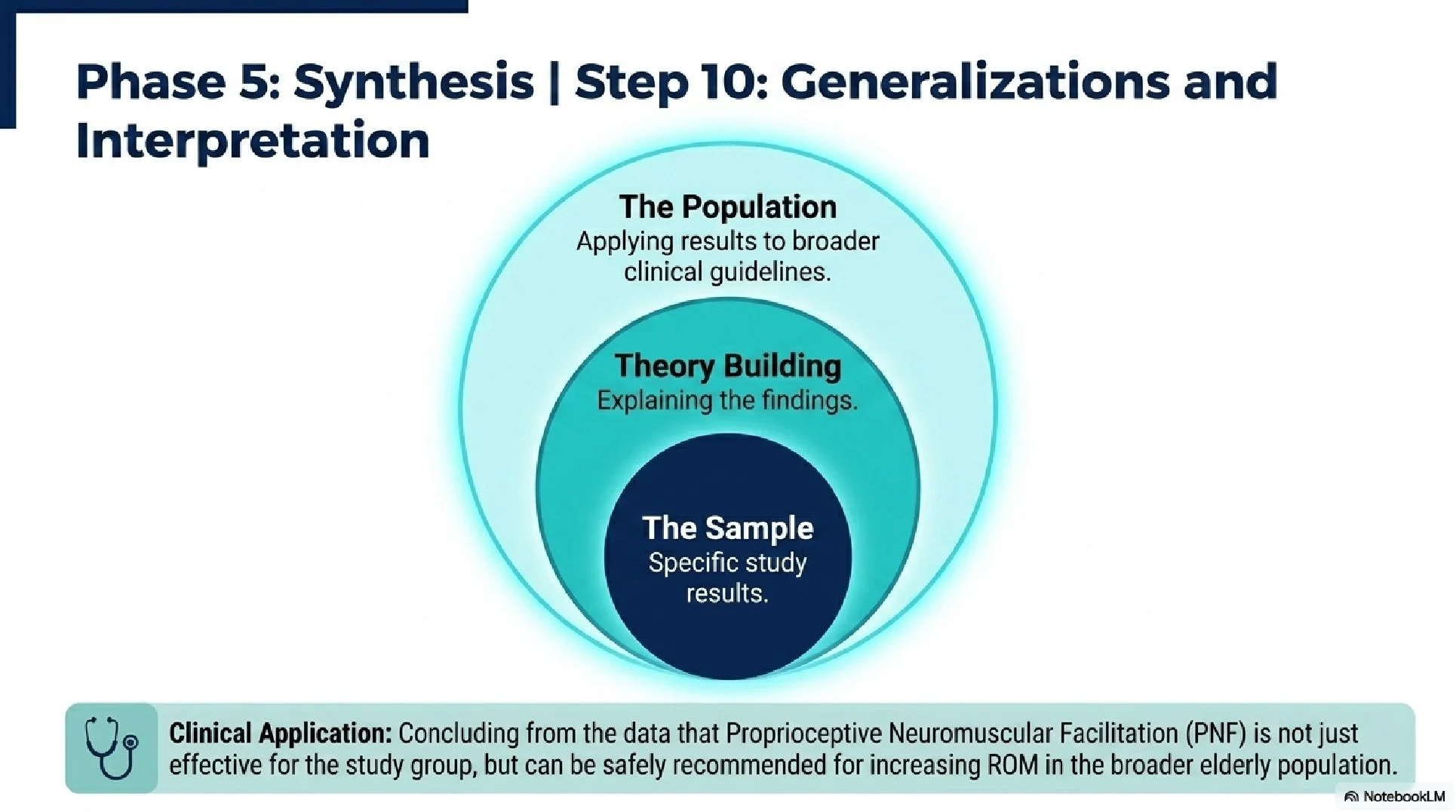
10. Interpretation
Translate results into clinical meaning
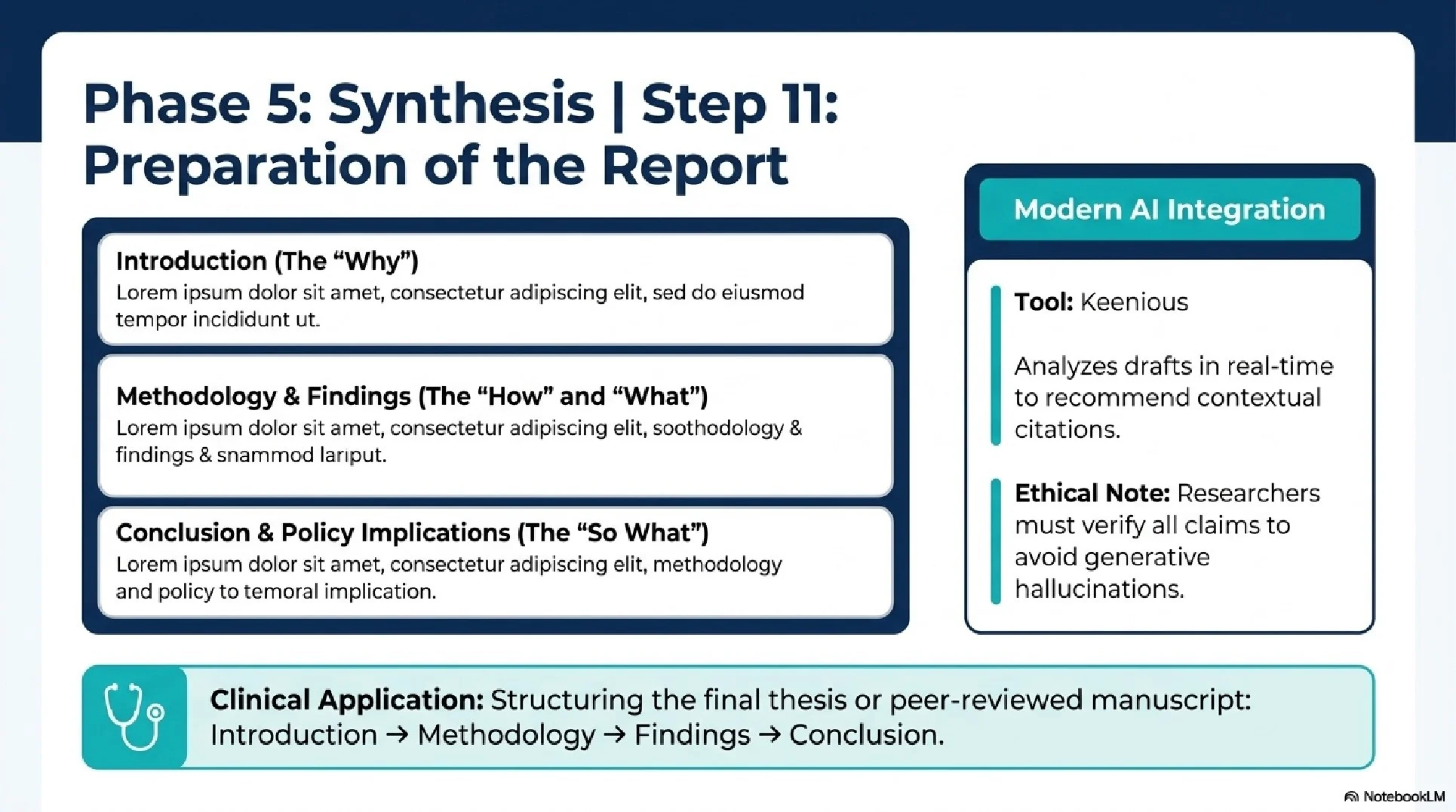
11. Report Writing
Communicate clearly – Journal-ready manuscript
Reality Check
Most physiotherapy research fails because:
- Weak clinical questions
- Poor methodology
- No real-world relevance
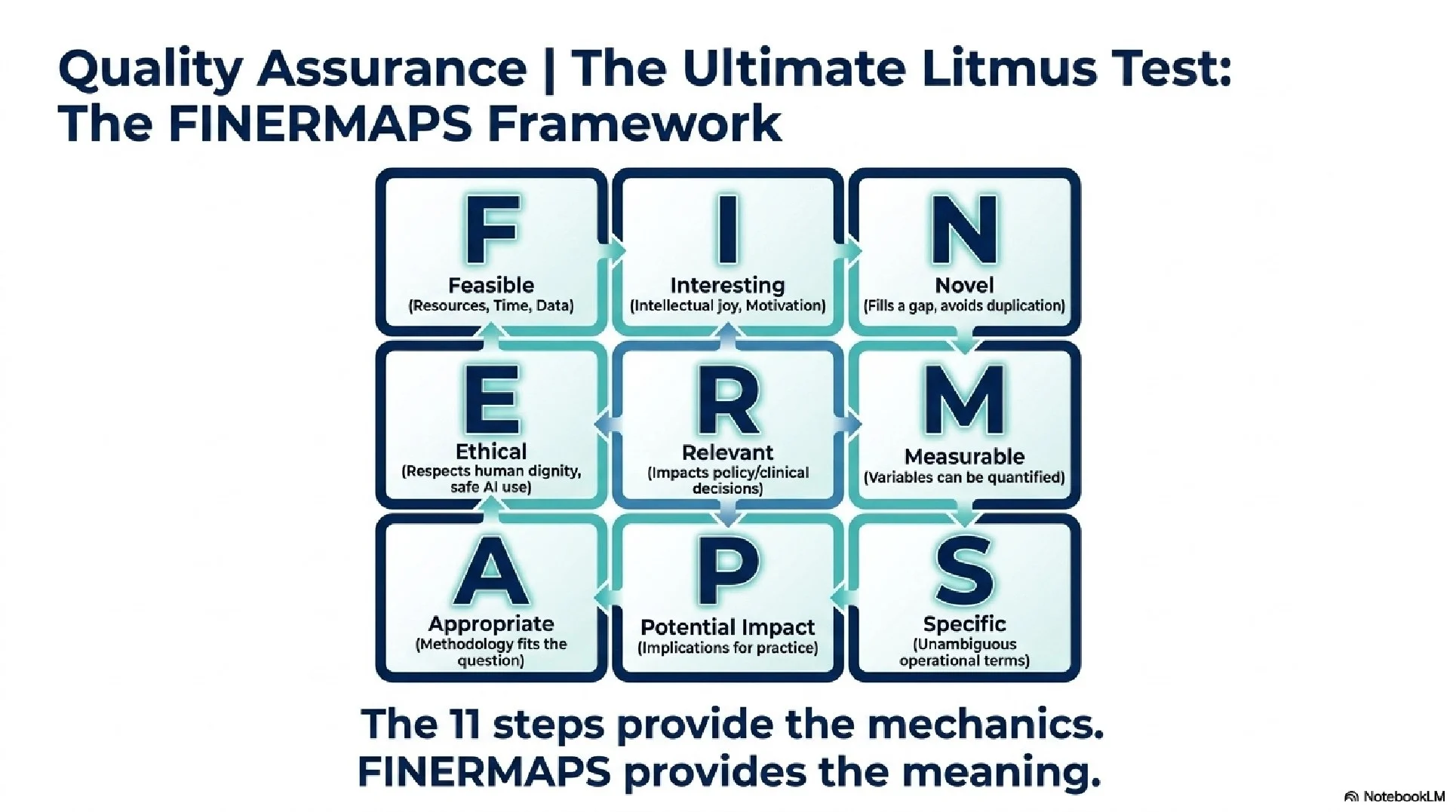
- Good research equals Good clinical thinking plus Good design plus Good execution
Final Takeaway
Don’t do research just to publish.
Do research to solve real patient problems.
What clinical question are you currently exploring? Drop it below!”
Stay updated with Hemostasis Today.
-
Sep 20, 2026, 01:18Sebastian Mafeld: Has 2026 Changed How We Treat Pulmonary Embolism?
-
Sep 20, 2026, 01:16Pall T. Onundarson: DOACs – Monitoring, Tailoring Dose and Identifying Problems
-
Sep 20, 2026, 01:15Thierry Fumeaux: From Efficacy to Effectiveness – The Value of Real-World Evidence
-
Sep 20, 2026, 01:14Said El Shamieh: VEGFA Genetic Variants and Bleeding Risk During Warfarin Therapy
-
Sep 20, 2026, 01:04Omar Danoun: Levetiracetam May Increase Thromboembolic Risk With DOACs
-
Sep 20, 2026, 01:02Mohamed Abo-Aly: Which Antiseizure Medication is Safest for Patients on DOACs?
-
Sep 20, 2026, 00:58Hamza Rafiq: How Does a Deep Vein Thrombosis Become a PE?
-
Sep 20, 2026, 00:50A Shared Platelet Factor 4–Targeted Immune Mechanism in Adenovirus Infection – NEJM
-
Sep 20, 2026, 00:46Julia R. Coleman: Platelet Biology and Sex Differences in the Plasma Milieu at AAST 2026