

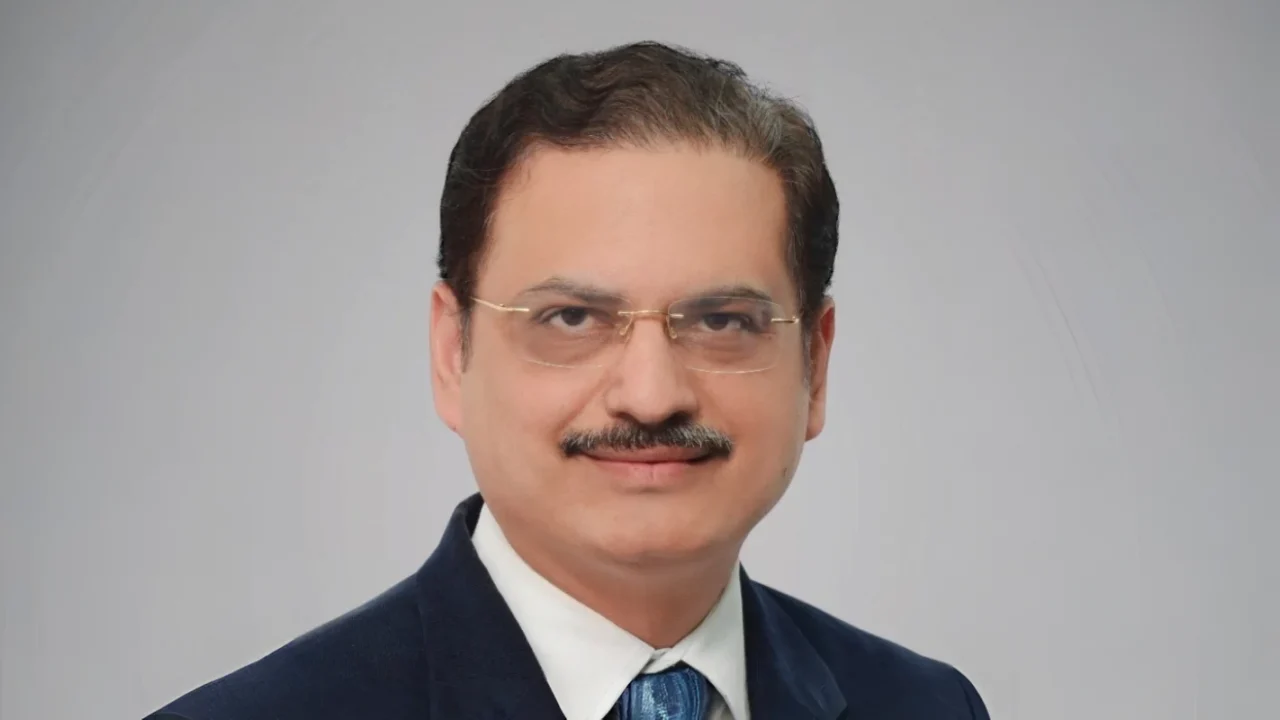
Rahul Gupta: From Emergency to Rehabilitation – A Complete Guide to Stroke Recovery
Rahul Gupta, Director and Head of the Department of Neurosurgery at Fortis Healthcare, shared on LinkedIn:
”Stroke is a medical emergency that requires immediate attention, but recovery doesn’t stop after emergency treatment.
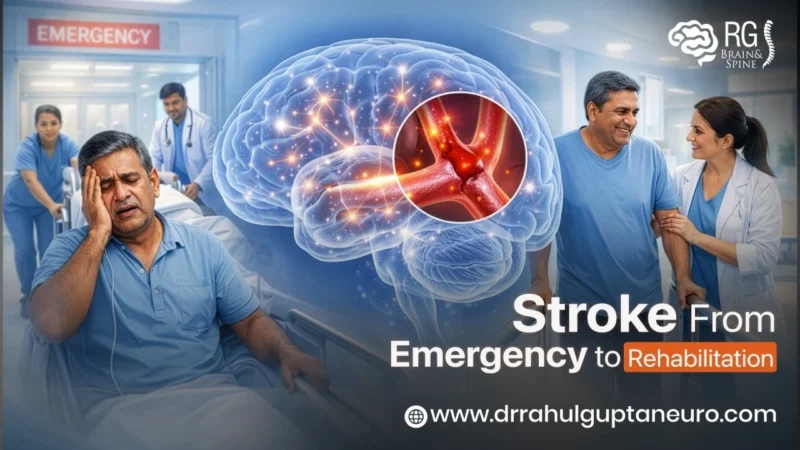
In this article, we explore the entire stroke journey—from recognizing early symptoms and receiving timely medical care to the critical role of rehabilitation in restoring quality of life.
The blog highlights how early intervention, advanced treatment, and structured rehabilitation programs can significantly improve outcomes for stroke patients.
A stroke is one of the most serious medical emergencies that can affect the brain.
It occurs when the blood supply to a part of the brain is interrupted or reduced, preventing brain tissue from receiving oxygen and nutrients.
Within minutes, brain cells begin to die, making immediate medical attention critical.
While strokes can be life-threatening, modern medicine has dramatically improved survival and recovery rates.
With rapid emergency treatment and comprehensive rehabilitation programs, many patients regain independence and quality of life.
This guide explains what happens during a stroke, how emergency care works, and the journey toward rehabilitation and recovery.
Understanding Stroke: What Happens in the Brain
What Is a Stroke?
A stroke occurs when blood flow to the brain is disrupted.
The brain relies on a constant supply of oxygen-rich blood to function properly.
When that supply is blocked or a blood vessel ruptures, brain cells begin to die.
There are three main types of stroke:
1. Ischemic Stroke
The most common type, caused by a blood clot blocking an artery that supplies blood to the brain.
2. Hemorrhagic Stroke
Occurs when a blood vessel in the brain ruptures, causing bleeding that damages surrounding brain tissue.
3. Transient Ischemic Attack (TIA)
Often called a mini-stroke, a temporary blockage that resolves quickly but serves as a serious warning sign.
Recognizing Stroke Symptoms: Act FAST
Early recognition can save lives and prevent permanent damage.
The widely used FAST method helps identify stroke symptoms quickly:
F – Face drooping: One side of the face may appear uneven or numb.
A – Arm weakness: Difficulty lifting or controlling one arm.
S – Speech difficulty: Slurred or confused speech.
T – Time to call emergency services: Immediate action is essential.
Other symptoms may include:
- Sudden severe headache
- Vision problems
- Difficulty walking or maintaining balance
- Numbness on one side of the body
- Confusion or trouble understanding speech
Emergency Treatment: The Critical First Hours
The first few hours after a stroke are often referred to as the ‘golden window’ for treatment.
Rapid Diagnosis
Doctors use advanced imaging techniques such as:
- CT scans
- MRI scans
- Blood tests
These help determine the type and location of the stroke, allowing physicians to choose the most effective treatment.
Clot-Dissolving Medication
For ischemic strokes, certain medications can dissolve blood clots and restore blood flow if given within a specific time window.
Endovascular Procedures
In some cases, specialists perform minimally invasive procedures to remove clots directly from blocked arteries using advanced catheter techniques.
Managing Hemorrhagic Stroke
When bleeding occurs in the brain, treatment focuses on:
- Controlling bleeding
- Reducing pressure inside the skull
- Stabilizing vital functions
Immediate care in a specialized neurological center greatly improves survival and recovery outcomes.
The Road to Rehabilitation
Surviving a stroke is only the beginning of the recovery journey.
Rehabilitation plays a crucial role in helping patients regain independence.
Recovery programs are tailored to each patient depending on the severity of brain injury and affected abilities.
Physical Rehabilitation
Physical therapy helps patients regain:
- Strength and coordination
- Balance and mobility
- Ability to walk independently
Speech and Language Therapy
Stroke can affect communication and swallowing. Speech therapy helps patients:
- Improve speech clarity
- Rebuild language comprehension
- Regain safe swallowing ability
Occupational Therapy
Occupational therapists help patients relearn everyday tasks such as:
- Dressing and bathing
- Cooking and eating
- Using hands for daily activities
Cognitive Rehabilitation
Some stroke survivors experience difficulties with memory, focus, or decision-making. Cognitive therapy helps improve:
- Memory skills
- Problem-solving abilities
- Attention and concentration
Emotional Recovery After Stroke
A stroke does not only affect the body—it also impacts emotional health. Many patients experience:
- Anxiety
- Depression
- Frustration during recovery
Support from family, rehabilitation teams, and counseling professionals can help patients maintain motivation and emotional resilience throughout the recovery process.
Preventing Future Strokes
After recovery, preventing another stroke becomes a top priority. Lifestyle changes and medical management play a vital role.
Key Prevention Strategies
1. Control Blood Pressure High blood pressure is the leading risk factor for stroke.
2. Manage Diabetes and Cholesterol
3. Maintain a Healthy Diet Focus on fruits, vegetables, whole grains, and lean proteins.
4. Stay Physically Active
5. Avoid Smoking and Excessive Alcohol
6. Follow Prescribed Medications
Regular medical check-ups help monitor risk factors and prevent complications.
Living Well After Stroke
Recovery from stroke can take weeks, months, or even years.
However, with the right medical care, rehabilitation support, and lifestyle adjustments, many survivors regain independence and lead fulfilling lives.
Modern neurological care focuses not only on saving lives during emergencies but also on guiding patients through every step of the recovery journey—from emergency treatment to long-term rehabilitation and prevention.
Conclusion
A stroke is a medical emergency that demands immediate attention, but it does not define the future of a patient’s life.
Early diagnosis, advanced treatment, and structured rehabilitation programs can significantly improve recovery outcomes.
Understanding stroke symptoms, acting quickly during emergencies, and committing to rehabilitation can make a life-changing difference for patients and their families.”
Stay updated with Hemostasis Today.
-
Sep 24, 2026, 18:43Hugh Nguyen: Honored to Accept the Friend of Singapore Red Cross Award
-
Sep 24, 2026, 18:42Titilope Fasipe: Proud to Support American Society of Hematology’s SCD Initiative
-
Sep 24, 2026, 18:34Ifeanyichukwu Ifechidere: Why Coagulation Samples Can Be “Too Valuable to Throw Away”?
-
Sep 24, 2026, 18:33Aswin K. Mohan: When a Superpower Hears the Call for Blood
-
Sep 24, 2026, 18:31Mercy Lung’aho: Anemia Is Not Only An Iron Problem
-
Sep 24, 2026, 18:29Nick Hanson: Before a Dementia Diagnosis Check Vitamin B12
-
Sep 24, 2026, 18:28Rachel McBryan: Nearly One in Five Older Canadians Has Low Vitamin B12
-
Sep 24, 2026, 18:27Kemal Karaagac: Early DOAC Initiation After Acute Ischaemic Stroke in Atrial Fibrillation
-
Sep 24, 2026, 18:26Mohammed A. AlOmar: What Characterizes Young Stroke in the UAE?