

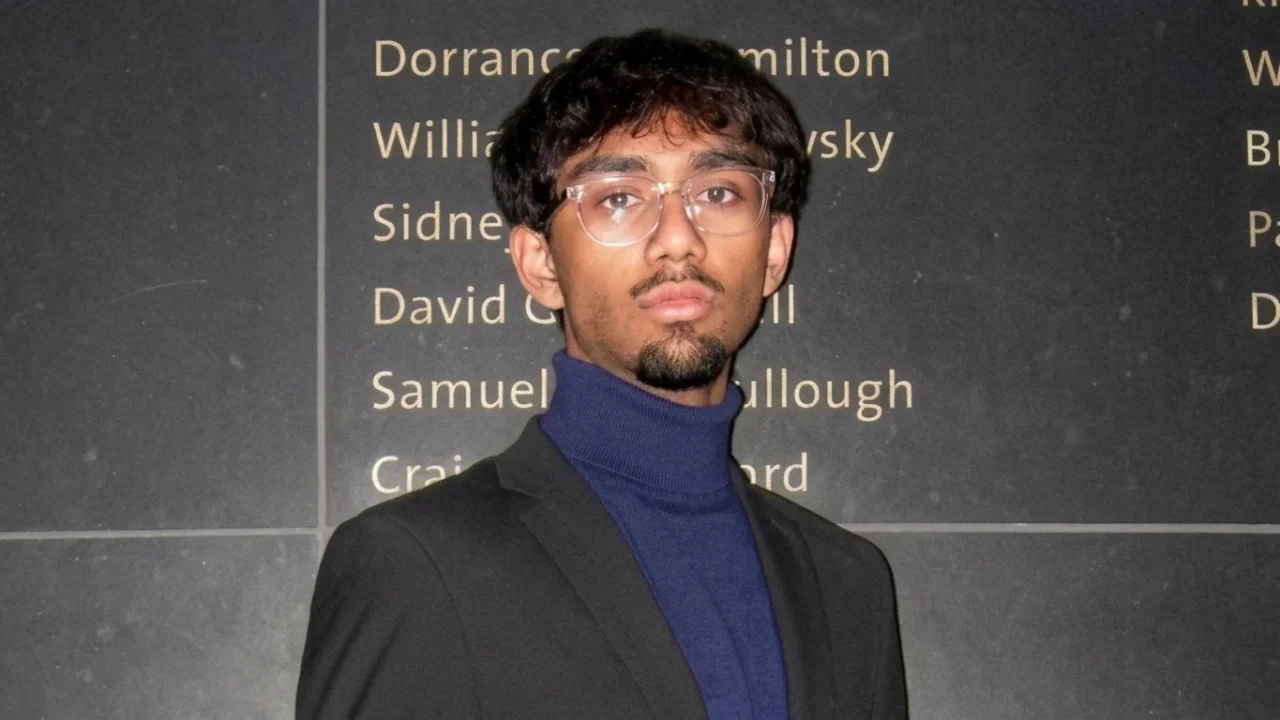
Ram Chaganti: Could Immune Tolerance Be Engineered in Chronic Immune Thrombocytopenia?
Ram Chaganti, Officer at Lake Braddock Secondary School Chemistry Olympiad, shared a post on LinkedIn:
“Engineering a Cure: A Theoretical Framework for Treating Chronic ITP with Nanoparticles
My name is Ram Chaganti. I’m a high school student, and I spent several months building a theoretical framework for something that doesn’t exist yet – a way to potentially cure an autoimmune blood disorder called ITP.
Here’s the story behind it, and where I’m taking it next.
Someone in my family had ITP – immune thrombocytopenia – a disease where the immune system destroys your own platelets. There is no cure. Every available treatment either suppresses the whole immune system, temporarily blocks one pathway, or forces the bone marrow to compensate. None of them fix the root problem: the immune system has lost the ability to recognize platelets as self.
That question – why can’t we fix that directly? – is what started this project.
What I Built:
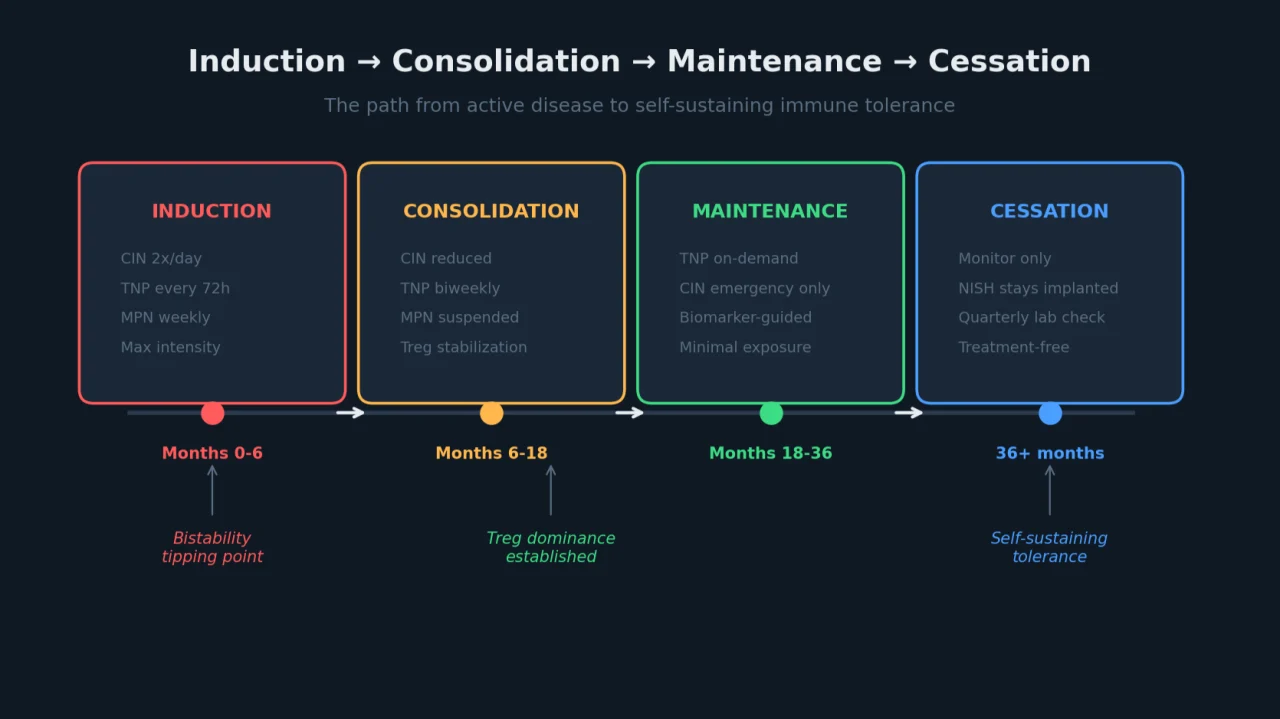
A theoretical framework proposing three types of engineered nanoparticles, each designed to intervene at a different point in the disease, delivered through a concept I call the NISH device – a small implantable hub that would sense immune biomarkers in real time and adjust treatment automatically.
Think of it like a closed-loop insulin pump, but for immune tolerance instead of blood sugar.
I also wrote the dosing algorithm, coded a simulation to stress-test it against edge cases (sepsis, sensor failure, immune flares), and modeled the immune dynamics using differential equations to understand when the system could theoretically sustain tolerance on its own.
The full paper synthesizes 78 peer-reviewed sources across immunology, polymer chemistry, computational modeling, biomedical device engineering, and regulatory science.
What makes this approach different:
Most ITP therapies target one mechanism. This disease has at least five working against you at the same time. The framework tries to address all of them – autoantibody clearance, complement activation, desialylation, T cell dysregulation, and megakaryocyte destruction – through a coordinated nanoparticle system rather than a single drug.
The goal isn’t suppression. It’s tolerance – teaching the immune system to recognize platelets as self again.
What I didn’t have:
A lab. An institution. A budget.
Everything came from reading primary literature and trying to connect ideas across fields that don’t usually talk to each other. I’m a high school student. I don’t pretend this replaces experimental validation – it’s a theoretical proposal, and I’ve been transparent about that throughout. But I believe the questions it asks are worth asking.
What’s next:
This project isn’t done. It’s the beginning.
Publication: I plan on submitting the paper to peer-reviewed journals (starting with NHSJS) and posting it as a preprint on bioRxiv so the work is publicly available and citable. I want this framework in front of people who can challenge it, improve it, and build on it.
Lab experience: I’m actively seeking internship or research assistant opportunities in immunology, nanomedicine, or biomedical engineering labs – anywhere I can get hands-on experience and begin translating theoretical ideas into experimental work. Even basic benchwork would teach me things no paper can.
Collaboration: I want to partner with university students and professors who work in related fields. If you’re a grad student studying tolerogenic nanoparticles, a postdoc working on closed-loop drug delivery, or a PI running an ITP or autoimmunity lab – I’d welcome the chance to learn from you, contribute where I can, and explore whether any part of this framework is worth testing.
Long-term: I want to see this concept move from theory to laboratory to clinic. I don’t know how long that takes or how much of the original idea survives contact with reality. But I want to be part of that process – through undergrad, through graduate school, and beyond.
Why it matters:
This project started because of loss. I’d like it to lead to something that helps – even if what I’ve built so far is just the first draft of a much longer conversation. If any of this resonates – or if you know someone it might – I’d be grateful for a connection.”
Stay updated with Hemostasis Today.
-
Sep 27, 2026, 15:49Rana Al-Hrout: Iron Deficency – Is Ferritin 15ng/mL or Less Still the Cutoff?
-
Sep 27, 2026, 15:49Ayushi Sharma: What I Thought Transfusion Medicine Would Be vs What It Actually Is
-
Sep 27, 2026, 15:48William Wallace: How Much Human Research Is Behind the Supplements We Take?
-
Sep 27, 2026, 15:46Franck Perraudin: Lp(a) Lowering Alone May Not Be Enough
-
Sep 27, 2026, 15:41Ahmed Hamandi: Sharing Real-World HSCT Experience at the Iraqi Society of Haematology Conference
-
Sep 27, 2026, 15:39Co-creating Digital Support With Young Stroke Survivors – European Stroke Organisation
-
Sep 27, 2026, 15:39Eleri Schiavone: Celebrating 80 Years of the Welsh Blood Service
-
Sep 27, 2026, 15:38Jessica Garcia: Standing Where VWD Was First Recognized 100 Years Later
-
Sep 27, 2026, 15:37Heghine Khachatryan: A Meaningful Step Forward for Inherited Blood Disorders in Africa