


Shervin Jose: How Herbal Medicine Changed World History
Shervin Jose, Assistant Professor at SNS College of Pharmacy and Health Sciences, shared a post on LinkedIn:
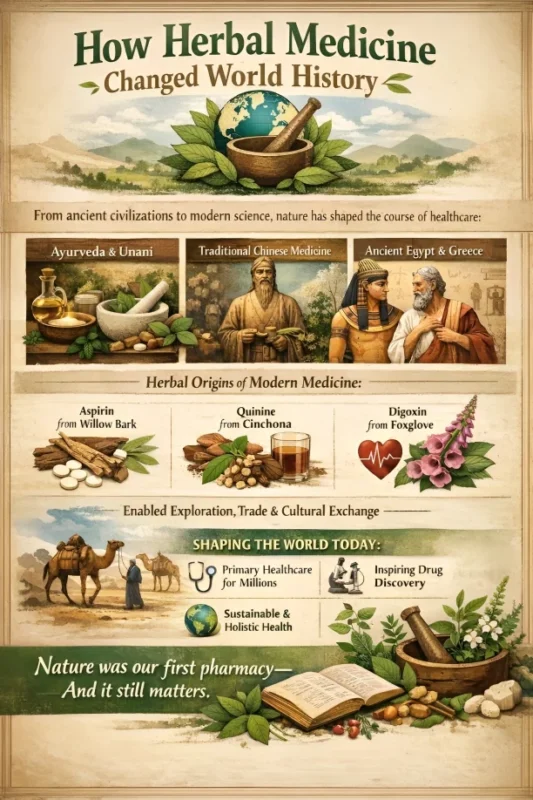
“How Herbal Medicine Changed World History
Long before modern laboratories and synthetic drugs, humanity relied on nature for healing – and that wisdom shaped the course of world history. Herbal medicine laid the foundation of healthcare in ancient civilizations like India, China, Egypt, and Greece. Systems such as Ayurveda, Traditional Chinese Medicine, and Unani used plants not only to treat diseases but also to promote balance, prevention, and longevity.
Many life-saving modern drugs trace their origins to herbs – aspirin from willow bark, quinine from cinchona for malaria, and digoxin from foxglove for heart disease. These discoveries changed global health outcomes, reduced mortality, and enabled exploration, trade, and population growth. Herbal knowledge also influenced cultural exchange, as spices and medicinal plants drove trade routes like the Silk Road.
Even today, herbal medicine continues to impact the world by supporting primary healthcare for millions, inspiring drug discovery, and promoting sustainable, holistic approaches to health. From ancient roots to modern science, herbal medicine has not just healed individuals- it has shaped civilizations and continues to guide the future of medicine.
Nature was our first pharmacy – and it still matters”
Stay updated with Hemostasis Today.
-
Sep 30, 2026, 14:13Ashok Choudhury: Portal Vein Thrombosis and Outcomes in Cirrhosis
-
Sep 30, 2026, 13:57Leslye Conde Bazán: When Conventional Imaging Is Not Enough – The Role of IVUS
-
Sep 30, 2026, 13:41Huda Salah Eldin: The Challenge of Balancing Antithrombotic Therapy After PCI
-
Sep 30, 2026, 13:29Abdus Salam: What Can CT Venography Reveal About the Veins?
-
Sep 30, 2026, 13:03Amira Mohy: Diagnostic Flow Cytometry Panels for Hematological Malignancies
-
Sep 30, 2026, 12:52Paul Watton: Could Repetitive Head Impacts Leave a Molecular Memory?
-
Sep 30, 2026, 12:41The Journey to ISTH 2027 Starts in Vancouver
-
Sep 30, 2026, 11:36Basit Ali: A Closer Look at CT Venography
-
Sep 30, 2026, 11:16Christina Pohlman: Could aPL Levels Help Predict Stroke Recurrence?