


Shujha Abbas: Understanding the Real Cost of Gene Therapie
Shujha Abbas, Chemistry Teacher at BBSS, shared a post on LinkedIn:
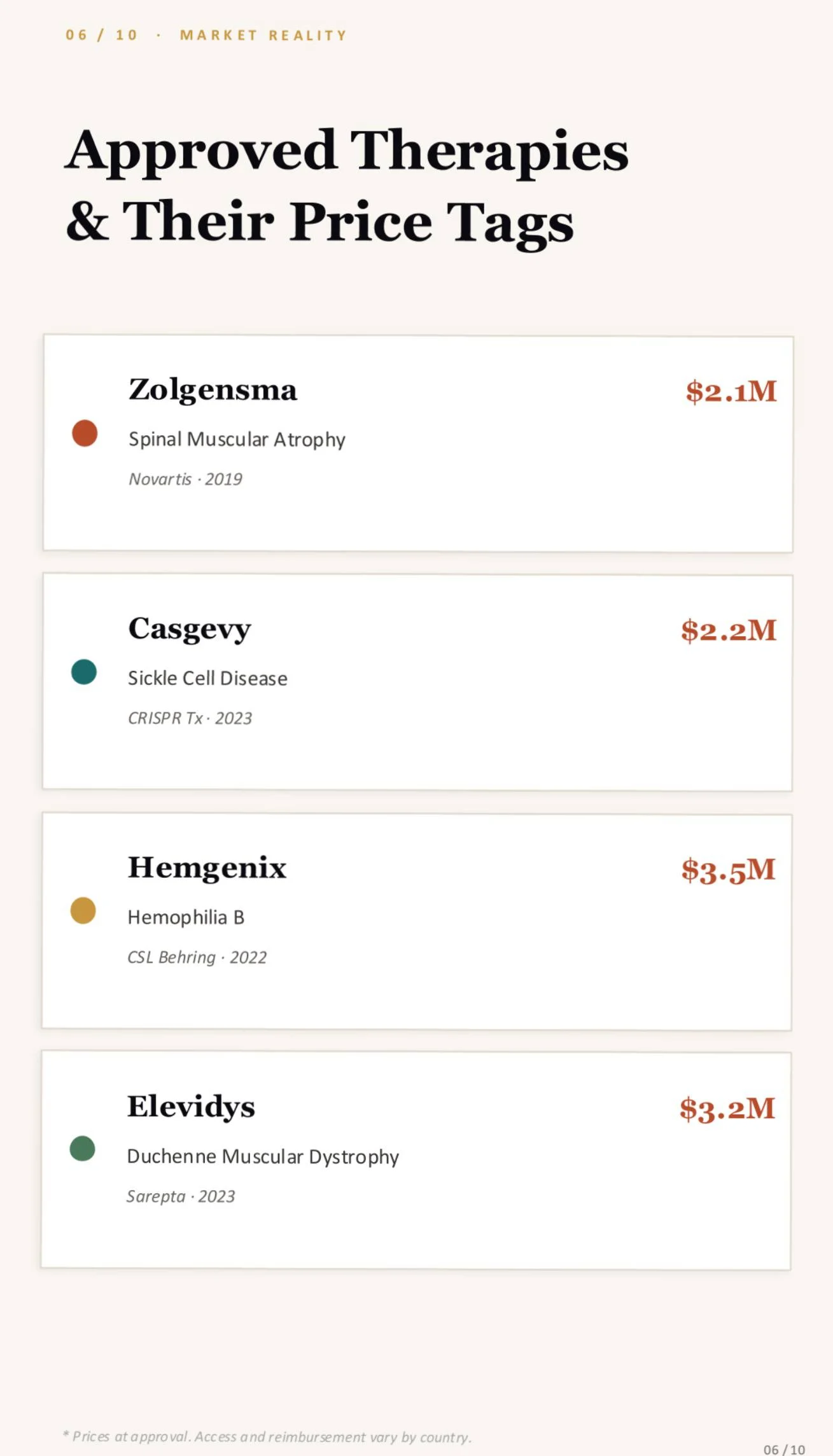
”A single injection.dollar 2.1 million.
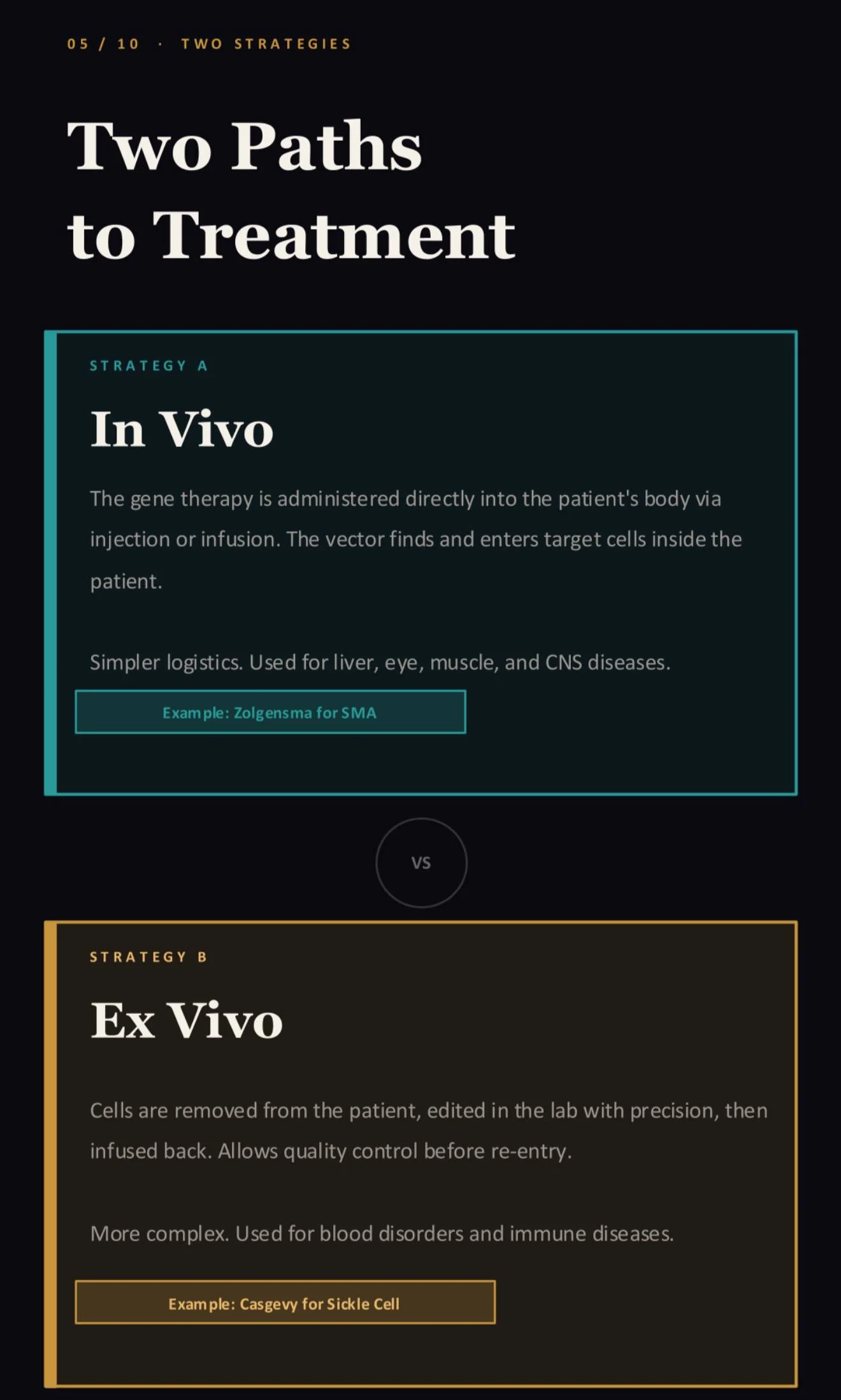
That’s what it costs to treat a child with Spinal Muscular Atrophy using Zolgensma – the gene therapy that can stop a fatal disease in its tracks.
Most people see the price tag and think ‘greed.’
The reality is far more complicated.
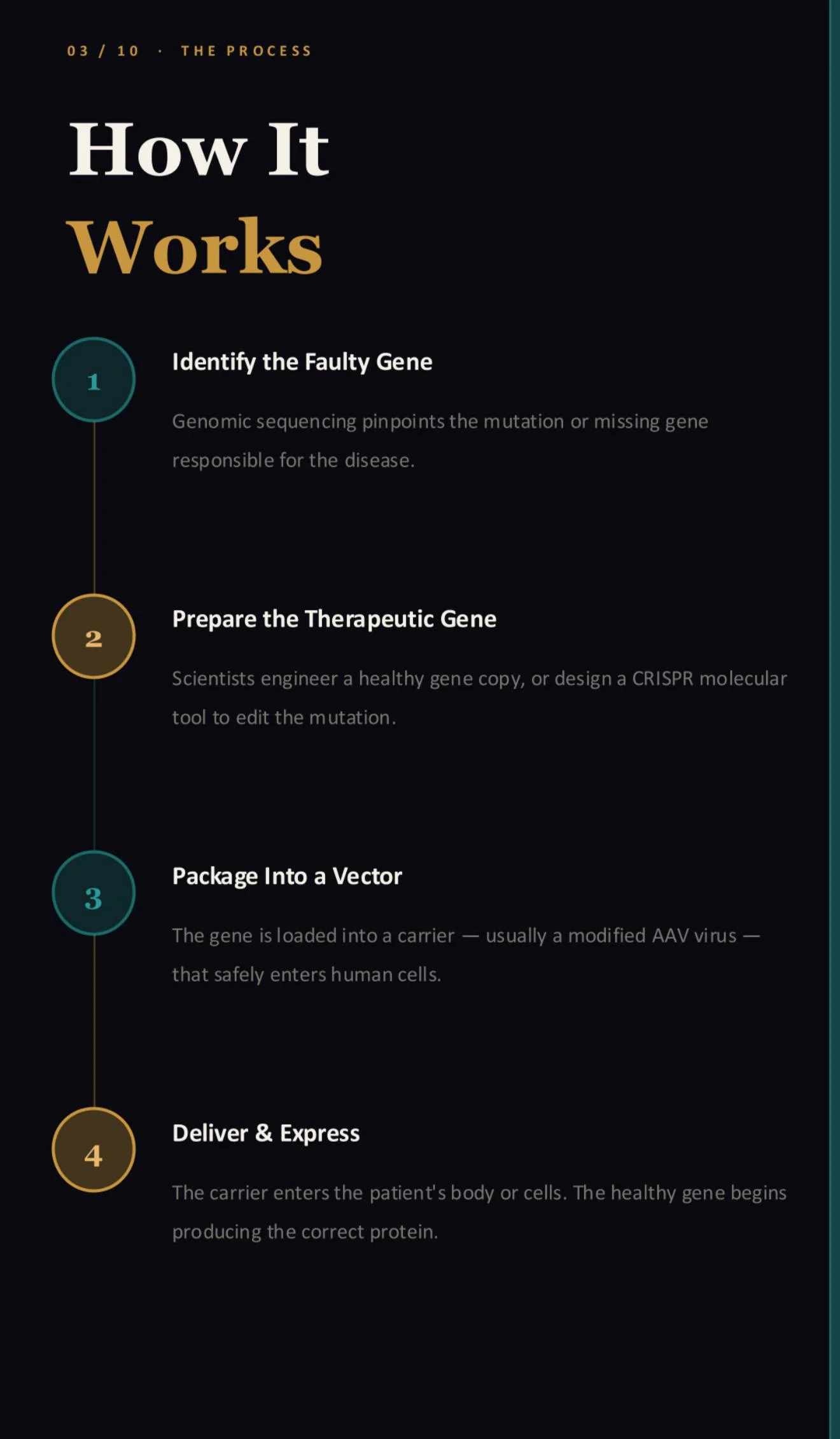
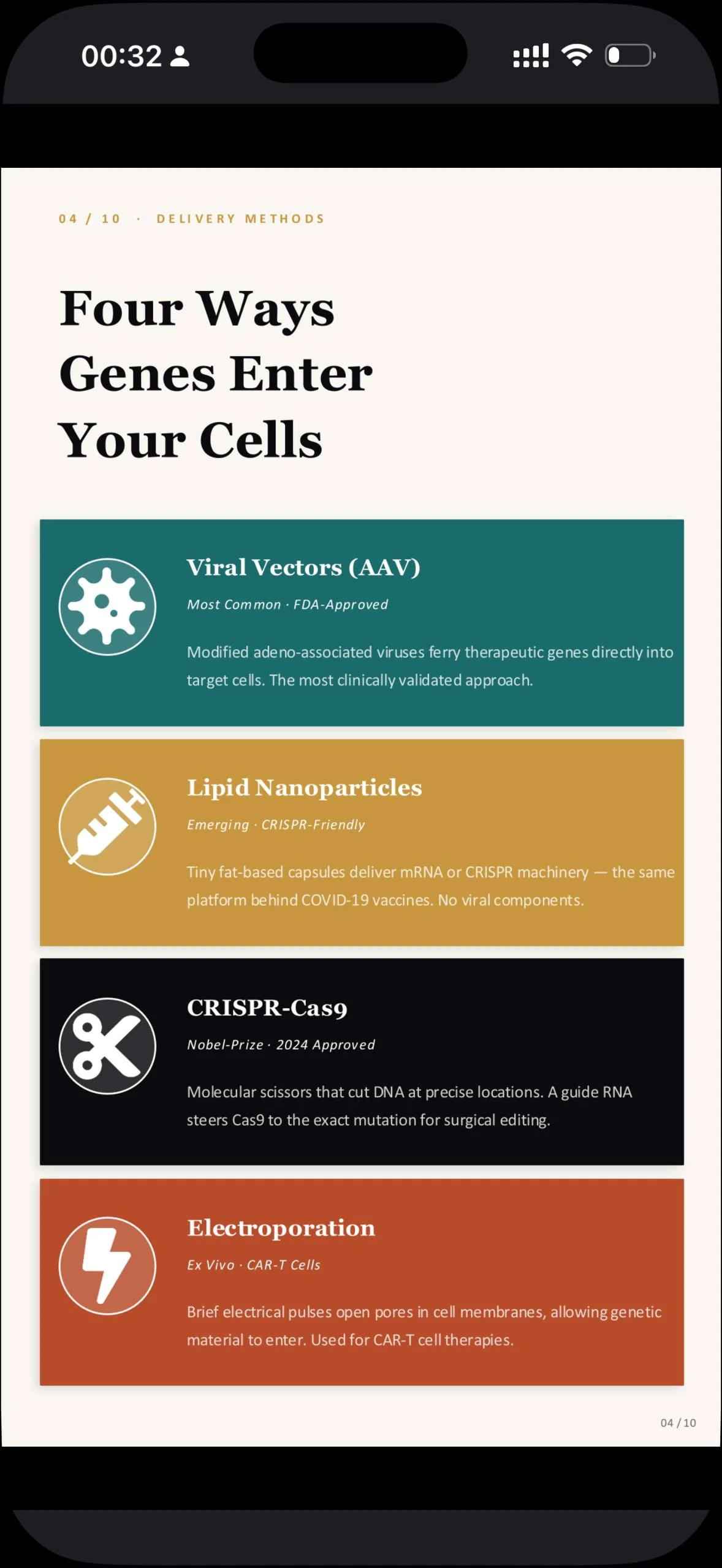
Here’s what’s actually happening inside gene therapy – and why the economics are broken in ways most people don’t understand:
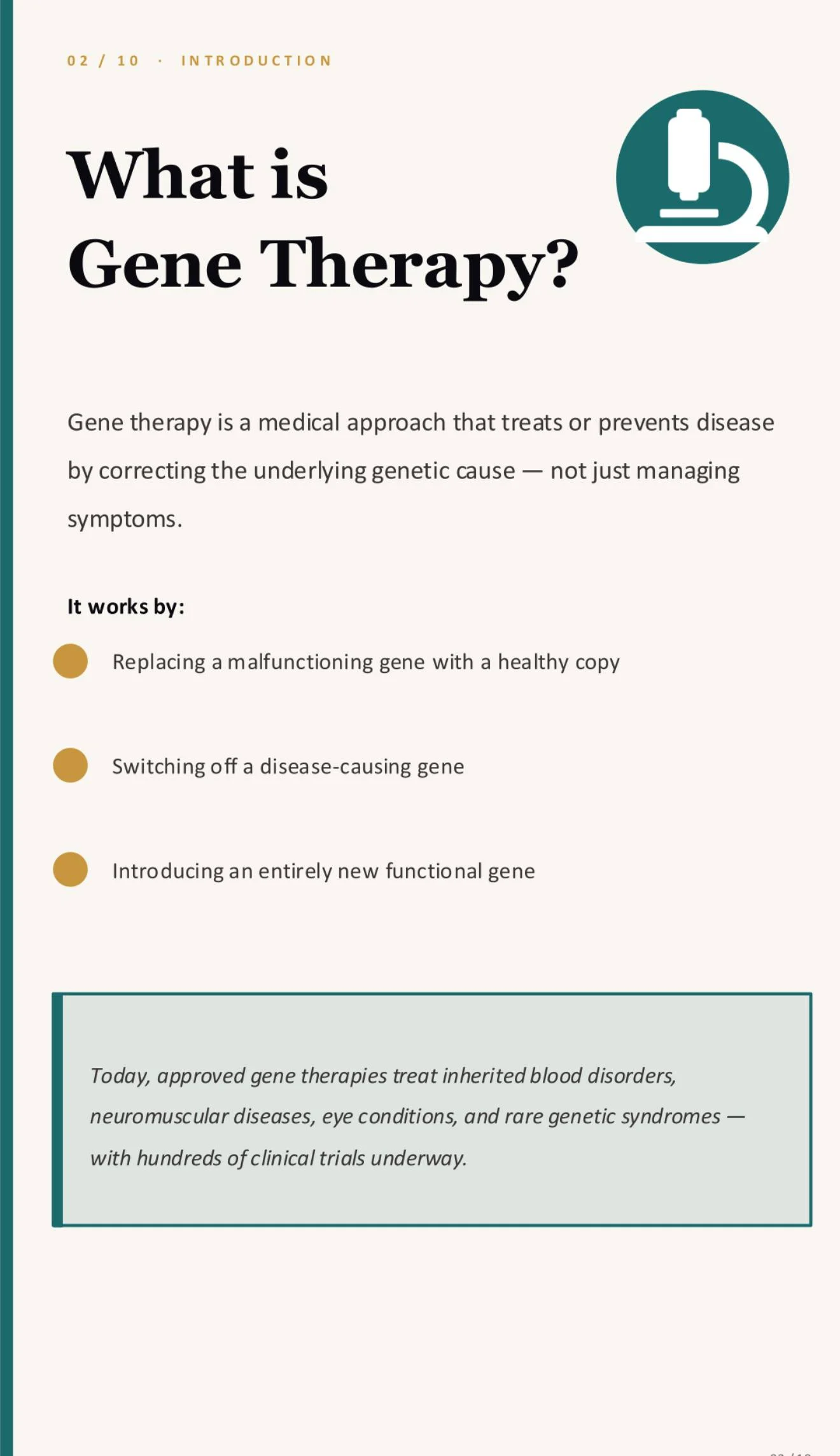
What gene therapy actually does:
It doesn’t just treat disease. It edits the source code. Replace a broken gene. Switch off a harmful one. Deliver a working copy. One treatment.
Potentially for life.
Why it costs millions – the honest breakdown:
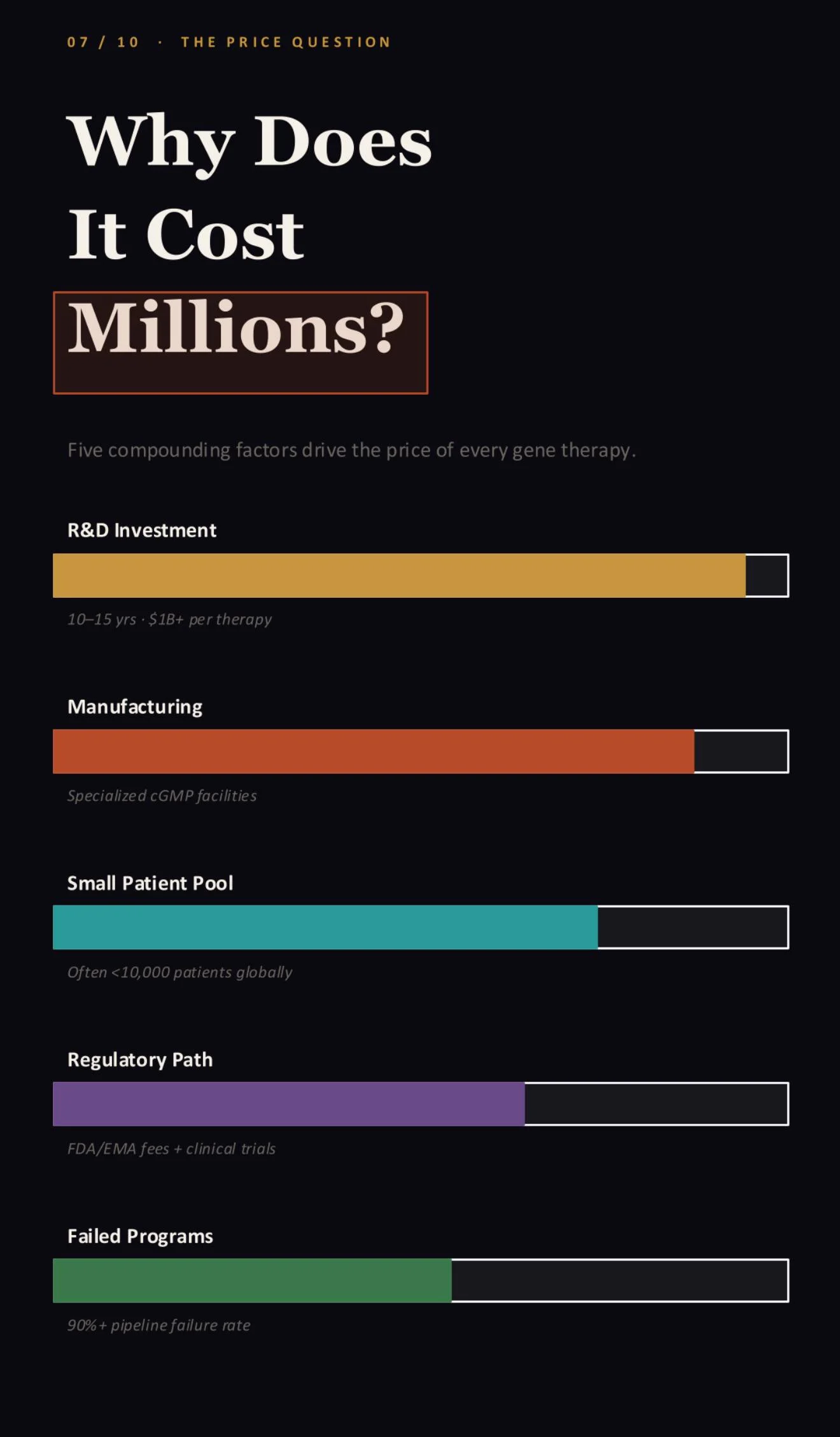
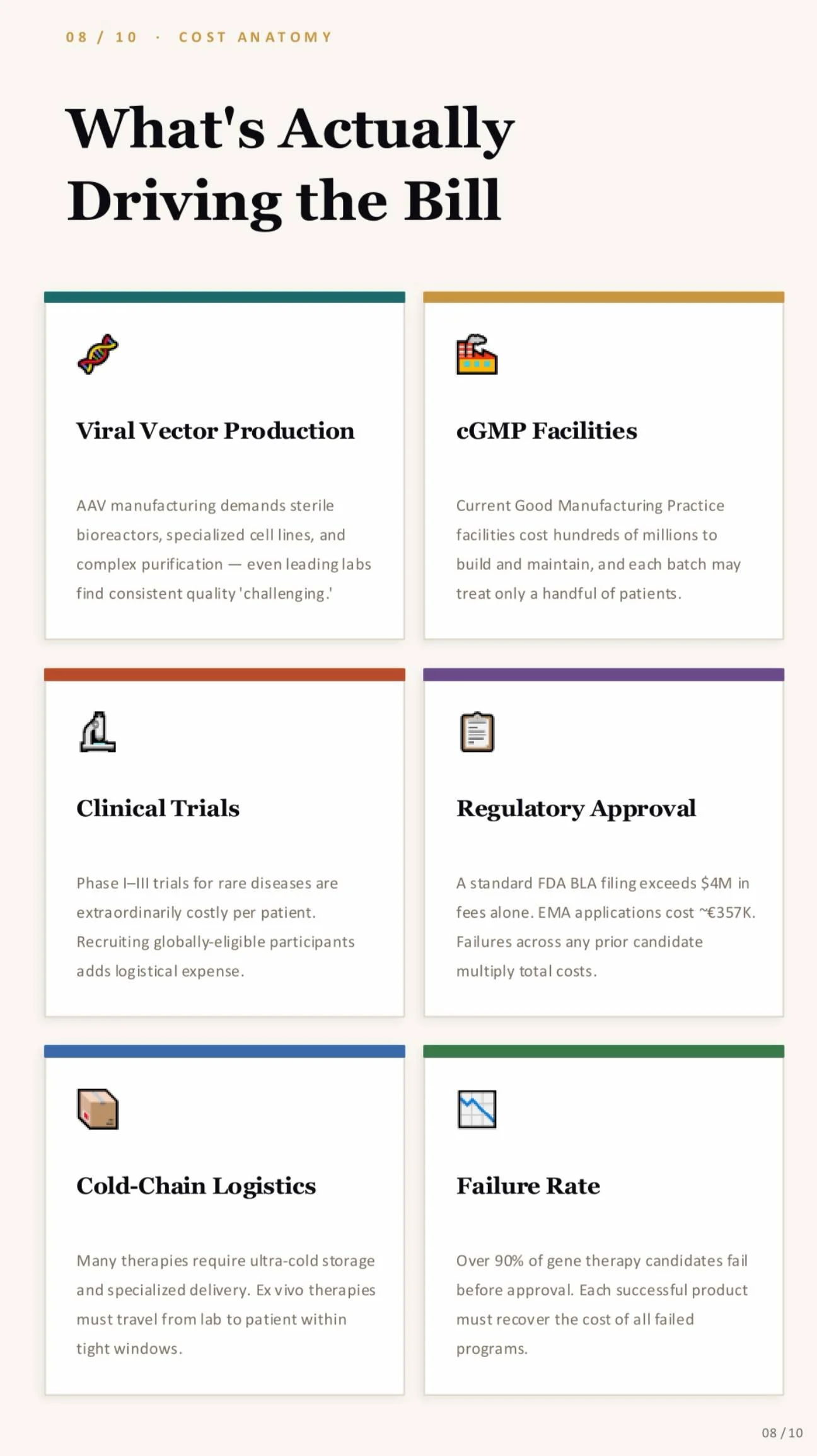
- Manufacturing isn’t like making pills. Each batch requires sterile bioreactors, modified viruses, and specialized facilities that cost hundreds of millions to build. The FDA’s own director was shocked when a colleague emailed him just ‘dollar4.25 million!!!’ about a newly approved therapy.
- The patient pool is tiny. We’re talking fewer than 10,000 people globally for most of these diseases. You can’t spread R&D costs across millions of customers.
- Most programs fail. Over 90 percent of gene therapy candidates never reach approval. The one that succeeds has to pay for all the ones that didn’t.
- Clinical trials alone can cost dollar 1B plus over 10–15 years.
But here’s the uncomfortable truth about ‘expensive’:
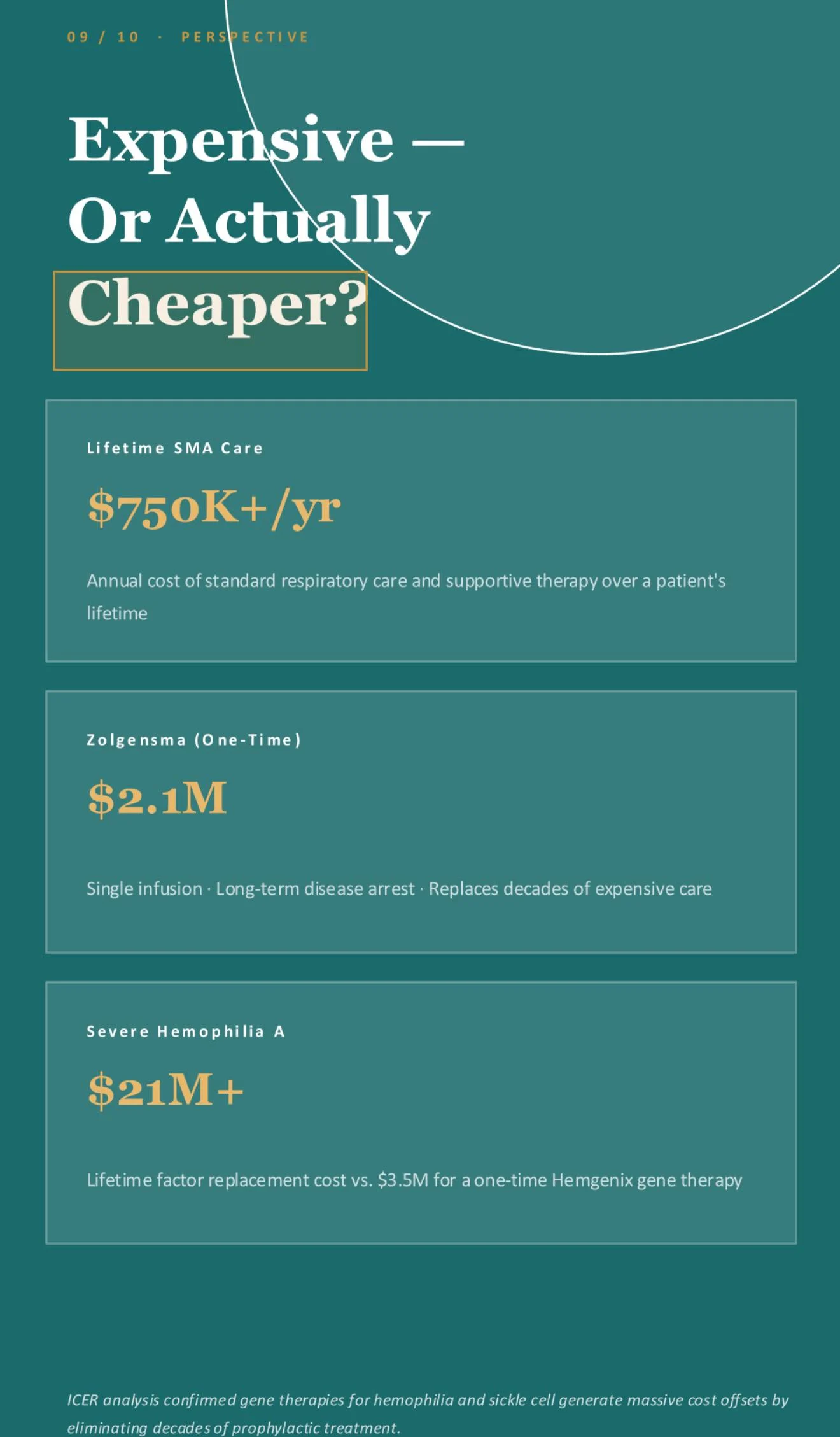
The lifetime cost of managing severe Hemophilia A? dollar 21 million plus.Sickle cell disease? dollar 4–6 million in ongoing care.
SMA without treatment? dollar 750K plus per year, indefinitely.
A dollar 2–3M one-time cure starts looking very different.
ICER – the independent body that evaluates drug value – confirmed that gene therapies for hemophilia and sickle cell generate massive cost offsets. The math works. The payment models don’t.
Where we go from here:
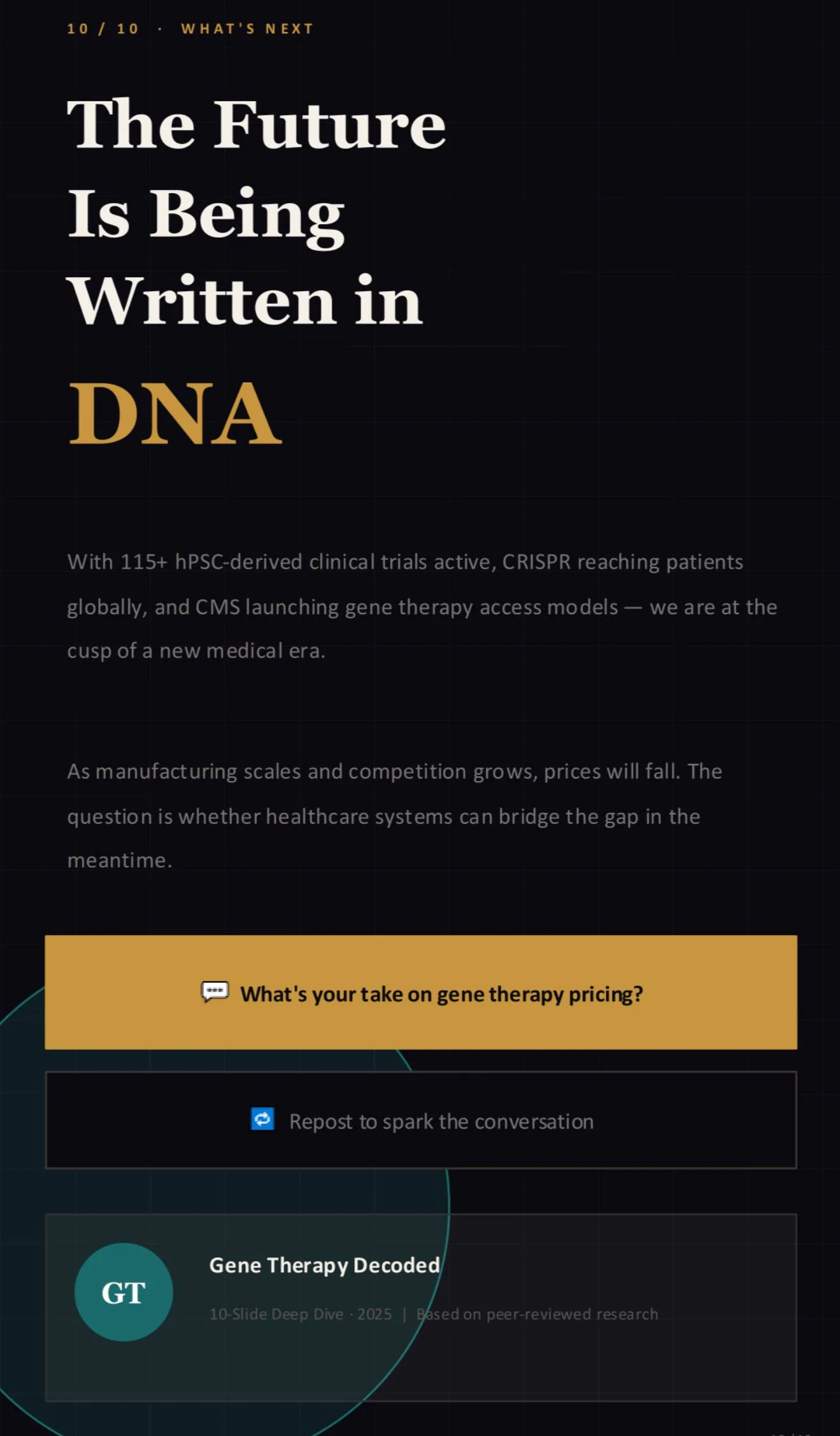
115 plus clinical trials are active right now. CRISPR is reaching real patients. CMS launched a gene therapy access model in 2024. Manufacturing will scale. Prices will fall.
The question isn’t whether gene therapy will become mainstream. It’s whether healthcare systems can bridge the financing gap while it does.
What do you think – are million-dollar cures a failure of capitalism or an inevitable phase of medical progress?
Drop your take below (Swipe through the carousel for the full breakdown)
Also grateful to my mentor Riaz Laghari for giving me the confidence to post my thoughts.
Thank you sir.”
Stay updated with Hemostasis Today.
-
Sep 20, 2026, 12:11Giacomo Buso: Silent Atherosclerosis Begins Earlier Than Expected
-
Sep 20, 2026, 12:0310 Posts Not to Miss This Week
-
Sep 20, 2026, 11:27Edward Lee Carter: Prasugrel Dosing Matters in P2Y12 Inhibitor Comparisons After PCI
-
Sep 20, 2026, 09:51Ceasovschih Alexandr: A Closer Look at Lipid Disorders in CKM Syndrome
-
Sep 20, 2026, 09:05World Stroke Academy: Can Adjunct IAT Improve Tissue Reperfusion?
-
Sep 20, 2026, 06:46Neeraj Songara: From Donated Blood to Engineered Therapeutics
-
Sep 20, 2026, 06:24Louise St. Germain Bannon: Improving Awareness and Care for Women Across the Lifespan
-
Sep 20, 2026, 05:17Maxime Dely: When ABO Compatibility Isn’t Enough for Safe Transfusion
-
Sep 20, 2026, 04:54William Aird: What Does a Complete History and Physical Really Mean?