


Sukanto Paul: Therapeutic Plasma Exchange as an Extracorporeal Liver Support Therapy
Sukanto Paul, Technical Supervisor at Narayana Health, shared a post on LinkedIn:
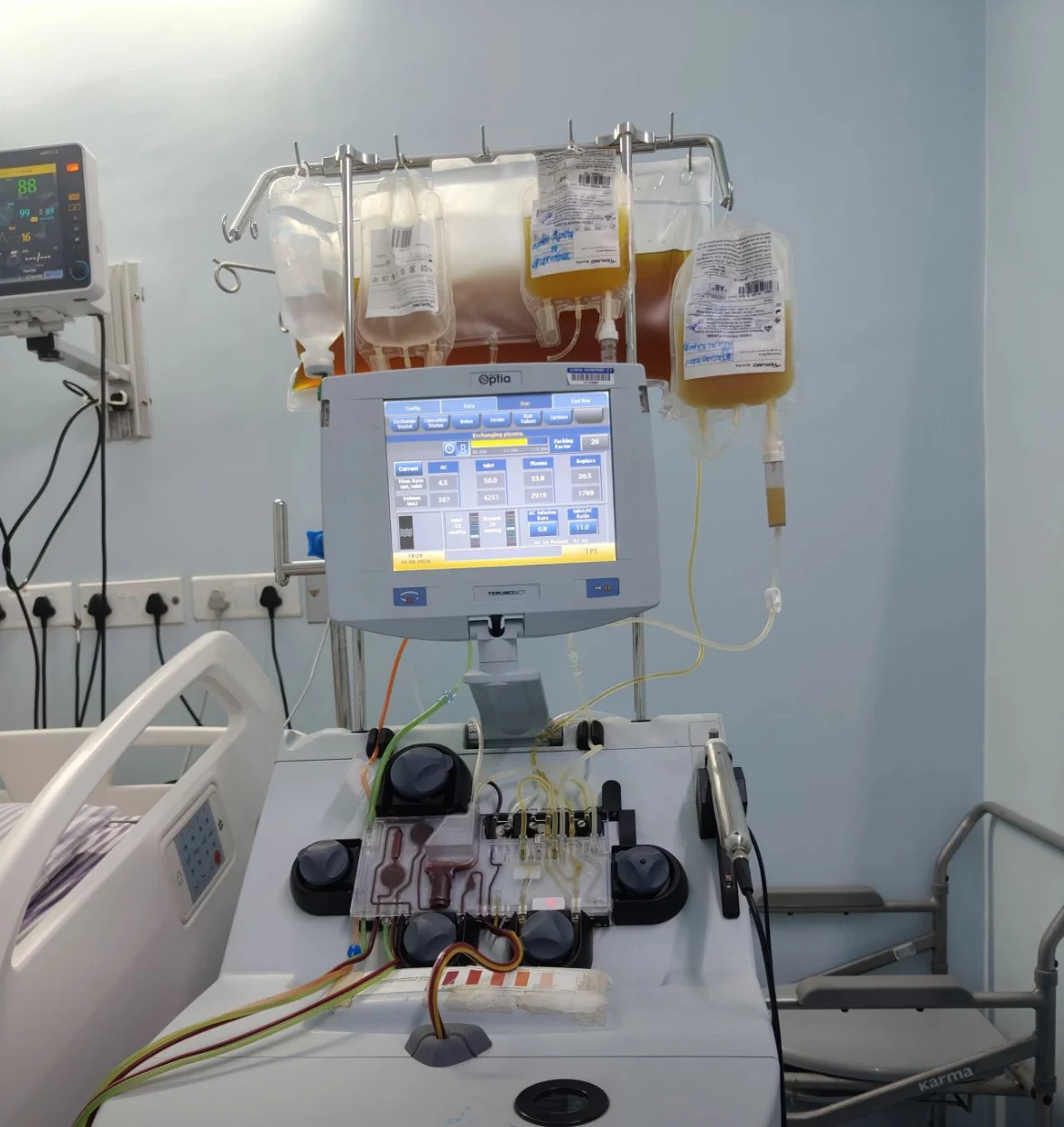
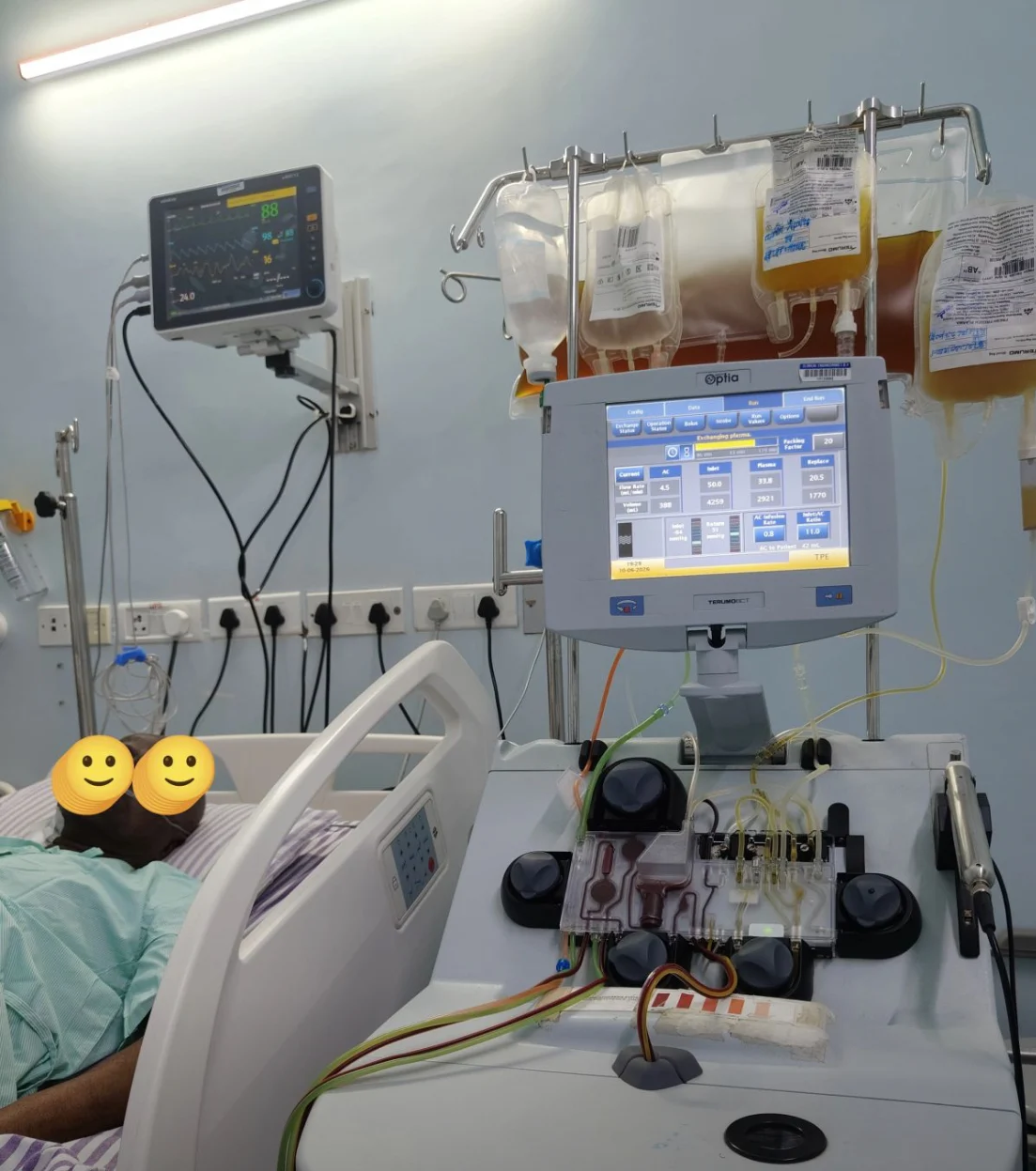
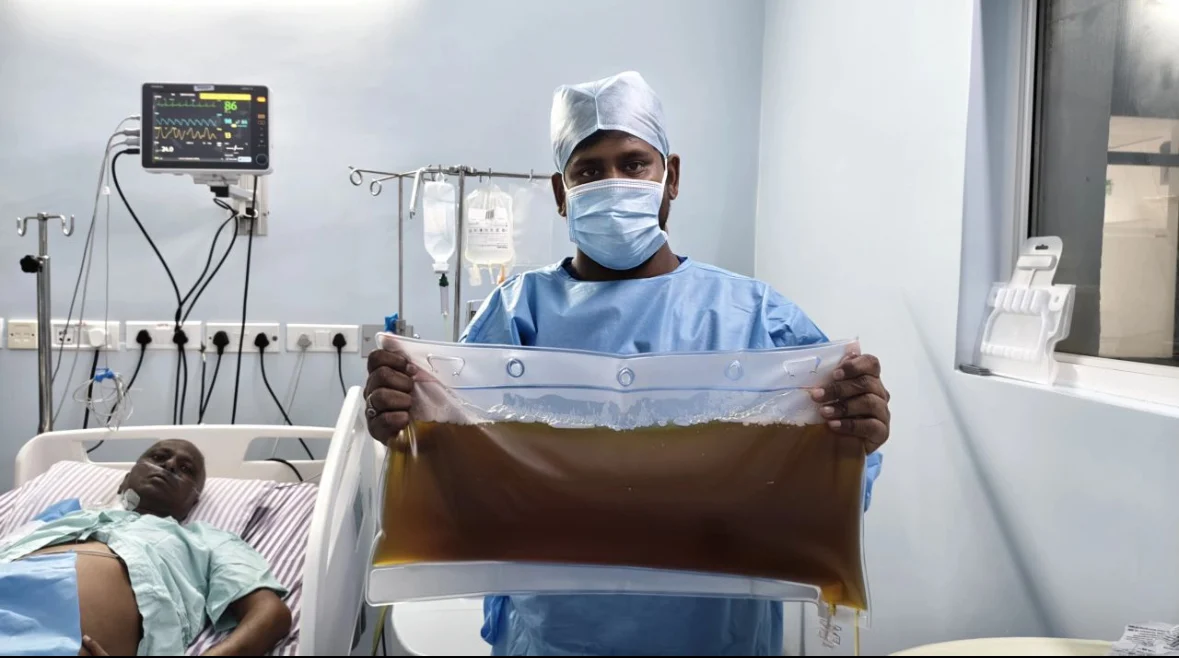
“Therapeutic plasma exchange (TPE) is an extracorporeal liver support therapy that removes endotoxins, cytokines, and pathogenic substances from the blood while replenishing coagulation factors.
It serves as a vital bridge to liver transplantation or stabilizes patients for native liver recovery.
According to the American Society for Apheresis (ASFA) guidelines, High-Volume Therapeutic Plasma Exchange (HV-TPE) is a Category I indication for Acute Liver Failure (ALF).
It acts as a critical bridge therapy by removing toxic inflammatory mediators and supplementing vital coagulation factors.
ALF falls under ASFA Category and Grade:
Category I, Grade 1A/I (Strong recommendation based on high-quality evidence).
Mechanism of Action in ALF Detoxification:
Filters albumin-bound and water-bound toxins (e.g., ammonia, bilirubin, and damage-associated molecular patterns).Immunomodulation:
Suppresses the overwhelming systemic inflammation and ‘cytokine storm’ associated with acute liver failure (ALF).
Synthetic Support: Restores clotting factors using fresh frozen plasma (FFP).
TPE Protocols in ALFHigh-Volume TPE (HV-TPE): Involves exchanging 8 to 12 L or 15% of ideal body weight (roughly 1.5 to 2 times the total plasma volume).
It has been shown to improve transplant-free survival and reduce the need for vasopressors.
Standard-Volume TPE (SV-TPE): Often utilizes 1 to 1.5 times the plasma volume per session. This approach provides biochemical improvements (e.g., lowering INR and bilirubin) and is generally safer in preventing volume-overload complications.
Frequency: Typically performed daily for 3 to 5 consecutive sessions until clinical improvement (e.g., clearance of hepatic encephalopathy) or until a liver graft becomes available.”
Stay updated with Hemostasis Today.
-
Oct 27, 2026, 13:51Muhammed Hajmusa: ESMO 2026 Highlights the Challenge of Anticoagulation in ROS1-Positive Lung Cancer
-
Oct 27, 2026, 13:39Luca Galassi: Retrieved Venous Thrombi as a Tool for Predicting Post-Thrombotic Syndrome
-
Oct 27, 2026, 11:43Tareq Abadl: Hidden Interferences Behind Unexpected Laboratory Results
-
Oct 27, 2026, 11:42Cece Calhoun: ASH Promotes Clinical Research Training and Mentorship for Emerging Hematologists
-
Oct 27, 2026, 11:41Ifeanyichukwu Ifechidere: The Laboratory Challenges of Measuring Direct Factor Xa Inhibitors
-
Oct 27, 2026, 11:39Gene Therapy Offers New Possibilities for Patients with Thalassaemia in the UAE – Thalassaemia International Federation
-
Oct 27, 2026, 11:35Alan Nurden: rFVIIa Prophylaxis May Reduce Bleeding-Related Healthcare Burden in Glanzmann Thrombasthenia
-
Oct 27, 2026, 10:12Cesar Garrido: WFH Connects with Spanish Thrombosis and Haematology Societies
-
Oct 27, 2026, 10:01Chokri Ben Lamine: CAPS After Autologous SCT – Diagnostic Criteria and Key Mimics