


Tareq Abadl: The Importance of CBC Analysis in Detecting Lupus Activity
Tareq Abadl, Medical Laboratory Specialist and Director of the Blood Bank at Dr. Abdelkader Al-Mutawakkil Hospital, shared a post on LinkedIn:
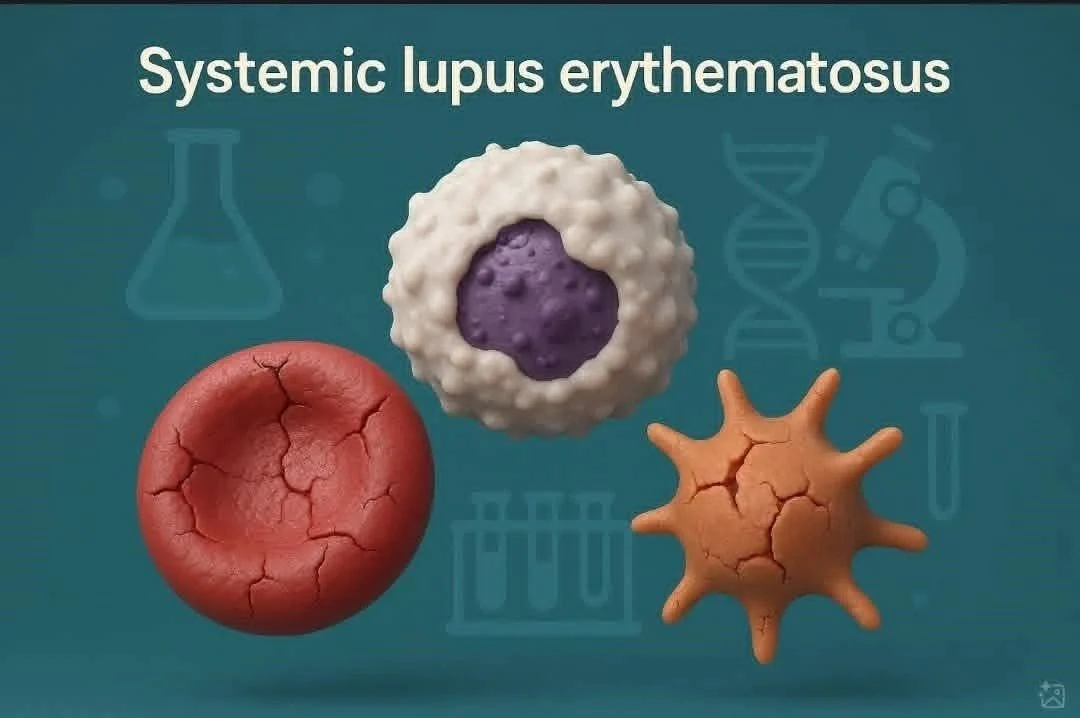
“Lupus and the Complete Blood Count (CBC): Not just a routine test!
Lupus isn’t only about joint pain or skin rash… sometimes the CBC is the very first alarm and can even reveal disease activity before any other symptoms.
Anemia (Red Blood Cells)
Prevalence: Around 50–60% of lupus patients.
Types:
- Anemia of chronic disease: Hb usually 9–11 g/dL, MCV normal or slightly low.
- Autoimmune hemolytic anemia: Less common (5–10%) but more severe.
Lab findings:
- Low Hb (less than 10 g/dL in severe cases).
- Reticulocyte count increased (bone marrow trying to compensate).
- LDH increased and indirect bilirubin increased (evidence of hemolysis).
- Haptoglobin decreased.
- Direct Coombs test (DAT) often positive.
Symptoms: Fatigue, shortness of breath, dizziness, pallor.
Significance: Often indicates active disease.
Platelets
Prevalence: Thrombocytopenia in 20–40% of patients.
Lab findings:
- Platelet count less than 150,000 – low.
- less than 50,000 – severe, bleeding risk.
Peripheral smear: essential to rule out mechanical destruction or other disorders.
Symptoms: Bruising, gum bleeding, petechiae.
Key fact: Can be the very first sign of lupus years before diagnosis.
Treatment: Not based only on numbers, but on bleeding risk.
White Blood Cells
Prevalence: Low counts in 40–60% of patients.
Most common: Lymphopenia (30–50%).
Lab findings:
- WBC less than 4,000.
- Absolute lymphocyte count less than 1,000/µL.
Significance: Usually linked to lupus activity, not infection.
Laboratory Diagnosis
Not every CBC abnormality equals lupus.
Must check:
- ANA (usually positive).
- Anti-dsDNA (linked to activity).
- Anti-Smith (more specific).
- Complement (C3, C4) decreased in active disease.
Rule out other causes: B12/folate deficiency, viral infections (CMV, EBV, HIV), drugs (Methotrexate, some antibiotics), or bone marrow disorders.
Sometimes bone marrow biopsy is needed if the picture is unclear.
When to Start Treatment?
- Hb less than 8 g/dL with symptoms or confirmed autoimmune hemolysis.
- Platelets less than 20,000 or with obvious bleeding.
- Severe WBC drop with recurrent infections.
Treatment depends on symptoms and overall lupus activity, not just numbers.
Treatment Lines:
- First line: Corticosteroids (Prednisone or IV Methylprednisolone for severe cases).
- If poor response or chronic: Azathioprine – Mycophenolate – Cyclophosphamide.
- Special/urgent cases: Rituximab – IVIG (especially with severe bleeding or dangerous thrombocytopenia).
- Monitoring: CBC, complement, and Anti-dsDNA to assess response.
Final Message:
More than half of lupus patients show CBC abnormalities.
The test isn’t just numbers—it can be a clue to disease activity or even the first step toward diagnosis.
Ignoring the CBC means ignoring lupus activity.”
More posts featuring Tareq Abadl on Hemostasis Today.
-
Sep 30, 2026, 01:52Javed Anees: DADA2 – When a Young Stroke Is More Than a Stroke
-
Sep 30, 2026, 01:51How a Venous Thrombus Becomes Revascularized – ISTH
-
Sep 29, 2026, 22:45Victor Agunyego: Paracetamol – The Most Common Drug We Underestimate
-
Sep 29, 2026, 22:42Nova Sinclair: Advancing the Future of Hematology – Meet Our 2027 Organizing Committee
-
Sep 29, 2026, 22:41Lorenz Räber: Intracoronary Imaging in PCI – Why, When, How, and Which Modality?
-
Sep 29, 2026, 22:31Selma Turkovic: Pleased to Deliver the Opening Presentation at Kingston Hospital
-
Sep 29, 2026, 22:31Miguel Teran: Ultrasound and Simulation in Arterial Blood Sampling
-
Sep 29, 2026, 22:28Mohammad Refaei: Navigating Your Career in Hematology From Training to Practice
-
Sep 29, 2026, 22:27Matteo Foschi: 10 Clinical Pearls for Antithrombotic Therapy in Secondary Stroke Prevention