

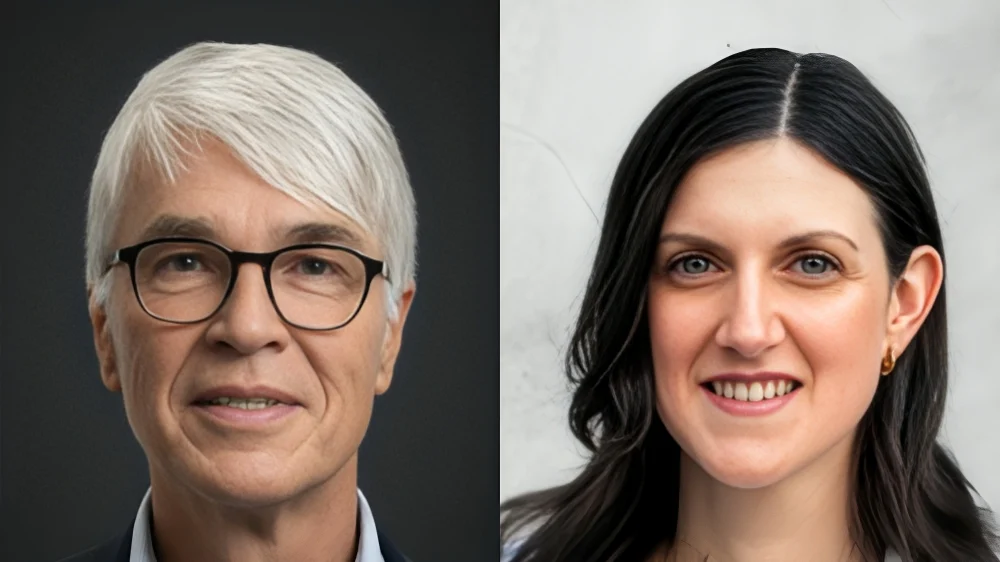
Wolfgang Miesbach: Base Editing and the Future of Sickle Cell Disease Therapy
Wolfgang Miesbach, Professor of Medicine at Frankfurt University Hospital, shared a post on LinkedIn:
“Base editing. Gene editing 2.0?
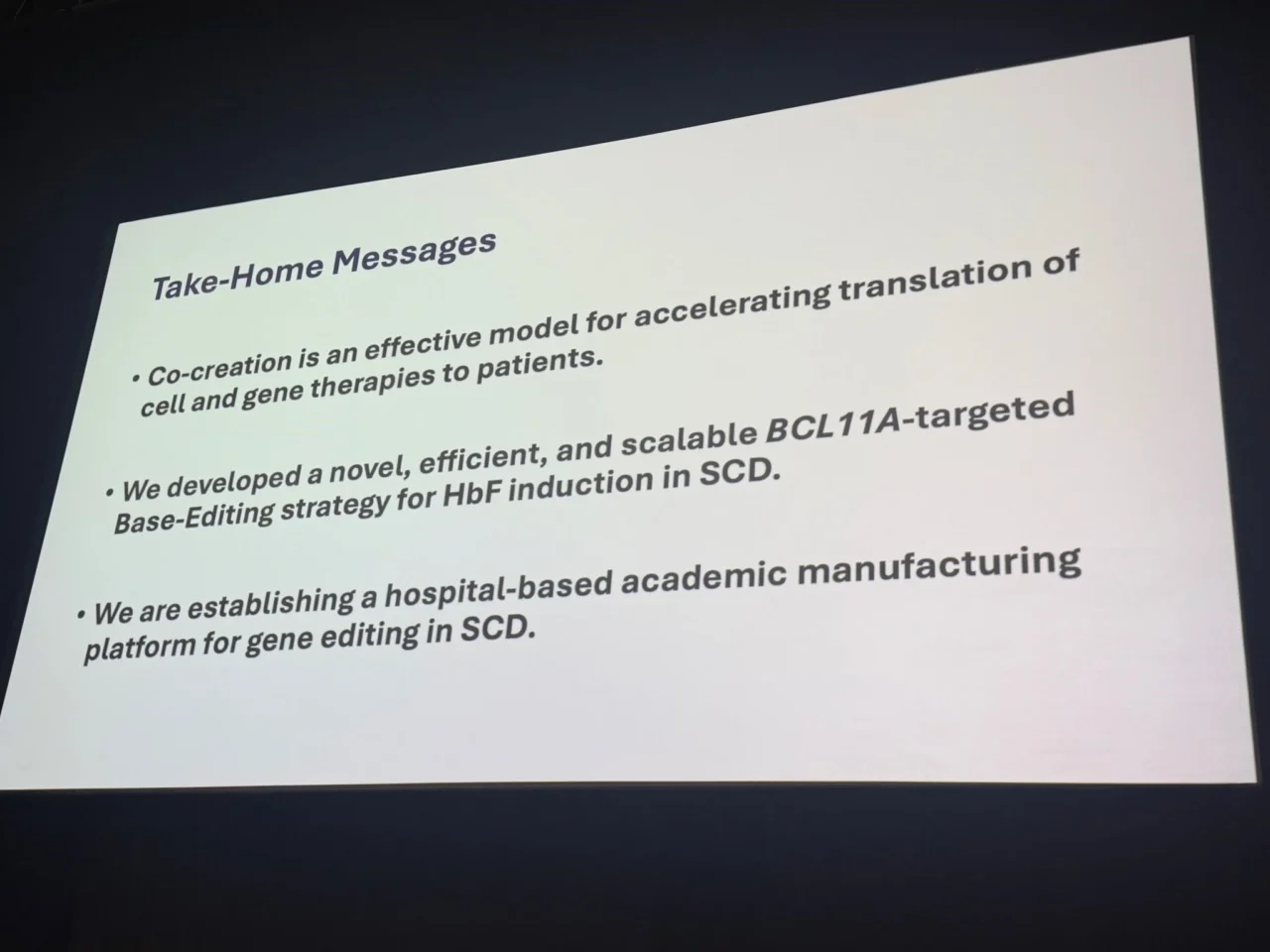
At EHA 2026, Maria Morelló Miravet (Karolinska Institutet, Stockholm) showed how precise base editing of hematopoietic stem cells (HSCs) can move from concept to clinic in sickle cell disease (SCD):
Unlike classical CRISPR‑Cas9 nucleases that rely on double‑strand breaks and stochastic indels, base editors convert single nucleotides at predefined sites using deaminases fused to a Cas9 nickase.
This enables highly controlled editing of regulatory elements such as HBG promoters or BCL11A‑related loci, with the goal of re‑inducing fetal hemoglobin (HbF) while limiting chromosomal rearrangements and p53‑mediated stress responses.
This presentation is a powerful reminder that academia can drive first‑in‑class, highly sophisticated innovative programs, from basic biology and manufacturing to regulatory strategy and clinical implementation ”
Other posts featuring Wolfgang Miesbach on Hemostasis Today.
-
Nov 8, 2026, 19:31Anna Kajaste-Rudnitski: Presenting AAV-Induced p53 Signalling in Human CNS Cells at ESGCT 26
-
Nov 8, 2026, 19:29David McIntosh: Cybersecurity Matters, but Blood Availability Remains the Bigger Challenge
-
Nov 8, 2026, 19:26Wenxue Ma: An Integrative Framework for Macrophage-Mediated Therapeutic Resistance in Cancer
-
Nov 8, 2026, 19:25Yildiz Yigit: Presenting a Polycythemia Vera Case at the MPN Subcommittee Session
-
Nov 8, 2026, 18:56Denis Oduor: Strengthening the Regulation and Delivery of Blood Transfusion and Transplantation Services
-
Nov 8, 2026, 18:28Raghavendra Rao: A Narrative Review on Chronic Venous Disease during Pregnancy
-
Nov 8, 2026, 17:57Dhiren Patel: PLD1-Derived Phospholipids Regulate NAD Kinase and ROS Production in Neutrophils
-
Nov 8, 2026, 17:48Andra T.: What Causes Antiphospholipid Syndrome? – Four Steps, not One Cause
-
Nov 8, 2026, 17:38Nasrin Samadi: Can a Normal Clotting Test Be Misleading?