

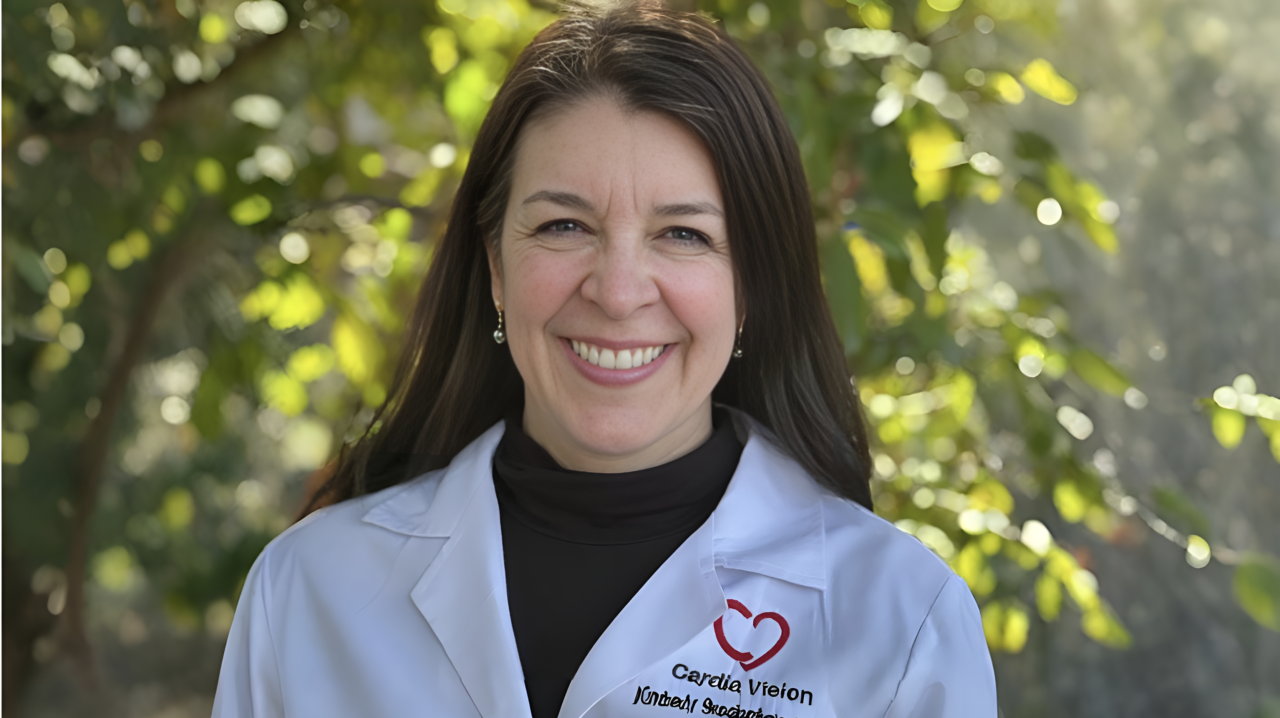
Kimberly Brockenbrough Explores Plaque Rupture
Kimberly Brockenbrough, Chief Executive Officer at Cardia Vision, shared on LinkedIn:
”Understanding plaque rupture — the hidden mechanism behind heart attacks and cognitive decline.
When soft plaque accumulates in your coronary arteries, it may represent a ticking time bomb.
Large ruptures block major blood vessels instantly — causing heart attacks or strokes that make headlines.
But here’s what’s equally dangerous: micro-ruptures.
These smaller plaque breaks don’t cause dramatic events.
Instead, they create ongoing damage that may lead to congestive heart failure and dementia over time.
Your heart gradually weakens. Your brain slowly loses function.
The connection? Both scenarios stem from unstable plaque that imaging can detect early.
Coronary CT Angiography (CCTA) identifies both calcified and soft plaque — giving you a great look at the blood vessels of your heart.
We recommend a Coronary CT Angiogram for men at 40 and women at 50 with risk factors such as high cholesterol, family history, diabetes, prediabetes, high blood pressure, obesity, excessive alcohol consumption, working as a first responder, testosterone use, etc.
10 years older without risk factors.
Sources:
Risk factors general.
Risk factors for alcohol use.
Risk Factors for Firefighters.”

Stay updated with Hemostasis Today.
-
Oct 10, 2026, 09:52Yuria Ito: Should Ferritin Testing Become a Routine Part of Prenatal Care in Japan?
-
Oct 10, 2026, 09:48Ahmed Alotaibi: Can We “Remove” the ABO Problem from Group O Platelets?
-
Oct 10, 2026, 09:31Help Shape the New ASH Iron Deficiency Guidelines – American Society of Hematology
-
Oct 10, 2026, 09:05Wolfgang Miesbach: Moving from Bleed Control to Comprehensive Joint Health
-
Oct 10, 2026, 07:59Leila Caroline Souza Reis: Enoxaparin Dosing for VTE Prevention in Adults With Obesity
-
Oct 10, 2026, 07:41Adeeb Bazuhair: New Evidence for Catheter Directed Thrombolysis in Acute PE
-
Oct 10, 2026, 07:22Poppy Clarke: Turning Steps Into Support for Thrombosis Awareness
-
Oct 10, 2026, 07:12Hamzah Khan: The Role of Genuine Curiosity in Driving High-Impact Academic Research
-
Oct 10, 2026, 06:58Nita Radhakrishnan: Turning Evidence Into Action for Hemophilia Care in India