

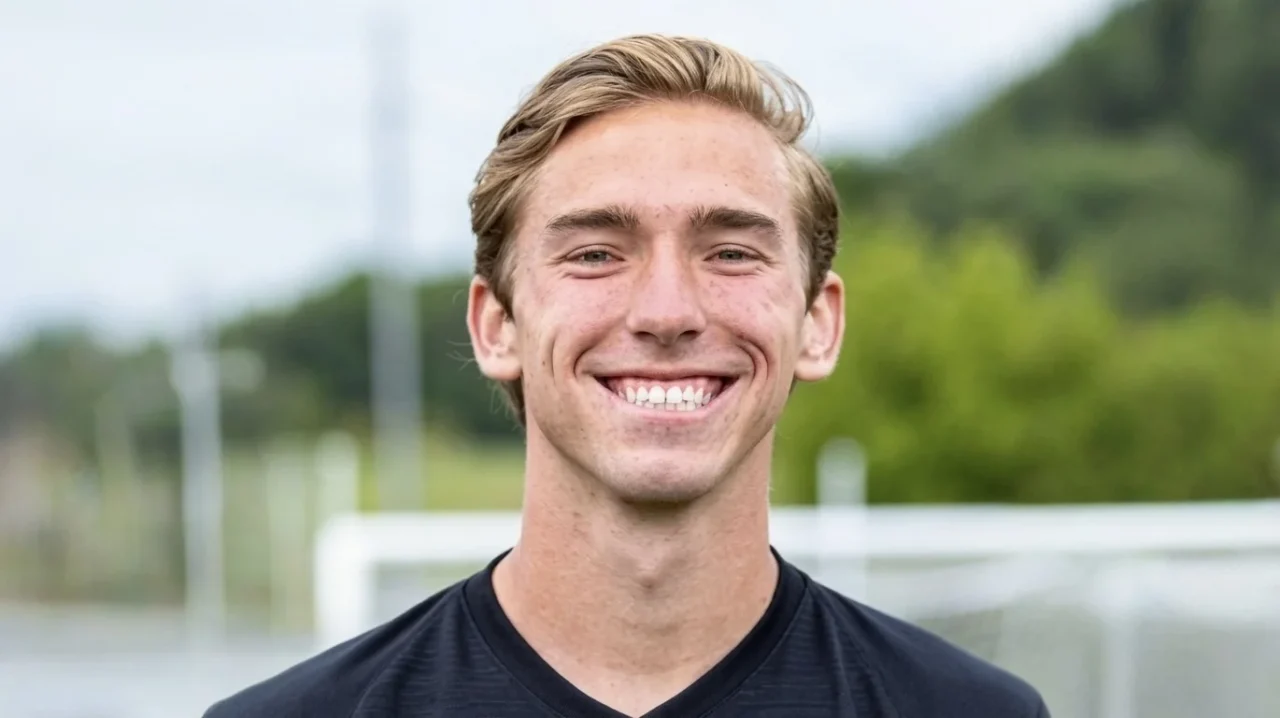
Nicolas Hubacz: Mapping Neuroplasticity in Stroke Recovery
Nicolas Hubacz, Research and Clinical Products Business Development Manager at Magstim, shared a post on LinkedIn:
”Mapping Neuroplasticity in Stroke Recovery
A new study from researchers at the USC Mark and Mary Stevens Neuroimaging and Informatics Institute, published in The Lancet Digital Health, reveals an unexpected pattern of recovery in stroke survivors.
Using AI to analyze MRI scans from more than 500 stroke patients across 34 sites worldwide, scientists estimated the biological ‘age’ of different brain regions.
What they found was surprising:
- The damaged hemisphere often appears ‘older’, reflecting structural injury.
- Regions in the opposite hemisphere can appear ‘younger.’
- This pattern is strongest in the contralesional frontoparietal network, which supports motor planning, attention, and coordination.
Rather than signaling full recovery, this may reflect the brain’s attempt to compensate for lost function.
In other words, when core motor circuits fail, the brain may reorganize itself – recruiting undamaged networks to help carry the load.
The discovery came from the ENIGMA Stroke Recovery Working Group, which used deep learning models trained on tens of thousands of MRI scans to estimate ‘brain age.’
The difference between predicted brain age and actual age (brain-PAD) served as a sensitive marker of neural health.
Why it matters:
- A new way to visualize neuroplasticity after stroke
- A potential tool to predict recovery trajectories
- A path toward personalized rehabilitation strategies
The brain’s response to injury isn’t just degeneration – it can also be adaptation.”
Proceed to the video attached to the post.
Stay updated with Hemostasis Today.
-
Sep 30, 2026, 01:52Javed Anees: DADA2 – When a Young Stroke Is More Than a Stroke
-
Sep 30, 2026, 01:51How a Venous Thrombus Becomes Revascularized – ISTH
-
Sep 29, 2026, 22:45Victor Agunyego: Paracetamol – The Most Common Drug We Underestimate
-
Sep 29, 2026, 22:42Nova Sinclair: Advancing the Future of Hematology – Meet Our 2027 Organizing Committee
-
Sep 29, 2026, 22:41Lorenz Räber: Intracoronary Imaging in PCI – Why, When, How, and Which Modality?
-
Sep 29, 2026, 22:31Selma Turkovic: Pleased to Deliver the Opening Presentation at Kingston Hospital
-
Sep 29, 2026, 22:31Miguel Teran: Ultrasound and Simulation in Arterial Blood Sampling
-
Sep 29, 2026, 22:28Mohammad Refaei: Navigating Your Career in Hematology From Training to Practice
-
Sep 29, 2026, 22:27Matteo Foschi: 10 Clinical Pearls for Antithrombotic Therapy in Secondary Stroke Prevention