


Changing the Future of PNH Care Through Global Collaboration – The Max Foundation
The Max Foundation shared a post on LinkedIn:
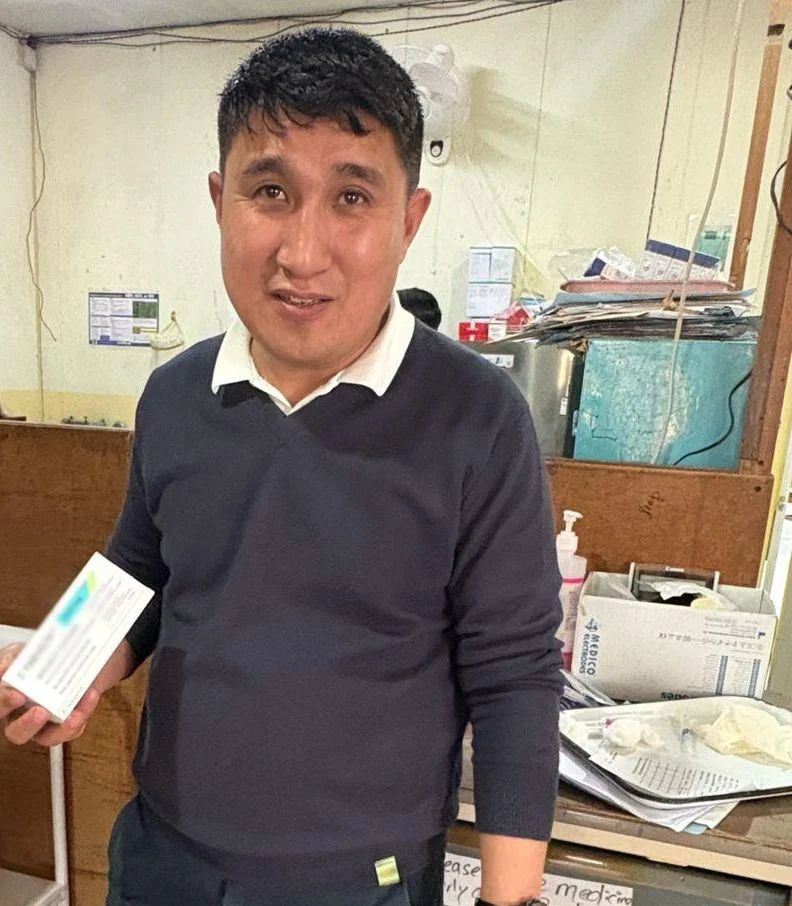
“For physicians like Dr. Mipsang Lama in Nepal, there was a time when the rare and devastating blood disorder of Paroxysmal Nocturnal Hemoglobinuria (PNH) could be identified but not truly treated.
Care meant repeated transfusions, temporary stabilization, and watching patients live with constant uncertainty.
Then, thanks to our partnership with Novartis Global Health and the International PNH Interest Group, access to treatment and training changed that!
Within weeks, patients began regaining strength. Conversations shifted from survival to possibility.
For Dr. Lama, it was more than a clinical change. It was the ability to finally offer hope alongside care.
He shared, ‘To those working in global health and rare disease access, your work has a deeply human impact. PNH may be rare, but the suffering it causes is real and significant. Today, for the first time, we can say with confidence that ‘it is treatable.’ ”
Stay updated with Hemostasis Today.
-
Oct 8, 2026, 04:28Jeff Molter: Electrophysiological PIEZO1 Analysis Advances Diagnosis in Hereditary Xerocytosis
-
Oct 8, 2026, 04:23Barbara Adams Krolak: Women and Blood Clots Are We Missing the Warning Signs
-
Oct 8, 2026, 04:10Rutendo Muzambi: Hospital Admission Patterns and Care Disparities in Sickle Cell Disease
-
Oct 8, 2026, 03:50Olfat Berro: Redefining the Future of Haemophilia A
-
Oct 8, 2026, 03:35Tasnia Tarana: Heavy Menstrual Bleeding When the Cause Is Not in the Uterus
-
Oct 8, 2026, 03:28Kian Haseli: Electrophysiological PIEZO1 Analysis Advances Diagnosis in Hereditary Xerocytosis
-
Oct 8, 2026, 03:20Sthanu Subramanian: Leukopenia in Sepsis A Marker of Severe Disease
-
Oct 7, 2026, 16:44Amor Salah: 2026 NCS/SCCM Guidelines for Managing Antithrombotic-Associated ICH
-
Oct 7, 2026, 16:04NETs in Thrombosis: From Mechanism to Therapeutic Target