

Why Hidden Fat, Not Weight, Predicts Heart Aging
Dato Capt. Mahesan Subramaniam, Co-Founder of United Health Tourism, shared a post on LinkedIn:
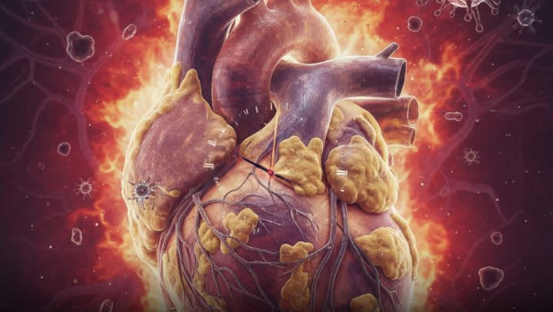
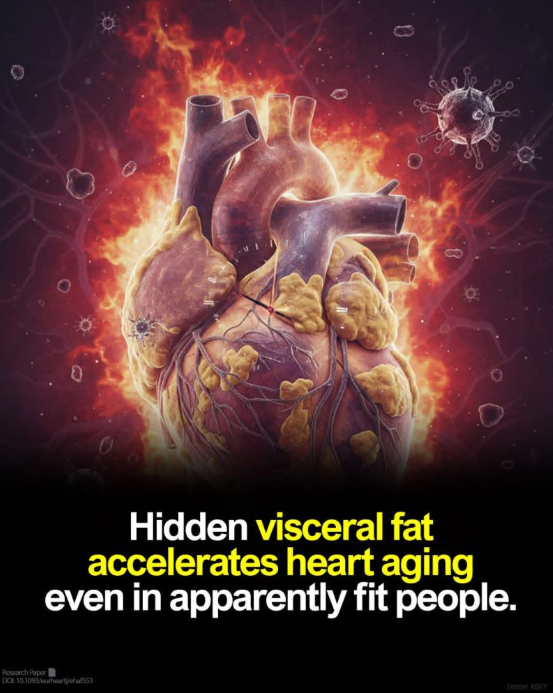
”A new study analyzed scans from over 21,000 people and found that the fat you can’t see – visceral fat around organs inside your belly – may speed up how fast your heart gets old. Scientists used imaging and artificial intelligence to compare someone’s “heart age” (how worn out their heart looks) with their real age. They discovered that more visceral fat is linked with signs of stiffening and inflammation in the heart and blood vessels.
Interestingly, body-mass index (BMI) didn’t predict heart aging as well – someone might appear slim but still carry dangerous internal fat. The study also noted differences between men and women. Men who carry fat around the belly (“apple” shape) showed more rapid heart aging. Meanwhile, for women, having more fat around the hips and thighs (“pear” shape) seemed somewhat protective. The hormone estrogen may play a role in that protection before menopause.
Even people who exercise a lot could be at risk if they have high visceral fat. The researchers suggest that targeting this hidden fat might help slow heart aging. They plan to look into medications—like some used for diabetes or weight loss—as possible ways to deal with this internal fat. (This work was done by scientists at MRC Laboratory of Medical Sciences, using UK Biobank data.)
Research papaer here.”
Title: Sex-specific body fat distribution predicts cardiovascular ageing
Authors: Vladimir Losev, Chang Lu, Shamin Tahasildar, Deva S Senevirathne, Paolo Inglese, Wenjia Bai, Andrew P King, Mit Shah, Antonio de Marvao, Declan P O’Regan
Stay updated with Hemostasis Today.
-
Oct 10, 2026, 02:38Brianne D.: Sex Differences in RIPK1 Signaling Following Intracerebral Hemorrhage
-
Oct 10, 2026, 02:17Dino Mehic: Managing Heavy Menstrual Bleeding in Patients with BDUC
-
Oct 10, 2026, 00:34Raphaëlle Dodart: Discussing the Mechanisms of Menstrual Hemostasis
-
Oct 10, 2026, 00:26Barbara Adams Krolak: Discussing the Growing Need for Blood Clot Prevention in Asia
-
Oct 9, 2026, 23:59Ana Pedrero Gil: Is Coagulopathy with Fibrinolysis Present in All Obstetric Hemorrhages?
-
Oct 9, 2026, 23:57Exploring the Psychosocial Needs of People with Bleeding Disorders in Kyrgyzstan – EAHAD
-
Oct 9, 2026, 23:53Bernard Slater Jr.: Serving on the Advisory Council for the NBDF West Virginia Chapter
-
Oct 9, 2026, 23:53Aurelio Maggio: Thalassemia Reports Real-Time Impact Factor Rises to 1.760
-
Oct 9, 2026, 23:52Stronger Connections, Stronger Organizations – World Federation of Hemophilia