


Dato Capt. Mahesan Subramaniam/LinkedIn
Feb 23, 2026, 17:46
Mahesan Subramaniam: The Physiological Impact of Anger on Immunity
Mahesan Subramaniam, Co-Founder of United Health Tourism, shared a post on LinkedIn:
“Anger suppresses the immune system by triggering a ‘fight-or-flight’ response that floods the body with stress hormones like cortisol and adrenaline. While these hormones provide a short-term energy burst, they inhibit the production and activity of critical immune cells.
The physiological impact of anger can be broken down into several key pathways:
- Hormonal Inhibition: Elevated cortisol levels directly suppress the activity of white blood cells, including natural killer (NK) cells and lymphocytes, which are essential for fighting off viruses and abnormalities cells.
- Inflammatory Dysregulation: Anger increases the production of pro-inflammatory cytokine. Over time, this leads to chronic inflammation, which damages tissues and can trigger autoimmune disorders where the immune system attacks it own body.
- Antibody Reduction: Chronic hostility has been linked to a weakened ability to produce antibodies, increasing susceptibility to common infections like the cold or flu.
- Cellular ‘Freeze’ Response: In cases of trauma or suppressed rage, the body may stay in a constant state of alert, causing the immune system to eventually ‘collapse’ or become hyper-reactive.
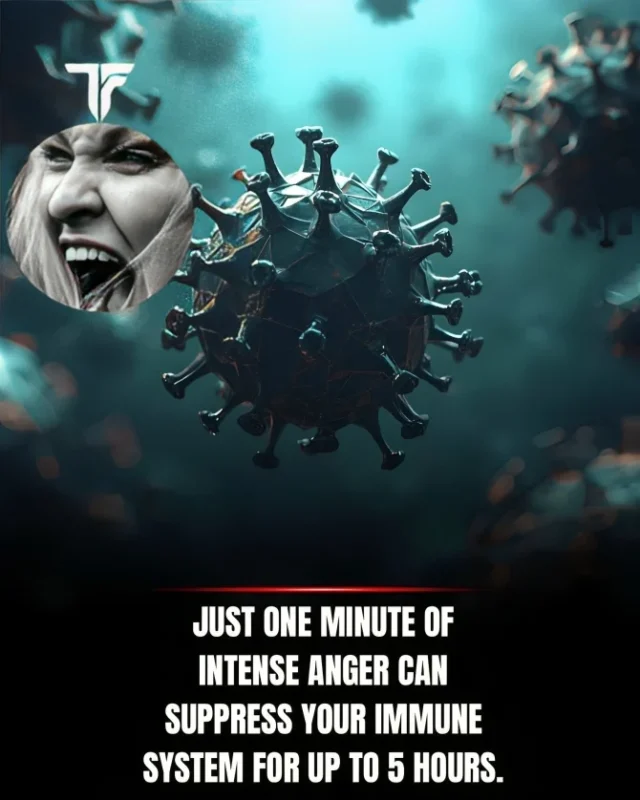
While just one minute of anger can suppress the immune system, chronic or persistent anger is associated with slower wound healing, higher risks of heart disease, and a greater likelihood of developing autoimmune conditions like rheumatoid arthritis and lupus.”
Discover the latest in Hemostasis Today.
-
Oct 19, 2026, 03:54Jennifer Trowbridge: How Mutant Blood Stem Cells Use Inflammation to Drive Their Own Expansion
-
Oct 19, 2026, 03:39Wyenona Hicks: Catching Up With Old Friends and New Colleagues at AABB 2026
-
Oct 19, 2026, 03:33Developing a Non-Invasive Treatment for Life-Threatening PE – University of Michigan College of Engineering
-
Oct 19, 2026, 03:28Jim Hoffman: How NETs Contribute to Gallstone Formation and Growth
-
Oct 19, 2026, 03:28Nicolas Hubacz: The Organized Chaos of Mitochondria
-
Oct 19, 2026, 03:02Neda Horvacki: Using ROTEM to Refine Transfusion Decisions in Acute Trauma
-
Oct 19, 2026, 02:45Diego Escarraman Martinez: MATTERs Study – When a Cohort Gave Us Major Clues about TXA in Trauma
-
Oct 19, 2026, 02:35Brian O Mahony: Promoting Physical Activity and Sport in Haemophilia Care
-
Oct 19, 2026, 02:35Malusi Mtetwa: Tranexamic Acid – What Does the Evidence Tell Us?