

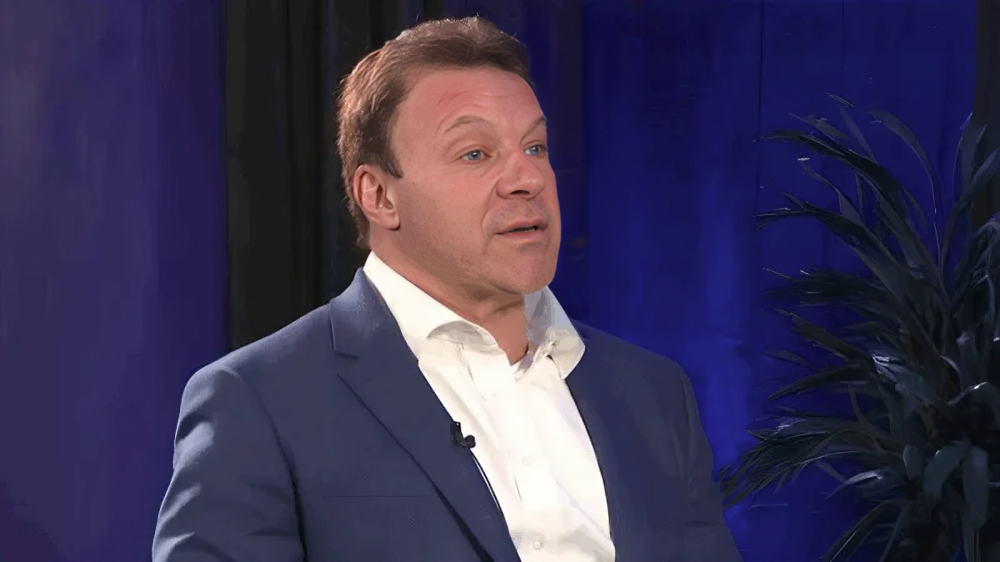
Jan Sloves: 7 Key Insights That Predict Recovery After Venous Recanalization
Jan Sloves, President and Consultant at Vascular Imaging Professionals LLC, shared on LinkedIn:
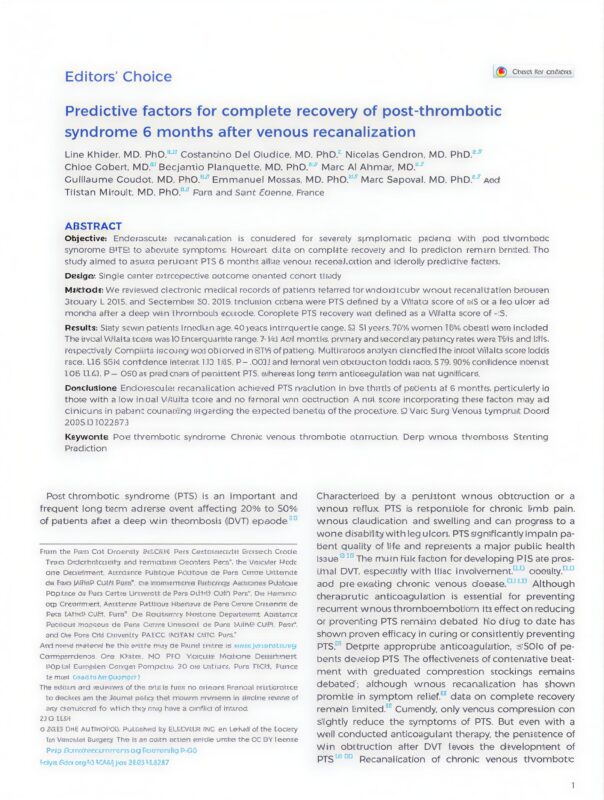
”My 7 most impactful and relevant take-home points ‘Predictive Factors for Complete Recovery of Post-Thrombotic Syndrome 6 Months After Venous Recanalization,’ presented in a logical order.
1. Recanalization Benefits: Endovascular venous recanalization delivers substantial symptom relief for PTS, with approximately two-thirds of patients showing improvement at 6 months, especially for chronic iliofemoral obstruction.
2. Key Predictors of Poor Recovery: Higher baseline Villalta scores and coexistent femoral vein obstruction were the strongest predictors of persistent PTS after intervention; these factors can be easily identified before recanalization.
3. Development of a Practical Risk Score: A simple risk score – baseline Villalta score plus 4 points for femoral vein obstruction – helps stratify patients for their likelihood of full recovery, supporting more personalized counseling and management decisions.
4. Patency Outcomes: Primary and secondary stent patency rates at 6 months were 75% and 81%, respectively. Early stent occlusion and persistent femoral vein outflow obstruction are associated with continued symptoms and need for further intervention.
5. Essential Role of Compression Therapy: Graduated compression stockings remain a standard adjunct after recanalization and are recommended for all to support symptom improvement and maintain patency.
6. Safety of Dual Antithrombotic Regimens: Combining anticoagulation & antiplatelet therapy after procedure is both safe (very low bleeding risk) and may further support patency during the critical post-interventional healing window.
7. Structured Follow-up is Critical: Dedicated post-procedural clinical & duplex surveillance at 1 month, 6 months, and then annually is essential for detecting stent complications, recurrent obstruction, or persistent symptoms – enabling timely reintervention when needed.
Subscribe to the only newsletter built for vascular pros.”
Keep up with Hemostasis Today.
-
Oct 16, 2026, 12:30Bob Lempke: How One Blood Donation Can Save Up to Three Lives
-
Oct 16, 2026, 12:30Why VWF Therapies Belong on the EU Critical Medicines List – EHC
-
Oct 16, 2026, 12:17Exploring Endothelial Cells, Genetic Fate Mapping, and Revascularization – ISTH
-
Oct 16, 2026, 10:07Habib Bennaceur: Building a Stronger Care Pathway for Sickle Cell Disease in India
-
Oct 16, 2026, 09:59Tareq Abadl: A Simple Guide to Blood Collection Tubes
-
Oct 16, 2026, 09:50Mona Alfaraj: Distinguishing HCL from SMZL in Bone Marrow
-
Oct 16, 2026, 09:44New International Consensus on Covert Brain Infarction – International Journal of Stroke
-
Oct 16, 2026, 06:17Neha Rastogi Panda: Precision Diagnosis and Organ Preservation in Splenic Abscess
-
Oct 16, 2026, 05:53Alejandro González Veliz: Looking Beyond Coronary Anatomy to Understand Ischemia