

Jim Hoffman: How Poor Efferocytosis Self-Sufficiency Causes Circulating Blood Levels of NETs Rising
Jim Hoffman, Former Technical Advisor at Cygnus Technologies, LLC, reposted Muhammad HARIS Baig on LinkedIn:
“Poor efferocytosis self-sufficiency also causes a rise in circulating blood levels of extracellular chromatin/NETs that helps to facilitate experimental tumor growth, cancer-associated thrombosis and cancer metastasis. Digesting the extracellular chromatin with DNase has been demonstrated to improve the efficacy of existing anti-cancer therapies in tumor models and is going to be co-administered and trialed for human cancer.
See the attached very enlightening presentations by Mikala Egeblad, using Intravital Fluorescent Microscopy.”
Watch presentations using these links:
Quoting Muhammad HARIS Baig’s post:
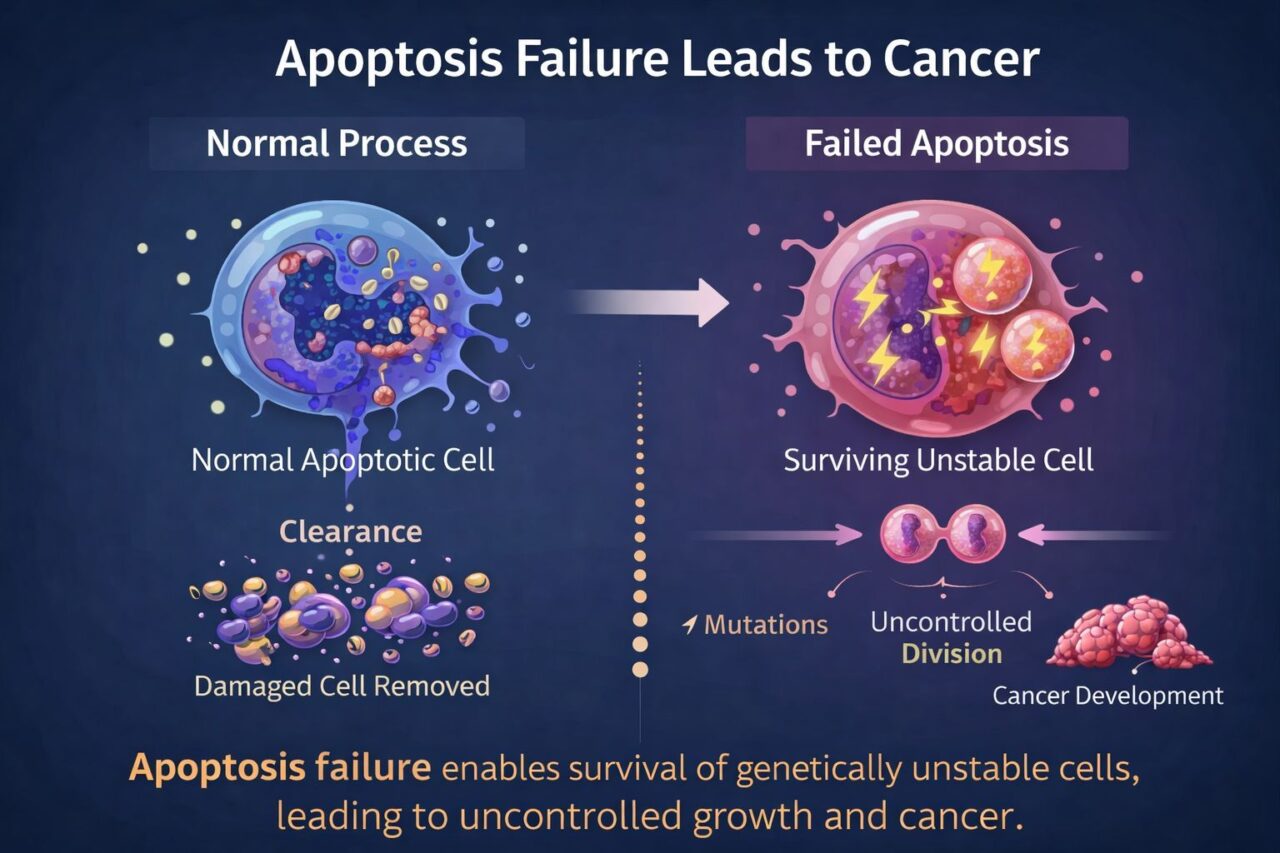
“Role of Apoptosis Failure in Cancer Progression
Apoptosis is the body’s natural system for removing damaged or abnormal cells.
When this process breaks down, genetically unstable cells survive and continue dividing.
Over time, these cells collect mutations, escape normal growth control, and move one step closer to cancer.
How apoptosis failure drives cancer
p53 mutations
Loss of DNA damage sensing and cell cycle control
Bcl 2 overexpression
Blocks mitochondrial mediated cell death
Caspase inactivation
Prevents execution of programmed cell death
Genomic instability
Progressive accumulation of mutations
The outcome is clear. Abnormal cells avoid death, tumors grow, therapies fail, and disease progresses.
Defects in apoptotic pathways sit at the core of cancer biology and remain critical targets for modern anticancer therapies.”
Get the latest from Hemostasis Today.
-
Sep 24, 2026, 15:09Caroline Voltz-Girolt: Accelerating the Development of Innovative Therapies for Rare Blood Disorders
-
Sep 24, 2026, 15:00Gambo Ramatu: Anemia as a Preventable Pregnancy Challenge
-
Sep 24, 2026, 14:56Holly John: Sickle Cell Disease Beyond Pain and Clinical Outcomes
-
Sep 24, 2026, 14:45Bruce Holland: Ex Vivo Assessment of ActiGraft Clot Formation Under Anticoagulation
-
Sep 24, 2026, 14:33Mohamed El Belghiti Alaoui: Thrombin as a Therapeutic Target in Coagulation
-
Sep 24, 2026, 14:22Integrating Thrombosis Risk Into Menopause Care – World Thrombosis Day
-
Sep 24, 2026, 13:41Mahmoud Samir Bayomi: Raise ITP Awareness and Improve Patient Care
-
Sep 24, 2026, 12:56Maria Helena Parrinello: A New Score for Chronic GvHD Risk Assessment at the SIE Congress
-
Sep 24, 2026, 12:44Shehab Mohamed: TP53 Mutations and Outcomes in Myeloproliferative Neoplasms