

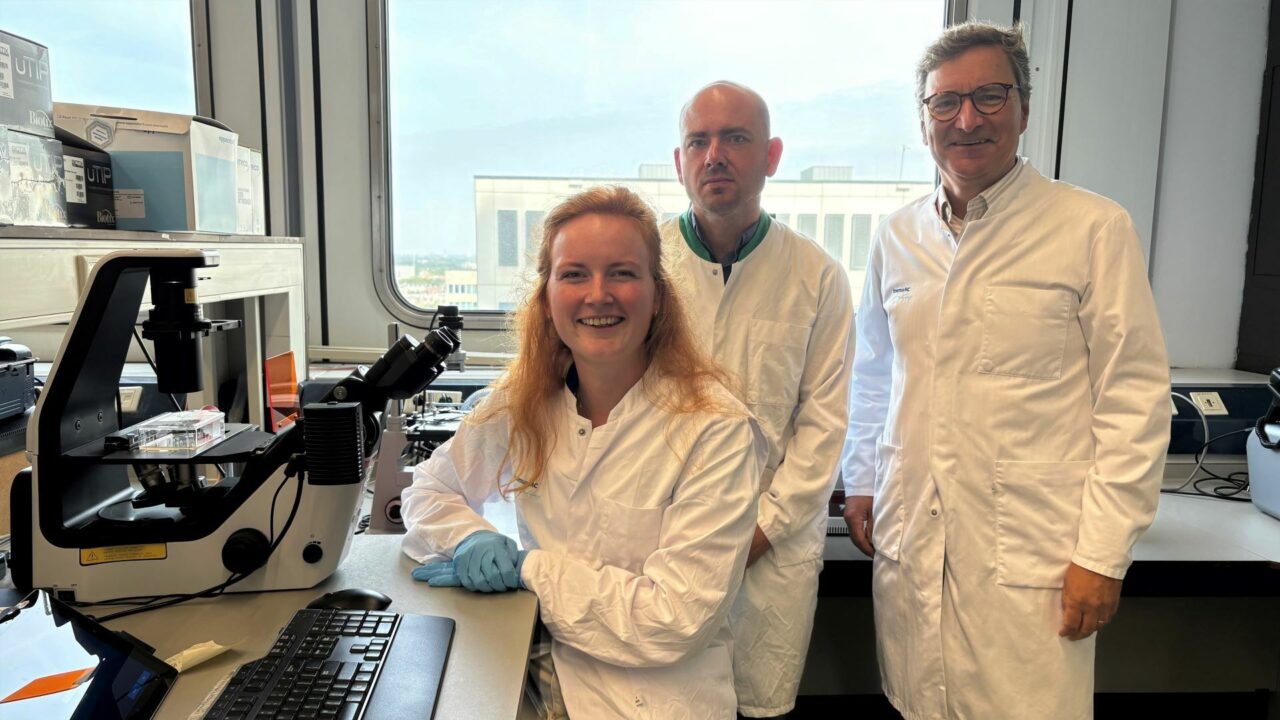
Prof. Frank Leebeek: About 20 % of People with Von Willebrand’s Disease Have Something Strange Going On
Erasmus MC shared a post on LinkedIn:
“Scientists at Erasmus MC have discovered that Von Willebrand’s blood clotting disease is not always caused by an error in the gene of the same name. A problem in the secretion of the clotting protein can also trigger the disease, they showed.
In people with Von Willebrand disease, something goes wrong in blood clotting. This is usually because their body produces too little or a poorly functioning version of the clotting protein Von Willebrand factor. That protein acts as a kind of band-aid to stop bleeding.
About twenty percent of people with Von Willebrand’s disease have something strange going on. They do not have an error in the Von Willebrand factor gene, but they do have too little clotting protein in their blood. “We have been looking for years to find out what causes the disease in these people,” says hematologist Prof. Frank Leebeek of Erasmus MC. A recent study by the Department of Hematology, published in Blood, points to a new cause.”
Read full paper here.
Stay updated with Hemostasis Today.
-
Oct 6, 2026, 07:03Laila Ahmed: Stroke Imaging – A Practical Radiology Approach
-
Oct 6, 2026, 05:52David Esposito: Can Standard Ultrasound Detect May Thurner Syndrome?
-
Oct 6, 2026, 04:33Hessam Kakavand: Rethinking Thrombotic Risk in Modern Cancer Therapy
-
Oct 6, 2026, 04:07Moussa Zein Aldine: Acute Coronary Syndrome Every Minute Matters
-
Oct 6, 2026, 03:13Patrick Taylor: Glow Stack Trend What the Evidence Really Shows
-
Oct 6, 2026, 02:59Preventing Hospital Associated Venous Thromboembolism – Thrombosis Canada
-
Oct 6, 2026, 02:42Treatment of Iron Deficiency With and Without Anemia – American Society of Hematology
-
Oct 6, 2026, 02:36Mouna Sassi: When Clinical and Laboratory Perspectives Meet in Thrombosis Care
-
Oct 6, 2026, 02:35Lucia Stefanini: Platelet Dysfunction and Oxidized Phospholipids in MASLD