

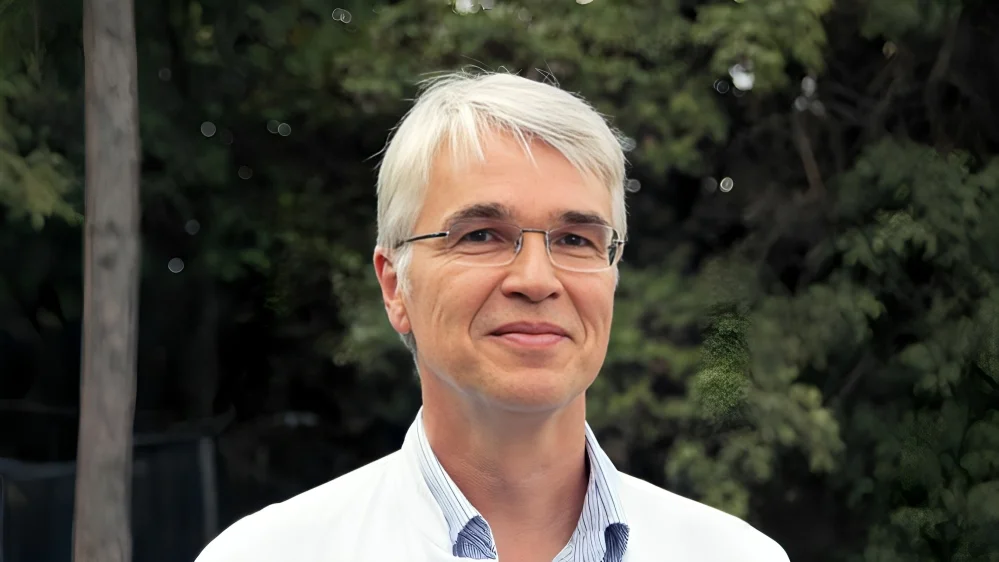
Wolfgang Miesbach Explains a New Study on Gene Therapy for Inherited Blood Disorders
Wolfgang Miesbach, Professor of Medicine at Frankfurt University Hospital, shared on LinkedIn:
”Gene Therapy for Inherited Blood Disorders – What the Publication Numbers Tell Us
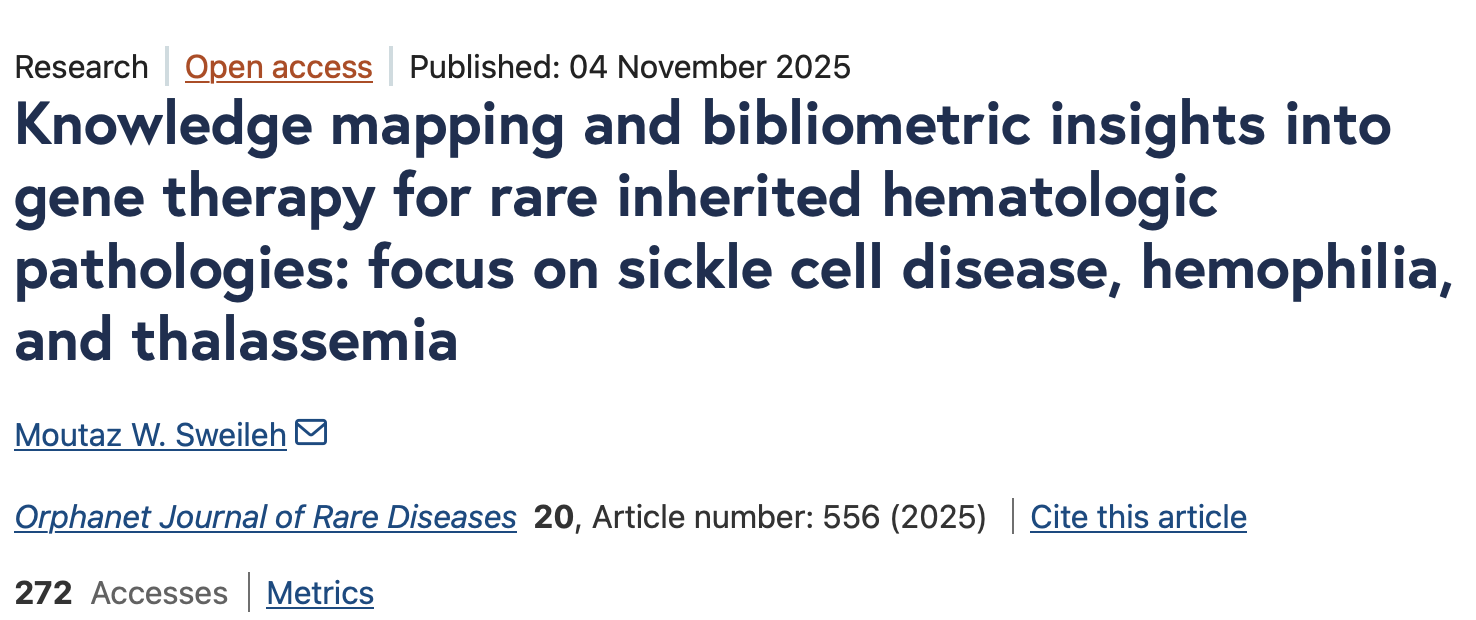
A new bibliometric analysis in Orphanet Journal of Rare Diseases by Moutaz W. Sweileh maps four decades of gene therapy research for sickle cell disease, thalassemia, and haemophilia.
The Research Landscape
1,399 publications spanning 1986–2024. Annual output grew 28% over the past decade, with acceleration starting 2019. Collectively cited 66,538 times (H-index 126).
Publishing Hubs
Blood (8.6%)
Haemophilia (5.4%)
Molecular Therapy (4.9%)
Human Gene Therapy (4.6%)
Blood Advances (2.9%)
Geographic Leadership
United States: 61.7% (863 papers) – with 62% involving domestic collaboration
Children’s Hospital of Philadelphia: 105 publications
University of Pennsylvania: 83
Team Science
Mean 8.1 authors/paper; 68.1% have ≥5 contributors
Top researchers:
· Katherine High: 39 papers (AAV-haemophilia pioneer)
· Timothy Nichols: 36 papers (large animal models)
· John Tisdale: 30 papers (HSCT/gene editing)
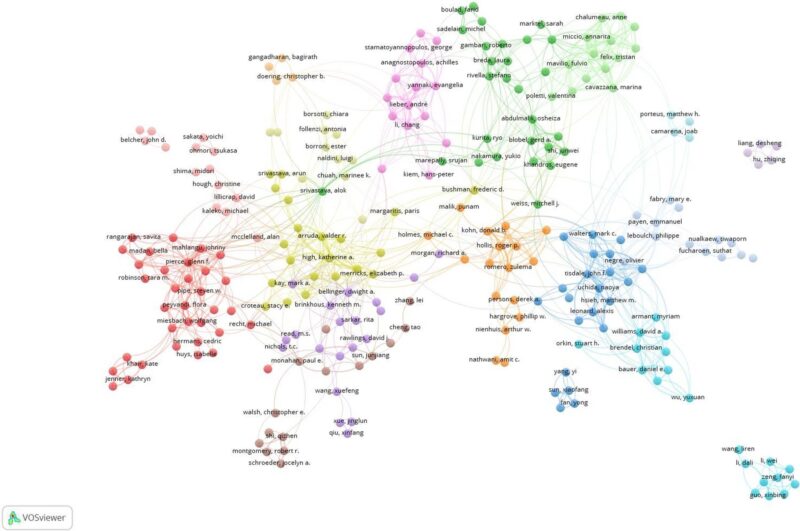
Author Collaboration Network:
Densely interconnected clusters connect US academic centers, European haemophilia treatment centers, and Asian stem cell research groups – collaboration is structural to progress.
Two Research Clusters
Hemophilia (51.0%): AAV → hepatocyte targeting → Factor VIII/IX. Clinically mature, regulatory approvals achieved. Keywords: clinical trial, quality of life outcomes.
Hemoglobinopathies (48.2%): CRISPR-Cas9 and lentiviral vectors → ex vivo stem cell modification. Rapidly expanding frontier. Keywords: genome editing, BCL11A, fetal hemoglobin.
Research split: 54.6% preclinical | 45.4% clinical
Three Landmark Papers That Defined the Field:
- Manno et al., 2006 (Nature Medicine) – AAV factor IX for hemophilia B | 1,839 citations
- Nathwani et al., 2011 (NEJM) – Gene Therapy for Haemophilia B | 1,578 citations
- Frangoul et al., 2021 (NEJM) – CRISPR-Cas9 for SCD/β-thalassemia | 1,205 citations
Bottom Line
Gene therapy for inherited blood disorders evolved from hypothesis to standard of care in <2 decades.
The research infrastructure – networks, regulatory frameworks, clinical expertise – is established. The question now is equitable delivery and sustainability.”
Read the full article here.
Article: Knowledge mapping and bibliometric insights into gene therapy for rare inherited hematologic pathologies: focus on sickle cell disease, hemophilia, and thalassemia
Authors: Moutaz W. Sweileh
Stay updated on all scientific advances with Hemostasis Today.
-
Oct 11, 2026, 22:40Bahram Alamdary Badlou: Platelets as First Responders in Hemostasis, Immunity, and Inflammation
-
Oct 11, 2026, 22:22Vipin Singh: New Publication on Hippo-YAP Signaling and Platelet Activation
-
Oct 11, 2026, 22:21Trygve Berge: New AFNOR Paper on AF-related Stroke in Norway
-
Oct 11, 2026, 22:09Omar Alomari: Our New Publication on Apixaban vs Rivaroxaban for VTE
-
Oct 11, 2026, 21:22Shayan Roshan: Happy to Share Two Research Milestones in Trauma Care and Pancreatic Cancer
-
Oct 11, 2026, 21:16Chokri Ben Lamine: Anemia in Myelofibrosis – Multiple Mechanisms, Limited Responses
-
Oct 11, 2026, 21:03Carmela Walker: Supporting Warriors Living With SCD Through Dental Care and Advocacy
-
Oct 11, 2026, 21:00Rishdha Roshad: Intraoperative Cell Salvage – Turning Blood Loss into an Opportunity for Recovery
-
Oct 11, 2026, 20:59Anthony R. Sloan: Honored to Share Our Work at the 20th Midwest Platelet Conference