


Rola Fayad Shares Key Clinical Updates on Anemia in CKD from KDIGO 2026
Rola Fayad, Nephrologist at HHUMC, shared on LinkedIn:
‘‘KDIGO 2026 Anemia in CKD: Key Clinical Updates!
The new KDIGO 2026 Guideline for Anemia in CKD offers clearer definitions, more precise thresholds, and a more patient‑centered approach to anemia management.
As nephrologists, these updates help us deliver safer and more individualized care.
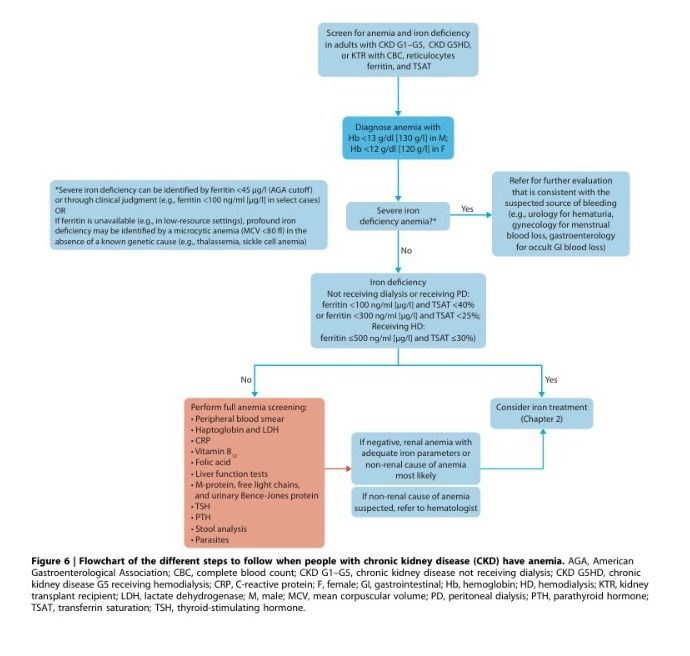
Definition and Screening:
– Anemia: Hb <12 g/dL (women), <13 g/dL (men).
– Screening:
• G3: yearly
• G4: twice yearly
• G5/dialysis: every 3 months
Initial tests: CBC, reticulocytes, ferritin, TSAT.
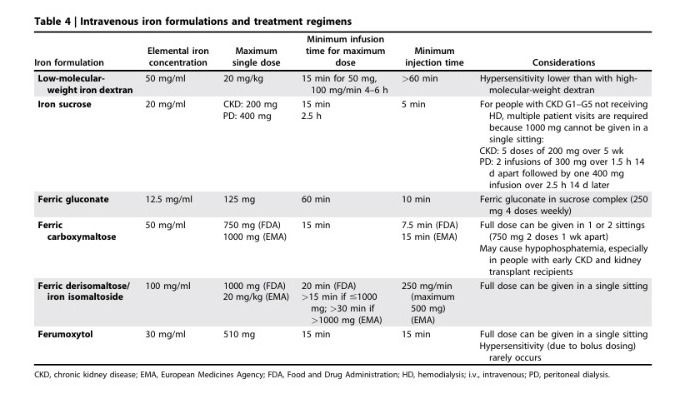
Updated Iron Concepts:
– Systemic iron deficiency: ferritin <100 ng/mL (ND) or <200 ng/mL (HD), TSAT <20%.
– Iron‑restricted erythropoiesis: ferritin >100–200 ng/mL with TSAT <20%.
When to Start Iron Therapy:
– Hemodialysis:
• Start IV iron if ferritin ≤500 ng/mL and TSAT ≤30%.
• Withhold if ferritin >700 ng/mL or TSAT ≥40%.
– Non‑dialysis CKD:
• Ferritin <100 and TSAT <40%, or
• Ferritin 100–300 and TSAT <25%
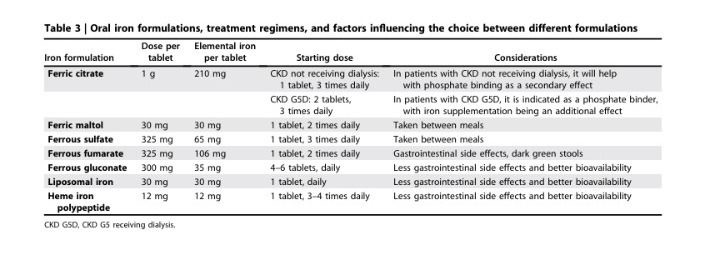
– Oral or IV based on tolerance and response.
– Hold iron during active infection.
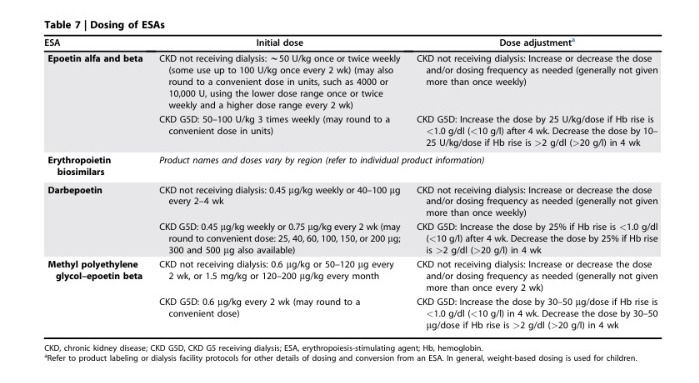
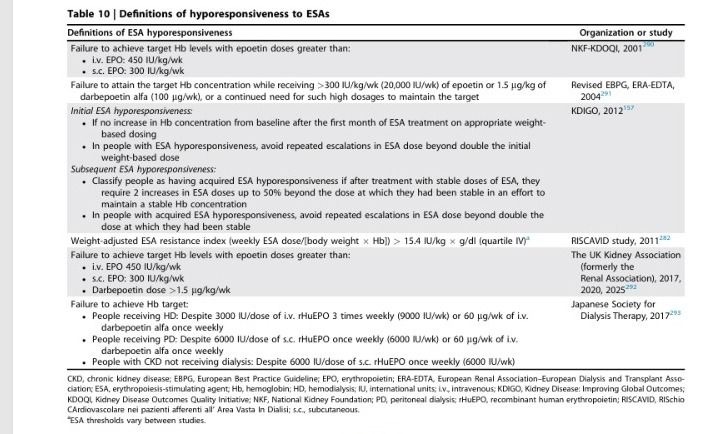
ESA Therapy:
– Dialysis: start when Hb ≤9–10 g/dL.
– Non‑dialysis: consider at Hb 8.5–10 g/dL based on symptoms.
– Do not maintain Hb ≥11.5 g/dL.
– Monitor Hb every 2–4 weeks.
– Suspend ESA during stroke or thrombosis; use caution in active malignancy.
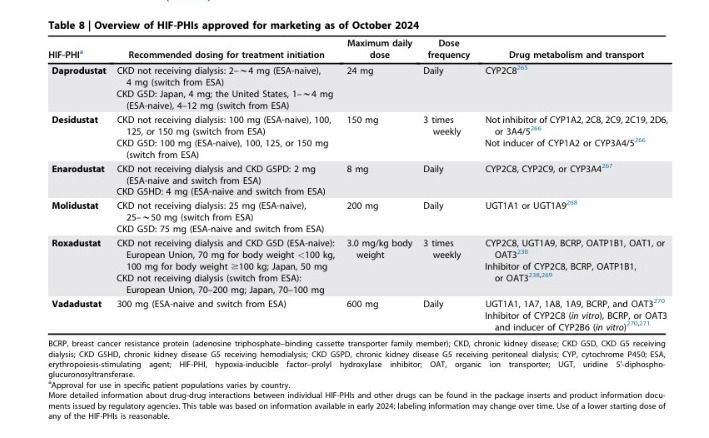
HIF‑PHIs:
– Option when ESA intolerance or hypo-responsiveness.
– Avoid in active malignancy, recent CV/thrombotic events, Pregnancy, Pulmonary hypertension, Proliferative retinal disease.
– Stop after 3–4 months if no response.
Transfusions:
– Reserved for acute or symptomatic or life‑threatening anemia.
-Avoid when possible in transplant candidates.
What I appreciate most about these guidelines is that they remind us of something essential: Anemia Management in CKD is not just about numbers it’s about people.
It’s about reducing fatigue, improving cognition, protecting the heart, and restoring dignity and quality of life.
These recommendations help us deliver care that is safer, more precise, and more compassionate.”
Stay updated with Hemostasis Today.
-
Oct 6, 2026, 08:39Emily Bury: Putting Patients at the Centre of VTE Care
-
Oct 6, 2026, 07:44Carolina Moreira Ponce: Thrombosis Month – Why Prevention Starts With Risk Assessment
-
Oct 6, 2026, 07:03Laila Ahmed: Stroke Imaging – A Practical Radiology Approach
-
Oct 6, 2026, 05:52David Esposito: Can Standard Ultrasound Detect May Thurner Syndrome?
-
Oct 6, 2026, 04:33Hessam Kakavand: Rethinking Thrombotic Risk in Modern Cancer Therapy
-
Oct 6, 2026, 04:07Moussa Zein Aldine: Acute Coronary Syndrome Every Minute Matters
-
Oct 6, 2026, 03:13Patrick Taylor: Glow Stack Trend What the Evidence Really Shows
-
Oct 6, 2026, 02:59Preventing Hospital Associated Venous Thromboembolism – Thrombosis Canada
-
Oct 6, 2026, 02:42Treatment of Iron Deficiency With and Without Anemia – American Society of Hematology