


Mohamed Sikkander Abdul Razak: A Single Stem Cell Generating 14 Million Tumor-Killing NK Cells
Mohamed Sikkander Abdul Razak, Professor at GKM College of Engineering Technology, shared a post on LinkedIn, adding:
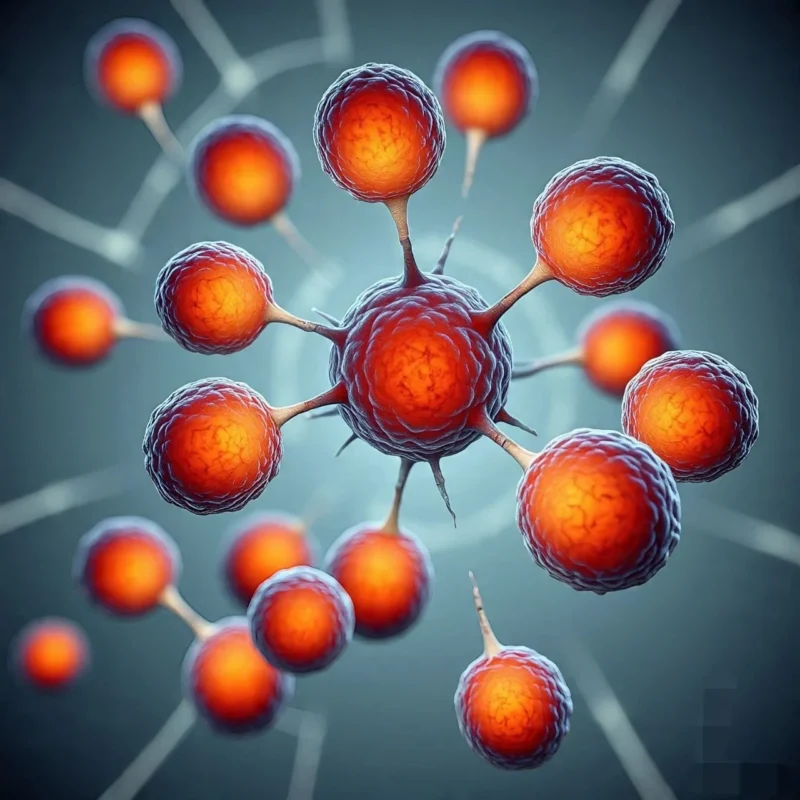
“Recent studies have shown that a single stem cell can generate up to 14 million tumor-killing NK cells, which is a remarkable achievement in cancer immunotherapy.
This breakthrough could lead to more effective treatments for various types of cancer.
The research focuses on engineering early-stage stem cells from cord blood, which has shown promising results in producing large quantities of highly potent NK cells.
These cells can be equipped with CAR (Chimeric Antigen Receptor) technology to target specific cancer cells, offering new hope for cancer patients.
Recent research has shown a significant increase in cancer-fighting NK cells, with an 80% increase in their activities.
This breakthrough is attributed to the use of stem cells from cord blood, which can generate large quantities of highly potent NK cells.
These cells can be engineered with CAR (Chimeric Antigen Receptor) technology to target specific cancer cells, offering new hope for cancer patients.
NK cells play a crucial role in cancer immunotherapy, recognizing and killing tumor cells without prior sensitization.
They exert their effects through various mechanisms, including releasing perforin, granzyme, and secreting cytokines like interferon-γ (IFN-γ).
Key Mechanisms of NK Cell Therapy:
- Direct Killing: NK cells release cytotoxic granules to induce tumor cell death.
- Antibody-Dependent Cell-Mediated Cytotoxicity (ADCC): NK cells mediate ADCC through FcγRIIIa (CD16).
- Cytokine Secretion: NK cells secrete cytokines like IFN-γ to modulate the immune response.
- Clinical Applications:
- Hematologic Malignancies: NK cell therapies have shown response rates ranging from 40% to 80%.
- Solid Tumors: Ongoing research explores NK cell therapy’s potential in treating solid tumors.
Recent advances in CAR-NK cell therapy are revolutionizing cancer treatment, offering safer and more effective options.
This innovative approach harnesses natural killer cells’ innate cytotoxic capabilities, combined with precise genetic engineering, to target cancer cells.
Key Benefits:
- Reduced toxicity: CAR-NK cells exhibit minimal cytokine release syndrome and neurotoxicity compared to CAR-T cells.
- Broad applicability: Effective against hematological malignancies and solid tumors.
- Off-the-shelf potential: Scalable production and cryopreservation enable rapid treatment.
Ongoing Research:
- Optimizing CAR design and combination therapies.
- Enhancing in-vivo persistence and overcoming immunosuppressive tumor microenvironments.
- Exploring applications in autoimmune diseases and infectious diseases.
Notable breakthroughs include:
- Menin inhibitors: Show promise in treating acute myeloid leukemia (AML) and pancreatic cancer.
- Protein degraders: Novel therapies targeting cancer-driving proteins.
- Diet and exercise: Lifestyle interventions improving cancer treatment outcomes.”
Stay updated with Hemostasis Today.
-
Oct 20, 2026, 04:13Ifeanyichukwu Ifechidere: DOACs Are Not the Answer to Every Anticoagulation Question
-
Oct 20, 2026, 04:04Sadia Kamal: Honored to Receive the Outstanding Abstract Award at the 20th Midwest Platelet Conference
-
Oct 20, 2026, 04:03Yu-Hsuan Chen: One Antibody, Two Diseases from FcRn Biology to Clinical Translation
-
Oct 20, 2026, 03:49Domenico Simone Castiello: Rethinking Prolonged DAPT in Multivessel PCI – Insights from the DAPT-MVD Trial
-
Oct 20, 2026, 03:37Rucha Patil: Scaling POC Diagnostics for Haemophilia A and VWD Across India
-
Oct 20, 2026, 03:31Zena Vexler: Targeting Neutrophil Elastase and NETosis to Mitigate Infection-Triggered Childhood Stroke
-
Oct 20, 2026, 03:24Chaza Alaji: Diagnosing Protein C and Protein S Deficiency
-
Oct 20, 2026, 03:24Mou Nandi: How Maternal Health During Pregnancy May Shape Infant Development
-
Oct 20, 2026, 03:13Sumyea Kabir: Pre-Analytical Quality in Phlebotomy – Preventing In Vitro Hemolysis