

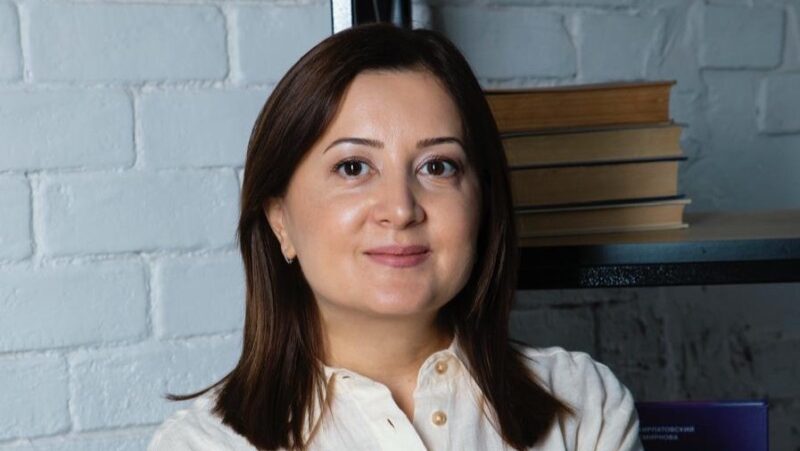
Heghine Khachatryan: Real-World Data on DOAC Use in Pediatric Oncology
Heghine Khachatryan, Editor-in-Chief of Hemostasis Today, Head of Hemophilia and Thrombosis Center at Yeolyan Hematology and Oncology Center, shared RPTH’s post on LinkedIn:
“New evidence continues to refine our understanding of anticoagulation in complex pediatric populations.
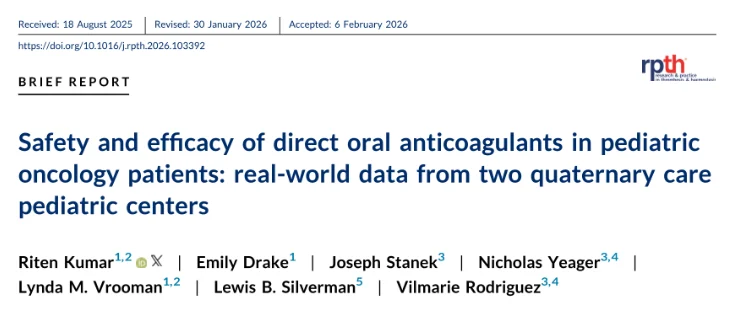
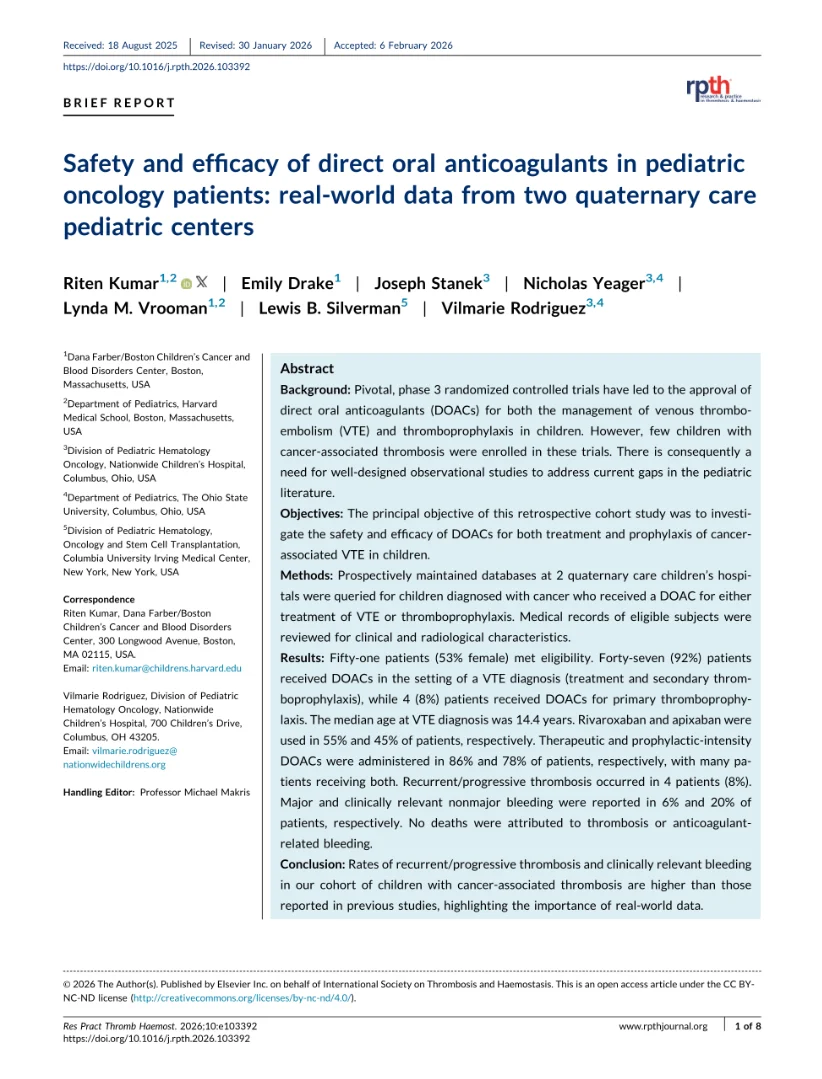
A recent publication in Research and Practice in Thrombosis and Haemostasis (RPTH) explores the safety and efficacy of direct oral anticoagulants (DOACs) in pediatric oncology patients, presenting real-world data from two tertiary pediatric centers.
Children with cancer represent a particularly vulnerable group, where thrombosis risk is increased due to malignancy, central venous catheters, and treatment-related factors.
Determining the optimal balance between thrombosis prevention and bleeding risk remains a critical clinical challenge.
Real-world data such as these are essential for guiding evidence-based decisions and improving outcomes in pediatric cancer-associated thrombosis.
Continued research will help clarify the role of DOACs in this delicate patient population.”
RPTH Journal shared a post on LinkedIn about a recent article by Riten Kumar et al, adding:
“Are DOACs truly safe for children with cancer-associated thrombosis?
Direct oral anticoagulants are transforming anticoagulation in adults.
But in pediatric oncology, the evidence base is still evolving.
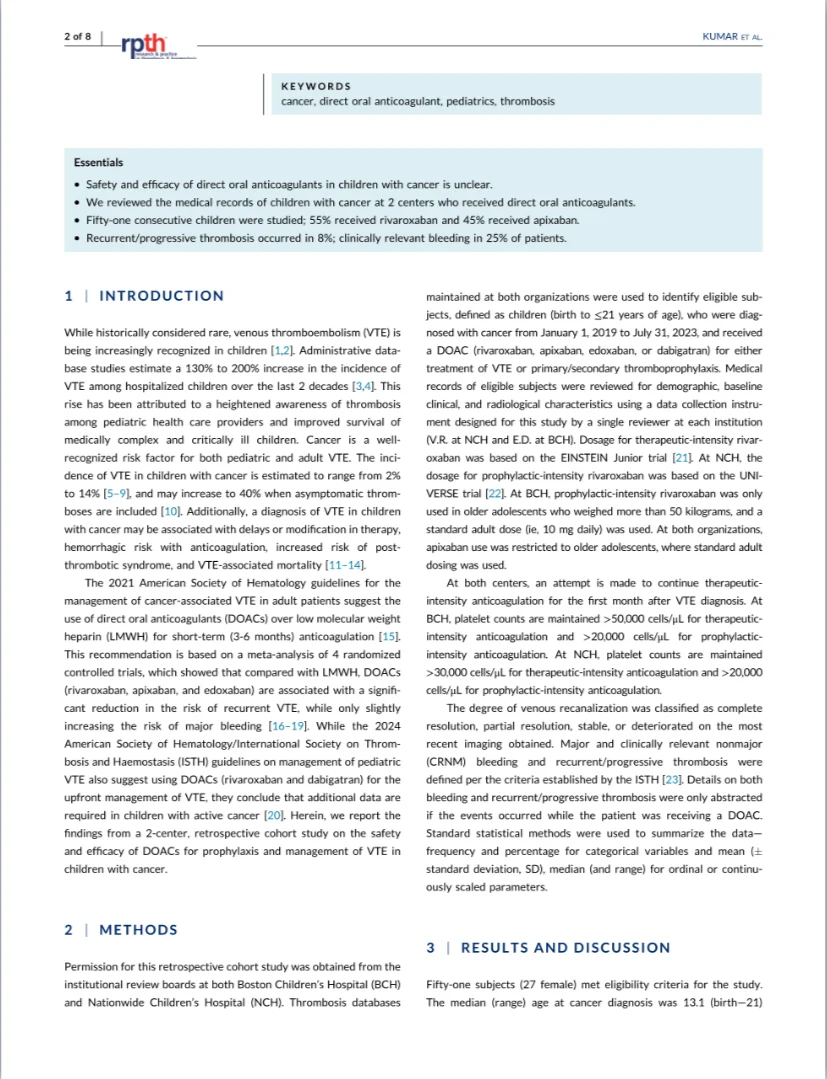
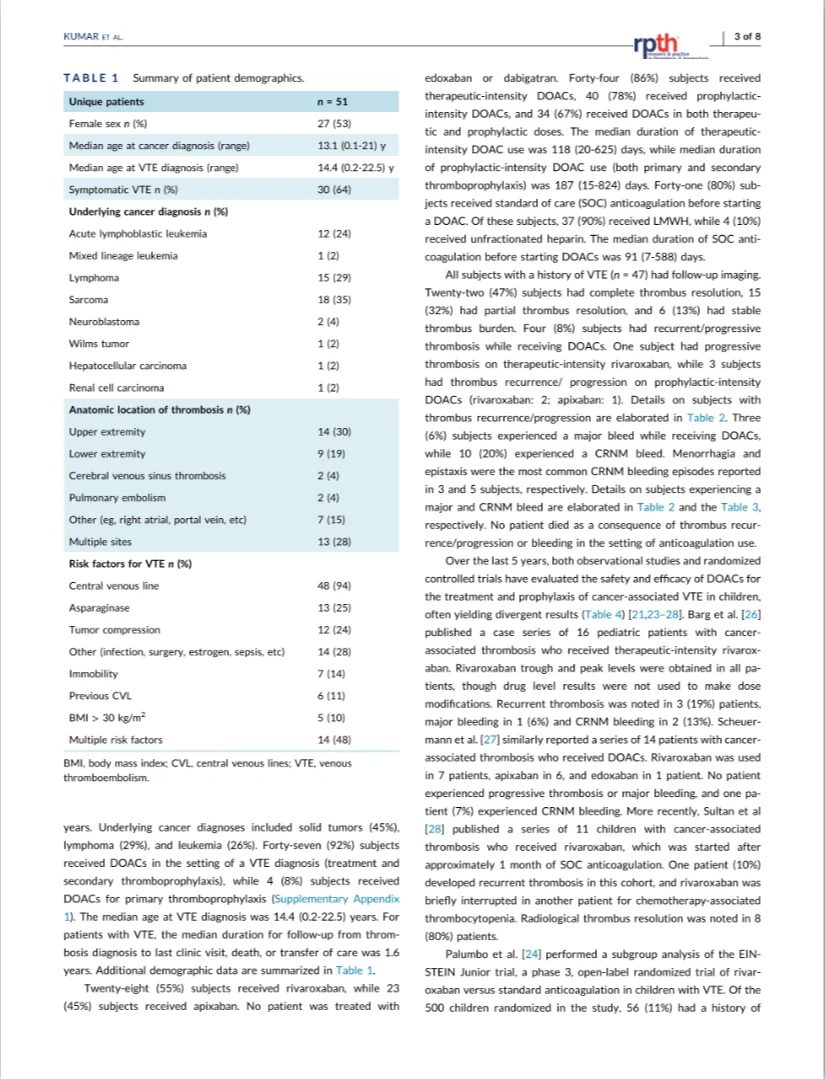
A new real-world RPTH study examined 51 children with cancer receiving DOACs for treatment or prevention of VTE across two major pediatric centers.
Here’s the key signal:
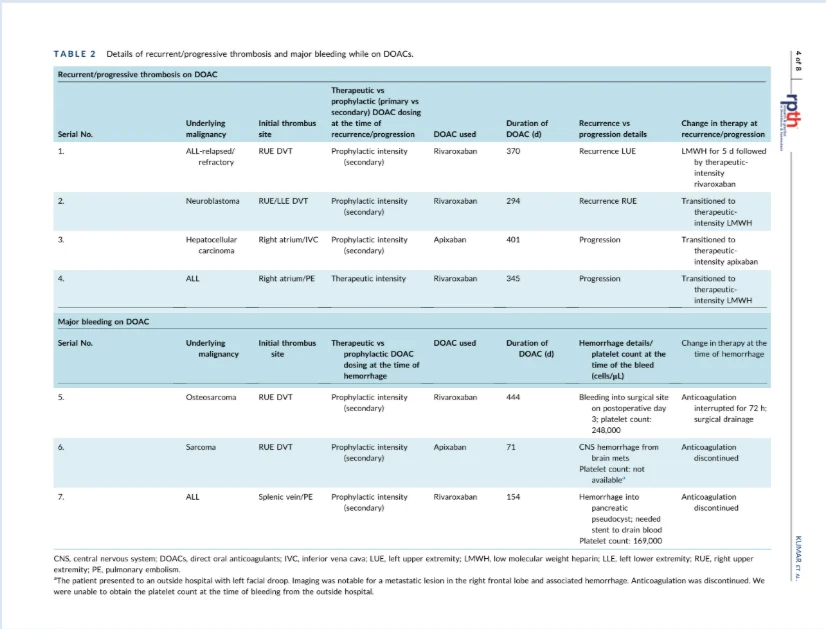
- Recurrent or progressive thrombosis occurred in 8% of patients
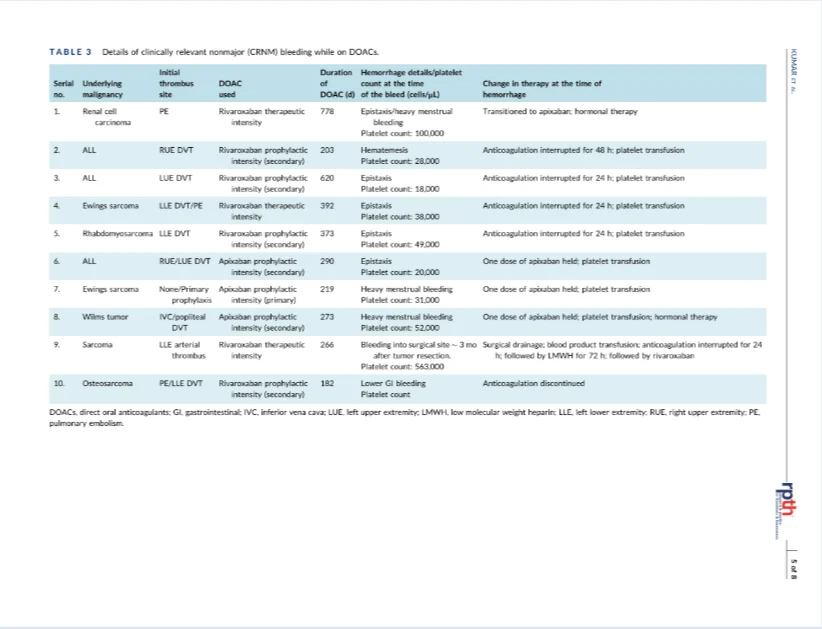
- Major bleeding occurred in 6%, and clinically relevant nonmajor bleeding in 20%.
What’s important about these findings
- Most patients received rivaroxaban or apixaban
- Nearly half achieved complete thrombus resolution on follow-up imaging
- Bleeding events were often linked to chemotherapy-related thrombocytopenia
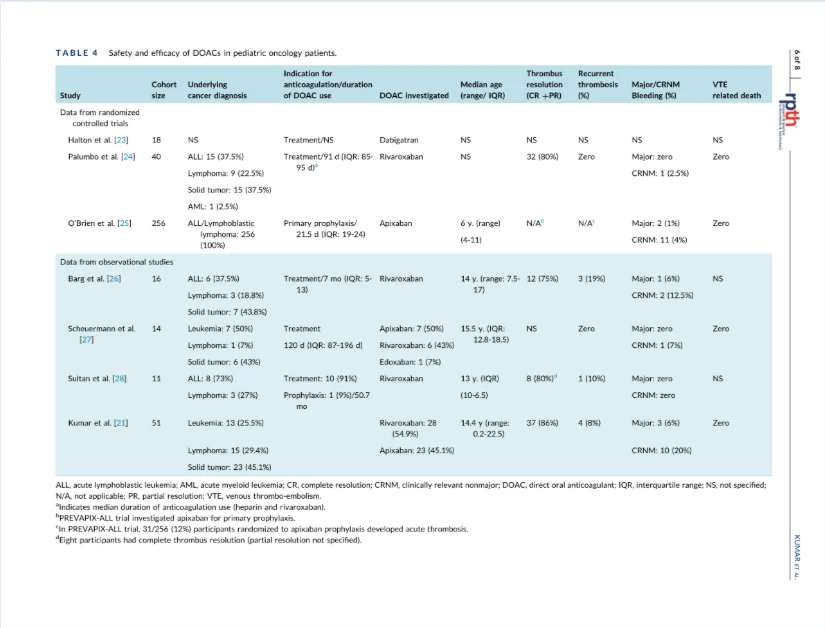
- Real-world complication rates were higher than some clinical trials
Translation:
DOACs are promising in pediatric oncology but real-world complexity matters.
Big questions moving forward:
- What is the optimal anticoagulation intensity in children with cancer?
- How should platelet thresholds guide anticoagulation decisions?
- Can we better balance thrombosis prevention with bleeding risk during chemotherapy?”
Title: Safety and efficacy of direct oral anticoagulants in pediatric oncology patients: real-world data from two quaternary care pediatric centers
Authors: Riten Kumar, Emily Drake, Joseph Stanek, Nicholas Yeager, Lynda M. Vrooman, Lewis B. Silverman, Vilmarie Rodriguez
Read the Full Article on RPTH
Other posts featuring Heghine Khachatryan on Hemostasis Today.
-
Sep 19, 2026, 03:15Paulus Kirchhof: Europe’s Safe Hearts Plan to Reduce Cardiovascular Mortality
-
Sep 19, 2026, 03:10James Smith: Brain Training and Exercise for Cognitive Recovery After Stroke
-
Sep 19, 2026, 03:03Lesley Van Wyk: ASH Releases New Iron Deficiency Diagnosis Guidelines
-
Sep 19, 2026, 02:53Francisco Chacón-Lozsán: Acute Ischemic Stroke in 2026 – Expanding the Treatment Window
-
Sep 19, 2026, 01:53Thomas Dayspring: Understanding Genome and Lipid Interactions in Lipidology
-
Sep 19, 2026, 01:47Abdurrahman Tufan: Combination Targeted Therapy in Refractory Systemic Autoinflammatory Diseases
-
Sep 19, 2026, 01:44Patrick James Lynch: Mother of a Thousand Sons Premieres at BDC 2026
-
Sep 19, 2026, 01:41Genetic Fate Mapping Reveals Endothelial Cells During Venous Thrombus Resolution – RPTH Journal
-
Sep 19, 2026, 01:39Mostafa Hammam: Three Different Platelet Defects – One Common Symptom