

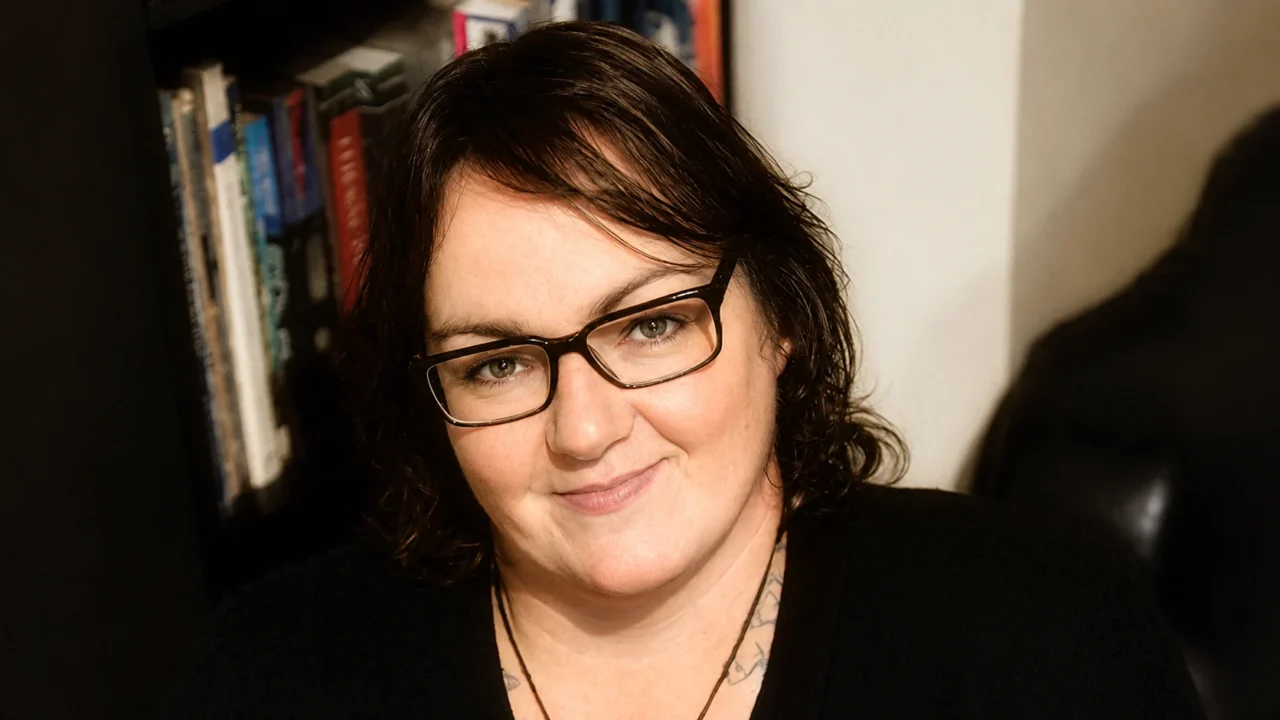
Beth Wallace: Raising Awareness of Hereditary Haemochromatosis
Beth Wallace, Therapeutic Consultant at Office of the Director of Authorised Intervention, Tuam, shared a post on LinkedIn:
“Ireland has the highest prevalence of haemochromatosis in the world, a genetic disorder which causes people to absorb too much iron.
Approximately 1 in 83 people in Ireland are at risk of iron overload, and 1 in 5 are carriers of the gene.
Recent research maps the highest genetic risks for the disease to the Ulster area.
Symptoms typically appear between the ages of 30 and 40 as iron slowly builds up in the liver, pancreas, joints, and heart causing:
- Unexplained, chronic fatigue and weakness
- Joint pain (particularly in the knuckles and ankles)
- Abdominal pain
- Discolouration or ‘bronzing’ of the skin
- Long-term risks include liver disease, diabetes, and heart problems.
Testing is easy and so is treatment which can then prevent some serious consequences later in life.
A simple blood test, known as an iron panel, checks serum ferritin (SF) and transferrin saturation (TS).
If levels are raised, a specific genetic test is performed.
The most common and effective treatment is venesection (or phlebotomy), which is the therapeutic removal of blood to lower iron levels, much like a standard blood donation.
For those who can donate blood, this can work well as an informal treatment.”
Stay updated with Hemostasis Today.
-
Sep 20, 2026, 11:27Edward Lee Carter: Prasugrel Dosing Matters in P2Y12 Inhibitor Comparisons After PCI
-
Sep 20, 2026, 09:51Ceasovschih Alexandr: A Closer Look at Lipid Disorders in CKM Syndrome
-
Sep 20, 2026, 09:05World Stroke Academy: Can Adjunct IAT Improve Tissue Reperfusion?
-
Sep 20, 2026, 06:46Neeraj Songara: From Donated Blood to Engineered Therapeutics
-
Sep 20, 2026, 06:24Louise St. Germain Bannon: Improving Awareness and Care for Women Across the Lifespan
-
Sep 20, 2026, 05:17Maxime Dely: When ABO Compatibility Isn’t Enough for Safe Transfusion
-
Sep 20, 2026, 04:54William Aird: What Does a Complete History and Physical Really Mean?
-
Sep 20, 2026, 04:34Hons Saurabh Kaushik: Why Uncontrolled LDL Can Be Harmful
-
Sep 20, 2026, 03:58Salih Ehsan: The Complexities of HbF and HbA2