


Lovish Garg: Advances in Endovascular Treatment for Deep Vein Thrombosis
Lovish Garg, Endovascular and Interventional Radiologist at SPS Hospitals, shared a post on LinkedIn:
“Venous Thrombolysis and Thrombectomy – Top 6 FAQs By Dr. Lovish Garg | Interventional Radiologist
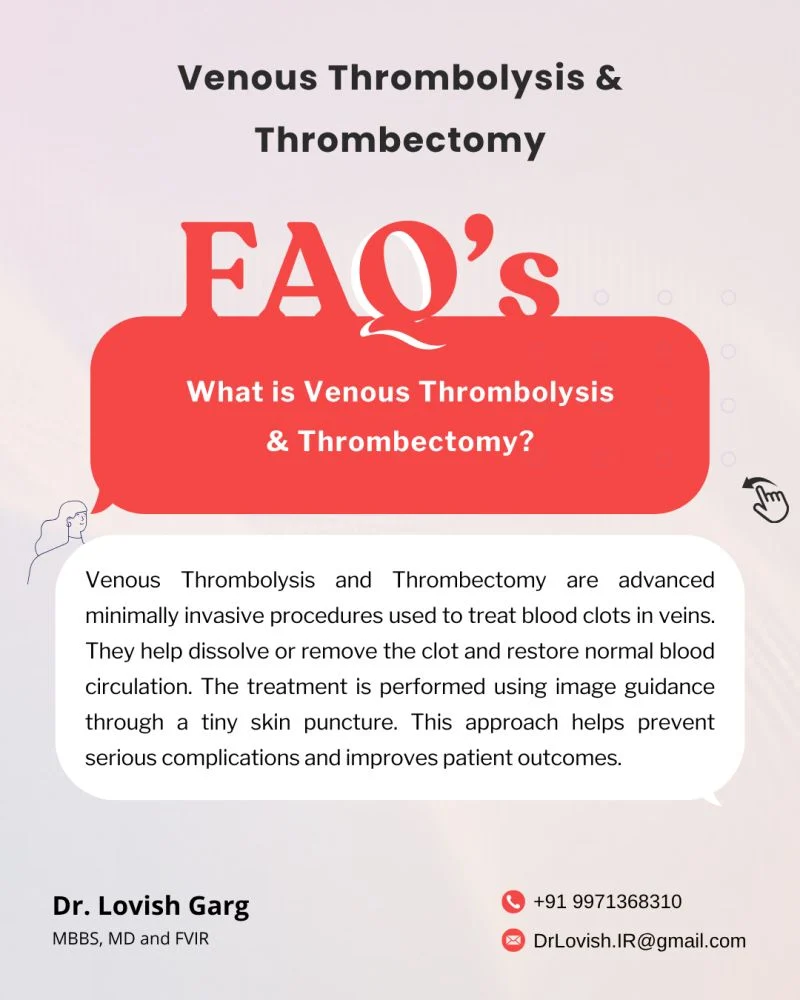
1. What is Venous Thrombolysis and Thrombectomy?
Venous Thrombolysis and Thrombectomy are minimally invasive, image-guided procedures used to treat blood clots within veins.
These techniques help dissolve or physically remove the clot, restoring normal blood flow and reducing the risk of long-term complications.
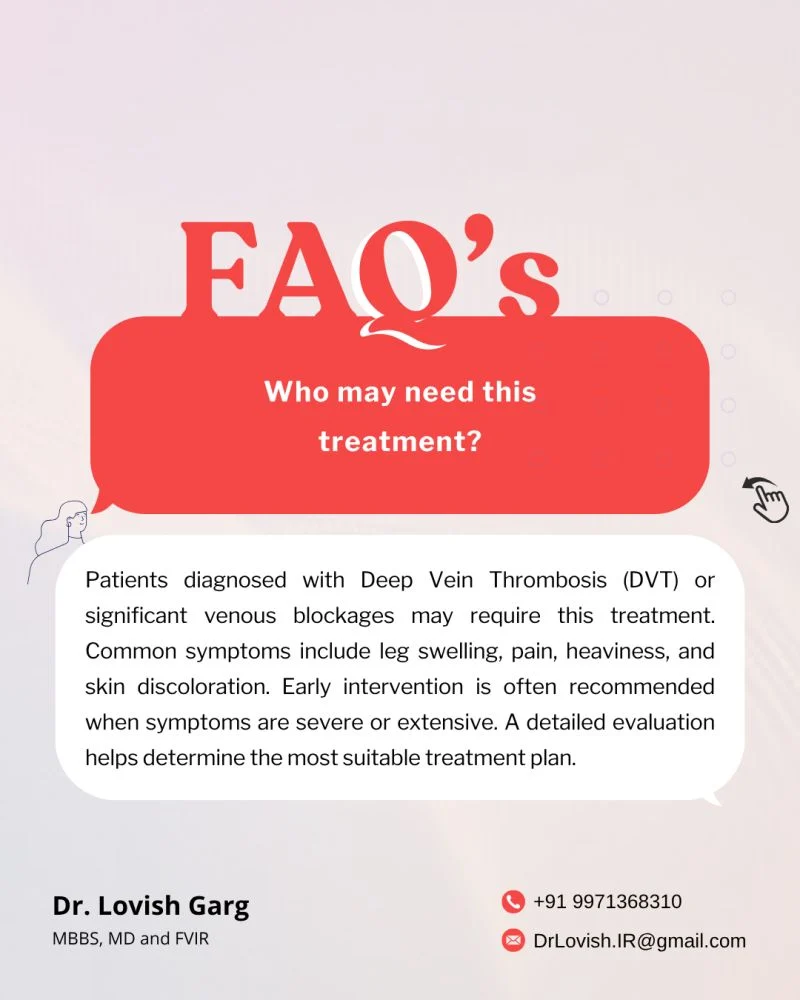
2. Who may need this treatment?
Patients with Deep Vein Thrombosis (DVT) or significant venous obstruction may be candidates for this procedure.
Symptoms such as leg swelling, pain, heaviness, and skin discoloration often warrant further evaluation by a vascular specialist.
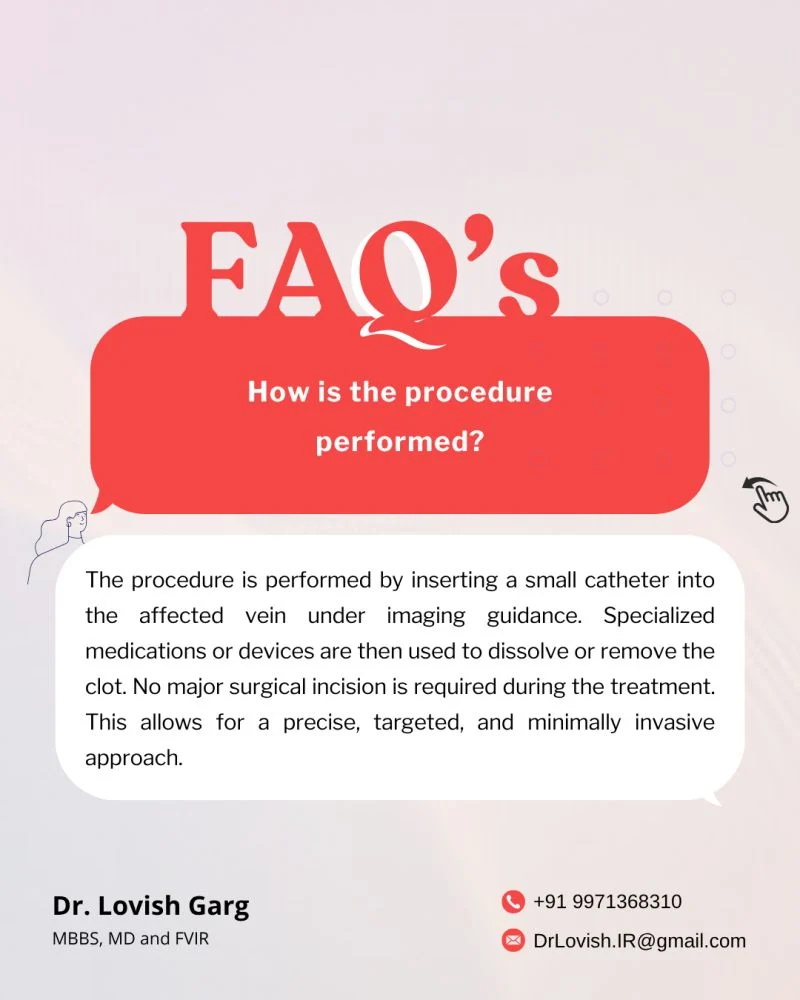
3. How is the procedure performed?
A small catheter is inserted into the affected vein under imaging guidance.
Specialized medications and/or mechanical devices are then used to break down or remove the clot in a precise and targeted manner without major surgery.
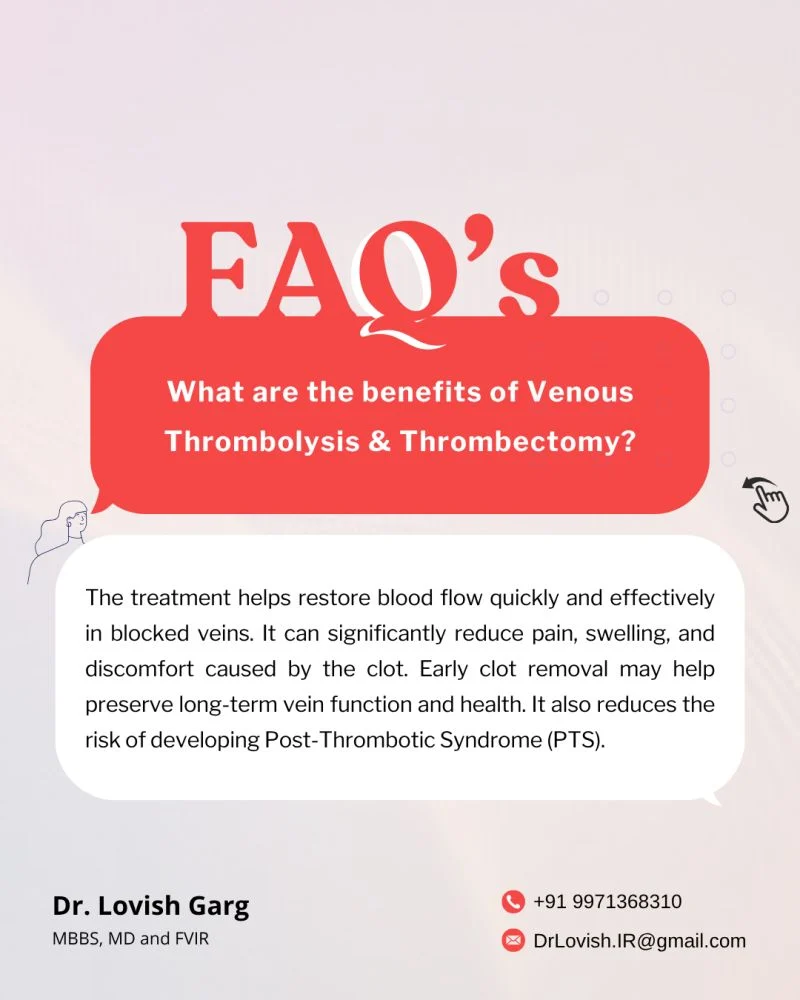
4. What are the benefits of Venous Thrombolysis and Thrombectomy?
These procedures can rapidly restore venous blood flow, relieve symptoms, and improve patient comfort.
Early clot removal may also help preserve long-term vein function and reduce the risk of Post-Thrombotic Syndrome (PTS).
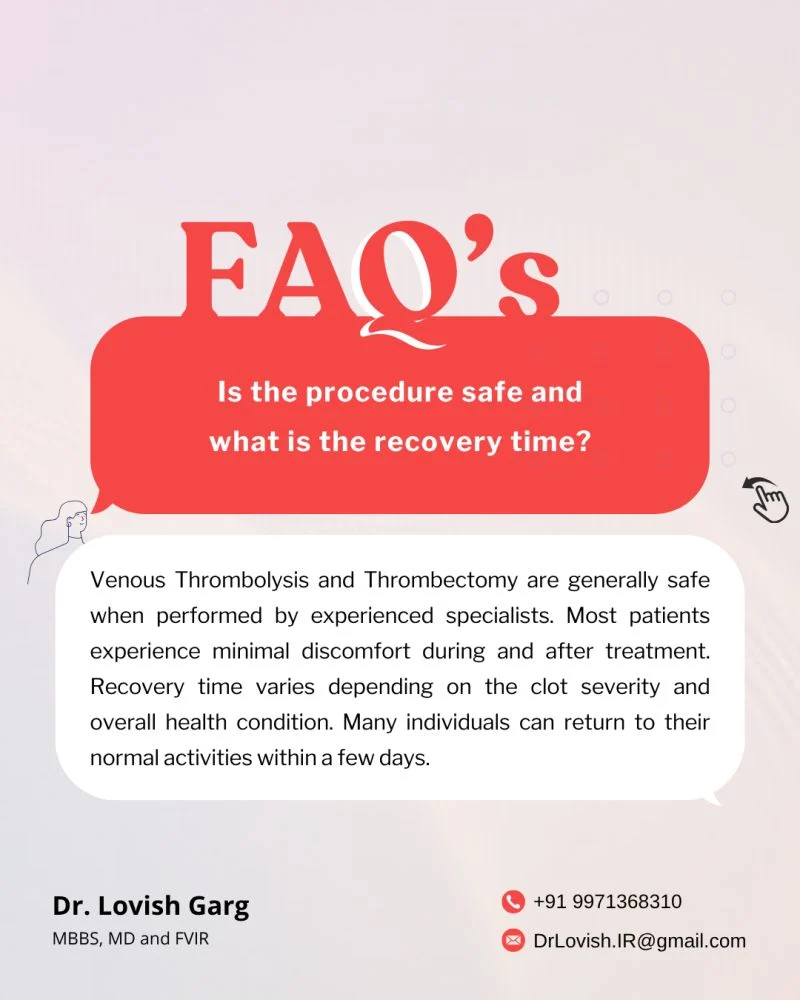
5. Is the procedure safe and what is the recovery time?
When performed by experienced specialists, Venous Thrombolysis and Thrombectomy are generally safe and effective.
Most patients experience minimal discomfort and can resume normal daily activities relatively quickly, depending on the severity of the clot and their overall health.
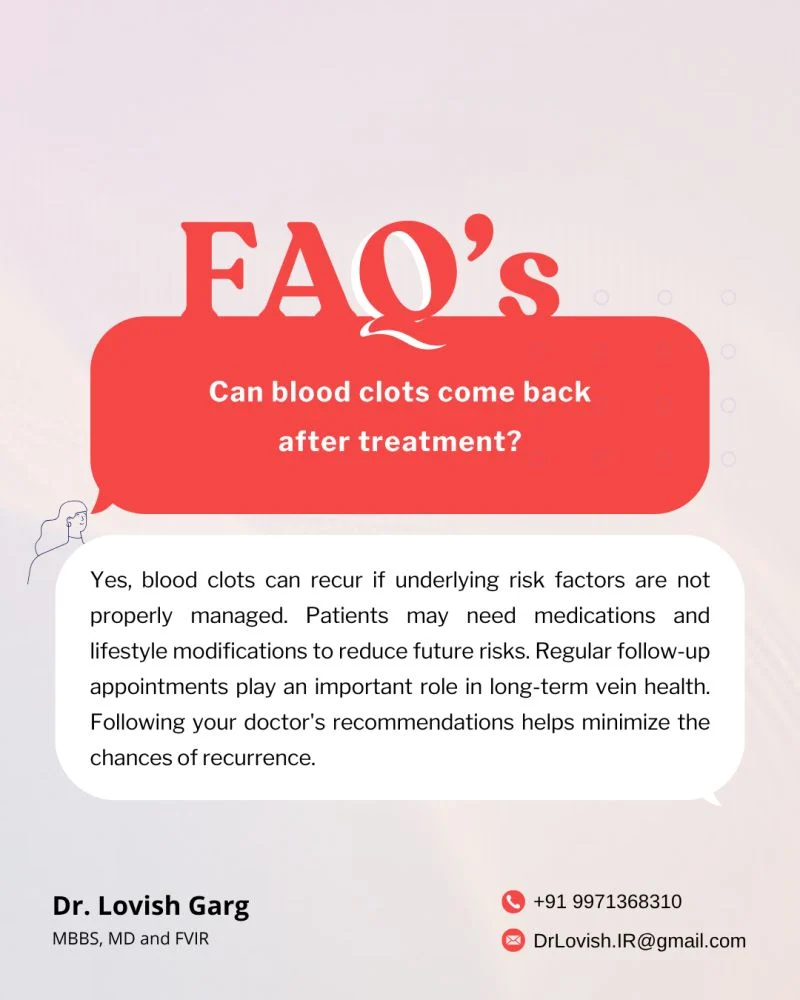
6. Can blood clots recur after treatment?
Yes, recurrence is possible if underlying risk factors remain unaddressed.
Appropriate medications, lifestyle modifications, and regular follow-up play an important role in reducing future clotting risk and maintaining long-term vascular health.
Timely diagnosis and intervention can significantly improve outcomes for patients with venous thrombosis.
Awareness of symptoms and early consultation with a specialist are essential for preventing complications and preserving vein health.”
Stay updated with Hemostasis Today.
-
Sep 19, 2026, 03:15Paulus Kirchhof: Europe’s Safe Hearts Plan to Reduce Cardiovascular Mortality
-
Sep 19, 2026, 03:10James Smith: Brain Training and Exercise for Cognitive Recovery After Stroke
-
Sep 19, 2026, 03:03Lesley Van Wyk: ASH Releases New Iron Deficiency Diagnosis Guidelines
-
Sep 19, 2026, 02:53Francisco Chacón-Lozsán: Acute Ischemic Stroke in 2026 – Expanding the Treatment Window
-
Sep 19, 2026, 01:53Thomas Dayspring: Understanding Genome and Lipid Interactions in Lipidology
-
Sep 19, 2026, 01:47Abdurrahman Tufan: Combination Targeted Therapy in Refractory Systemic Autoinflammatory Diseases
-
Sep 19, 2026, 01:44Patrick James Lynch: Mother of a Thousand Sons Premieres at BDC 2026
-
Sep 19, 2026, 01:41Genetic Fate Mapping Reveals Endothelial Cells During Venous Thrombus Resolution – RPTH Journal
-
Sep 19, 2026, 01:39Mostafa Hammam: Three Different Platelet Defects – One Common Symptom