


Mark Thornton: When a Metabolic Intermediate Becomes a Clinical Warning Sign
Mark Thornton, Company Owner at Family Doctor Publications Limited, shared a post on LinkedIn:
“Understanding Homocysteine
I have heard ‘elevated homocysteine’ as a marker of poor health many times but never understood why or what homocysteine is.
Homocysteine is an amino acid but not one of the 20 standard amino acids your body uses to build proteins.
Cells are very strict about which amino acids are used in protein synthesis.
Homocysteine is potentially damaging, so it’s not used as a structural component.
Interestingly, if homocysteine tries to join in the fun and accidentally binds to proteins, it can damage them — which is one proposed mechanism for its possible harmful effects.
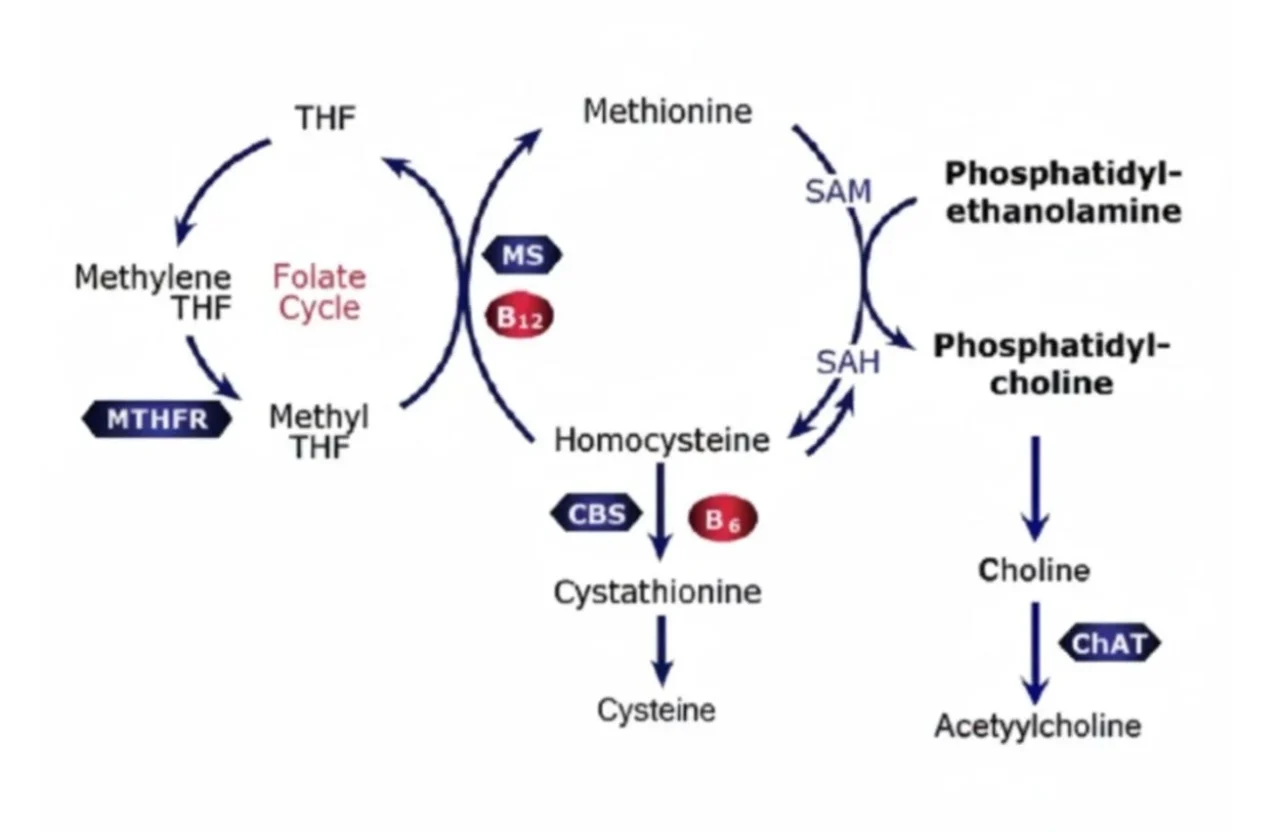
Homocysteine is a molecule that exists temporarily inside a biochemical pathway — it’s made from one step and quickly converted in the next.
Think of it as a relay runner in the middle of a race.
It carries the baton briefly, then passes it on.
What is homocysteine?
Homocysteine is produced when the body uses methionine – an amino acid from protein-rich foods – to carry out methylation, a biochemical process essential for gene regulation, neurotransmitter production, and many other functions.
Your body doesn’t want homocysteine to build up so it quickly recycles it through two main pathways:
- Converts it back into methionine
- Converts it into cysteine (another useful amino acid)
These processes require key B vitamins:
- Vitamin B12
- Folate (Vitamin B9)
- Vitamin B6
If those vitamins are low, homocysteine rises.
Why is elevated homocysteine considered ‘bad’?
High homocysteine (called hyperhomocysteinemia) is associated with cardiovascular disease specifically:
- Increased risk of heart attack
- Increased risk of stroke
- Higher risk of blood clots
Homocysteine may do this by:
- Damaging the inner lining of blood vessels (endothelium)
- Increasing oxidative stress
- Promoting inflammation
- Make blood more prone to clotting
Cognitive decline
Higher levels of homocysteine are associated with:
- Dementia
- Alzheimer’s disease
- Brain atrophy
Homocysteine may contribute to vascular damage in the brain.
Bone problems
Elevated levels are linked with:
- Increased fracture risk – Possibly due to effects on collagen structure.
But the $60,000 question is homocysteine the cause — or just a marker?
For years, scientists thought lowering homocysteine would reduce heart disease risk.
But large trials showed:
- Giving B vitamins lowers homocysteine levels
- BUT it doesn’t dramatically reduce heart attacks in most people
So today, many experts consider it more of a marker of metabolic stress or poor methylation capacity rather than a direct cause of disease in most cases.
It is still a useful signal that something may be off.”
Stay updated with Hemostasis Today.
-
Sep 24, 2026, 06:52Gina Sado: Screening-Detected Atrial Fibrillation Carries High Risk of Heart Failure
-
Sep 24, 2026, 06:33Benjamin Vipler: Optimal Oral Anticoagulation Choice in Atrial Fibrillation and Advanced CKD
-
Sep 24, 2026, 06:08Christopher Salerno: AI-Powered At-Home Anemia Screening Advances Telehealth Access
-
Sep 24, 2026, 05:38Aya Qattan: When a Normal CBC Does Not Mean Normal Iron Status
-
Sep 24, 2026, 05:11Mastering Warm Autoimmune Hemolytic Anemia Diagnosis and Practice – ASH Education
-
Sep 23, 2026, 16:04Monia Ezzalfani: Advancing Patient-Centered Care in Hemophilia A and B
-
Sep 23, 2026, 15:49Bilge Başak: How Activated PRP Modulates Osteoarthritic Chondrocyte Function
-
Sep 23, 2026, 14:50Mbonjo Bitsie Dora: Strengthening Sickle Cell Care Through Education, Awareness and Innovation
-
Sep 23, 2026, 13:58The New B12 Diagnostic Algorithm: From Serum Cobalamin to Functional Deficiency