

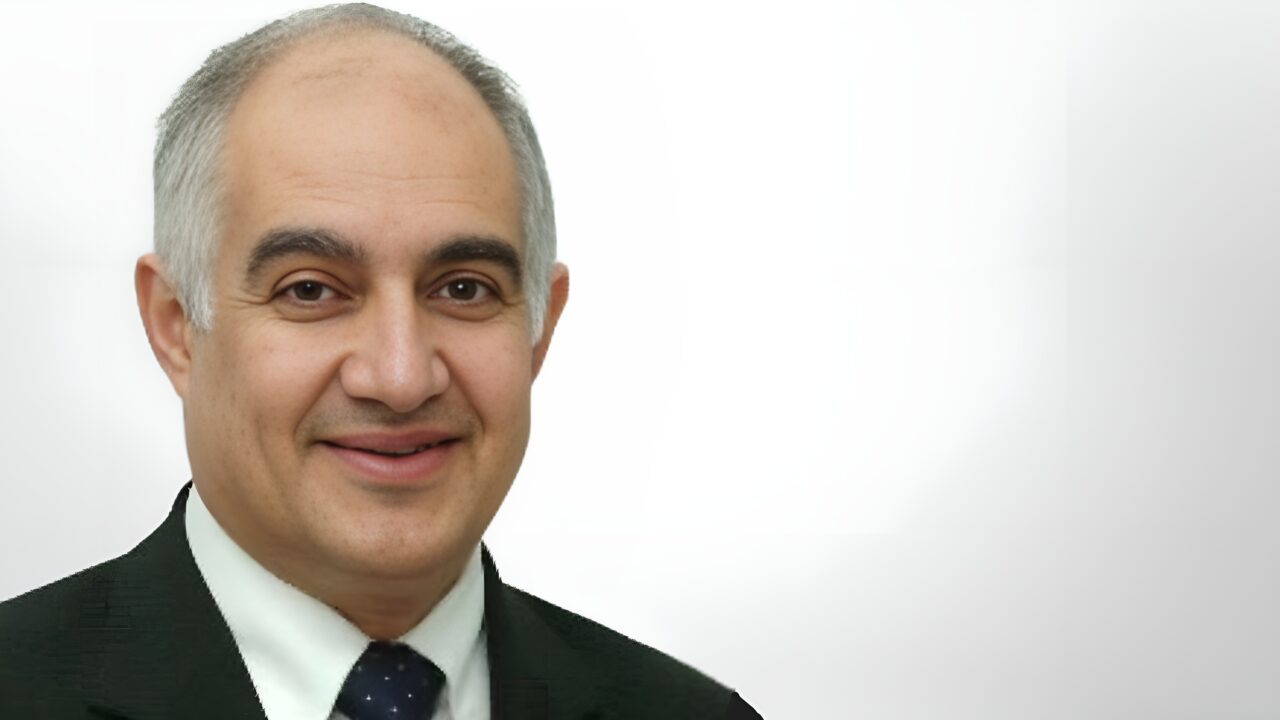
Michael Makris Shares 2 Fascinating Lessons from Hemophilia Care in Japan
Michael Makris, Emeritus Professor of Haemostasis and Thrombosis at the University of Sheffield, UK. Editor-in-Chief of Research and Practice in Thrombosis and Haemostasis, shared a post on LinkedIn:
”Two surprising facts I learnt about hemophilia care from my visit to Japan:
1. There are 7,000 patients with hemophilia A or B in Japan. They receive their care from 800 medical facilities. There are around 100 hemophilia treatment centres, but not all patients are seen here. Many patients have their hemophilia care provided by their local General Practitioners.
I find it difficult to understand how modern hemophilia care can be adequately provided outside hemophilia centres.
2. A number of consultant hematologists in Japan actually have hemophilia themselves. At dinner one evening I was sitting at a table with five consultant hematologists with hemophilia.”
During a recent visit to Japan, Michael Makris, Emeritus Professor of Haemostasis and Thrombosis at the University of Sheffield, UK. Editor-in-Chief of Research and Practice in Thrombosis and Haemostasis, observed two surprising aspects of hemophilia care in the country.
Firstly, among Japan’s 7,000 patients with hemophilia A or B, care is delivered across 800 medical facilities, with only around 100 designated hemophilia treatment centers.
Remarkably, many patients are managed by local General Practitioners rather than specialized centers—a model that raises questions about maintaining comprehensive, modern standards of care.
Secondly, Professor Michael Makris encountered a uniquely personal dimension of the medical community: several consultant hematologists in Japan live with hemophilia themselves.
In one memorable instance, he shared a dinner table with five consultant hematologists who have hemophilia—a testament to resilience and dedication within the field.
These reflections highlight distinctive features of Japan’s approach to hemophilia care, prompting consideration of care models and patient-professional dynamics worldwide.
More interesting facts about hemophilia featured in Hemostasis Today.
-
Oct 20, 2026, 05:46Jan T. Kielstein: DNP Poisoning and Hemoadsorption The Limits of Rescue Therapy
-
Oct 20, 2026, 05:33Giulia Di Paolo: Connecting Plasma Donation to the Patients Who Depend on It
-
Oct 20, 2026, 05:20James Knowles: Exploring Plasma Manufacturing and Strengthening Industry Collaboration
-
Oct 20, 2026, 05:11Giuseppe Lippi։ Understanding Liver Test Abnormalities After AAV Gene Therapy
-
Oct 20, 2026, 05:02Sanam Loghavi: Test Your Hematology Knowledge at ASH 2026!
-
Oct 20, 2026, 04:13Ifeanyichukwu Ifechidere: DOACs Are Not the Answer to Every Anticoagulation Question
-
Oct 20, 2026, 04:04Sadia Kamal: Honored to Receive the Outstanding Abstract Award at the 20th Midwest Platelet Conference
-
Oct 20, 2026, 04:03Yu-Hsuan Chen: One Antibody, Two Diseases from FcRn Biology to Clinical Translation
-
Oct 20, 2026, 03:49Domenico Simone Castiello: Rethinking Prolonged DAPT in Multivessel PCI – Insights from the DAPT-MVD Trial