

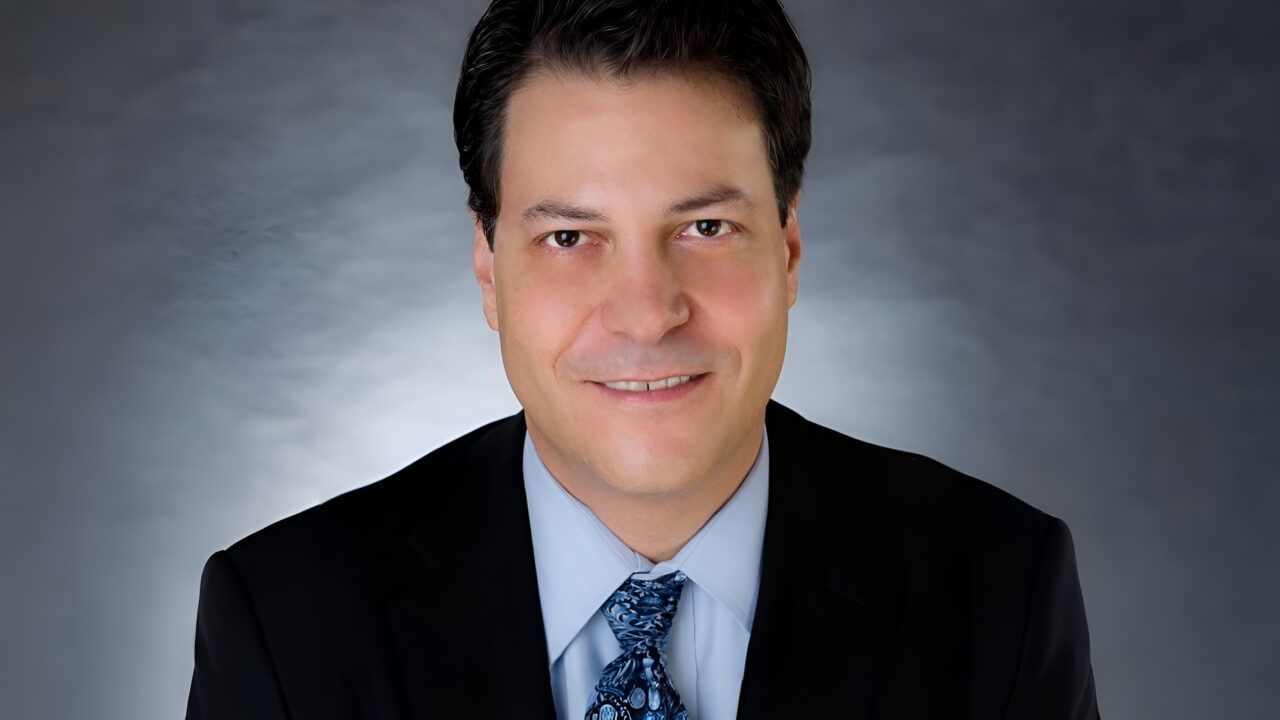
Mitchell Elkind on The New York Times Brain Health Challenge: Food Is Brain Medicine!
Mitchell Elkind, Chief Science Officer, Brain Health and Stroke, American Heart Association, shared on LinkedIn:
”Food Is Brain Medicine!
Day 2 of The New York Times Brain Health Challenge brings together two of my favorite research areas: Brain Health and Food Is Medicine.
It is increasingly clear that what you put on your plate can have a profound impact on your brain health. Fun fact: our brains consume 20% of our body’s total energy despite making up only 2% of our body mass.
That’s because brains are so metabolically active compared to the rest of the body. Those neurons go hard!
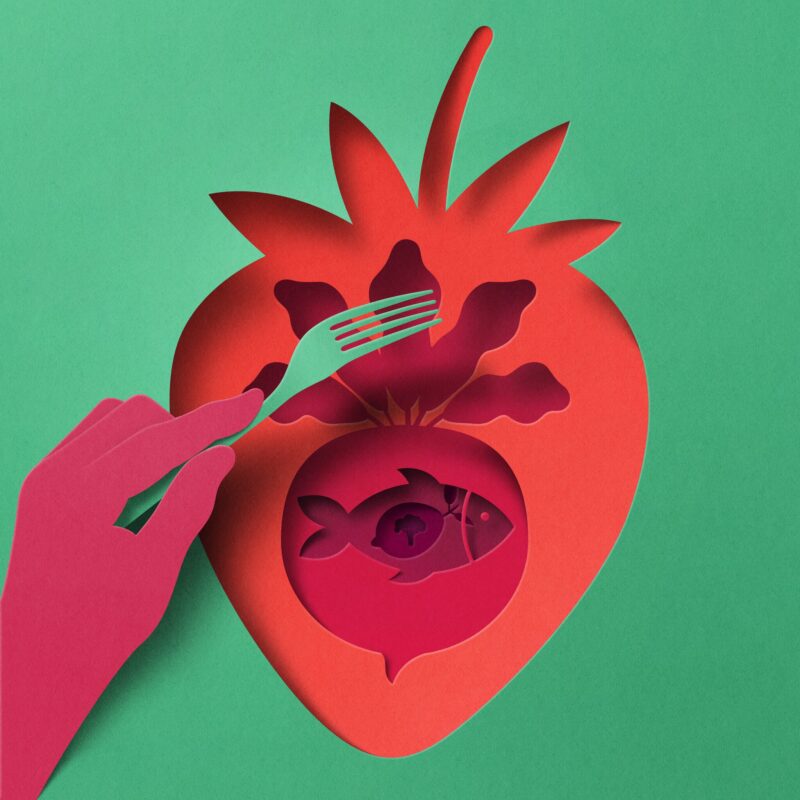
Research has shown that people who embrace the MIND diet—which emphasizes berries, leafy greens, other vegetables, whole grains, beans, nuts, fish, poultry, and olive oil, while limiting red meat, butter, cheese, sweets, and fried foods—experience slower cognitive decline and a reduced risk of dementia.
The benefits are significant whether you start the diet in midlife or later.
Foods like berries and leafy greens are rich in antioxidants, while nuts and fatty fish provide essential omega-3s that are thought to help protect brain cells.
Whole grains and beans offer fiber that supports our gut health—a key player in the gut-brain connection.
This approach aligns with the American Heart Association focus on Brain Health, which recognizes the critical link between heart and brain health.
Prioritizing these foods supports cardiovascular health, as well as memory and brain fitness.
It also aligns with the American Heart Association Health Care by Food initiative (www.healthcarexfood.org), which underscores that healthy food can be a form of health care.
For more inspiration, check out MIND diet recipes and join the movement to make every meal count for your health.”
Read the full article here.
Stay updated with Hemostasis Today.
-
Oct 20, 2026, 05:02Sanam Loghavi: Test Your Hematology Knowledge at ASH 2026!
-
Oct 20, 2026, 04:13Ifeanyichukwu Ifechidere: DOACs Are Not the Answer to Every Anticoagulation Question
-
Oct 20, 2026, 04:04Sadia Kamal: Honored to Receive the Outstanding Abstract Award at the 20th Midwest Platelet Conference
-
Oct 20, 2026, 04:03Yu-Hsuan Chen: One Antibody, Two Diseases from FcRn Biology to Clinical Translation
-
Oct 20, 2026, 03:49Domenico Simone Castiello: Rethinking Prolonged DAPT in Multivessel PCI – Insights from the DAPT-MVD Trial
-
Oct 20, 2026, 03:37Rucha Patil: Scaling POC Diagnostics for Haemophilia A and VWD Across India
-
Oct 20, 2026, 03:31Zena Vexler: Targeting Neutrophil Elastase and NETosis to Mitigate Infection-Triggered Childhood Stroke
-
Oct 20, 2026, 03:24Chaza Alaji: Diagnosing Protein C and Protein S Deficiency
-
Oct 20, 2026, 03:24Mou Nandi: How Maternal Health During Pregnancy May Shape Infant Development