


Sue Hill: How a Biomedical Scientist’s Curiosity is Improving Patient Care
Sue Hill, Chief Scientific Officer at NHS England, shared a post on LinkedIn:
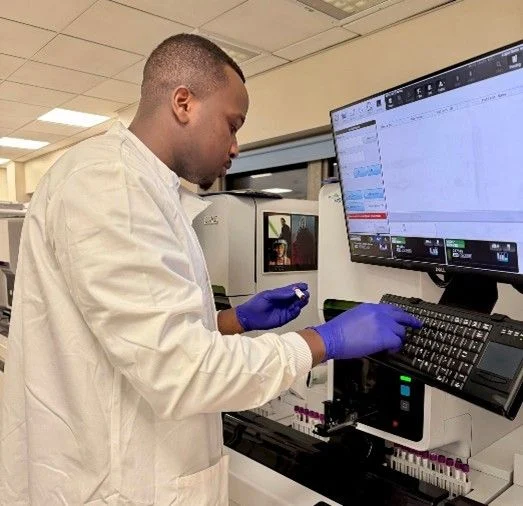
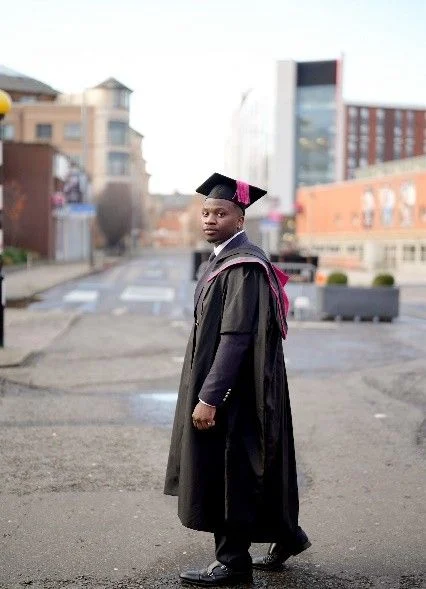
“As we come to the end of Healthcare Science Week, I’m proud to introduce Tawanda Mbano, a Biomedical Scientist in Haematology and Transfusion at William Harvey Hospital in East Kent.
Haematology is the branch of science concerned with blood.
A routine blood test can reveal anaemia, infection, or signs of serious illness.
But the accuracy of those results depends not just on the science of analysis, but on the quality of the sample that arrives in the laboratory.
That’s where Tawanda’s curiosity led him somewhere important.
Here is how Tawanda tells his story:
‘In any busy laboratory, partially filled blood sample tubes are a fact of life.
Patients who are dehydrated, unwell, or difficult to bleed don’t always yield a full sample.
We kept seeing something puzzling in those samples: unexplained increases in a measurement called MCV, which reflects the size of red blood cells.
An abnormal MCV can suggest anaemia or other conditions, so when results looked raised, clinicians would investigate further: requesting additional tests or asking for the blood draw to be repeated.
For patients who were already struggling to give a sample, that repeat venepuncture was uncomfortable and distressing.
And in many cases, we suspected the result wasn’t truly abnormal at all.
So I asked a question: was the tube itself causing the problem?
Blood collection tubes contain an anticoagulant called K2-EDTA, which prevents the sample from clotting.
In a full tube, the ratio of blood to anticoagulant is carefully calibrated.
In a partially filled tube, there is proportionally too much anticoagulant – and I hypothesised that this imbalance was causing red blood cells to swell slightly, producing falsely elevated MCV readings.
To test this, I compared 25 patient samples analysed at standard volume and at very low volume.
The results confirmed the pattern: haemoglobin and red cell counts remained reliable, but MCV and related measurements were significantly distorted in underfilled samples.
The next question was whether this could be corrected.
By carefully adjusting the fluid balance of the sample, I was able to restore accurate MCV readings.
This means fewer unnecessary repeat tests, fewer repeat blood draws for patients, and more time for staff to focus on the tests that matter most.’
If a career at the intersection of science, research and patient care sounds like something you’d love to explore, find out more at NHS Careers.”

Stay updated with Hemostasis Today.
-
Sep 30, 2026, 01:52Javed Anees: DADA2 – When a Young Stroke Is More Than a Stroke
-
Sep 30, 2026, 01:51How a Venous Thrombus Becomes Revascularized – ISTH
-
Sep 29, 2026, 22:45Victor Agunyego: Paracetamol – The Most Common Drug We Underestimate
-
Sep 29, 2026, 22:42Nova Sinclair: Advancing the Future of Hematology – Meet Our 2027 Organizing Committee
-
Sep 29, 2026, 22:41Lorenz Räber: Intracoronary Imaging in PCI – Why, When, How, and Which Modality?
-
Sep 29, 2026, 22:31Selma Turkovic: Pleased to Deliver the Opening Presentation at Kingston Hospital
-
Sep 29, 2026, 22:31Miguel Teran: Ultrasound and Simulation in Arterial Blood Sampling
-
Sep 29, 2026, 22:28Mohammad Refaei: Navigating Your Career in Hematology From Training to Practice
-
Sep 29, 2026, 22:27Matteo Foschi: 10 Clinical Pearls for Antithrombotic Therapy in Secondary Stroke Prevention