

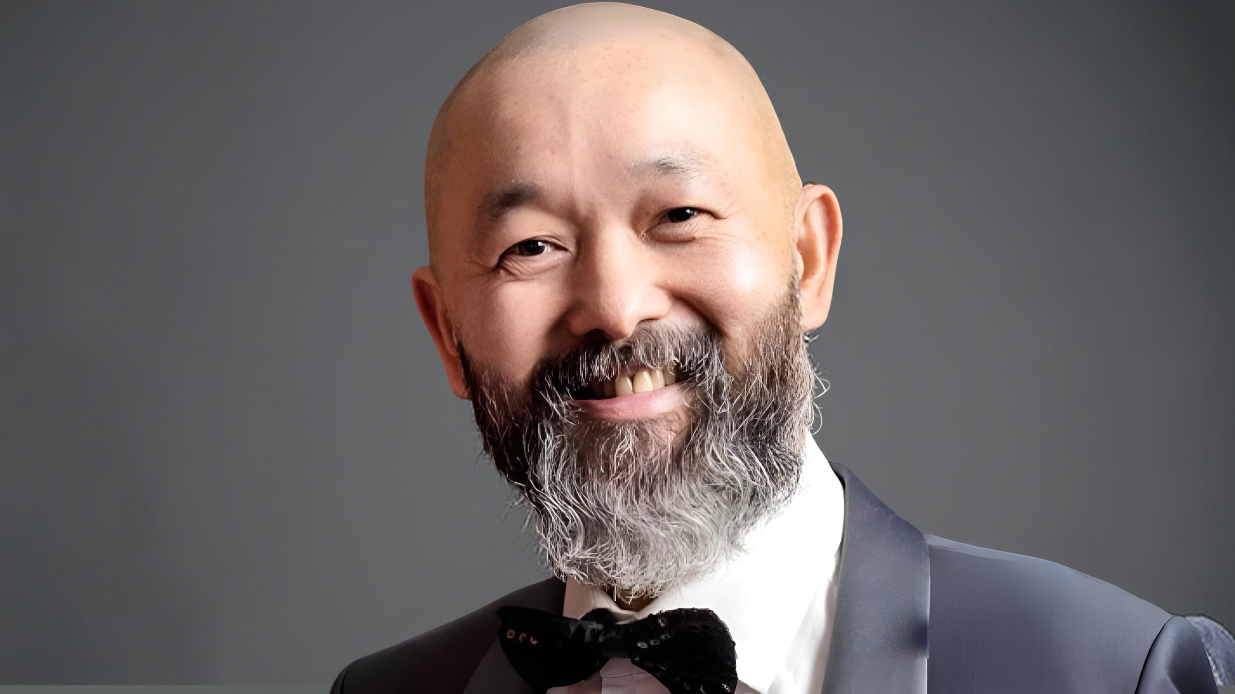
James P. Crowley and Professor Erwin Loh About Caffeine and It’s Positive Effects
James P. Crowley, Professor of Medicine emeritus at Brown University, reposted Professor Erwin Loh’s post on LinkedIn:
“Caffeine appears to do the opposite of what you might think when it comes to the heart. Scientists have found that a cup of coffee a day actually protects the heart from atrial fibrillation – a condition that can lead to stroke and heart failure.
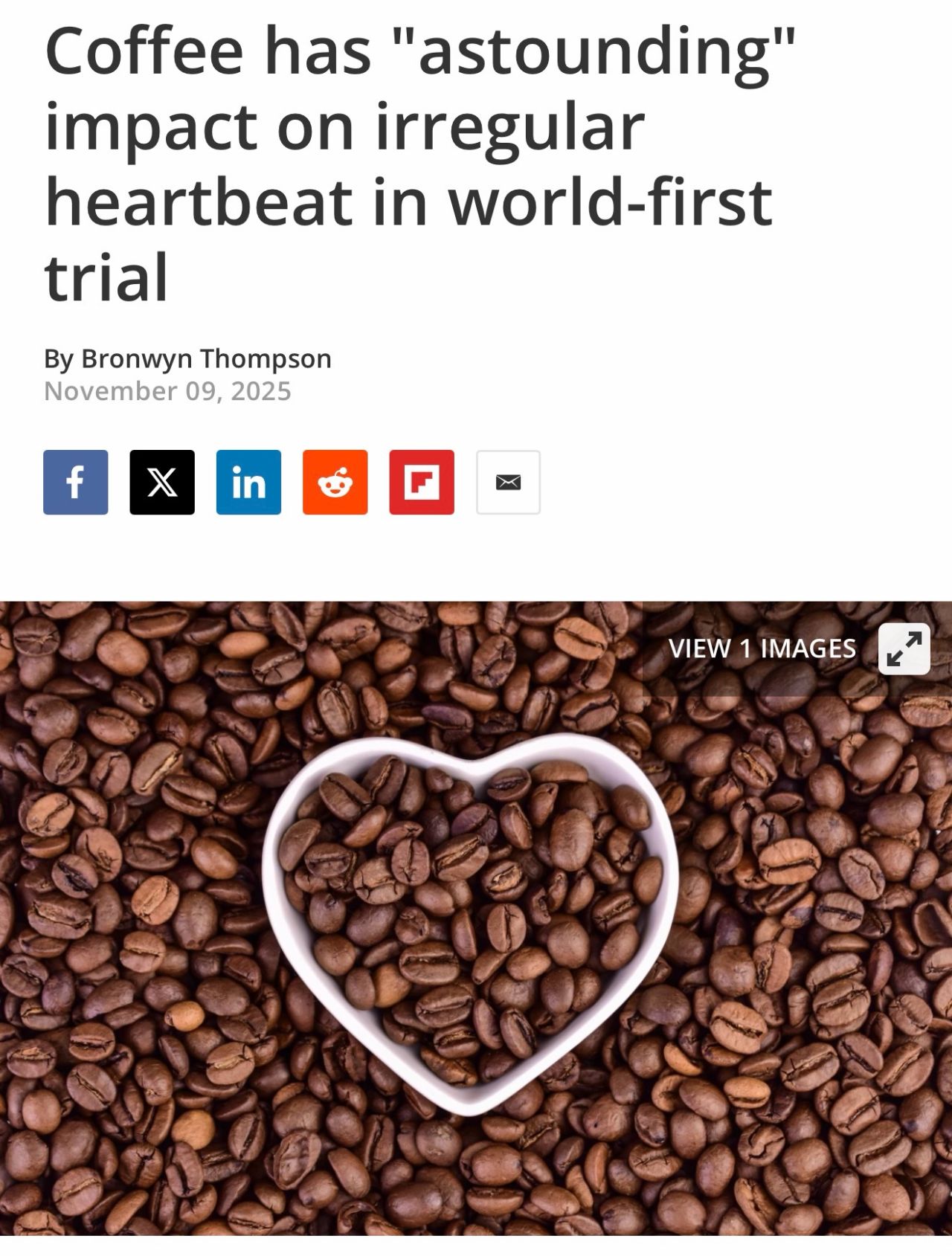
In the DECAF (Does Eliminating Coffee Avoid Fibrillation) trial, the researchers found that caffeine resulted in a 39% lower risk of recurrent AF events, compared to those who abstained – and they have a few theories as to why this might be the case.
“Coffee increases physical activity which is known to reduce AF,” said senior author Professor Gregory Marcus from the Division of Cardiology at UCSF.
“Caffeine is also a diuretic which could potentially reduce blood pressure and in turn lessen AF risk.
Several other ingredients in coffee also have anti-inflammatory properties that could have positive effects.””
Quoting Professor Erwin Loh’s post:
“Caffeine appears to do the opposite of what you might think when it comes to the heart. Scientists have found that a cup of coffee a day actually protects the heart from atrial fibrillation – a condition that can lead to stroke and heart failure.
In the DECAF (Does Eliminating Coffee Avoid Fibrillation) trial, the researchers found that caffeine resulted in a 39% lower risk of recurrent AF events, compared to those who abstained – and they have a few theories as to why this might be the case.
“Coffee increases physical activity which is known to reduce AF,” said senior author Professor Gregory Marcus from the Division of Cardiology at UCSF. “Caffeine is also a diuretic which could potentially reduce blood pressure and in turn lessen AF risk. Several other ingredients in coffee also have anti-inflammatory properties that could have positive effects.”
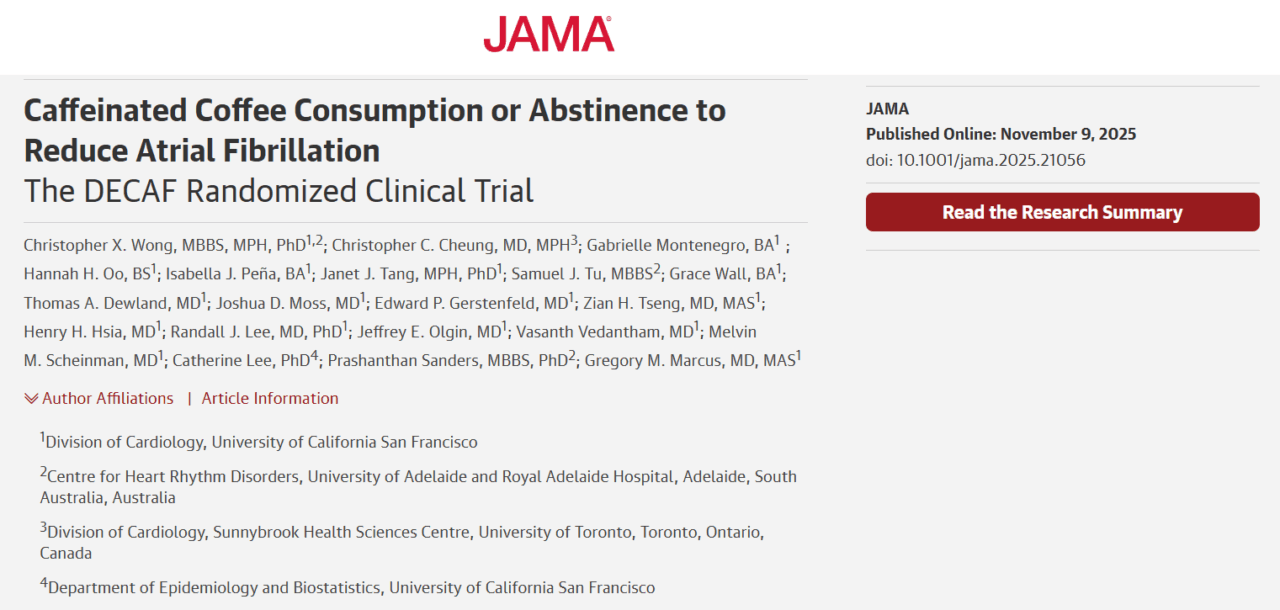
Title: Caffeinated Coffee Consumption or Abstinence to Reduce Atrial Fibrillation
Authors: Christopher X. Wong, Christopher C. Cheung, Gabrielle Montenegro, Hannah H. Oo, Isabella J. Peña, Janet J. Tang, Samuel J. Tu, Grace Wall, Thomas A. Dewland, Joshua D. Moss, Edward P. Gerstenfeld, Zian H. Tseng, Henry H. Hsia, Randall J. Lee, Jeffrey E. Olgin, Vasanth Vedantham, Melvin M. Scheinman, Catherine Lee, Prashanthan Sanders, Gregory M. Marcus
Read full article here.
Stay updated with Hemostasis Today.
-
Oct 16, 2026, 12:49Wolfgang Miesbach: 5-Year CBDR Data Confirms Emicizumab Safety and Efficacy in Hemophilia A
-
Oct 16, 2026, 12:40Edward Lee Carter: How Factor XI Inhibition Could Transform Anticoagulation Therapy
-
Oct 16, 2026, 12:40Marc Carrier: Looking Ahead to ISTH 2027 in Vancouver
-
Oct 16, 2026, 12:30Bob Lempke: How One Blood Donation Can Save Up to Three Lives
-
Oct 16, 2026, 12:30Why VWF Therapies Belong on the EU Critical Medicines List – EHC
-
Oct 16, 2026, 12:17Exploring Endothelial Cells, Genetic Fate Mapping, and Revascularization – ISTH
-
Oct 16, 2026, 10:07Habib Bennaceur: Building a Stronger Care Pathway for Sickle Cell Disease in India
-
Oct 16, 2026, 09:59Tareq Abadl: A Simple Guide to Blood Collection Tubes
-
Oct 16, 2026, 09:50Mona Alfaraj: Distinguishing HCL from SMZL in Bone Marrow