

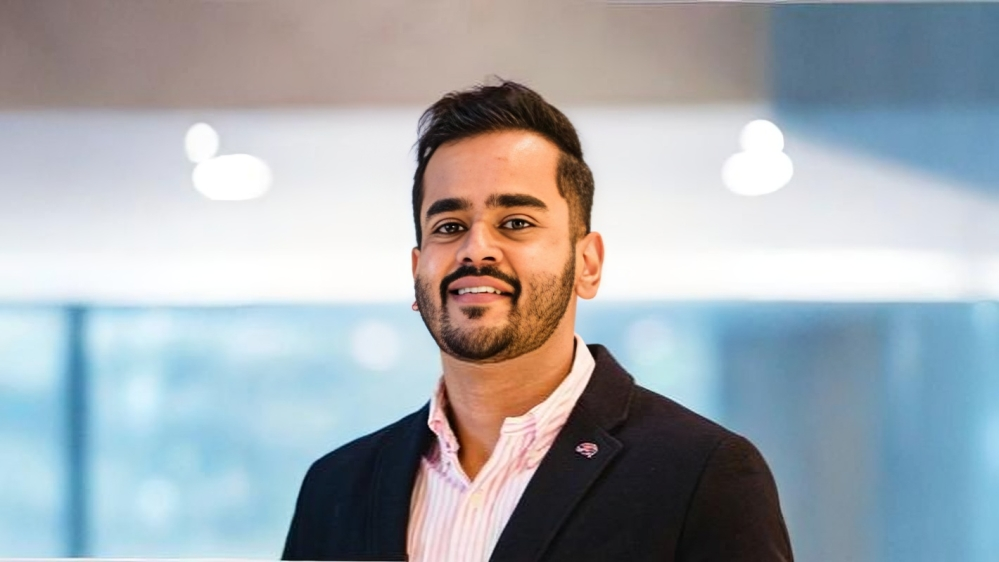
CSL Champions Global Equity in Rare Disease Diagnosis and Treatment
Sujan Sivasubramaniyam, Senior Director, Global Advocacy and Policy at CSL Behring, posted on LinkedIn:
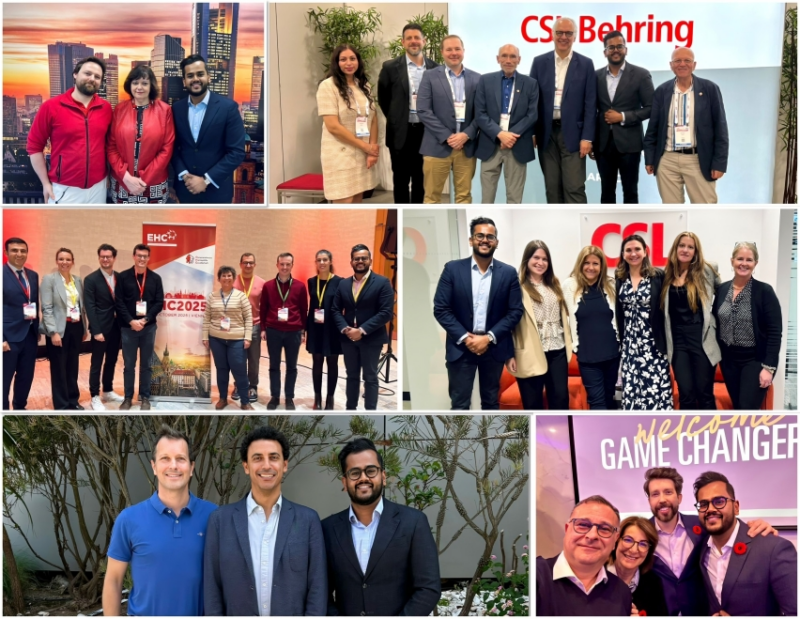
”As the year draws to a close, I am grateful for the opportunities over the last few months to connect in person with colleagues and friends from the patient advocacy communities across the globe that CSL is proud to partner with. As I reflect on the deep conversations and insights, what strikes me is the similarities of the community’s unmet needs and ambitions regardless of the diagnosis.
1. Raise awareness for underrepresented groups:
– Only 4 in 10 women with heavy menstrual bleeding seek care; 40% of women between 12-21 years have iron deficiency anaemia.
– The communities are doing more to create space for overlooked voices, including women and girls with bleeding disorders, those living with secondary immunodeficiencies or people with HAE with normal C1.
– Better awareness is the gateway to referral, diagnosis and care.
2. Accelerate diagnosis:
– Take Primary Immunodeficiencies, the average time to diagnosis for common variable immunodeficiency (CVID) is 8.8 years, and the median time for primary antibody deficiencies (PAD) is 9.5 years.
– A multinational survey of people with CIDP showed 37% had an initial misdiagnosis.
– The diagnostic odyssey is still far too long and complicated, and communities are trying to establish clear patient pathways, deploy both simple tools and novel AI approaches to screen populations to spare years of uncertainty and prevent avoidable harm.
3. Improve access to treatments, especially prophylaxis:
– 90% of attendees at the WFH Global Forum highlighted access to treatment as the biggest threat to the bleeding disorders community.
– Communities are advocating for prophylactic options where appropriate, guided by shared decision making, as they can transform control and confidence.
4. Emphasize complete disease control and prioritize quality of life:
– Data shared at the HAEi EMEA conference showed 84% of people with HAE in Europe reported high impact of HAE on daily life, with 55% reporting significant limitation on achieving life’s full potential.
– We heard clearly that beyond attacks, bleeds, or infections, people want to study, work, travel, and plan their lives without constant unpredictability or anxiety. Let’s measure what matters to people and act on it.
5. Advance global equity of access:
– Innovation must reach every community. Equitable access to diagnosis, therapies, and support, wherever people live, is the real measure of progress.
Thank you to CSL colleagues, including Emma Hatcher, Joelle Khraiche, Giulia Colombo, Holly C., who have prioritised listening and acting on the needs and priorities of the patient communities. Looking forward to strengthening our collaboration with the World Federation of Hemophilia, IPOPI, EHC – European Haemophilia Consortium, HAE International (HAEi), GBS|CIDP Foundation International, Jeffrey Modell Foundation in 2026.
Wishing you all a happy and restful holiday break.”
Keep up with Hemostasis Today.
-
Oct 7, 2026, 16:44Amor Salah: 2026 NCS/SCCM Guidelines for Managing Antithrombotic-Associated ICH
-
Oct 7, 2026, 16:04NETs in Thrombosis: From Mechanism to Therapeutic Target
-
Oct 7, 2026, 15:28Amir Samimi: Prognostic Value of Platelet Count in Resected HNSCC
-
Oct 7, 2026, 15:21Eloïse Laouenan: Bridging Immunity and Thrombosis in MVTE
-
Oct 7, 2026, 15:10Uthra Sundaram: Honouring Donors During International Plasma Awareness Week
-
Oct 7, 2026, 15:04Daniel Victor Ortigoza: Should Frail Older Patients With AF Switch From VKA to DOACs?
-
Oct 7, 2026, 14:53Susan Noone: Donor Turned Recipient Shares Lifesaving Transfusion Story
-
Oct 7, 2026, 14:49Aimee Burtenshaw: The Impact of the Infected Blood Inquiry on Hospital Transfusion Laboratories
-
Oct 7, 2026, 14:41Vikash Jaiswal: Does Timing Matter for Calcium in Pre-Eclampsia Prevention?