

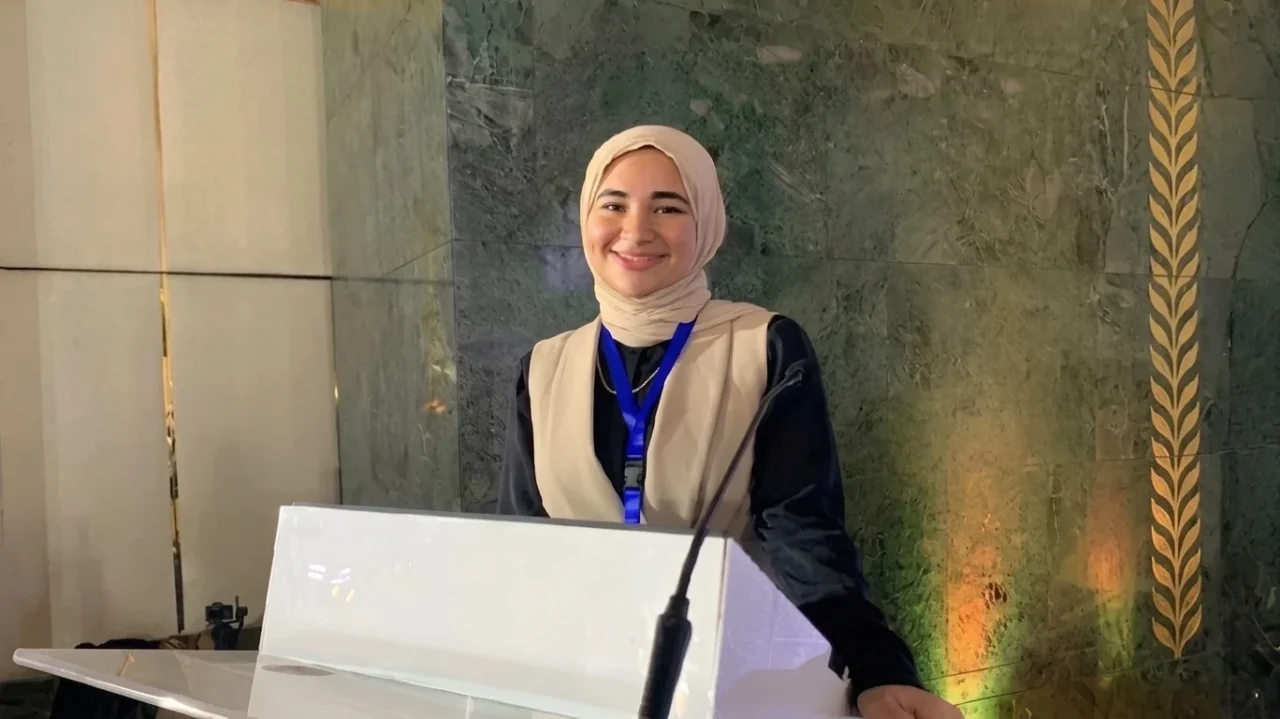
Rana Mohamed: Pediatric and Adult Patterns of Spontaneous Intracerebral Hemorrhage
Rana Mohamed, Pediatric Physical Therapist at Atfal Masr Therapy Center Dr. Mohamed Alaa, shared a post on LinkedIn:
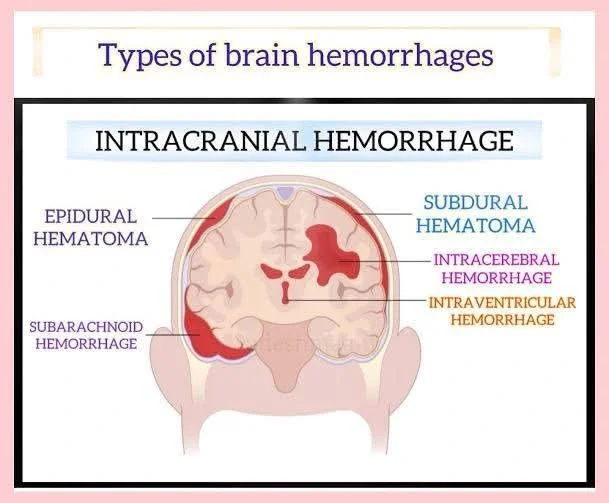
“Spontaneous brain hemorrhage (also called spontaneous intracerebral hemorrhage, ICH) means bleeding inside the brain without trauma. It’s usually due to rupture of diseased or fragile blood vessels.
Here are the main causes:
1. Chronic Hypertension (the number 1 cause worldwide)
Long-standing high blood pressure weakens small penetrating arteries.
2. Cerebral Amyloid Angiopathy (CAA)
Seen in elderly patients.
Deposition of amyloid in vessel walls makes them fragile which causes lobar hemorrhages.
3. Vascular Abnormalities:
- Arteriovenous malformations (AVMs).
- Cavernous malformations.
- Aneurysms (though these more often cause subarachnoid hemorrhage, they can extend into brain tissue).
4. Blood Disorders and Coagulopathies:
- Anticoagulant therapy (warfarin, DOACs).
- Antiplatelet overuse (aspirin, clopidogrel).
- Thrombocytopenia.
- Hemophilia or other clotting factor deficiencies.
5. Brain Tumors
Both primary and metastatic can bleed.
6. Illicit Drugs and Toxins
Cocaine and amphetamines: cause severe acute hypertension and vessel rupture.
7. Other less common causes
- Cerebral venous sinus thrombosis.
- Vasculitis (infectious, autoimmune).
- Liver disease (due to coagulopathy).
- Idiopathic (no cause found in some cases).
But When We Talk In Children!!?
It’s not common to say, because hypertension and amyloid angiopathy are rare in kids.
So spontaneous non-traumatic intracerebral hemorrhage (ICH) in children is different from adults in which:
- Vascular congenital Malformations (most common in pediatrics)
- Arteriovenous malformations (AVMs) – number 1 cause in children.
- Cavernous malformations (cavernomas).
- Aneurysms (rare, but can rupture)
2. Hematologic and Coagulopathic Disorders:
- Hemophilia A, B.
- Von Willebrand disease.
- Platelet disorders (e.g., ITP).
- Leukemia (due to thrombocytopenia).
- Vitamin K deficiency (esp. neonates).
- Anticoagulant therapy (less common but possible).
3. Neoplasms
4. Systemic and Secondary Causes
- Cerebral venous sinus thrombosis (CVST) causes venous infarction with hemorrhage.
- Infections (meningitis, encephalitis causes vasculitis, DIC).
- Liver disease or renal disease causes coagulopathy.
5. Perinatal / Neonatal Specific Causes
Germinal matrix hemorrhage (preterm infants).
Birth trauma (though that’s ‘traumatic,’ can overlap).
Hypoxic-ischemic injury with secondary hemorrhage.
To summarize:
- Children: AVMs, cavernomas, coagulopathies, tumors.
- Infants/neonates: germinal matrix bleed, vitamin K deficiency, coagulopathy.
- Adults: hypertension, amyloid angiopathy”
Stay updated with Hemostasis Today.
-
Sep 29, 2026, 03:53Nahrwan Masaoodi: Iron Deficiency Can Exist Without Anemia
-
Sep 29, 2026, 03:38Muhammad Yousaf: Iron Deficiency Beyond Diet
-
Sep 29, 2026, 03:21Parvez Ahmed Chowdhury: Synthesizing Aspirin in the Organic Chemistry Lab
-
Sep 29, 2026, 03:12Ahmed Hamandi: Building the Future of Hematopoietic Transplantation in Iraq
-
Sep 29, 2026, 03:09M V Chandrakanth: Aspirin in CRC – Old Drug, New Precision Oncology?
-
Sep 29, 2026, 03:07Caroline Pothet: Advancing Treatment Development in Sickle Cell Disease and Thalassaemia
-
Sep 29, 2026, 02:53Astha Jain: Thalassemia Care Through a Public Health Lens
-
Sep 29, 2026, 02:50Emma Groarke: Starting a New Career Path in Homeland
-
Sep 28, 2026, 19:14Aditya Sharma: An Outstanding Start to the Final Day of VSS 2026!