


Emile Hung: Why Nutrition Should Be Central to Vascular Disease Prevention
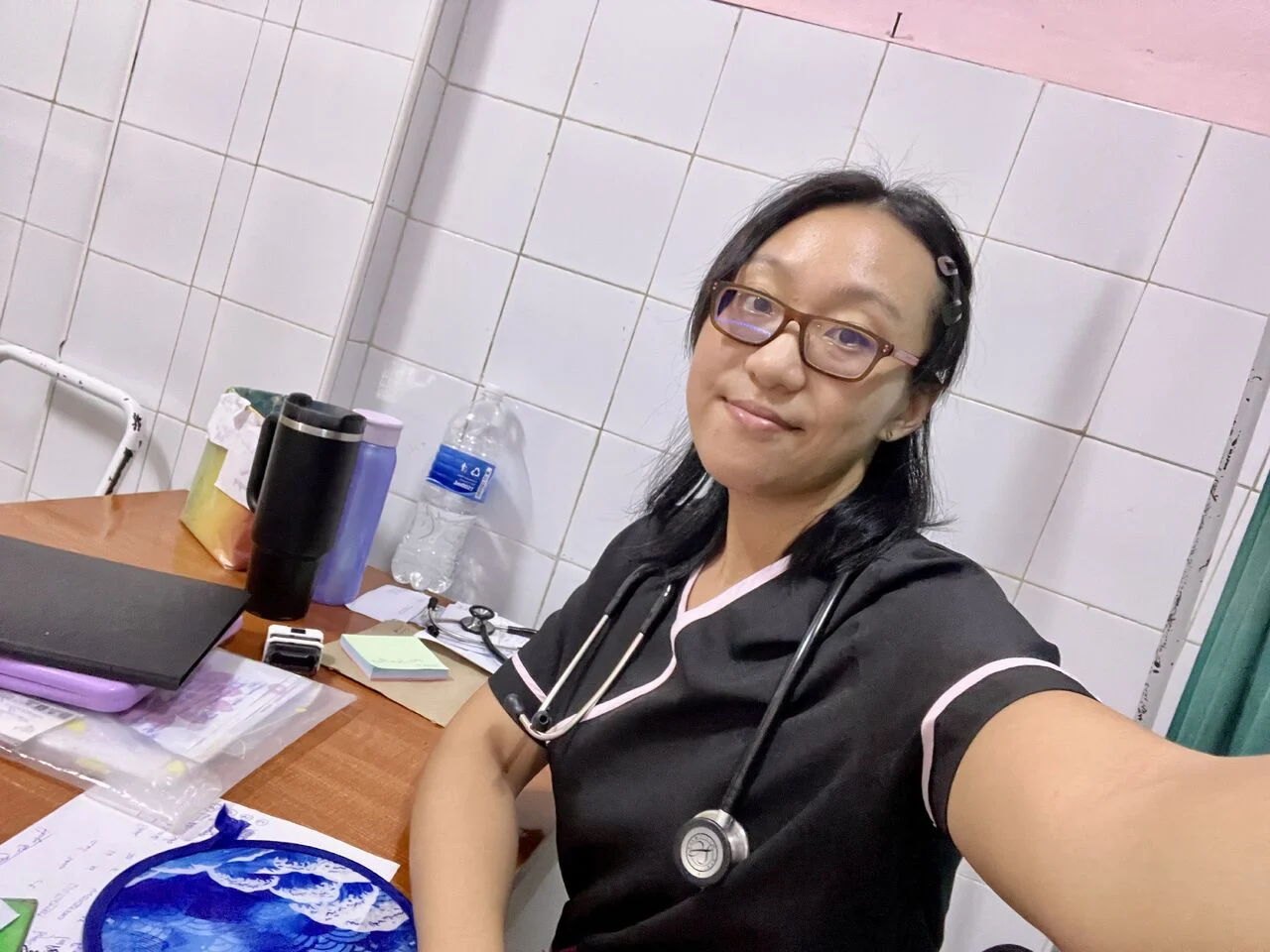
Emile Hung, Premium Ghostwriter at Emz Premium Ghostwriter, Founder of Nutrition No-Brainer, shared a post on LinkedIn:
“In Belize, I’ve asked many doctors how to deal with overcrowded, neverending outpatient cases.
Most tell me:
‘We need more doctors.’
I think not /exactly/.
I think we need fewer patients.
I recently completed my 1-week Angiology special rotation within General Surgery (It’s now T-minus 6 weeks to the final State Exam!).
And one grave epiphany came up today after studying the main vascular conditions:
Many of the classic conditions we see—especially diabetic foot and vascular complications (like thrombosis, whether venal or arterial), are heavily influenced by lifestyle, particularly nutrition (aka What. You. Eat/put into your body).
Yet we spend obscene time and pharmaceutical efforts treating the consequences and far less focus helping people prevent them in the first place.
That’s why I’ve become increasingly passionate about making healthy eating simple, actionable, intuitive: a no-brainer.
It’s hard and confusing enough with all the health hacks out there and random rules without a clear foundation that’ll work every time.
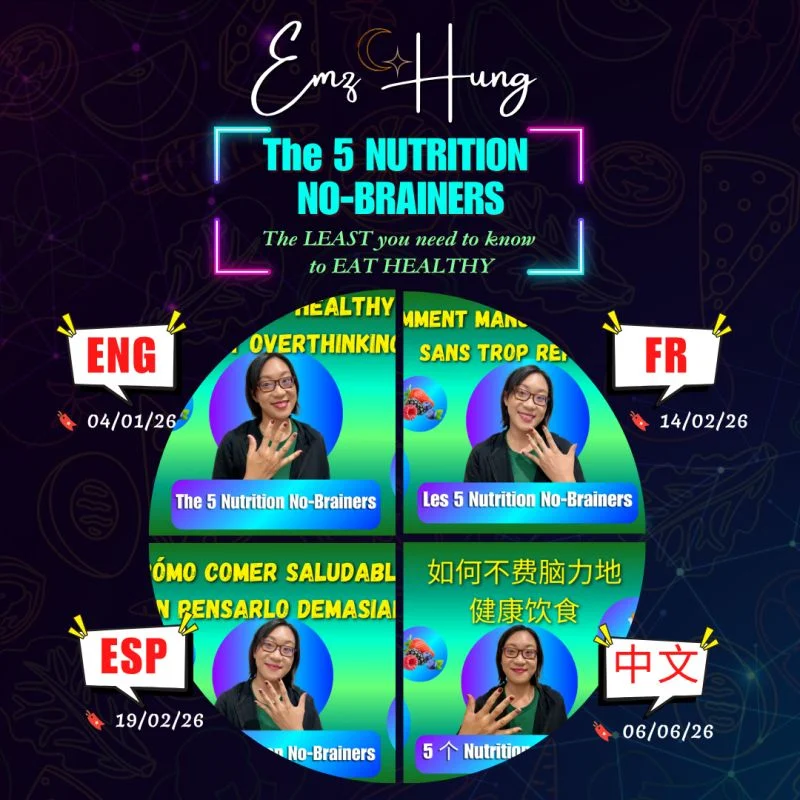
That’s why I created the 5 nutrition no-brainers:
The least you need to know to eat healthy.
Check out less than 5 minutes overview of these 5 principles in:
The closer I’m getting to finishing medical school, and in retrospect of all the types of chronic diseases I’ve encountered throughout all 4 plus years of ward duties, the clearer my conclusion becomes:
True health still lies in prevention and intentional self-care.
(I mean c’mon… conditions like Hypertension, Diabetes Type 2 and Cardiovascular disease, all heavily induced by unhealthy diets, make every other acute or chronic condition a lot worse equals dismal prognosis, high risk of complications, and amplified symptoms)
If healthy eating became intuitive, actionable, and dead easy to apply…
There’d be fewer hospital beds in the first place and less stressed docs handling multiple highly preventable outpatient cases (especially in my native country, Belize).
P.S. I’m also building the nutrition no-brainer challenge: a fun, practical way to turn healthy eating into an undeniable habit alongside community championing.
It’s the 5 Nutrition No-Brainers: in action.
Stay updated with Hemostasis Today.
-
Oct 22, 2026, 14:45Seyed Mehrab Safdari: Prenatal Diagnosis in Hemophilia – Two Decades of Progress and Remaining Challenges
-
Oct 22, 2026, 14:39Mahmoud Abdelnabi: Evaluating the Evidence on Elevated Lp(a) and VTE Before Clinical Translation
-
Oct 22, 2026, 14:34David McIntosh: Fundamental Flaws in National Blood Systems Are Root Causes of Failure
-
Oct 22, 2026, 14:32Aurelio Maggio: Bridging Scientific Progress and Equitable Access to SCD Care in Sub-Saharan Africa
-
Oct 22, 2026, 14:26Khaled Musallam: Longevity and Healthy Aging in Thalassemia
-
Oct 22, 2026, 14:26Deise Catamo Vaz: Two Years of Growth and a New Way of Seeing the World of Stroke
-
Oct 22, 2026, 14:24Yara Mohamed: A Silent Killer Plots his Victim’s Death Over Years
-
Oct 22, 2026, 14:19Shailendra Singh: Two Different Pulmonary Embolism Cases, One Critically Important Lesson
-
Oct 22, 2026, 14:14Caitlin Raymond: Estimating Infection Rates After Therapeutic Plasma Exchange in a Large Real-World Population