

Fernanda Betti Solano: Could Iron Deficiency Be Affecting Your Sleep?
Fernanda Betti Solano, Clinical Nutritionist and Lic Acupuncturist at Betti Integrated Health, shared a post on LinkedIn:
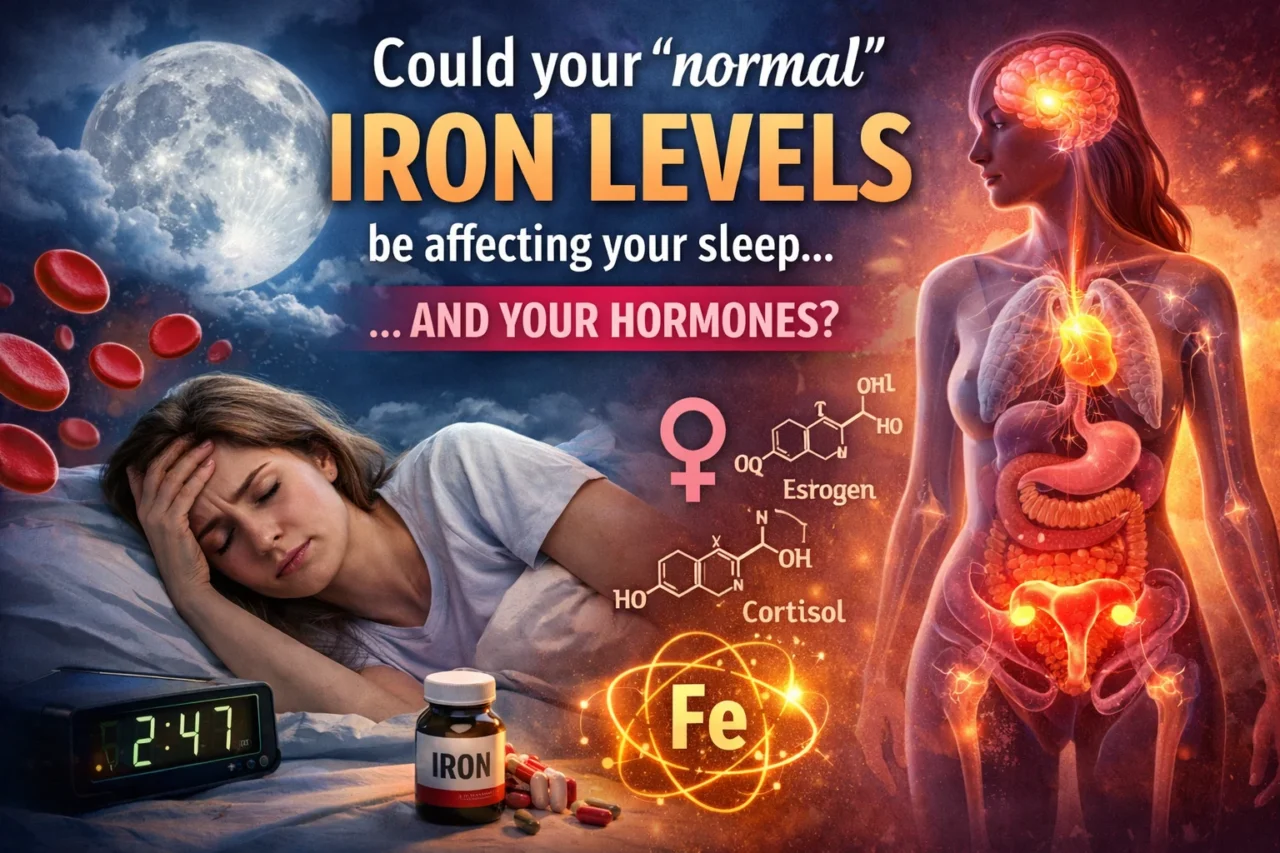
”Could your ‘normal’ iron levels be affecting your sleep… and your hormones?
When most people think about iron, they think about anemia.
But iron is much more than a mineral that helps carry oxygen.
It plays a fundamental role in:
- Brain function
- Dopamine production
- Energy metabolism
- Mitochondrial function
- Sleep regulation
A fascinating 2024 Mendelian randomization study looked at the genetic relationship between micronutrients and sleep disorders.
The researchers found that genetically lower liver and circulating iron were associated with a higher likelihood of excessive sleeping, while disturbances in iron metabolism were linked with narcolepsy, a neurological disorder characterized by excessive daytime sleepiness.
They also found that different iron stores (liver versus spleen) appeared to have different relationships with specific sleep disorders.
Why does this matter for women’s health?
Because poor sleep is rarely ‘just poor sleep.’
In fertility
Sleep is closely connected to:
- Ovulation
- Hormone production
- Insulin sensitivity
- Inflammation
- Egg quality
- Mood and resilience during fertility treatment
Many women trying to conceive have ferritin levels that fall within the laboratory reference range but may not be optimal for their individual needs.
Looking beyond whether someone is anemic and considering overall iron status can be an important part of the clinical picture.
In perimenopause
Iron deserves attention here too.
Many women enter perimenopause after years of heavy menstrual bleeding, gradually depleting their iron stores.
Others experience changes in sleep before hot flushes even begin.
When someone tells me,
‘I’m exhausted all day but can’t sleep properly at night,’
I don’t immediately assume it’s ‘just hormones.’
Iron status, thyroid function, vitamin B12, vitamin D, blood glucose regulation and inflammation all deserve consideration.
The bigger message
- Sleep is not only influenced by stress.
- Nutrition influences sleep.
- Micronutrients influence sleep.
- Hormones influence sleep.
And all of these systems communicate with one another.
This study does not mean everyone should start taking iron supplements.
It also doesn’t prove that supplementing iron will improve sleep.
However, it reinforces the importance of understanding iron biology beyond anemia and considering nutrient status as part of a comprehensive assessment.
As clinicians, we should aim to identify why someone is tired, not simply reassure them that their blood test is ‘normal.’
Sometimes, the answer lies in looking a little deeper.”
Stay updated with Hemostasis Today.
-
Oct 19, 2026, 19:44Where You Live Should not Determine Whether You Receive Care – World Federation of Hemophilia
-
Oct 19, 2026, 19:42Belen Bianco: Prevention, Early Suspicion and an Interdisciplinary Approach Save Lives
-
Oct 19, 2026, 19:40Christina Chrysohoou: Catheter-Based LAAC vs OAC for Stroke Prevention in Atrial Fibrillation
-
Oct 19, 2026, 19:38Matthew Flick: A Two-Day Research Meeting on Fibrinogen, Hemostasis and Thrombosis
-
Oct 19, 2026, 19:37Hayat Saeed: Excited to Share Our Publication on the FGL1–Hepcidin Axis in Iron Homeostasis and Disease
-
Oct 19, 2026, 19:08IPAW 2026 Comes to a Close, but the Work Continues – PPTA
-
Oct 19, 2026, 17:44Paul Riley: Moderating a Webinar on Anticoagulation Monitoring
-
Oct 19, 2026, 16:36Christopher Pittman: Blood Clot Prevention Cannot End at Hospital Discharge
-
Oct 19, 2026, 16:13Javier M. Floren: When Immune Cells Move With Their Environment