

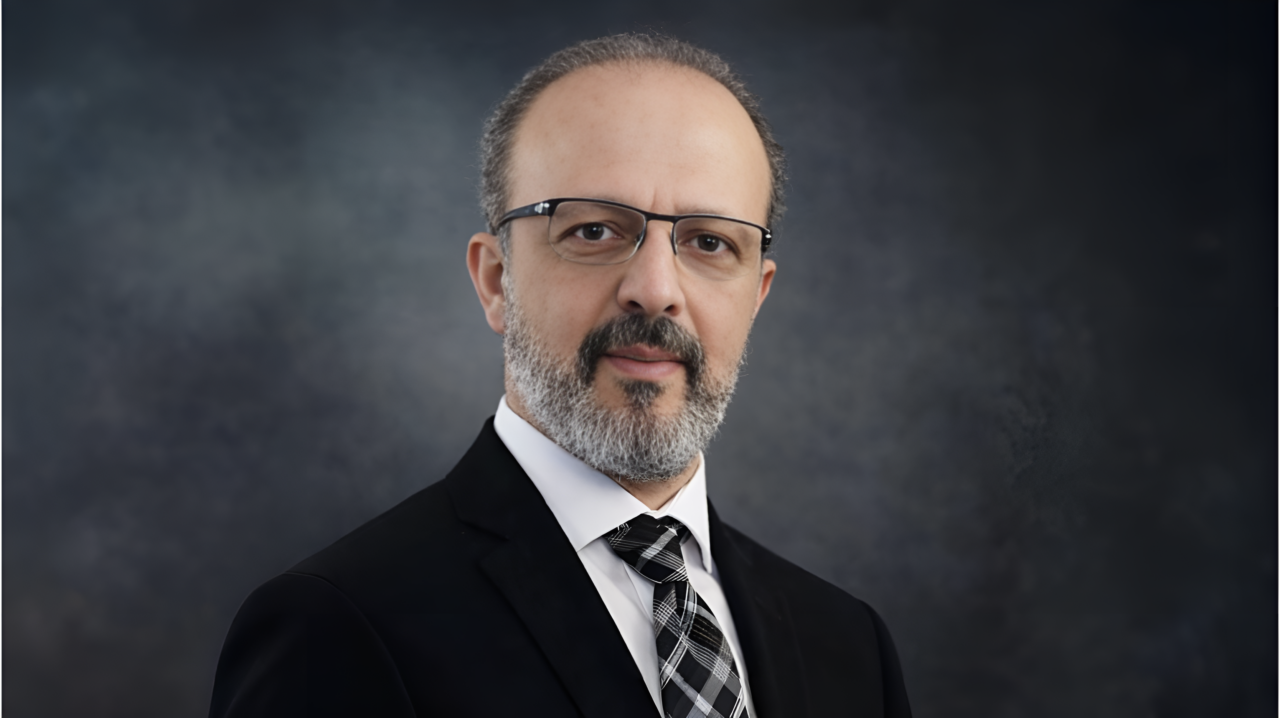
Reza Shojaei: Why Voluntary, Unpaid Plasma Donation Continues to Fail National Self-Sufficiency
Reza Shojaei, Chief Operating Officer at Canadian Plasma Resources, commented on European Blood Alliance‘s post on LinkedIn, noting:
“Voluntary, non-compensated plasma collection has repeatedly failed to achieve national self-sufficiency because it does not align with the operational realities of plasma-derived medicine production.
Plasma donation is far more time-intensive and physically demanding than whole-blood donation, often requiring one to two hours per visit and frequent repeat donations. In purely voluntary systems, participation rates remain low and inconsistent, leading to chronic supply shortages. These shortages are not theoretical; they directly translate into dependence on imported plasma products, exposure to global supply shocks, and escalating healthcare costs for patients who rely on life-saving immunoglobulins and clotting factors.
Reasonable donor compensation is a practical public-health solution. Under strict regulation, compensated systems achieve higher donation frequency, stable supply, and national resilience while maintaining donor safety and product quality.”
Quoting European Blood Alliance‘s post:
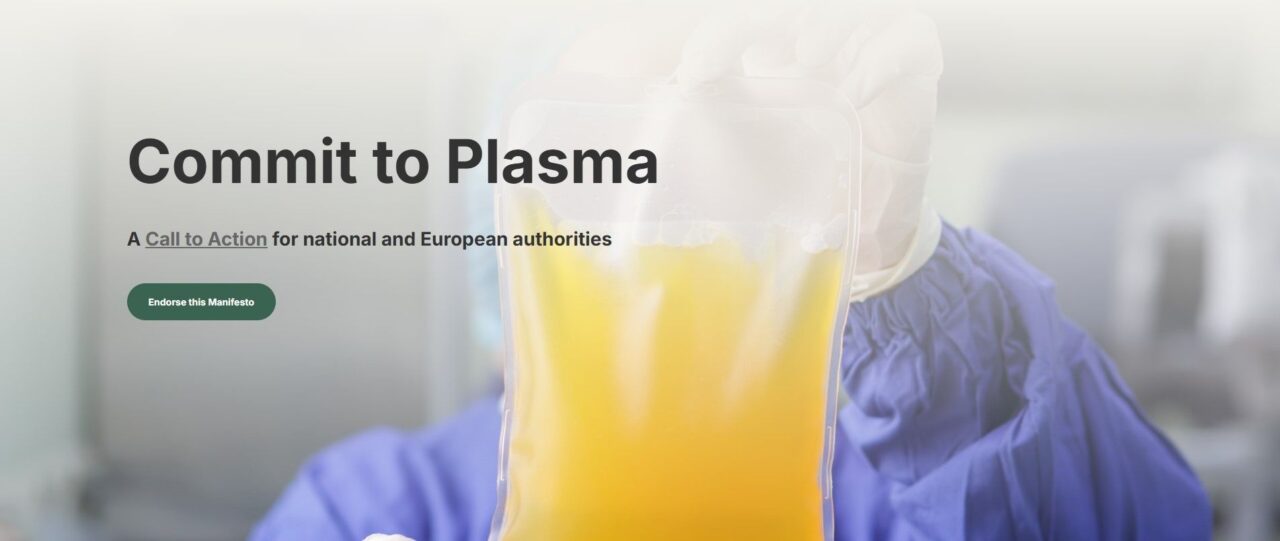
“The Commit to Plasma campaign keeps gathering support! Recently 3 MEPs have endorsed the call for more public support to public plasma collection programmes! MEP Marta Temido, MEP Romana Jerković and MEP Catarina Martins have all added their names to the list of over 30 signatories which includes organisations representing professionals, patients, and donors. If you also believe that European and national authorities must play a more decisive role in improving plasma collection, add your name to the manifesto (link in first comment).
Among the actions needed, the Commit to Plasma manifesto calls for:
– All Member States to publish national plasma strategies by the end of 2026, with ambitious and clear commitments for national plasma collection goals
– Clearly earmarked resources to achieve these goals
– EU institutions to work towards equipping Europe with a European Plasma Coordination Plan by 2027
Eliminating shortages, addressing EU’s current dependency on imports, and, ultimately, meeting European patients’ needs requires comprehensive strategies that look at the whole plasma-to-medicines supply chain. Improving public plasma collection is an obvious first step and national governments have the responsibility to act!”
Find more posts featuring Reza Shojaei on Hemostasis Today.
-
Oct 1, 2026, 15:44A Century of Von Willebrand Disease Awareness – EHC
-
Oct 1, 2026, 15:31Andreas Calatzis: The Power of Teamwork in Postpartum Hemorrhage
-
Oct 1, 2026, 15:09Halimat Olaniyan: The Role of Transfusion Medicine in Sickle Cell Disease Care
-
Oct 1, 2026, 14:58Samir Kumar Beura: Modern Approaches to Platelet Structure and Function
-
Oct 1, 2026, 14:39Understanding the FDA Pathway for Hematology Product Development – American Society of Hematology
-
Oct 1, 2026, 13:56Ravi C Dara: Advancing Red Cell Exchange in Sickle Cell Disease
-
Oct 1, 2026, 13:50Mateo Marin-Cuartas: What Matters After Aortic Valve Replacement in Younger Patients?
-
Oct 1, 2026, 13:17Anirban Sen Gupta: Sharing Ideas, Advancing Biomedical Innovation
-
Oct 1, 2026, 13:01Michael Honigberg: Clonal Hematopoiesis as a Driver of Aortic Valve Calcification