

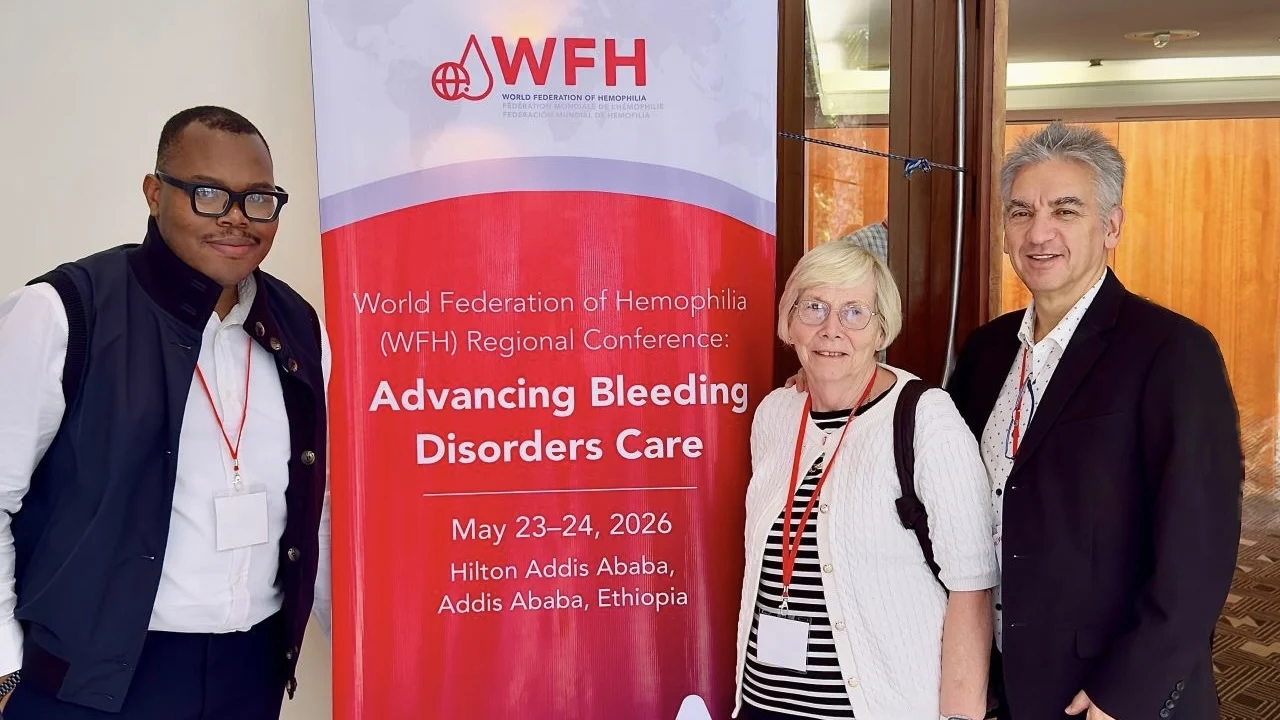
Masoabi Sefojane: Reflections on Bleeding Disorder Care in LMICs From the WFH Africa Regional Workshop
Masoabi Sefojane, Geographic Expansion Lead, Africa and Asia Pacific at MicroHealth , shared a post on LinkedIn:
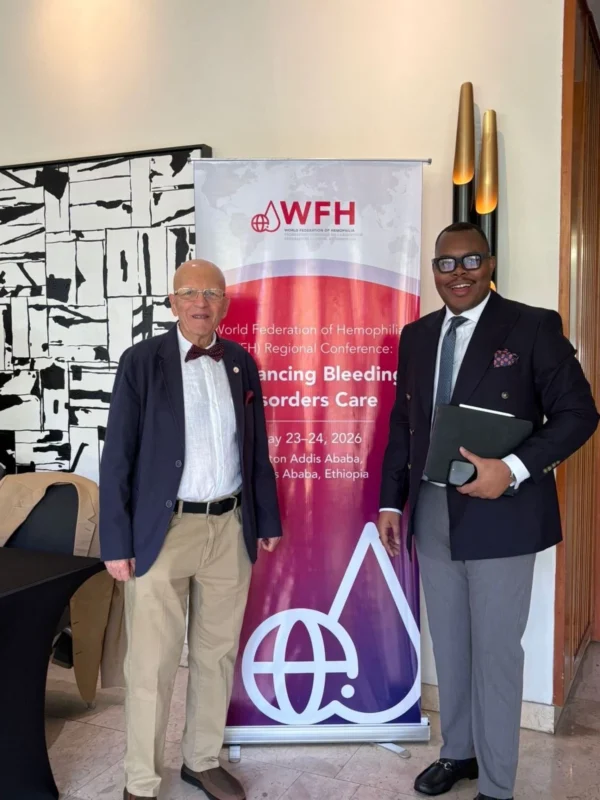
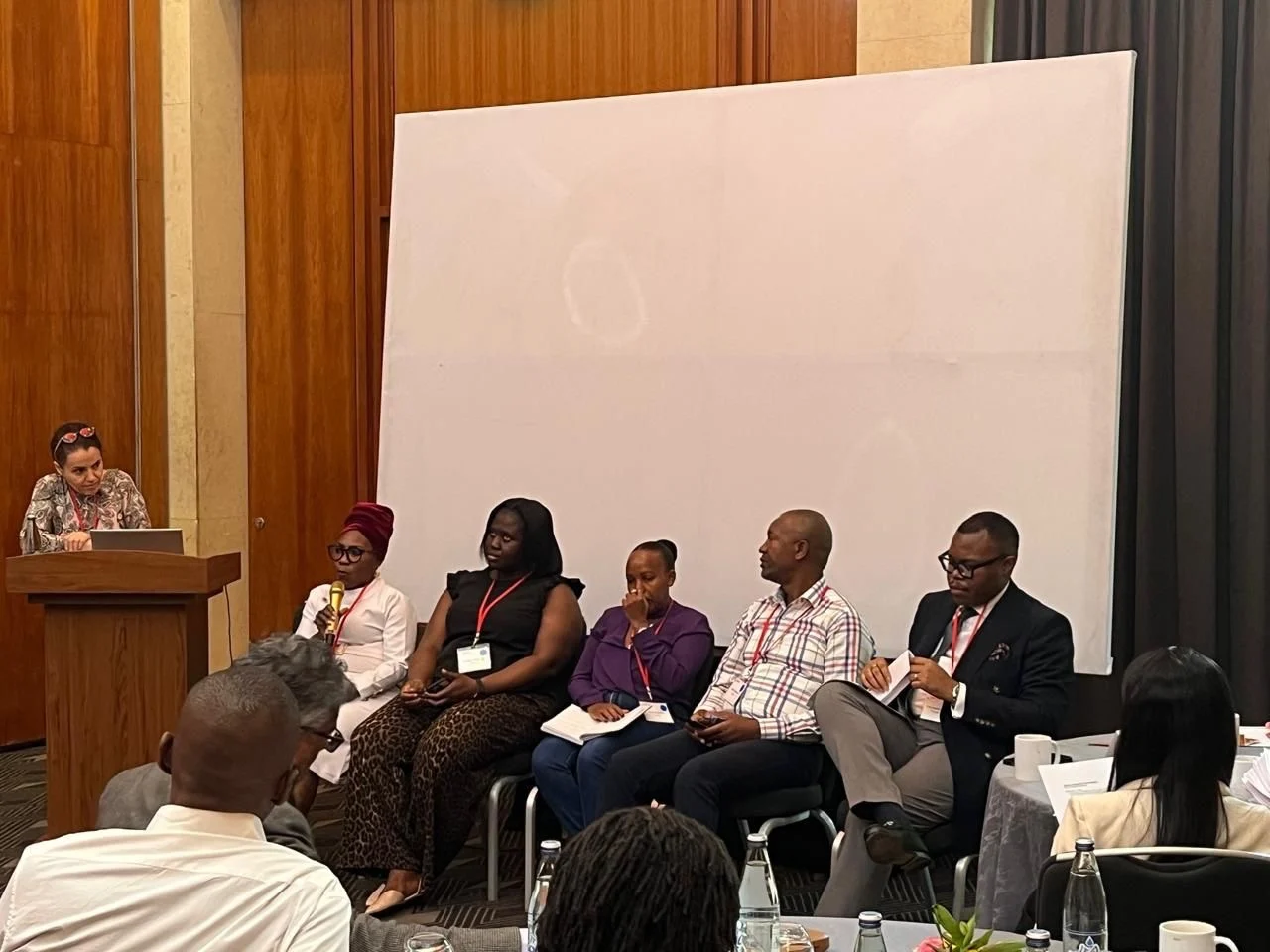
”I just returned from the World Federation of Hemophilia Africa Regional Workshop in Addis Ababa hosted in collaboration with Ethiopian Hemophilia Society.
The corridor conversations are often where the most honest exchanges happen, more human, less formal than the panel sessions.
Here is what I observed.
We are still narrating the problem.
Across the room, the energy was familiar. Passionate people. Real challenges.
Genuine commitment. But many organisations are still anchored in problem identification rather than solution architecture.
Charity mode, not systems mode.
The instinct to start from scratch rather than ask: what already exists that we can adapt, localise, and deploy?
The frameworks are there. The tools are available. The question is whether we are willing to use them rather than reinvent them.
The closed loop in bleeding disorders care particularly in the LMICs does not exist yet.
When we design programmes or systems in this space, we treat them as isolated entities. Diagnosis here.
Treatment there. Patient support somewhere else. Each doing good work. None of them talking to each other.
A patient gets diagnosed.
Then what? Who receives them? Who tracks them?
Who ensures they move from identification into sustained, coordinated care?
We do not have a closed loop. We have a series of open doors that lead nowhere.
That is not a resource problem. It is a design problem.
And design problems have design solutions.
But to build those solutions, we need to change how we show up in this space.
We should think like politicians, be empathetic like patients, be strategic and cunning like business leaders.
That is the standard this work demands.
It was also a personal highlight to reconnect with a good friend, Mr. Natnael Bekele, whom I last saw in 2020 in Mauritius before the pandemic, then as a youth leader, now as President of the Ethiopian Haemophilia Society.
That kind of growth is exactly what this community needs more of.”
Stay updated with Hemostasis Today.
-
Nov 18, 2026, 13:34Vincenzo De Angelis: Strengthening Plasma Management and Quality Control in Eastern Europe
-
Nov 18, 2026, 13:34Standardizing Bleeding Outcome Assessment in Hemophilia Clinical Trials – JTH
-
Nov 18, 2026, 13:34Nicolas Gendron: Towards Sustainable Anticoagulation
-
Nov 18, 2026, 13:33Breaking the Silence on Women and Girls with Bleeding Disorders – EHC
-
Nov 18, 2026, 13:32Maria Elisa Mancuso: Next-Generation Protein Therapies in Hemophilia
-
Nov 18, 2026, 13:25Maia Meier: Advocating for Women and Girls with Bleeding Disorders
-
Nov 18, 2026, 13:19Sjoerd Fabian Koopman: Exploring Tissue Distribution of Extended Half-Life Factor IX Concentrates
-
Nov 18, 2026, 13:16Ifeanyichukwu Ifechidere: Choosing Between Clot-Based and Chromogenic Coagulation Assays
-
Nov 18, 2026, 13:06Saurabh Mehta: Daily Iron Supplementation in Children and Adolescents