

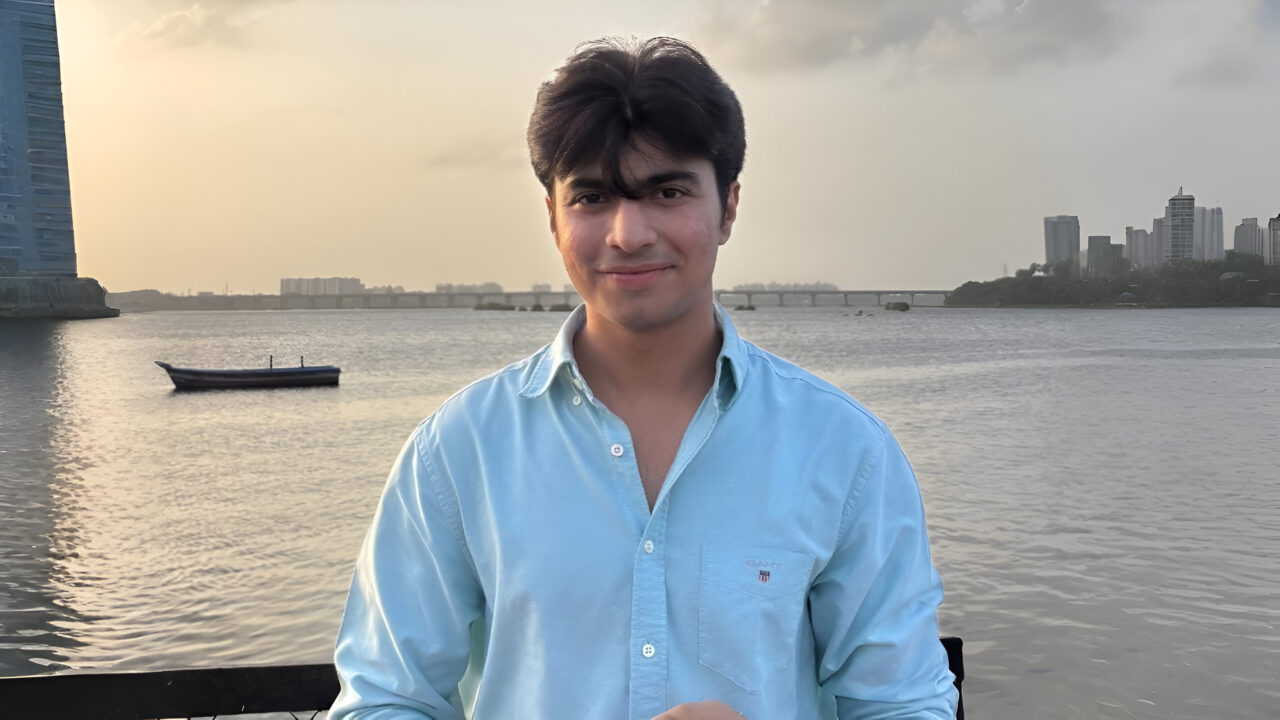
Moin Makda: HemeNext Felt Like a Full Circle Moment
Moin Makda, Student Intern at Fortis Healthcare, shared on LinkedIn:
”HemeNext felt like a full circle moment.
Eight months ago, I was on Figma, designing screens for a post-BMT app.
Just wireframes, hope and a pitch deck for the IHH Sandbox Grant that we wasn’t even sure would get selected.
We got the grant. Then we got obsessed.
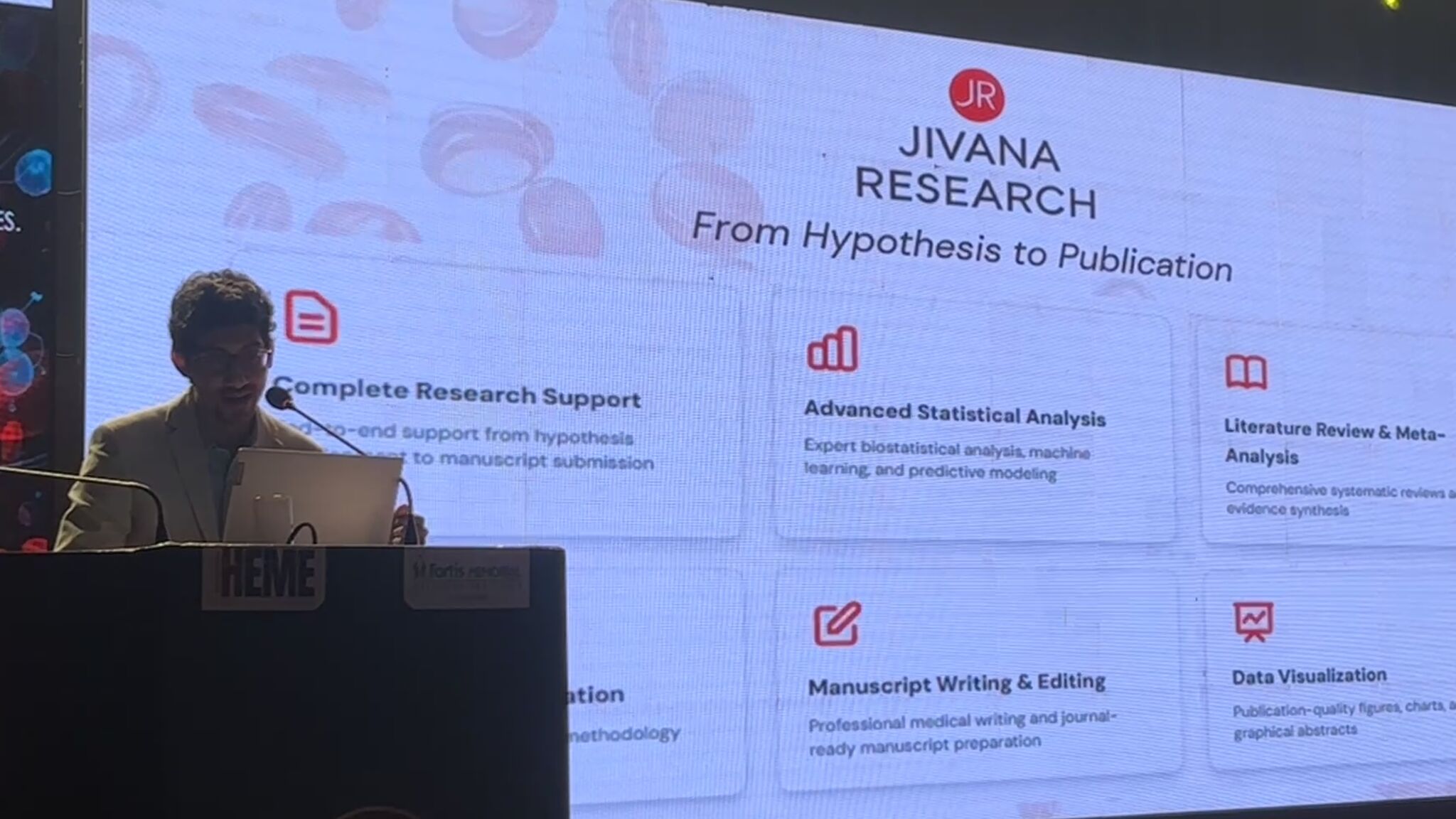
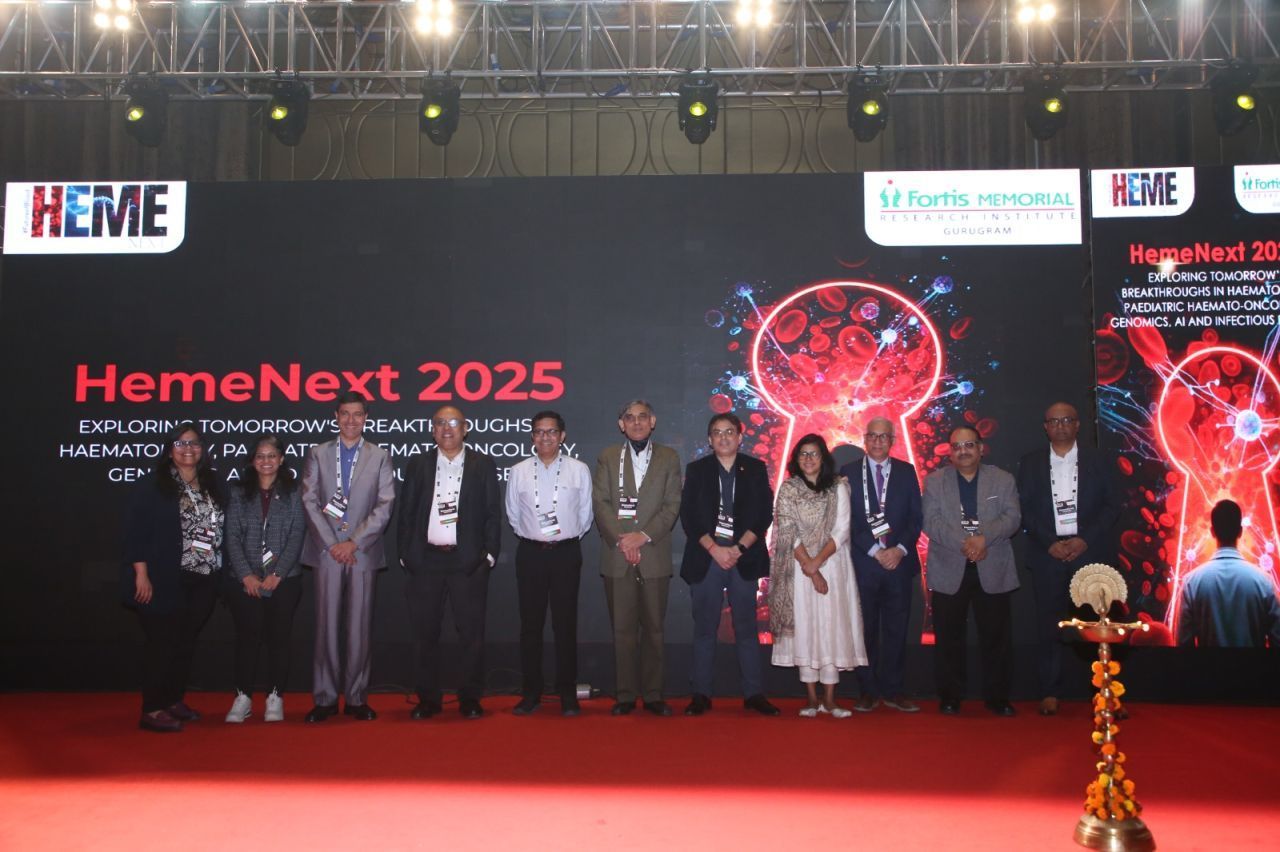
Fast forward to last Sunday, watching Swarsat K. Nath present JIVANA AI at HemeNext, in front of clinicians and innovators who actually get what we’re trying to build.
That’s when it hit me. We’ve come a long way from those Figma frames.
One app became six solutions. One late night became a hundred.
Marrowlogue, ThalSaarthi, CuraScript, AI Caller, ReLit, Jivana Research – each one born from a real problem we saw in real clinics.
ThalSaarthi won the Catalyst Innovation Grant and Second Prize at DoctorsAI Global Summit.
Abstracts got accepted. Grants kept coming. Strangers became collaborators.
But here’s the thing, none of this happens in a vacuum.
Dr. Rahul Bhargava and Shrinidhi Nathany didn’t just support us, they believed in us when we were still figuring things out.
They pushed us to think beyond the obvious, to build things that actually solve real problems in real clinics.
Sumit Wadhwa kept us grounded when we got too lost in the tech. Yashpal Singh Rawat and Dr Ritu Mittal Garg gave us the infrastructure to actually build, not just dream.
And Swarsat K. Nath? Man, watching him present at HemeNext and explaining to a room full of hematologists who’ve spent their lives in this field, I realized how far we’ve both come.
From “let’s try this” to “this is actually working.”
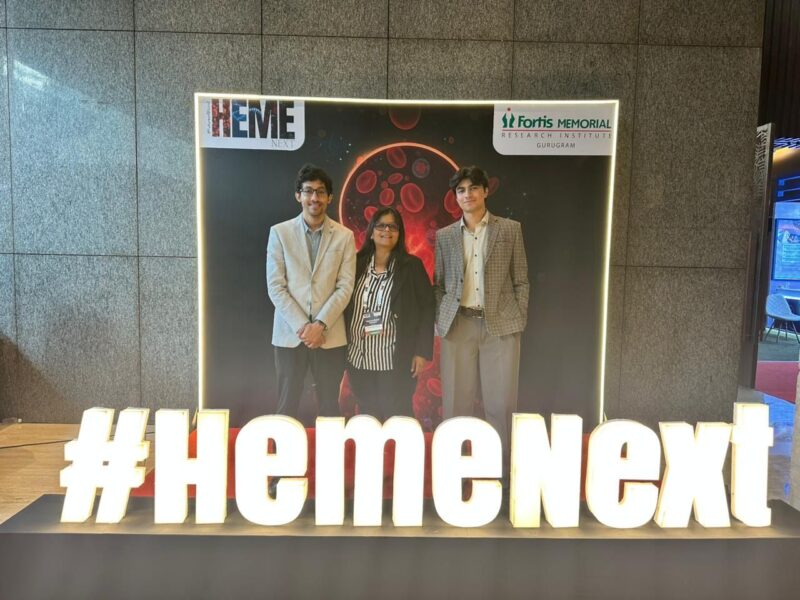
HemeNext itself was something special.
Dr Vikas Dua, the entire team at Fortis Healthcare, Gurgaon Dr Ritu Mittal Garg, Tabish Jamshed, Parishmita Chabukdhara, Naveen Uppal, Sidarth Verma, Vani Sharma, Suparna Paul, Aastha Gupta, Swati Bhayana, Dr. Neha Rastogi Panda, Rachit Agrawal made it more than a conference.
They made it a movement.
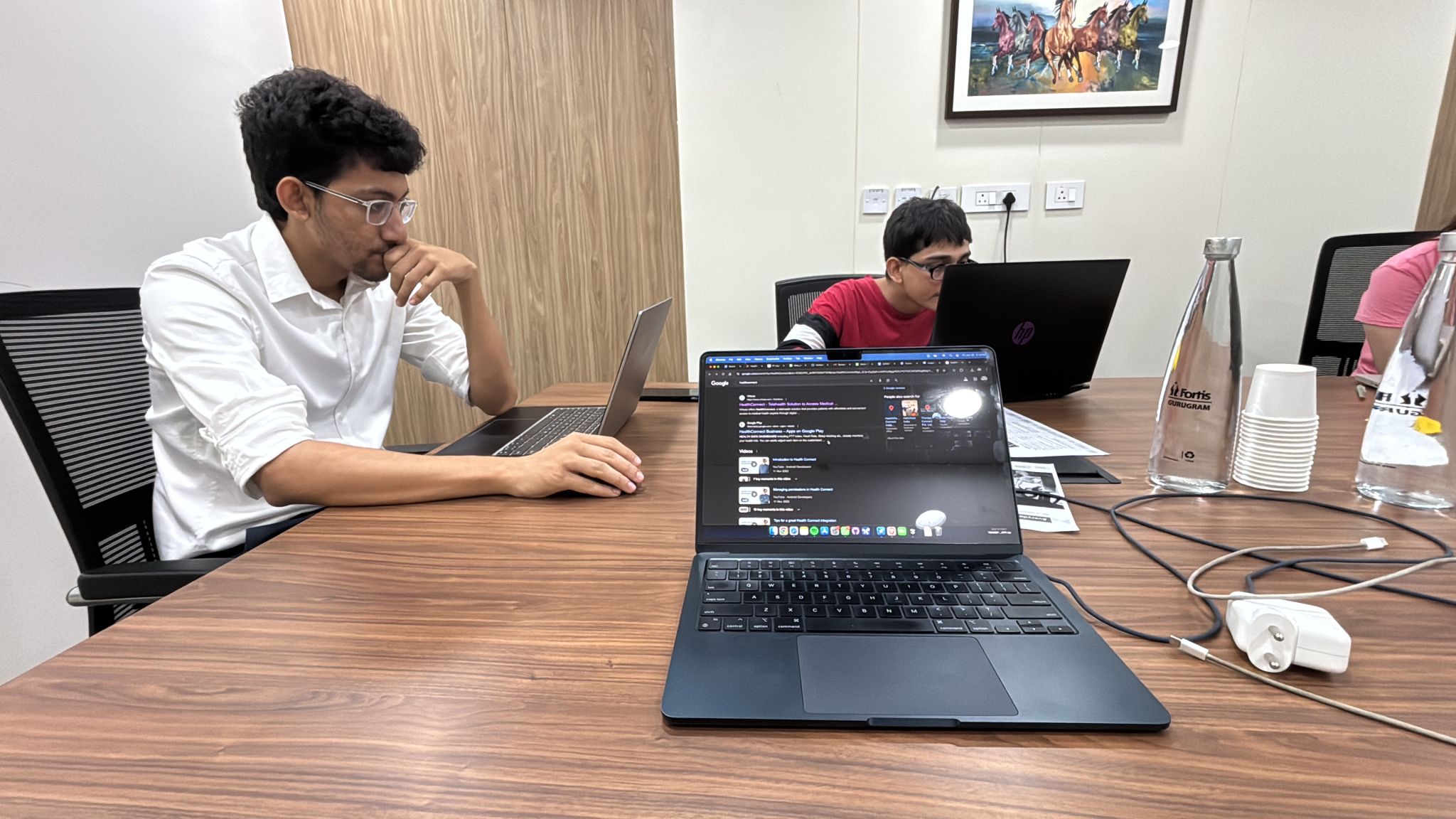
Somewhere between the code reviews and the clinician feedback sessions, we stopped just building healthcare tech.
We started building something that might actually matter.
I’m not saying we’ve made it, we’re still figuring out half of this as we go.
But standing at HemeNext, seeing our work out there in the real world, with real doctors having real conversations about it.. that Figma file feels like a lifetime ago.
Here’s to the next and many more eight months.
And to everyone who took a chance to make healthcare a little less broken.
If you told me last March that I’d be here, I wouldn’t have believed you.
But I’m really glad I didn’t stop at wireframes.”
Stay updated with Hemostasis Today.
-
Oct 8, 2026, 04:28Jeff Molter: Electrophysiological PIEZO1 Analysis Advances Diagnosis in Hereditary Xerocytosis
-
Oct 8, 2026, 04:23Barbara Adams Krolak: Women and Blood Clots Are We Missing the Warning Signs
-
Oct 8, 2026, 04:10Rutendo Muzambi: Hospital Admission Patterns and Care Disparities in Sickle Cell Disease
-
Oct 8, 2026, 03:50Olfat Berro: Redefining the Future of Haemophilia A
-
Oct 8, 2026, 03:35Tasnia Tarana: Heavy Menstrual Bleeding When the Cause Is Not in the Uterus
-
Oct 8, 2026, 03:28Kian Haseli: Electrophysiological PIEZO1 Analysis Advances Diagnosis in Hereditary Xerocytosis
-
Oct 8, 2026, 03:20Sthanu Subramanian: Leukopenia in Sepsis A Marker of Severe Disease
-
Oct 7, 2026, 16:44Amor Salah: 2026 NCS/SCCM Guidelines for Managing Antithrombotic-Associated ICH
-
Oct 7, 2026, 16:04NETs in Thrombosis: From Mechanism to Therapeutic Target