


Nicolas Hubacz: What You Should Know about Hantavirus
Nicolas Hubacz, Research and Clinical Products Business Development Manager at Magstim, shared a post on LinkedIn:
“Hantavirus: What You Should Know
With hantavirus making headlines recently, many people are hearing about this virus for the first time. I wanted to provide some context around what hantavirus is, how it spreads, and why it remains one of the most serious rodent-borne infections known to medicine.
What Is Hantavirus?
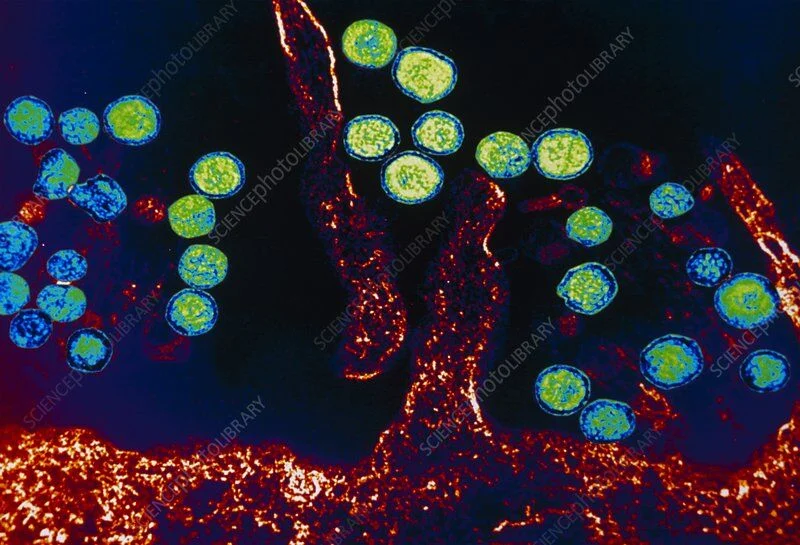
Hantaviruses are a group of viruses carried primarily by rodents. Humans are typically infected by inhaling microscopic particles contaminated with rodent urine, droppings, or saliva.
In North and South America, infection can cause Hantavirus Cardiopulmonary Syndrome (HCPS), a rapidly progressive disease that affects the lungs and heart. Although infections are uncommon, mortality rates can reach up to 50% in severe cases.
How Contagious Is It?
Most hantaviruses are not transmitted from person to person. The notable exception is Andes virus, found in parts of South America, where limited transmission has been documented among close household contacts. Even in these cases, spread appears inefficient, with an effective reproduction number estimated to remain below 1.
R0<1
This means outbreaks usually burn out rather than expand, but individual infections can still be extremely severe.
Early Symptoms:
Symptoms often begin with flu-like signs such as:
- Fever
- Headache
- Muscle aches
- Nausea and vomiting
- Abdominal pain
In some patients, the illness rapidly progresses to shortness of breath, fluid accumulation in the lungs, and respiratory failure, requiring intensive medical care.
Why Hantavirus Matters:
Hantavirus illustrates an important concept in epidemiology: a pathogen does not need to spread easily to pose a serious threat.
It combines:
- Low transmissibility
- High mortality
Animal reservoirs found across the globe. That combination makes it rare, but highly consequential when infections occur.
Prevention
The best protection is minimizing contact with rodents and their waste, especially when cleaning enclosed spaces such as sheds, cabins, and garages.”
Stay updated with Hemostasis Today.
-
May 22, 2026, 12:29Neema Ngugi: Highlighting 6 Major Types of Anemia
-
May 22, 2026, 12:27Jacinto López Sagaseta: Solving the Structural Puzzle of FVIIa–EPCR Interaction
-
May 22, 2026, 12:25Shehab Mohamed: Exploring the Emerging Link Between JAK2 Mutations and Thoracic Aortic Aneurysms
-
May 22, 2026, 11:52Prakash W. Kamat: Highlighting the Role of Physical Activity in Hemophilia Management
-
May 22, 2026, 11:43Mohamed Hanafy Morsy: Understanding Hemochromatosis – Genetics Made Simple
-
May 22, 2026, 10:23Rucha Patil: Insights from The National Haemophilia Conclave 2026
-
May 22, 2026, 10:11Narat Srivali: New Systematic Review and Meta-Analysis on Glucocorticoid Therapy and The Risk of VTE
-
May 22, 2026, 10:02Greta Mulders: Nursing Leadership in Haemophilia Gene Therapy
-
May 22, 2026, 08:45Dirk Sibbing: Ethnicity and Antiplatelet Therapy Outcomes in CCS