


Pete Stibbs: We Still Tend to Talk About VTE Like It’s a Plumbing Problem
Pete Stibbs, Senior Vice President, Global Medical Affairs and Medical Director at Argon Medical Devices, Inc., shared on LinkedIn:
”We still tend to talk about venous thromboembolism like it’s a plumbing problem.
A blockage forms, flow is reduced, pressure builds, and treatment is about reopening the pipe.
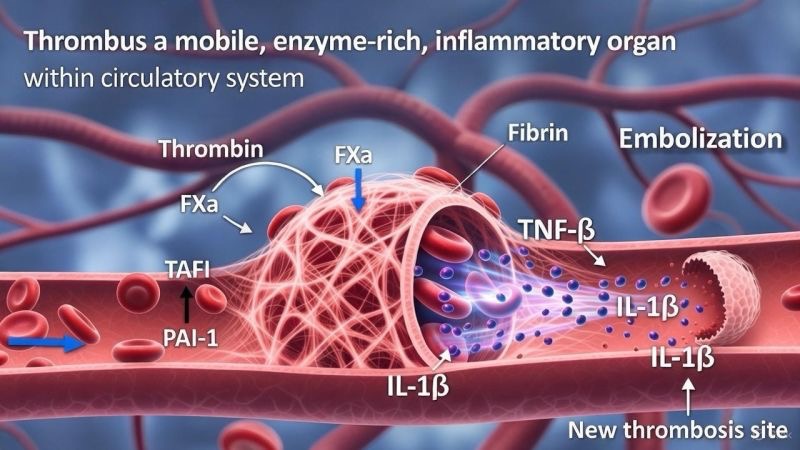
But a thrombus isn’t an inert plug. Once it forms, it becomes biologically active.
Clot isn’t just trapped blood.
It retains active thrombin and factor Xa, becomes increasingly resistant to breakdown, and carries a significant inflammatory signal.
Even after anticoagulation is started, the clot itself can continue to drive disease.
In many ways, it behaves more like an organ than debris .
That matters when we think about embolization. When part of a thrombus travels, it doesn’t arrive downstream as a neutral obstruction.
It arrives loaded with active coagulation enzymes and inflammatory mediators. What follows isn’t just blockage, but propagation.
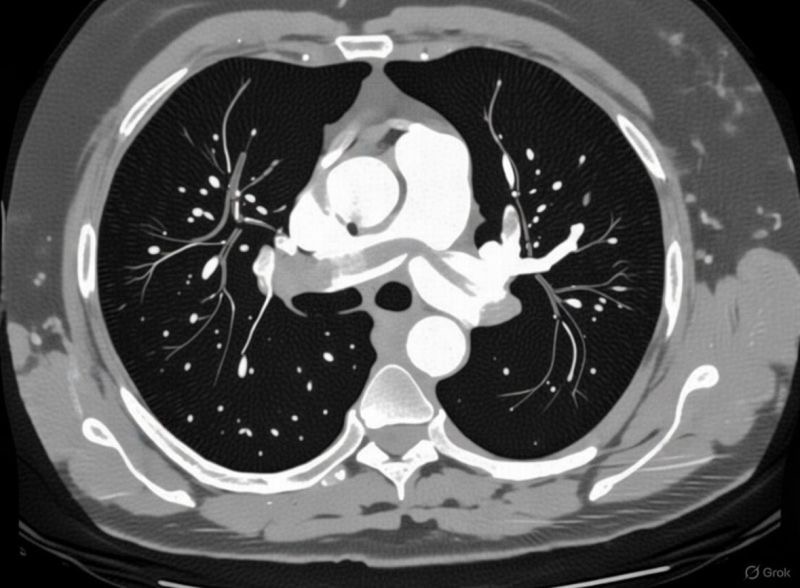
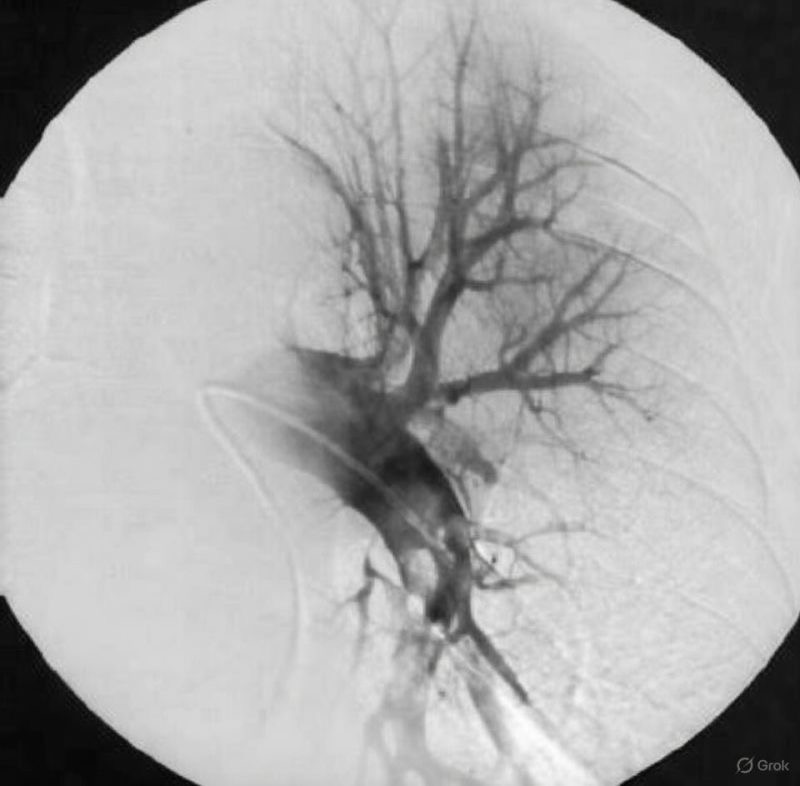
This helps explain why we see pulmonary embolism without an obvious DVT, why clot burden can progress early, and why timing matters so much in VTE care.
Anticoagulation is essential. It prevents new clot from forming. But it doesn’t neutralize the biologic activity of the thrombus that’s already there.
That clot can remain enzymatically active, inflammatory, and emboligenic for far longer than we tend to acknowledge.
This is where total thrombus clearance becomes important, beyond restoring flow.
Removing clot removes the thrombin reservoir, the inflammatory stimulus, and the substrate for ongoing embolization and re-thrombosis.
It’s less about cosmetics on imaging and more about biologic source control.
As we rethink how we treat VTE, the question shouldn’t only be whether flow looks better at the end of the case.
It should be whether the clot has lost its ability to cause harm.”
Stay updated with Hemostasis Today.
-
Oct 7, 2026, 16:44Amor Salah: 2026 NCS/SCCM Guidelines for Managing Antithrombotic-Associated ICH
-
Oct 7, 2026, 16:04NETs in Thrombosis: From Mechanism to Therapeutic Target
-
Oct 7, 2026, 15:28Amir Samimi: Prognostic Value of Platelet Count in Resected HNSCC
-
Oct 7, 2026, 15:21Eloïse Laouenan: Bridging Immunity and Thrombosis in MVTE
-
Oct 7, 2026, 15:10Uthra Sundaram: Honouring Donors During International Plasma Awareness Week
-
Oct 7, 2026, 15:04Daniel Victor Ortigoza: Should Frail Older Patients With AF Switch From VKA to DOACs?
-
Oct 7, 2026, 14:53Susan Noone: Donor Turned Recipient Shares Lifesaving Transfusion Story
-
Oct 7, 2026, 14:49Aimee Burtenshaw: The Impact of the Infected Blood Inquiry on Hospital Transfusion Laboratories
-
Oct 7, 2026, 14:41Vikash Jaiswal: Does Timing Matter for Calcium in Pre-Eclampsia Prevention?