

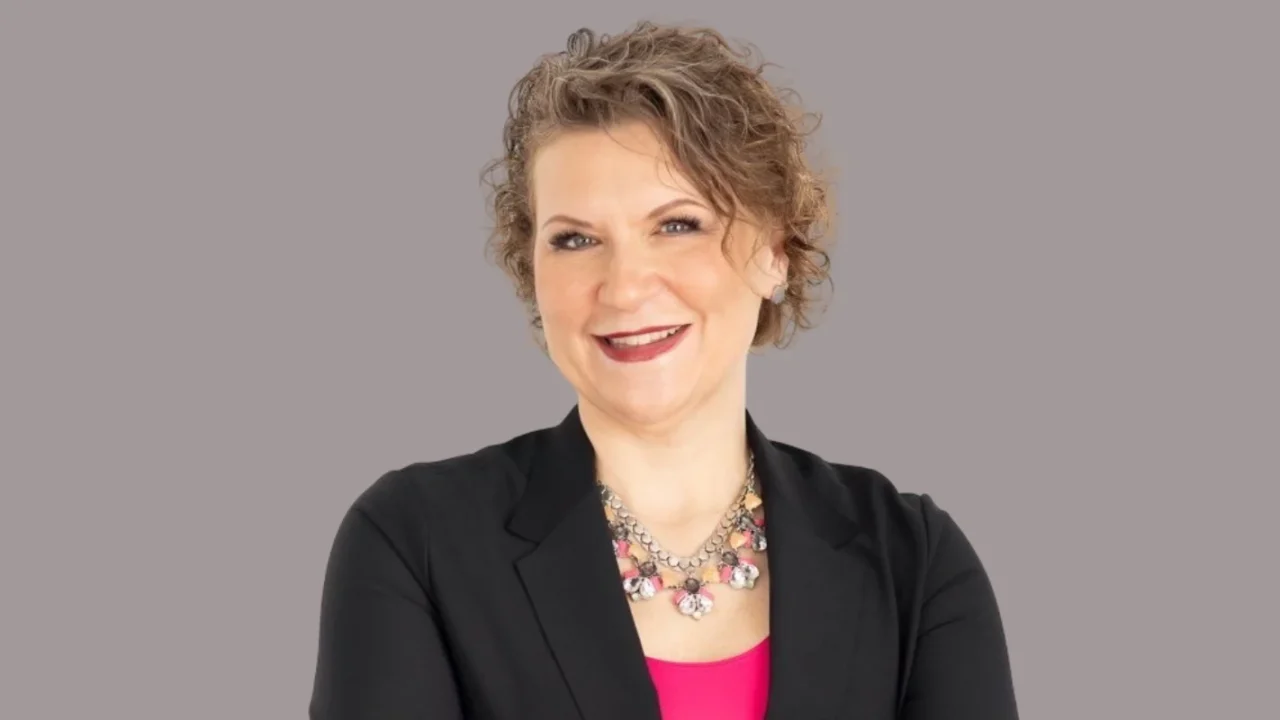
Dawn Carter: What Does an Acute Stroke Diagnosis Tell Us, If It Never Shows Up in Hospital Data?
Dawn Carter, Senior Director of Health Policy and Regulatory Affairs at Centauri Health Solutions, shared on LinkedIn:
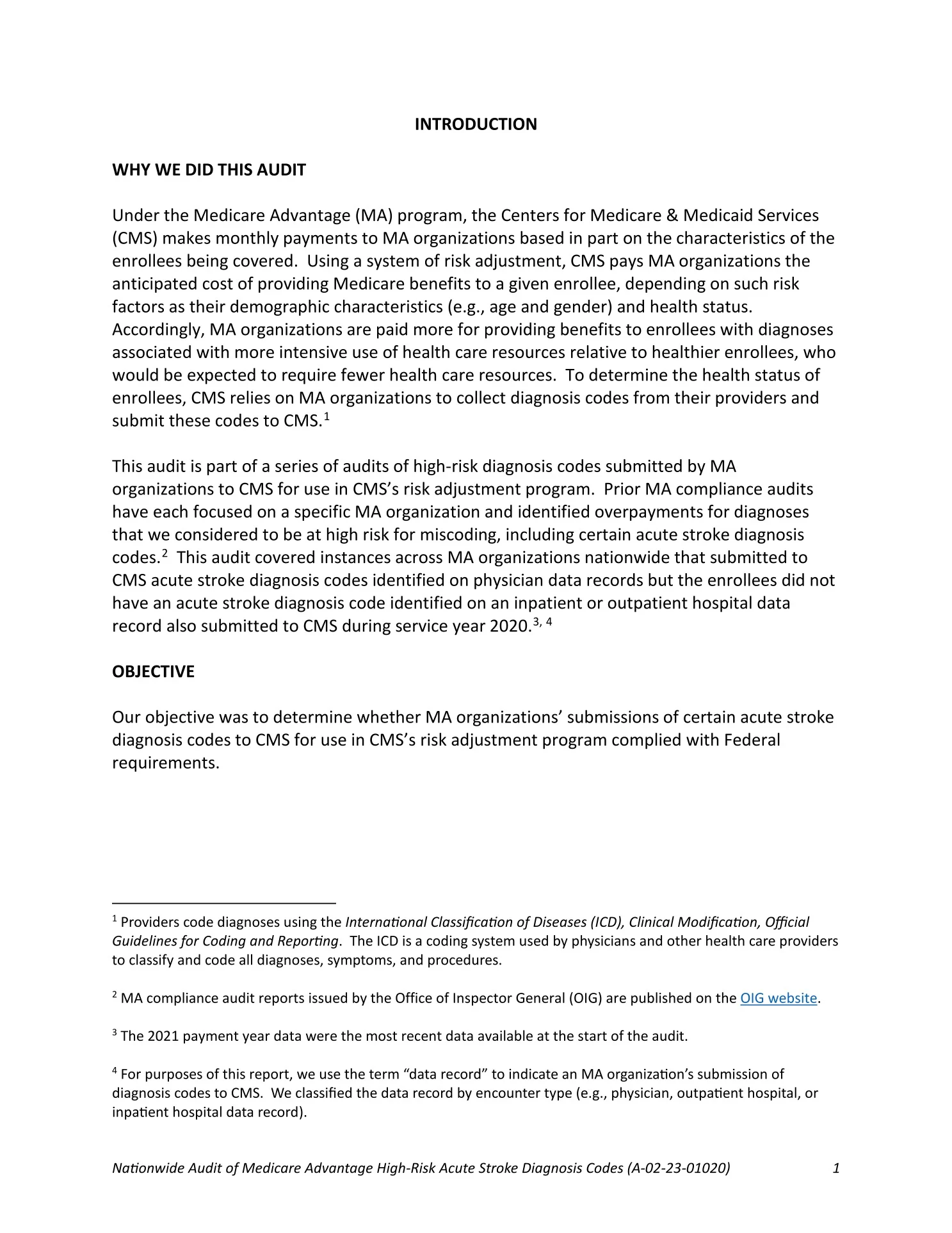
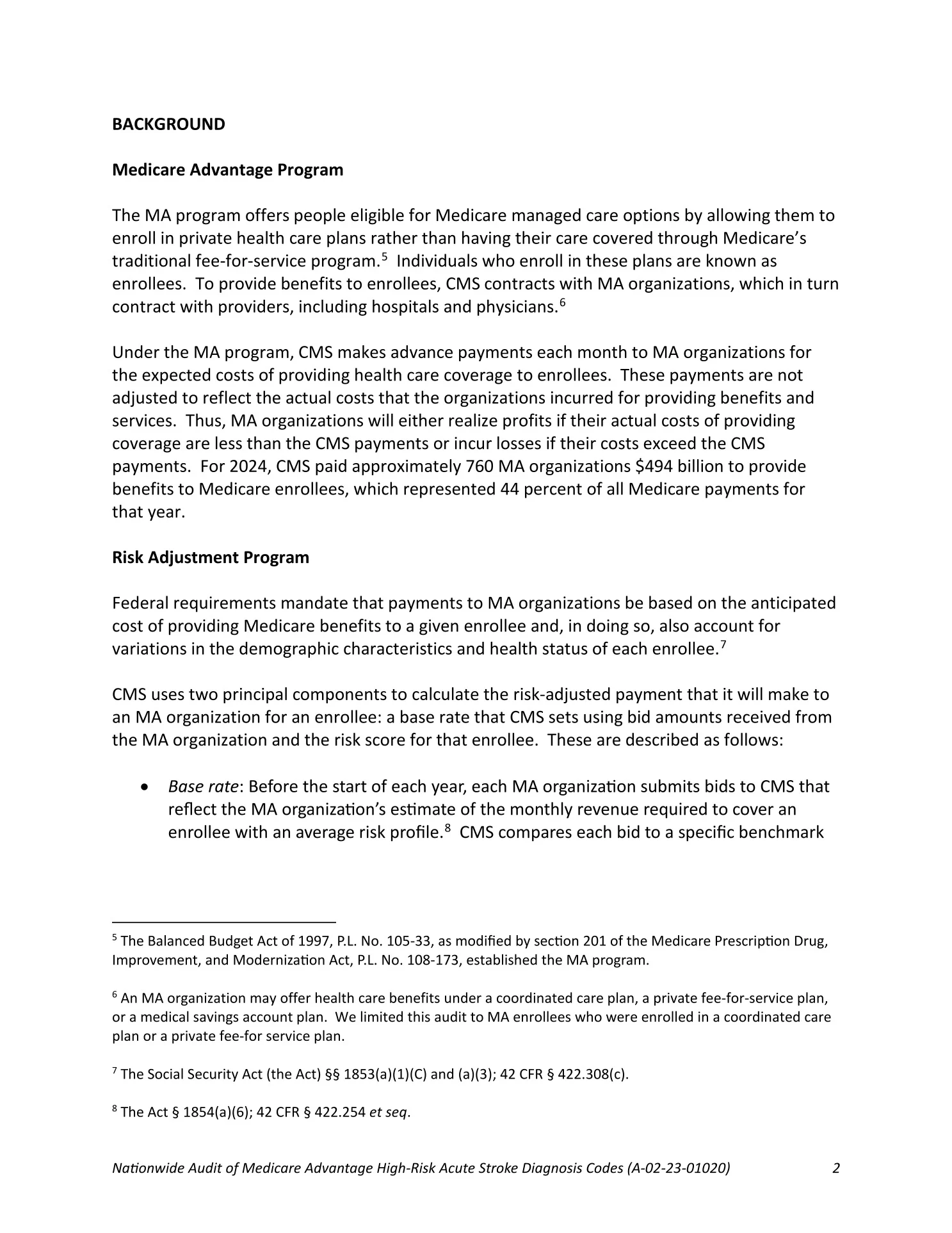
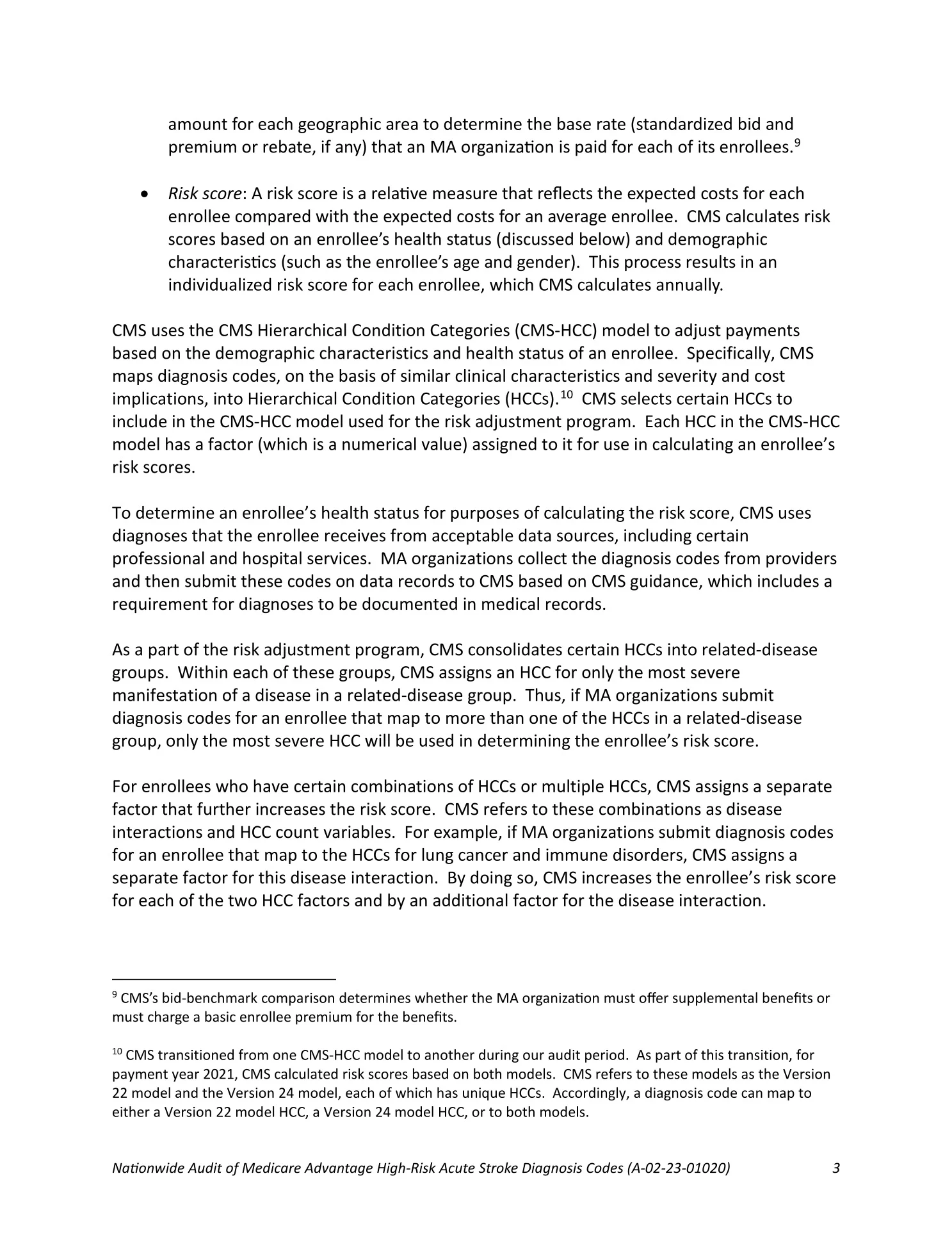
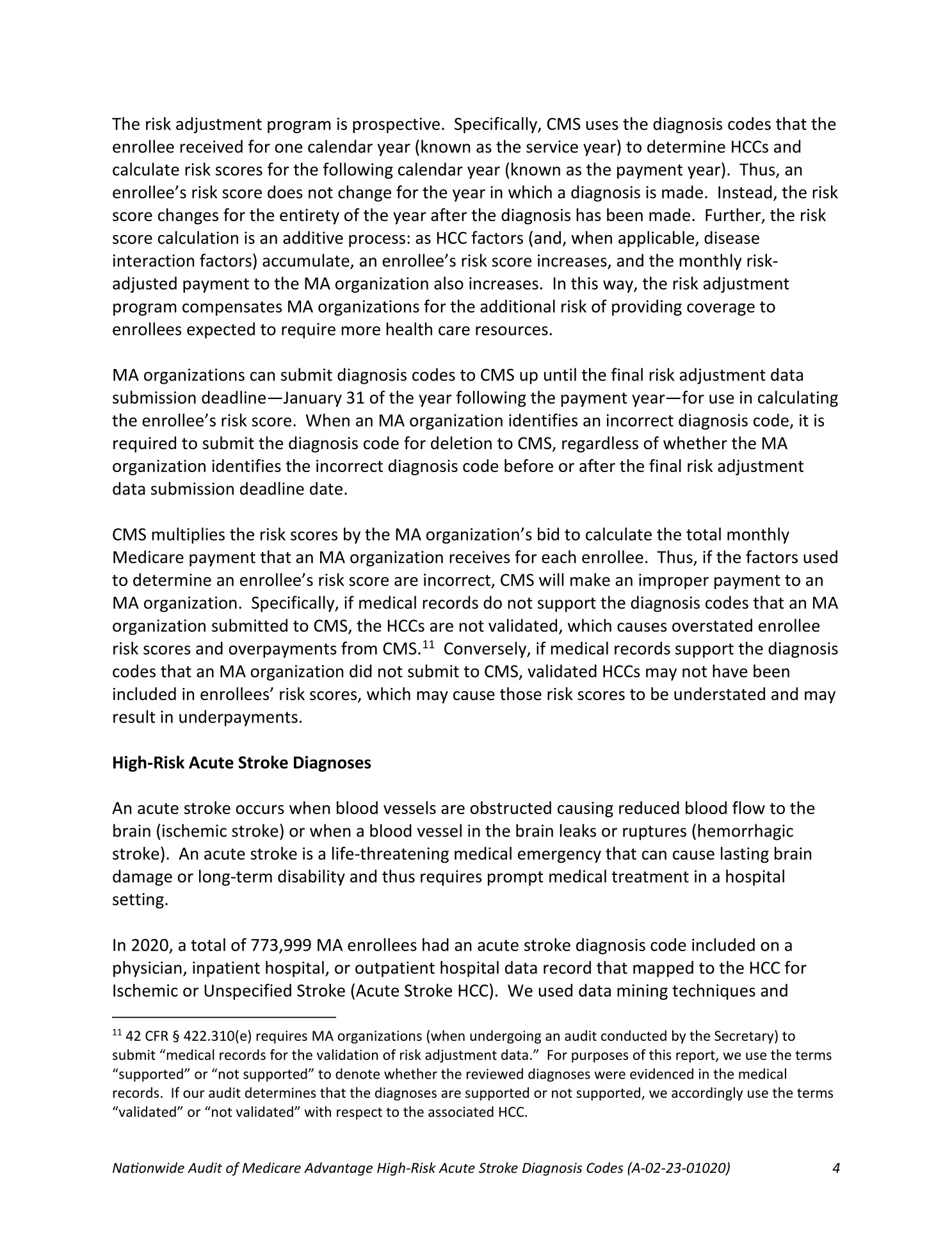
”What does an acute stroke diagnosis tell us… if it never shows up in hospital data?
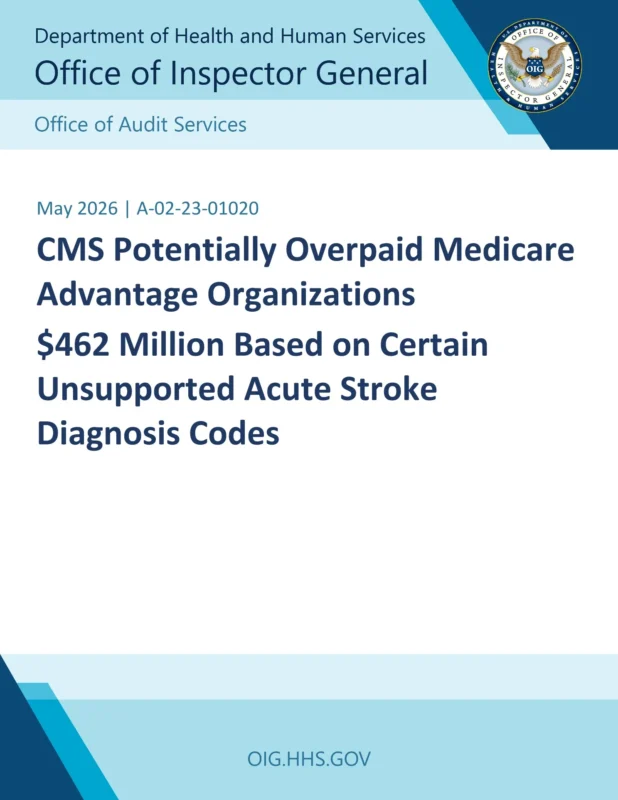
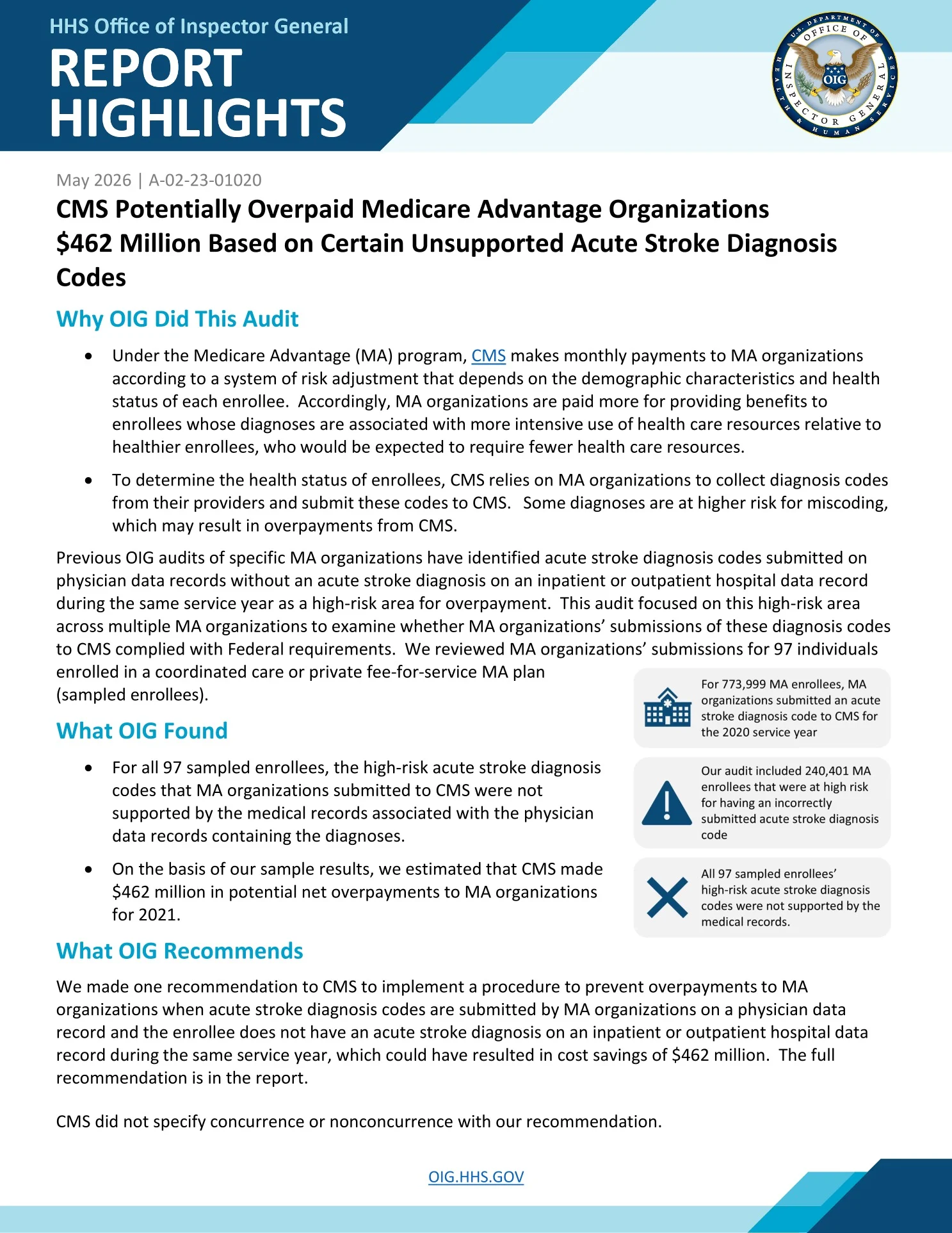
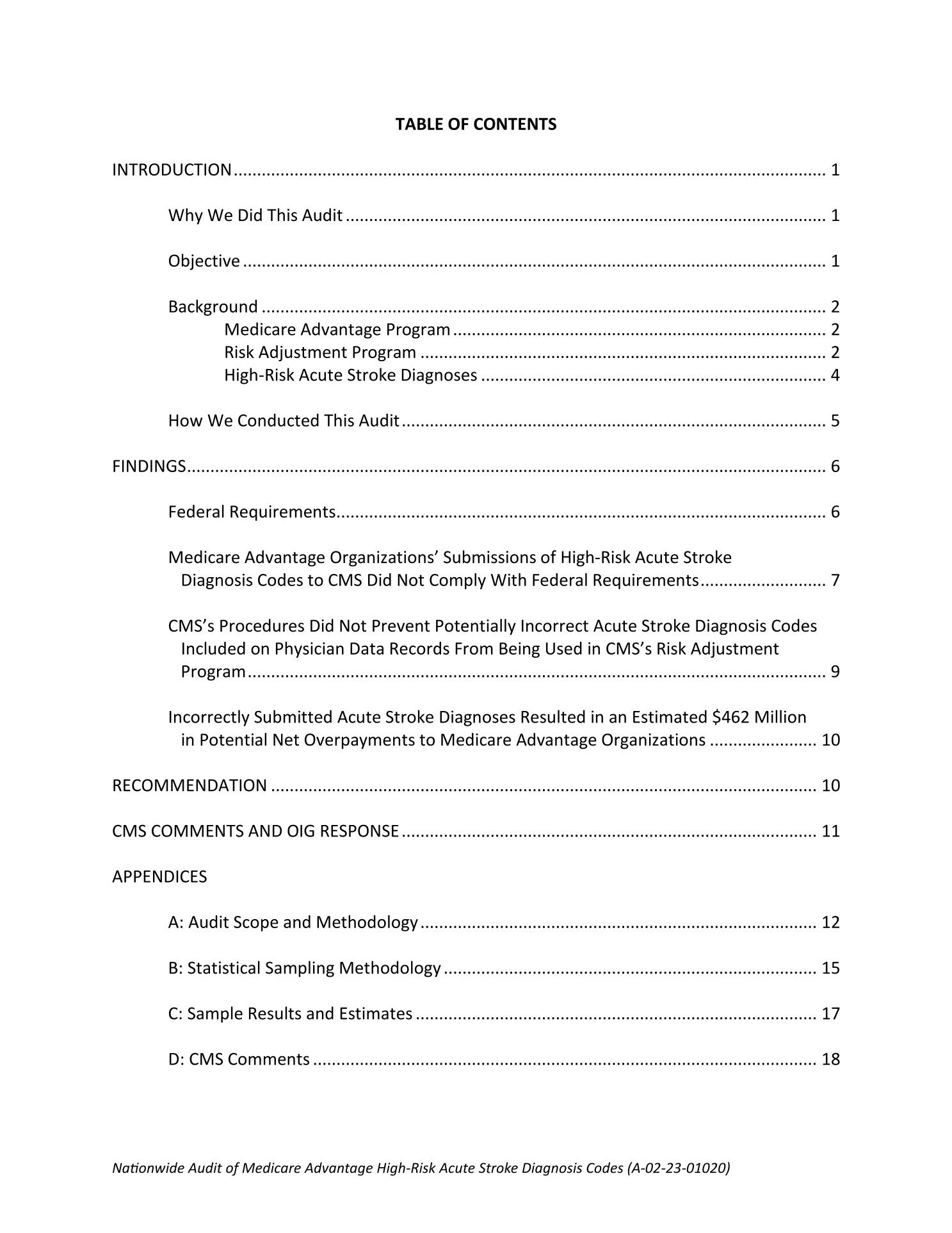
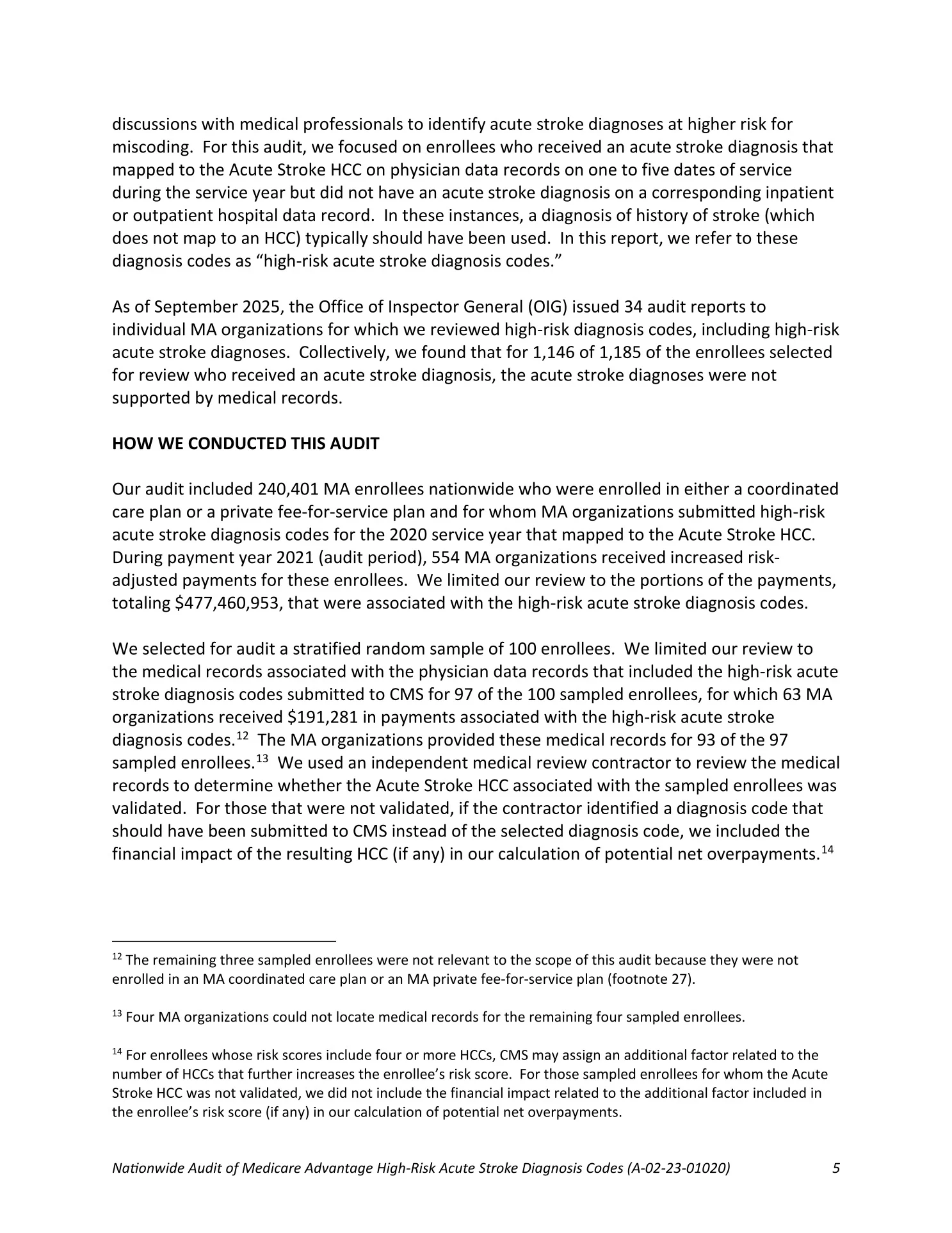
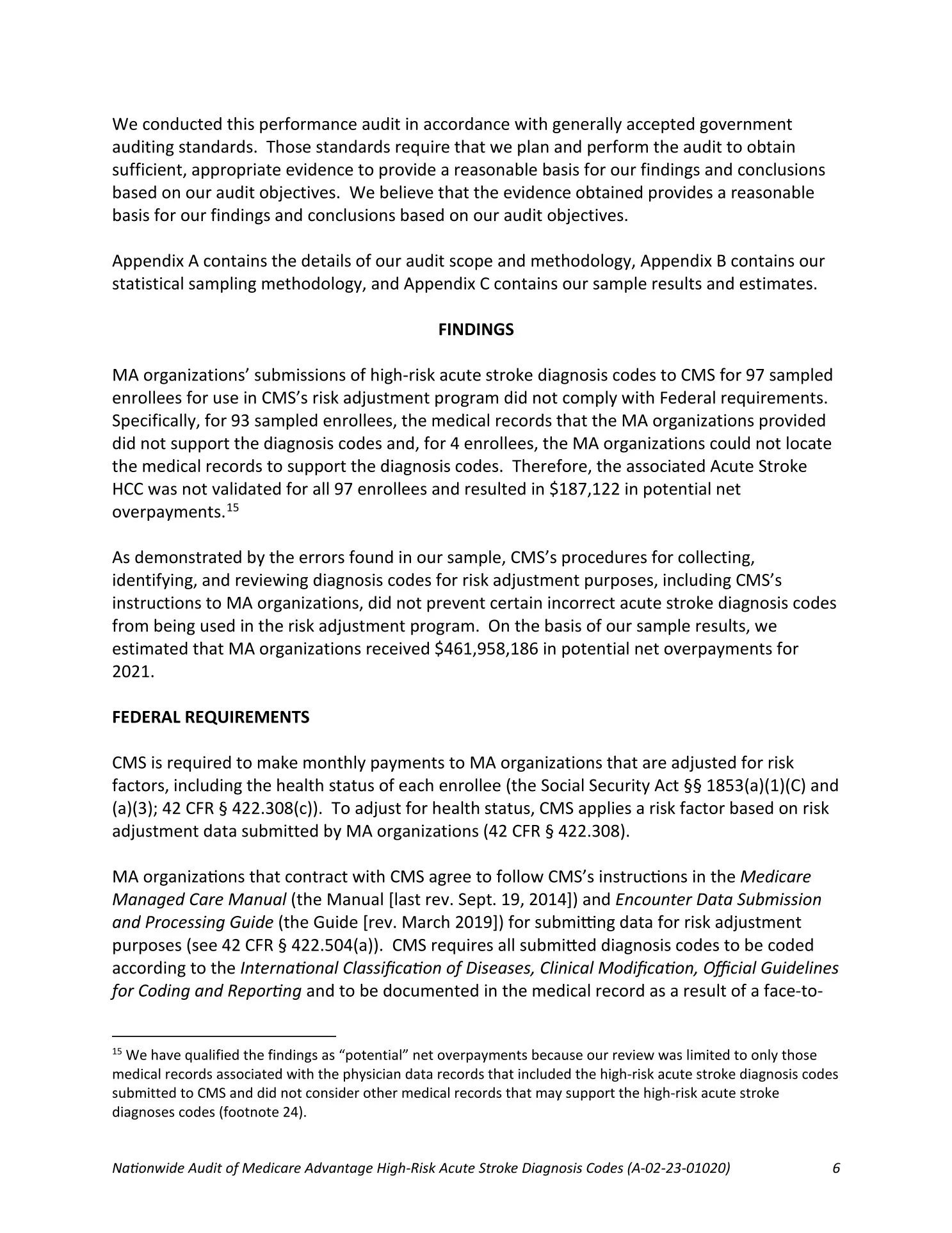
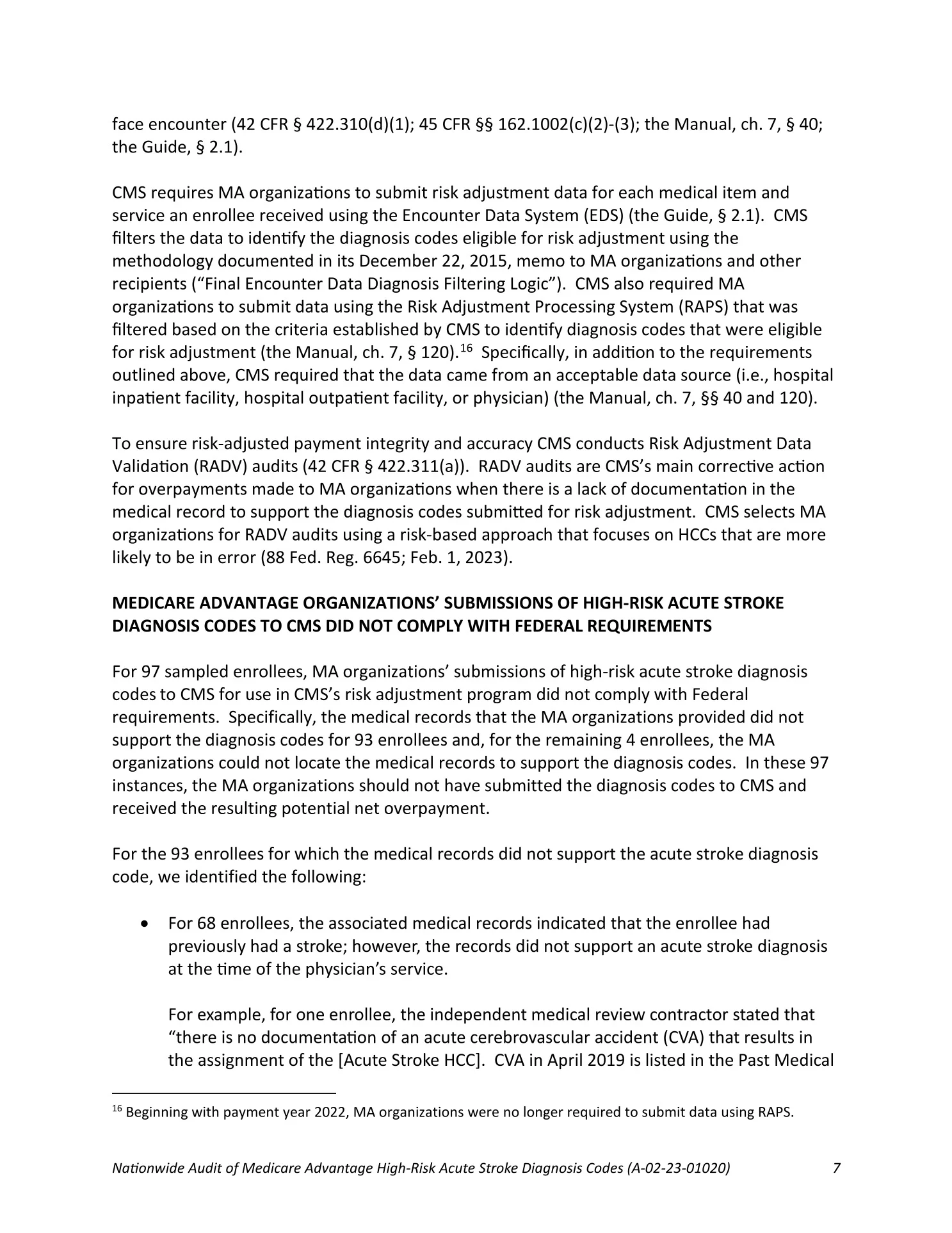
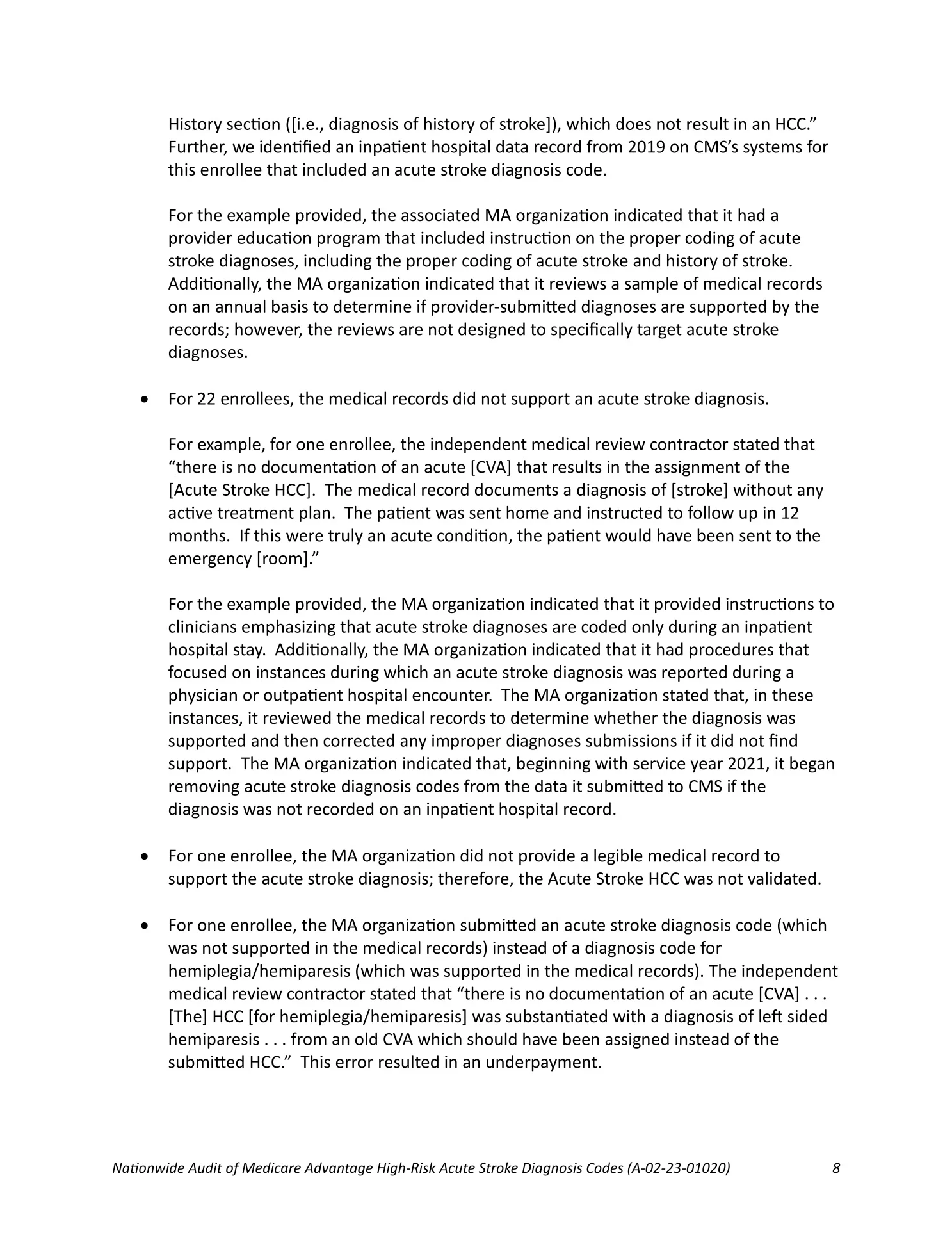
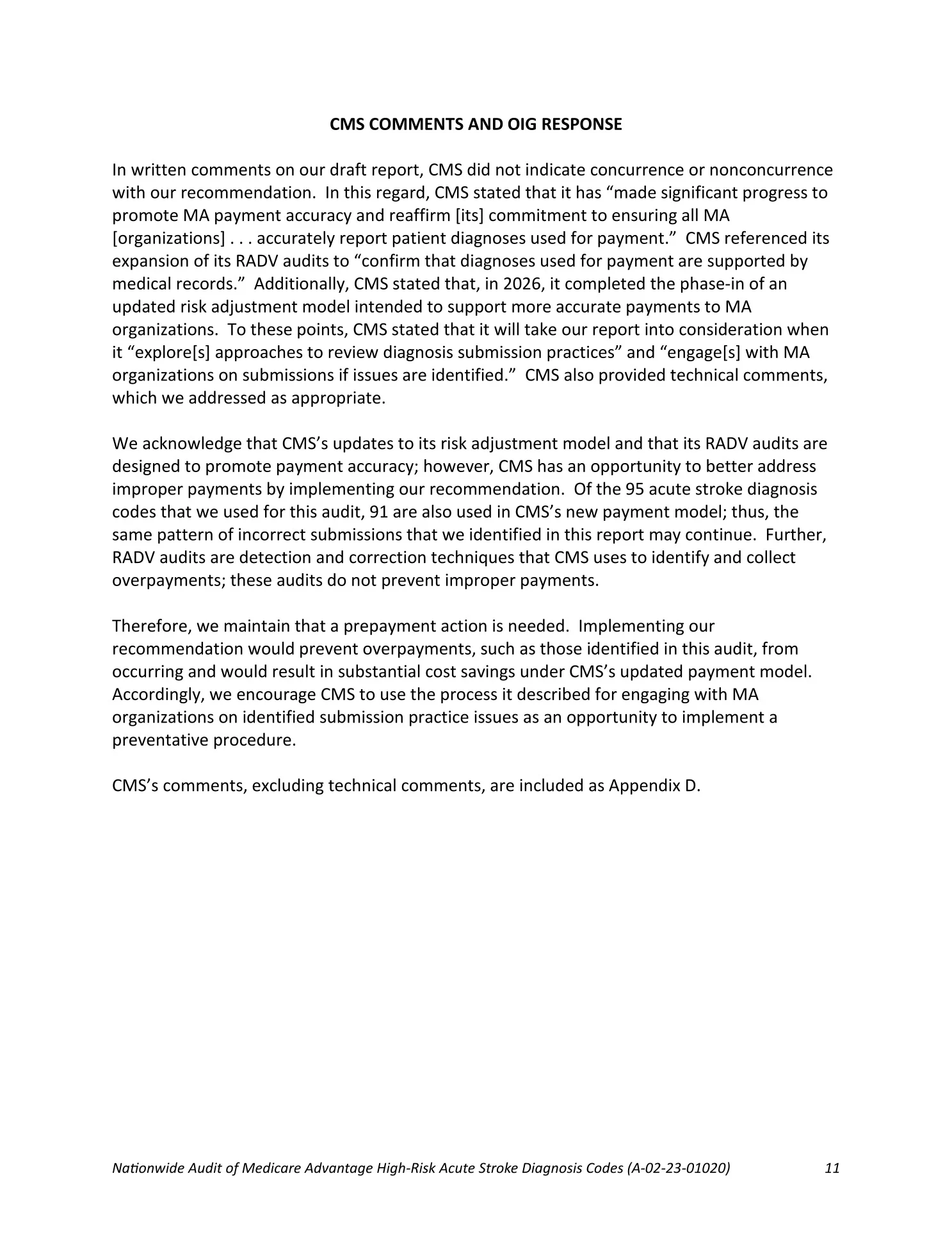
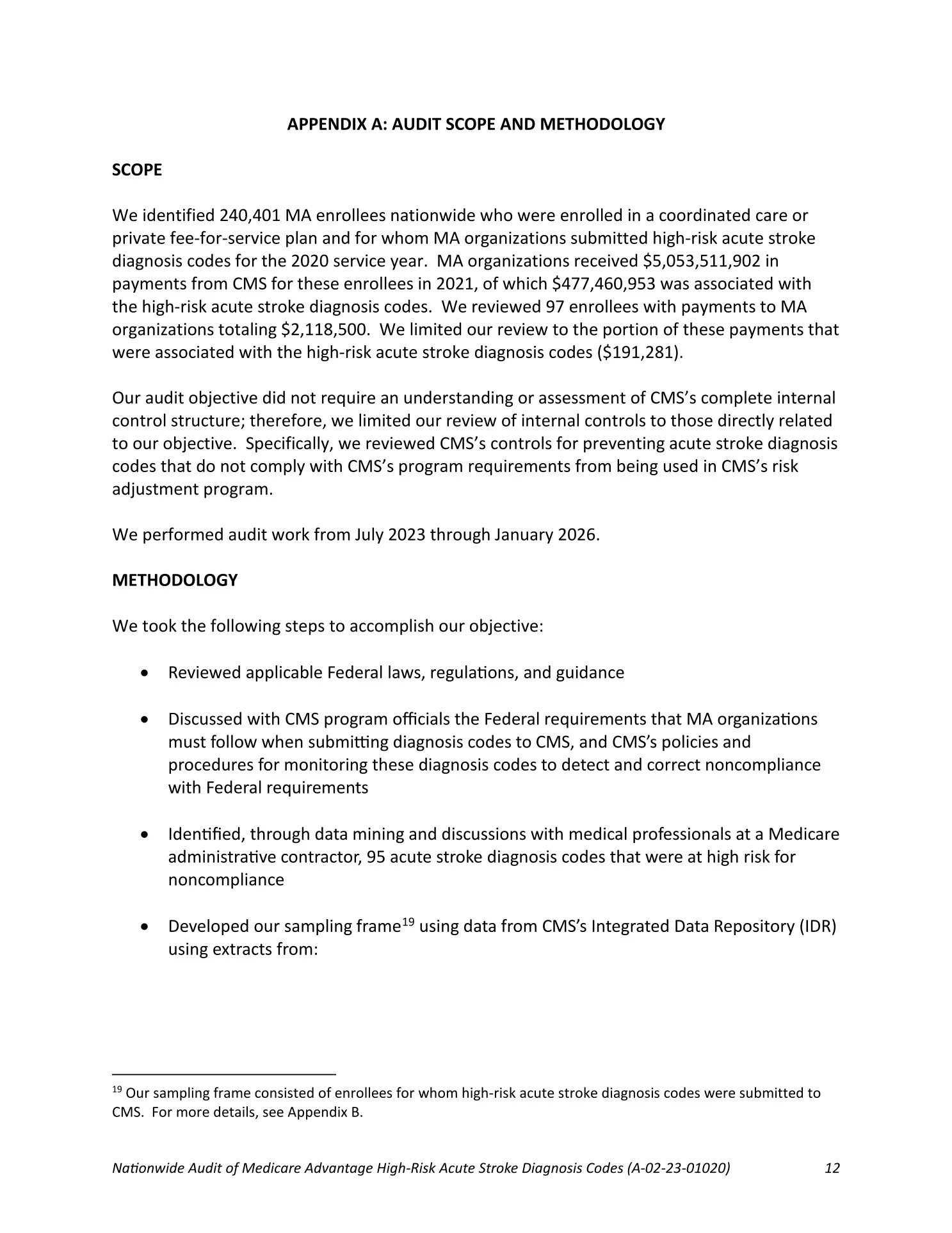
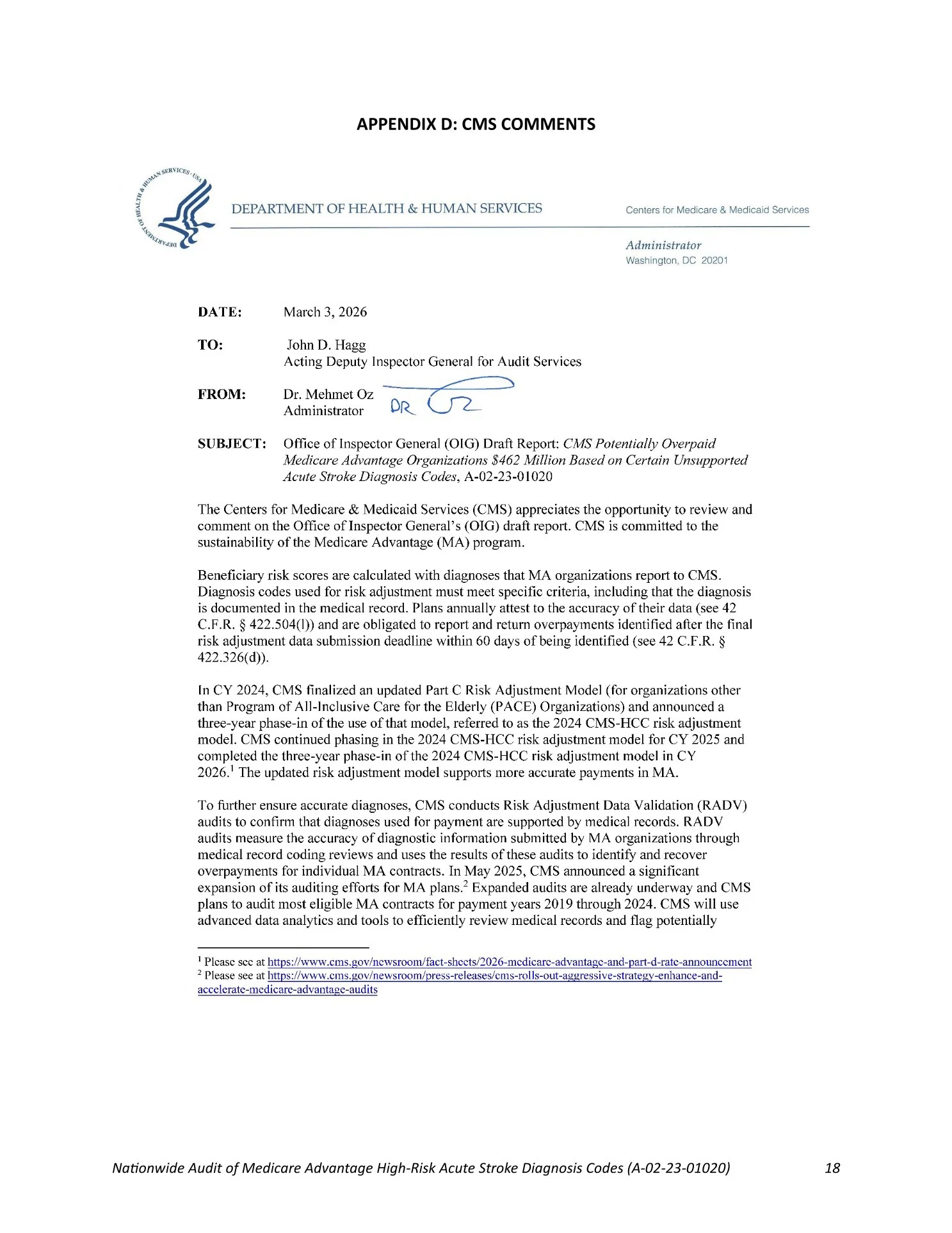
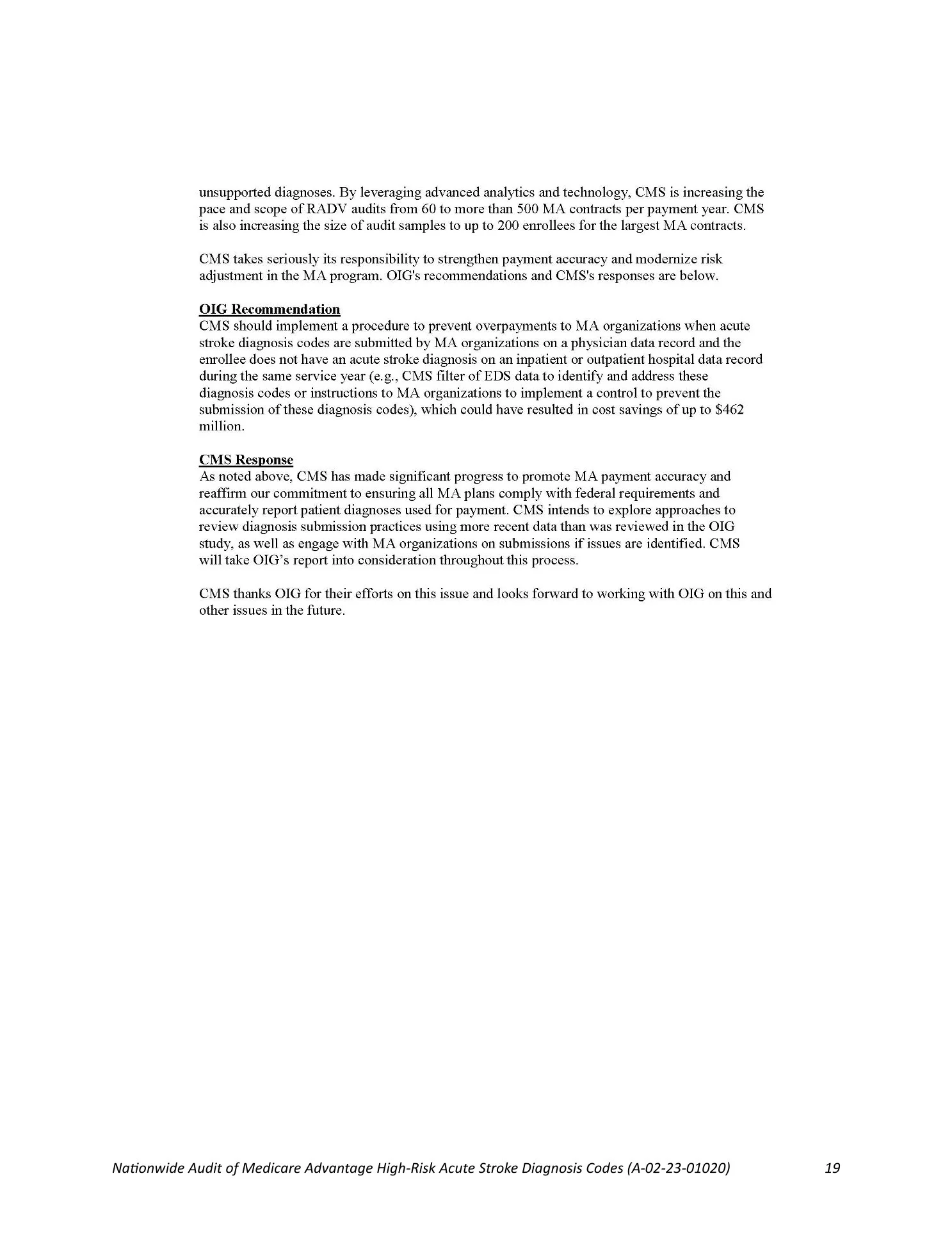
A recent OIG audit underscores a critical disconnect between clinical reality and data interoperability.
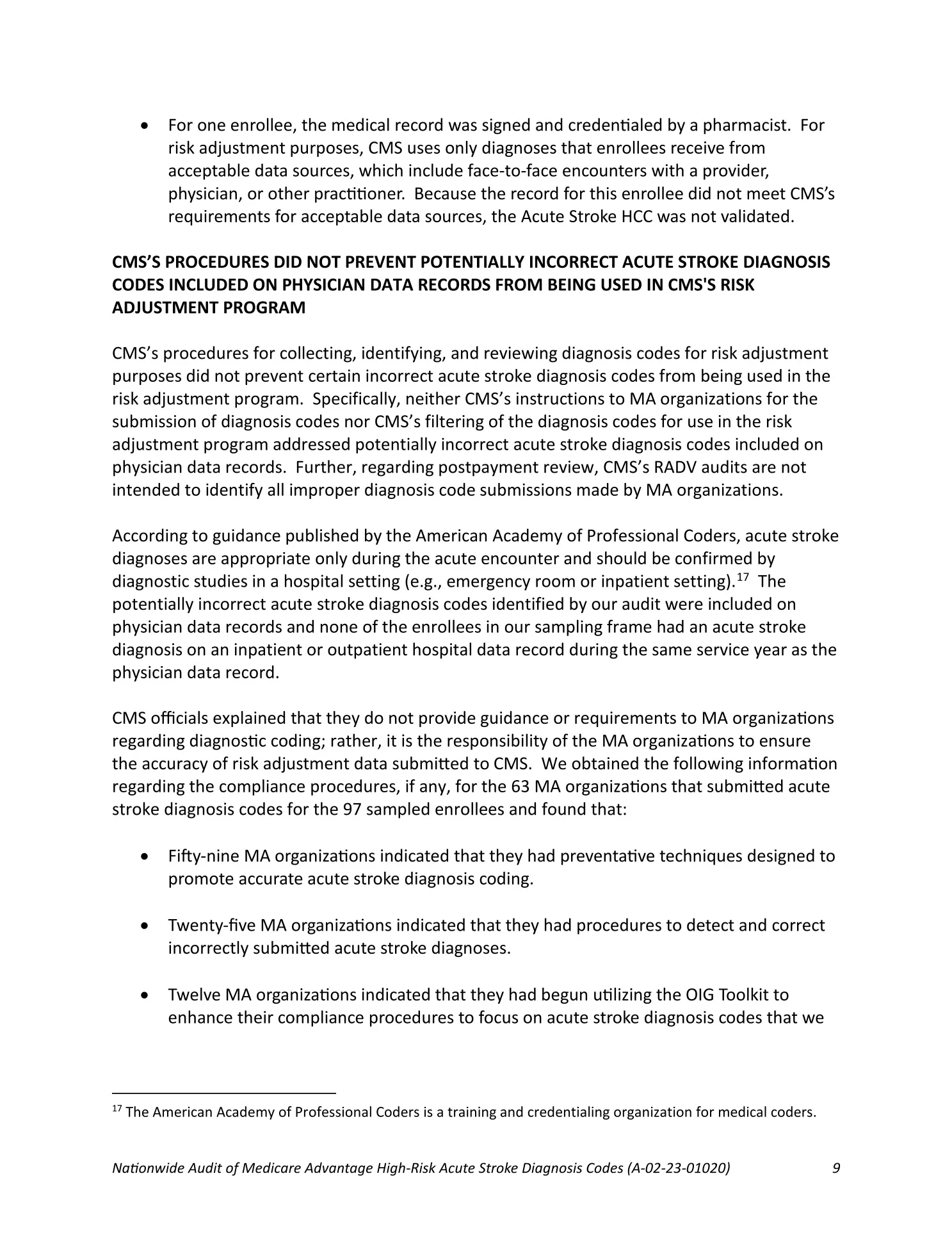
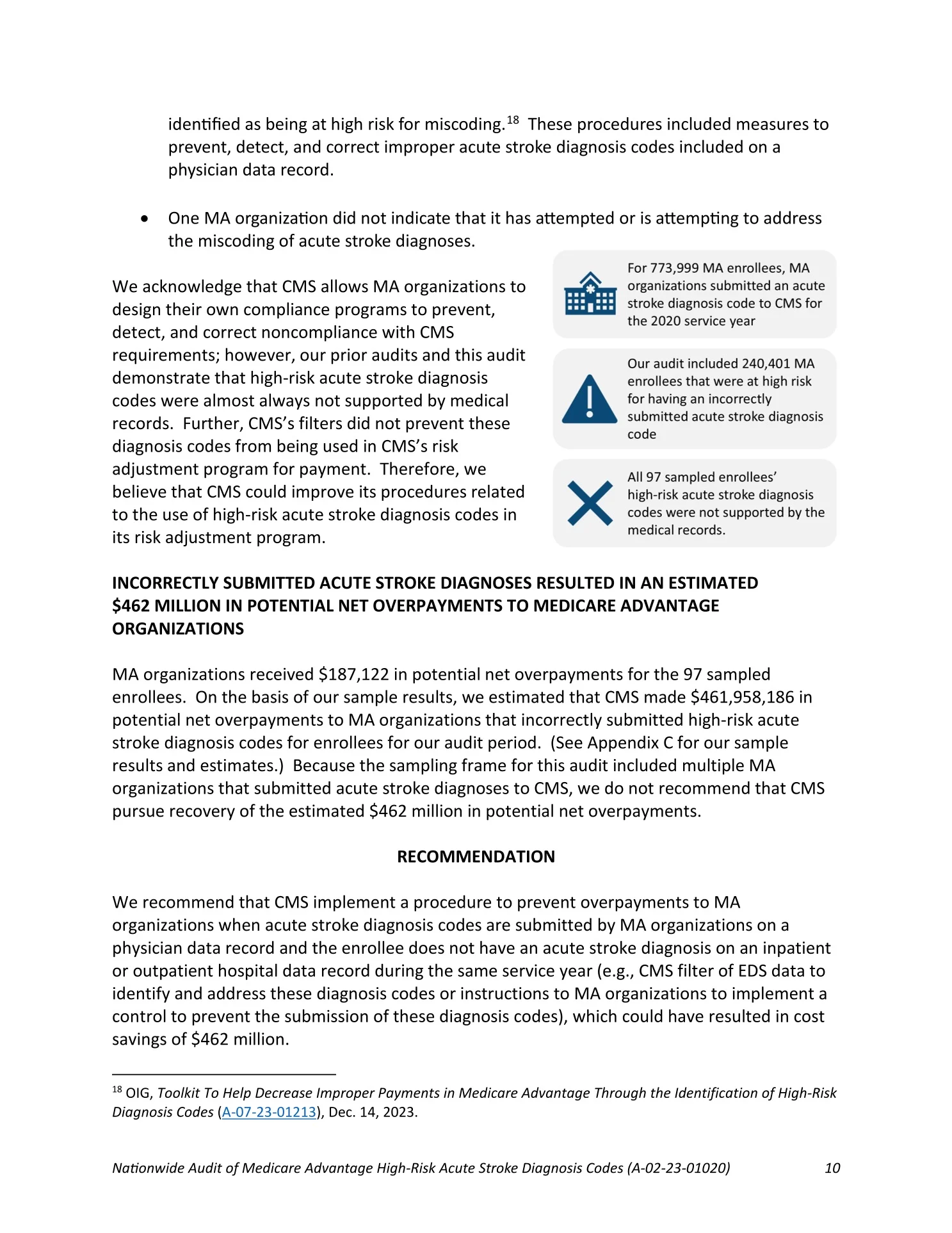
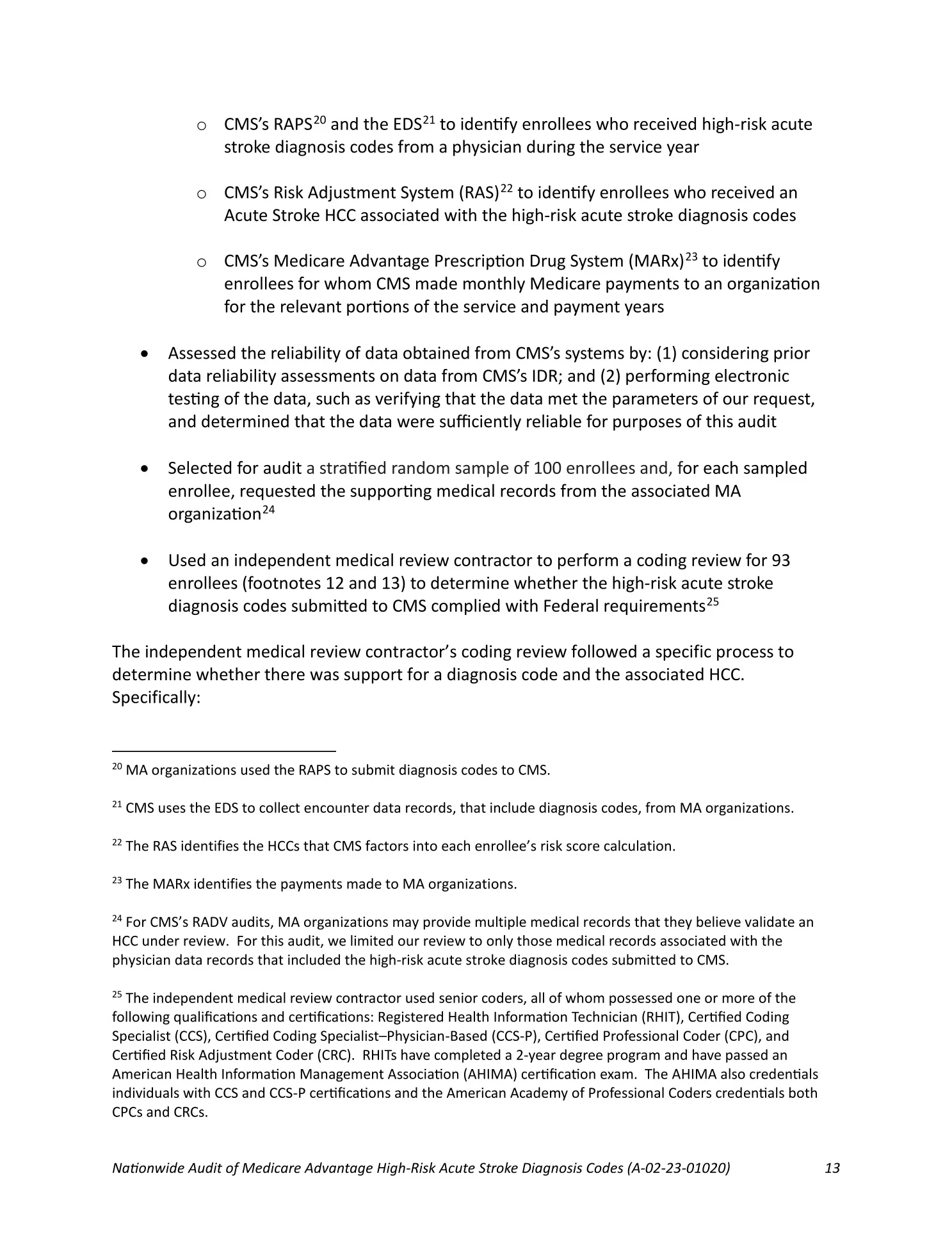
According to AAPC guidance, which was specifically mentioned in the report, acute stroke diagnoses should only be assigned during an acute encounter and confirmed in a hospital setting (ER or inpatient).
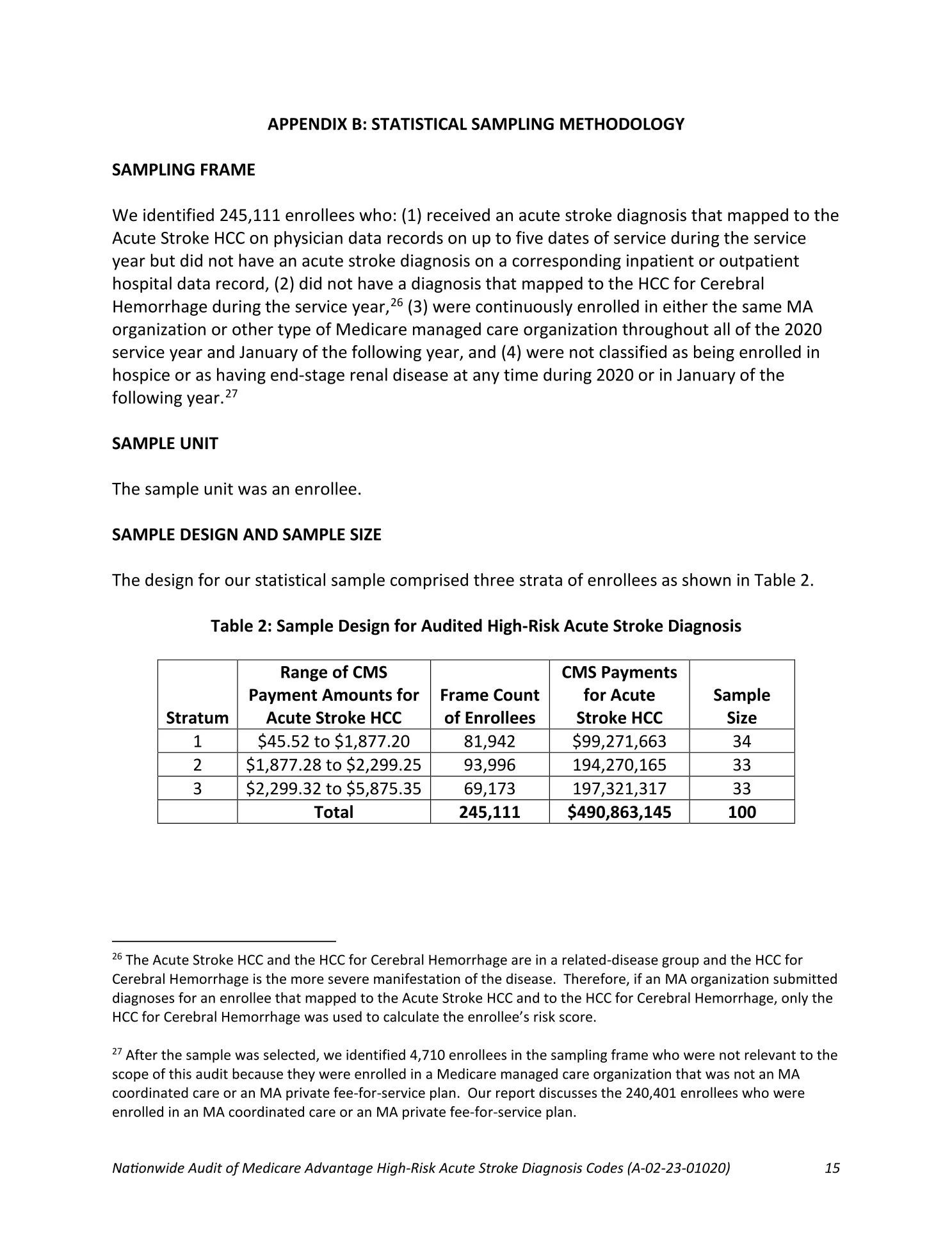
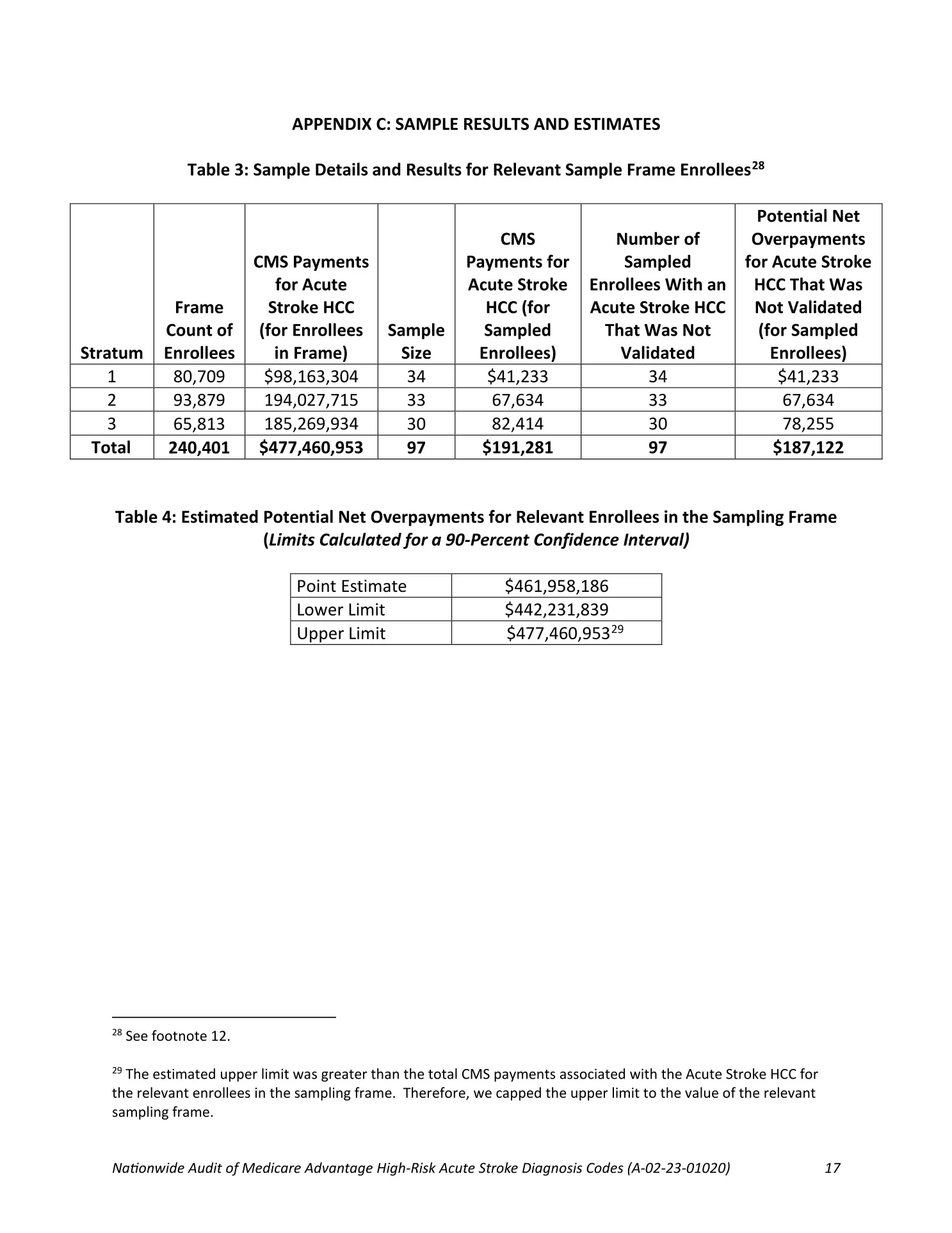
Yet OIG found that none of the sampled cases with acute stroke codes on physician claims had a corresponding hospital-based diagnosis in the same service year.
This isn’t just a coding issue; it’s a data architecture issue.
In a truly interoperable ecosystem:
- High-acuity events like stroke should propagate across care settings
- Hospital, outpatient, and professional data should reinforce and not contradict each other
- Validation logic should reflect how care actually happens, not just what gets submitted
When that doesn’t occur, we’re left with:
- Diagnoses detached from expected clinical pathways
- Risk scores built on incomplete longitudinal records
- Compliance models that rely on after-the-fact audits instead of upstream data integrity
The strategic takeaway:
Interoperability isn’t just about access; it’s about contextual integrity.
If a condition as clinically significant as acute stroke can exist in one data stream but not another, it signals a deeper issue:
We’re not fully connecting the story of the patient across the continuum.
As the industry moves toward more prospective, real-time models of risk and value: The winners will be those who don’t just aggregate data, but reconcile it across settings with clinical fidelity.
If this challenge feels familiar, Centauri Health Solutions, Inc can help.
Let’s connect on how to turn fragmented data into clinically aligned, audit-ready insight.”
Stay updated with Hemostasis Today.

-
Oct 20, 2026, 16:51Suzan Nakasendwa: A Growing Stroke Challenge in Uganda
-
Oct 20, 2026, 16:38Steve Moon: How Does Smoking Cessation Duration Affect Ischemic Stroke Risk
-
Oct 20, 2026, 16:25Cedrice Mentor: Reducing Platelet Wastage Through Cold Storage
-
Oct 20, 2026, 16:09Thirunavukkarasu Angappan: Can a Purified Fibrinogen Concentrate Replace Cryoprecipitate
-
Oct 20, 2026, 16:01Kalyan Roy: Platelet Conservation Through Evidence-Based Transfusion Practice
-
Oct 20, 2026, 15:28Stacy E. Croteau: 33 Countries, One Mission – Better Bleeding Disorder Care
-
Oct 20, 2026, 15:19Teresa Barnes: What Does a Pulmonary Embolism Mean for Jalen Hurts?
-
Oct 20, 2026, 15:04Laura S.: Could Speaking Up Prevent Maternal Deaths from Thrombosis?
-
Oct 20, 2026, 14:44Pete Stibbs: VTE in Professional Athletes – When Fitness Is Not Enough